 Redakcja Choose TV
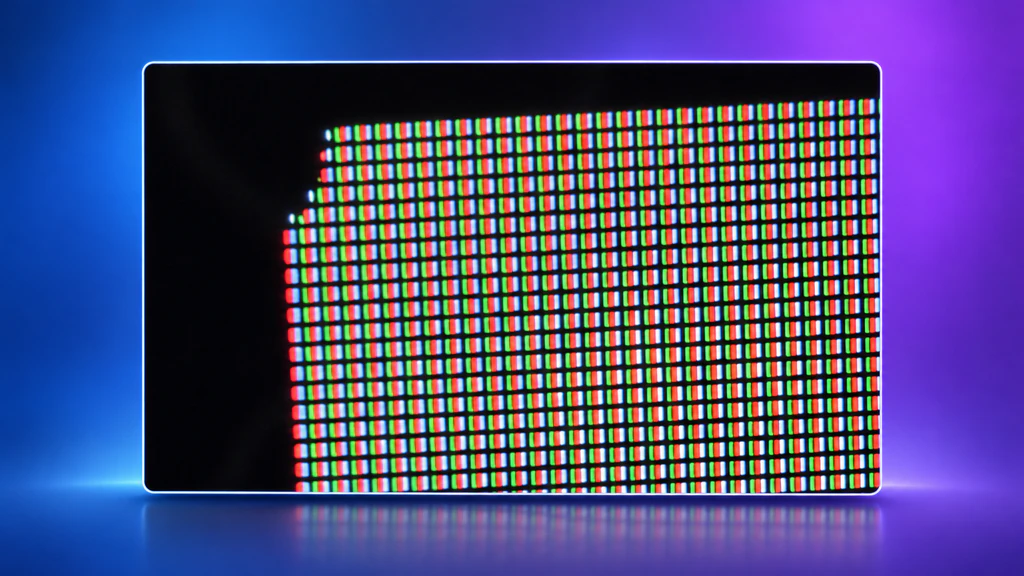
OLED TVs are renowned for their excellent picture quality, but their longevity still raises questions. The latest analysis from RTINGS points to a problem different from classic panel burn-in. In a long-term test, as many as 14 of 16 WOLED TVs showed signs of pixel degradation at the edges of the screen. Interestingly, none of the three QD-OLED models tested showed similar damage.
What is edge rot? A problem different from burn-in
RTINGS researchers describe this phenomenon as "edge rot", meaning degradation of the panel edges. It appears as dead pixels, dark spots or clusters of damaged pixels along the edges of the screen.
Unlike traditional burn-in, the issue is not related to prolonged display of static image elements. A possible cause is moisture seeping through the protective layers of the panel or contaminants introduced during manufacturing. The exact mechanism, however, remains unconfirmed.
18,000 hours of testing. QD-OLED comes out better
As part of an accelerated test, the TVs ran for 18,000 hours, which corresponds to about 10 years of typical use in an American household.
Damage was detected in nine out of ten TVs with the older WBC WOLED panel and in five of six models with the newer WBE WOLED. By contrast, the three QD-OLED TVs tested, the Samsung S95B, Samsung S95C and Sony A95K, showed no similar issues.
Should owners of newer OLEDs be concerned?
The study covered televisions from 2020 to 2023. RTINGS notes that newer panel generations may have received design improvements that reduce the risk of degradation. Importantly, no such issue was detected in the 2023 LG G3.
So the results do not mean that all OLEDs are prone to similar damage. The sample size was small, and the researchers emphasise that it does not allow predicting the longevity of a particular television.
Sources: RTINGS, FlatpanelsHD