 Redakcja Choose TV
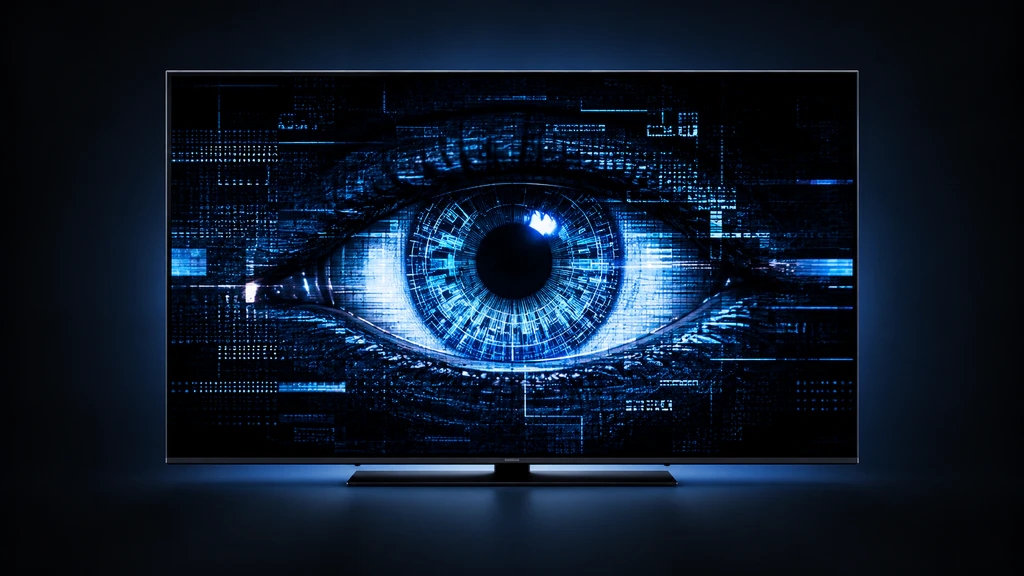
Smart TVs can know much more about users than might be expected. A security researcher who gained full access to the Tizen system on a 2025 Samsung TV discovered mechanisms for analysing sounds, recognising watched content and collecting data about the home network. His findings have sparked another discussion about user privacy.
Does the TV analyse sounds and the content you watch?
As FlatpanelsHD reports, a researcher using the pseudonym log4j discovered mechanisms in Samsung's software that recognise sounds such as a dog's bark or a baby's cry. The TV can also detect microphones in connected devices, for example soundbars.
However, that does not mean Samsung is secretly recording all conversations. Some of these mechanisms are used in the well-known Pet Care and Family Care features, and it has not been independently confirmed that TVs use external microphones without users' knowledge.
The researcher also pointed out the ACR (Automatic Content Recognition) technology, which can recognise content displayed on the screen, including material from devices connected via HDMI. The collected information can be used, among other things, to personalise advertising.
Is disabling tracking enough?
Particular doubts were raised about how the privacy settings operate. The researcher suspects that disabling the ACR feature does not always effectively stop data transmission.
Interestingly, a separate study by Northeastern University found that Tizen-based TVs continued to communicate with servers associated with ACR even after tracking consent had been withdrawn. However, due to encryption it was not possible to determine exactly what information was being transmitted.
Samsung says the ACR feature is optional and can be disabled in the privacy settings. Users can check the "Viewing Information Services" and personalised advertising settings in the TV's menu.
So far there is no evidence that all Samsung TVs are secretly eavesdropping. The reports do, however, show how extensive data-analysis mechanisms can be in modern Smart TVs.
Sources: FlatpanelsHD, Android Authority, Ars Technica