 Redakcja Choose TV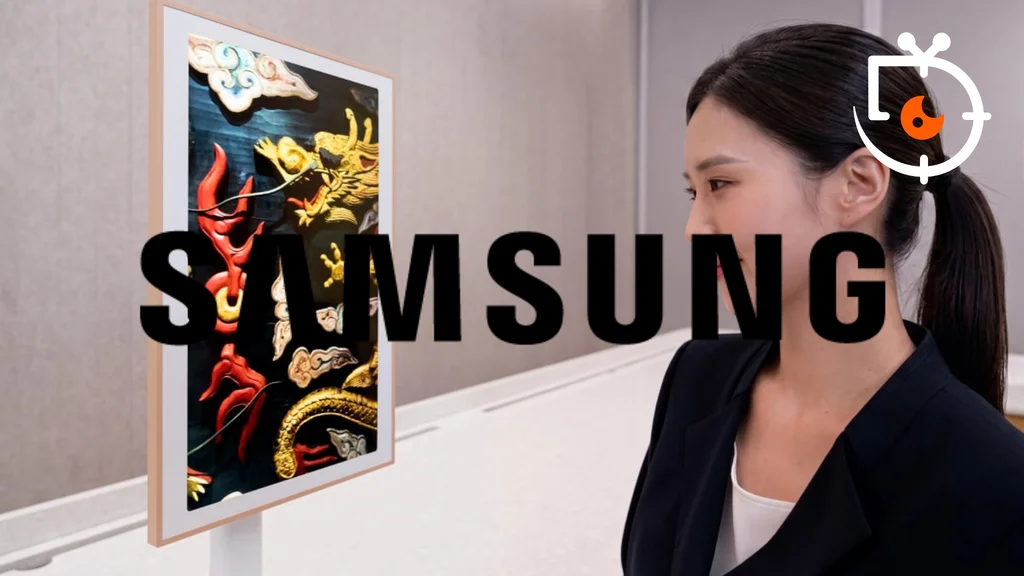
Samsung Display has showcased new prototypes of screens that could threaten the dominance of OLED in the future. The EL-QD technology, also known as NanoLED, is developing rapidly and according to many experts, it could become the next major step in the evolution of displays. The company presented its achievements at the SID Display Week 2026, where several new solutions were showcased from experimental panels to improved OLEDs.
NanoLED (EL-QD) - new generation displays
The most important innovation is the EL-QD technology, which operates quite differently from OLED. Instead of using organic diodes, it employs quantum dots that emit light upon receiving electrical energy. This allows for very accurate colours, high energy efficiency, and potentially lower production costs in the future. Samsung showcased two prototypes: an 18-inch panel with a brightness of 500 nits and a smaller 6.5-inch screen achieving 400 nits. This is a notable improvement compared to last year, where the brightness was significantly lower. Although these are still just prototypes, the development of the technology suggests that NanoLED could realistically compete with OLED and QD-OLED in the future, especially if production scale and efficiency can be improved.
New OLEDs and Other Innovations from Samsung
Alongside NanoLED, Samsung also showcased new OLED solutions. One of these is the Flex Chroma Pixel panel, which achieves brightness of up to 3000 nits and a significantly wider colour range than current smartphone displays. This could translate to better visibility in sunlight and more realistic HDR in future mobile devices.
The company also demonstrated an OLED screen with built-in health sensors, capable of measuring heart rate and blood pressure, as well as developing stretchable micro-LED screen technology. Such solutions could find applications not only in smartphones but also in automotive and wearable devices, where flexibility and integration of functions are key.
Samsung is developing several groundbreaking technologies simultaneously, but it could be NanoLED that turns out to be the biggest revolution. If it goes into mass production, it could change the display market in the same way OLED did a few years ago.
source: flatpanelshd