 Redakcja Choose TV
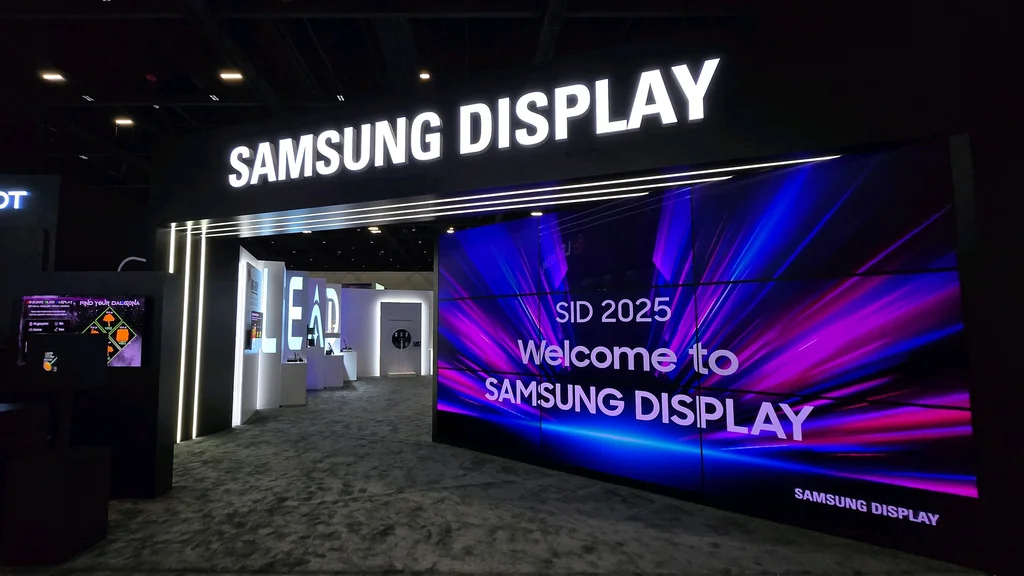
Samsung Display has a commanding lead in the market for OLED displays for laptops. According to the latest report from analytics firm Sigmaintell, the Korean manufacturer supplies more than 70% of the OLED panels used by the biggest laptop brands. However, that kind of dominance is starting to push laptop makers to look for new suppliers.
Samsung dominates, but the competition isn't sleeping
Data from Sigmaintell show that Lenovo and HP largely rely on Samsung Display panels, although they also use solutions from Chinese manufacturers. ASUS also sources displays from BOE and EverDisplay (EDO), while Acer gets about 75% of its OLED panels from Samsung. Meanwhile, Dell uses LG Display panels in laptops in the XPS series.
Such heavy reliance on a single supplier can be problematic. Any production disruptions make access to panels difficult, and limited competition weakens laptop makers' negotiating position.
OLEDs are appearing in an increasing number of laptops
However, the market is evolving very quickly. In the first quarter of 2025 shipments of OLED panels for laptops were 2.1 million units, and in the second quarter of 2026 they had already reached 4.3 million. Forecasts for the third quarter point to as many as 4.9 million units. According to Sigmaintell, in the second half of 2026 OLEDs will exceed a 10% share of the laptop panel market.
Chinese manufacturers want to capitalise on the rising interest. TCL CSOT is preparing volume production of OLED panels using inkjet printing, while BOE and Visionox are increasing shipments of displays for mid-range and high-end devices.
Greater competition could in future translate into lower panel costs and more affordable OLED laptops. For now, however, Samsung Display remains the clear leader in this segment.
Sources: The Elec, Sigmaintell, OLED-info