 Redakcja Choose TV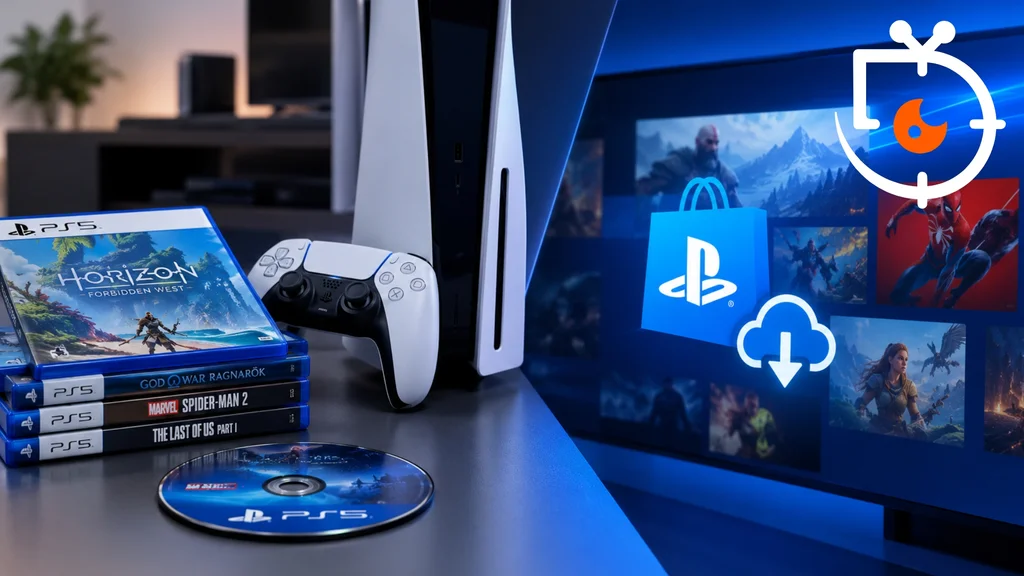
Sony does not intend to back down from its decision to end production of discs for new PlayStation games. The company has confirmed that from January 2028 new titles will be available exclusively in digital form. The plan has sparked opposition from some gamers and game developers, who still see value in physical releases. Despite the criticism, Sony is continuing preparations to move to digital distribution. New PlayStation 5 packaging already carries notices informing customers about the upcoming change.
Sony prepares the PS5 for an all-digital future
A warning about planned changes to game distribution has appeared on packages of recently manufactured PlayStation 5 consoles. Sony says that from January 2028 new PlayStation games will be sold exclusively in digital format. This applies both to the PlayStation Store and to retailers, who will offer digital versions of new releases. At the same time, the company notes that discs for games released before January 2028 will still be playable on the console. Similar notices have also started appearing on the pages of stores that sell the PS5. Sony is therefore making it clear the plan has not been abandoned despite critical reactions. Some players even organised the #PSBlackout campaign, urging others to stop buying PlayStation games digitally and to cancel PlayStation Plus subscriptions. The opposition mainly stems from concerns about losing physical copies and control over purchased titles. Sony’s own studios have not widely commented on the decision, though Naughty Dog previously signalled it does not support this direction. The company does not intend to change the schedule. Sony Corporation’s chief financial officer Lin Tao said during the recent earnings call that the decision had been carefully considered. According to him, the main reason is the ongoing digitisation of content, which includes not only games but other forms of entertainment as well. Sony also says it will roll out the change cautiously and take the gaming community’s feedback into account.
Digital games raise concerns about users' rights
One of the main arguments from disc supporters is the question of actual ownership of digital games. Buying a title from the PlayStation Store does not give you ownership in the same way as a physical copy. PlayStation itself recently reminded users of this in a notice about updates to its terms of service. The document states that software is licensed to the user, not sold. That means a digital purchase grants the right to use the software under specific terms. The new terms also include a clause allowing PlayStation to remove all digital games from an account after three years' inactivity. This has further increased concerns among people opposed to the move away from physical releases. A disc remains a physical medium that can be kept, resold or reused on a compatible console. With digital purchases, the user is dependent on the infrastructure and the rules of the given ecosystem. Sony argues that digitisation is the direction of the entire entertainment market, not just a PlayStation decision. The company stresses that it understands players' emotional attachment to physical games and the memories tied to them. However, that does not change the plan that, from 2028, new PlayStation games will switch to digital distribution.
Sony is sticking to its plan to end production of physical discs for new PlayStation games from January 2028. The company is already placing warnings on PS5 packaging to alert customers to the upcoming change. The decision has met with protests from some gamers, including the #PSBlackout campaign. Sony points to the ongoing digitalisation of the market, but will still have to face further criticism over the digital model of game ownership.
Source: flatpanelshd