 Redakcja Choose TV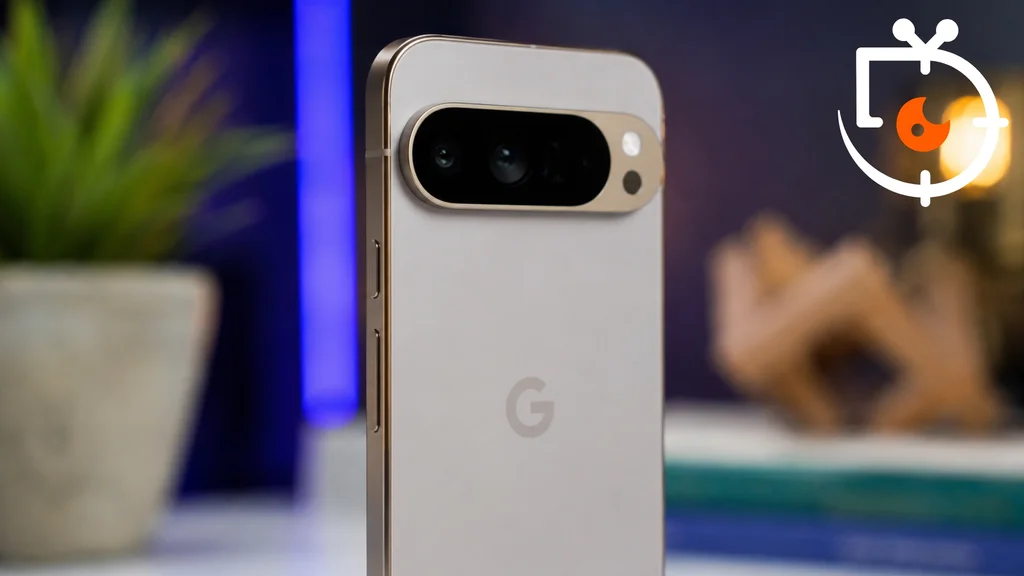
Pixel 11 will be just an improved version of its predecessor
The launch of the Google Pixel 11 series is fast approaching, but the more information that emerges, the harder it is to talk about a major revolution. According to leaks so far, Google intends to keep the well-known look of the smartphones, and the list of new features doesn't look particularly impressive. The company apparently prefers to further develop the current concept rather than completely redesign its phones. The direction itself doesn't have to be bad, because the distinctive look of the Pixels has become one of the most recognisable elements of Google's smartphones. The problem arises when retaining the design also means users get very similar hardware capabilities. As a result, the Pixel 11 may be attractive mainly to people using much older models, such as the Pixel 6 or Pixel 7. For owners of newer generations, there may be far fewer reasons to upgrade. Google has previously suggested that larger design changes in the Pixels will come roughly every two or three years. This year's generation may therefore be another stage of calmly evolving the current design, rather than an attempt to create a phone from scratch. Leaks have mentioned, among other things, a matte finish for the Pixel 11 Pro, as well as a thinner build for the Pixel 11 Pro Fold model. Google may also offer new colour variants, but such changes are hard to see as a sufficient reason to buy a new phone. The biggest problem for the Pixel 11 may be the lack of a single feature that would clearly distinguish it from its predecessor.
Pixel 12 should focus on battery, camera and performance
If Google really wants to get users more interested in the next generation, Pixel 12 would be a good moment for much bigger changes. One of the most anticipated improvements should be a better camera, especially on the base model and when it comes to the telephoto lens. Competitors are increasingly using larger sensors and advanced telephoto setups, so Google has plenty of room to improve here. Another important element is the battery, which some users say should get a much larger capacity. Using silicon-carbon technology could help, allowing higher capacity without proportionally increasing the battery's size. Charging speed and the phone’s overall power efficiency are also crucial. Users also expect ever better performance from the processor, modem and the whole system-on-chip responsible for the smartphone's operation. Google is said to be working with TSMC, so the question is why it still hasn’t used that partnership to more clearly close the gap with rivals. Pixel 12 could therefore be a much more interesting launch if Google treated the phone’s basic elements as a priority instead of concentrating on yet more small extras. For the Pixel 11, one of the main new features is said to be HiLight, but according to available information its capabilities may be relatively limited. That doesn’t mean Pixel 11 will be a bad phone, of course, since it can still offer great software, cameras and long support. The problem is really that a good phone isn’t always an exciting upgrade for someone who already owns the previous generation.
Google Pixel 11 looks set to be a safe and conservative update to the series, which may not give owners of recent models much reason to upgrade. The company will likely keep the distinctive design while introducing a few minor hardware and software changes. Greater expectations can therefore be directed at the Pixel 12, which should get a more powerful camera, a larger battery, faster charging and better performance. The Pixel 11 will be unveiled on 12 August, so we'll soon find out whether Google actually has any surprises left.
source: 9to5google