 Redakcja Choose TV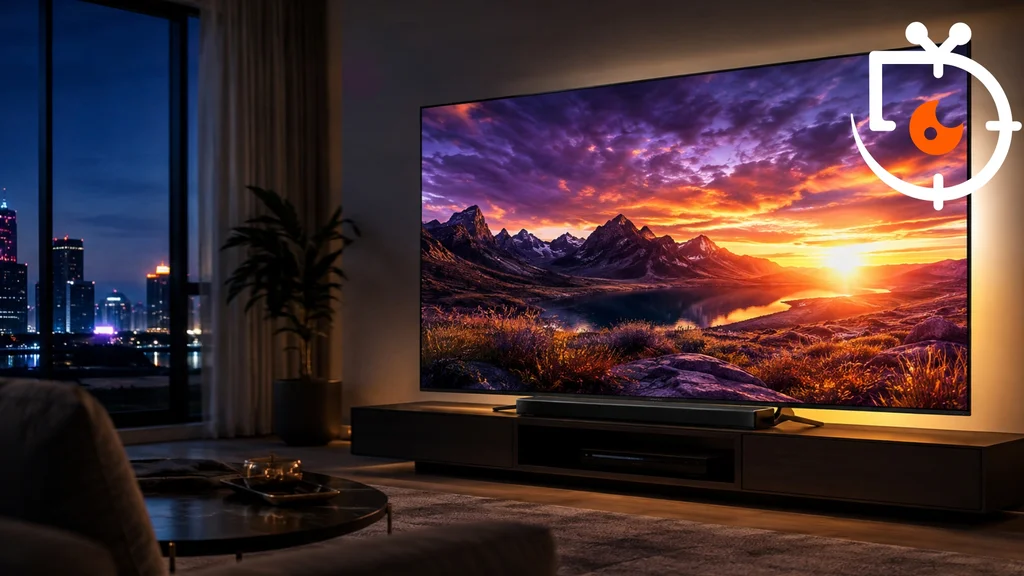
Hisense has become the first TV manufacturer to start rolling out an update that brings Dolby Vision 2 to selected 2026 models. The new HDR standard is intended not only to improve the quality of future content, but also to deliver a better picture on material already using Dolby Vision. The update is particularly interesting because it includes an extended version, Dolby Vision 2 Max, offering extra motion-related features and image tuning to suit room conditions. Initially the new software will be delivered to selected Hisense TVs running Google TV and Vidaa OS. The manufacturer says the update will be rolled out gradually across additional markets over the coming weeks.
Dolby Vision 2 Max arrives on Hisense's first televisions
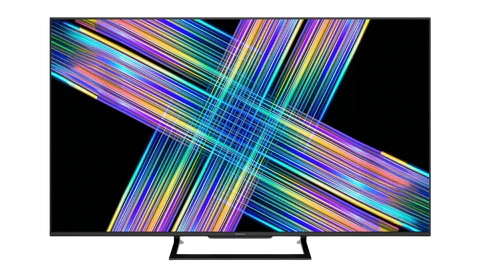
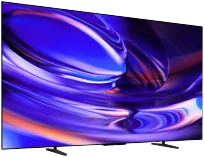
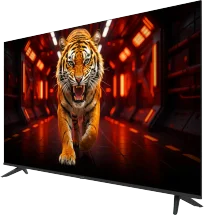
Hisense has begun rolling out the Dolby Vision 2 Max update to selected televisions from this year’s range. The software is currently being made available for models including UX, UR9, UR8 and U7, with the U7 sold in Europe as the U7 Pro. The update covers devices running Google TV as well as televisions on the Vidaa OS. The manufacturer emphasises that users should notice an improved picture even for content that was already available in Dolby Vision. The new technology is designed to deliver more striking and natural image reproduction when watching films, TV series, sports broadcasts and gaming. Dolby Vision 2 uses a new image-processing engine and mechanisms referred to as Content Intelligence, which are intended to better tailor how content is presented. In the Max version, capabilities have been further extended with additional technologies. One of these is Authentic Motion, a system responsible for improving motion smoothness that Dolby says was developed with input from filmmakers. Another is Light Sense 2, which uses information about room lighting to automatically adjust the picture. Users will also get extra Pro settings aimed at those who want more detailed control over how Dolby Vision works. Hisense is the first manufacturer to actually start rolling out Dolby Vision 2, while other manufacturers are still preparing their updates.
Dolby Vision 2 aims to improve picture even before new content premieres
The new Dolby Vision standard won't be limited only to future films and series produced specifically for its capabilities. Hisense and Dolby say that improvements in image quality can already be seen, even when watching existing Dolby Vision material. That means users don't have to wait for a large library of Dolby Vision 2 content to take advantage of some of the new features. The Light Sense 2 feature looks particularly interesting — it reacts to the room's conditions. The TV can thereby better adapt the picture to its surroundings, instead of using identical settings regardless of the time of day. Dolby Vision 2 Max also introduces Authentic Motion, designed to improve motion smoothness without completely departing from the character of the material as intended by its creators. This could be important both when watching films and for live sports broadcasts or gaming. In future, the new standard's capabilities are expected to be better leveraged by streaming services. Companies that have declared interest in Dolby Vision 2 include, among others, CANAL+, iQIYI and Peacock. TCL and Philips also plan to start rolling out updates for selected models, but that will only happen later this year. LG and Sony, on the other hand, do not plan to support Dolby Vision 2 on their TVs in 2026, and Samsung still does not support Dolby Vision on its TVs. For Hisense this is therefore a chance to clearly set this year's models apart, especially in the segment of TVs using advanced Mini LED and RGB LED backlighting.
Hisense was the first manufacturer to start rolling out Dolby Vision 2 Max to selected 2026 TV models. The update covers the UX, UR9, UR8 and U7 Pro series and introduces, among other things, a new image engine, Content Intelligence, Authentic Motion and Light Sense 2. Importantly, some of the improvements will also be visible when watching existing Dolby Vision content. New Dolby Vision 2 content, meanwhile, will make even better use of the standard's capabilities in the future. TCL and Philips are preparing similar updates, but Hisense currently has the advantage because it was the first to actually begin releasing them.
source: flatpanelshd