 Redakcja Choose TV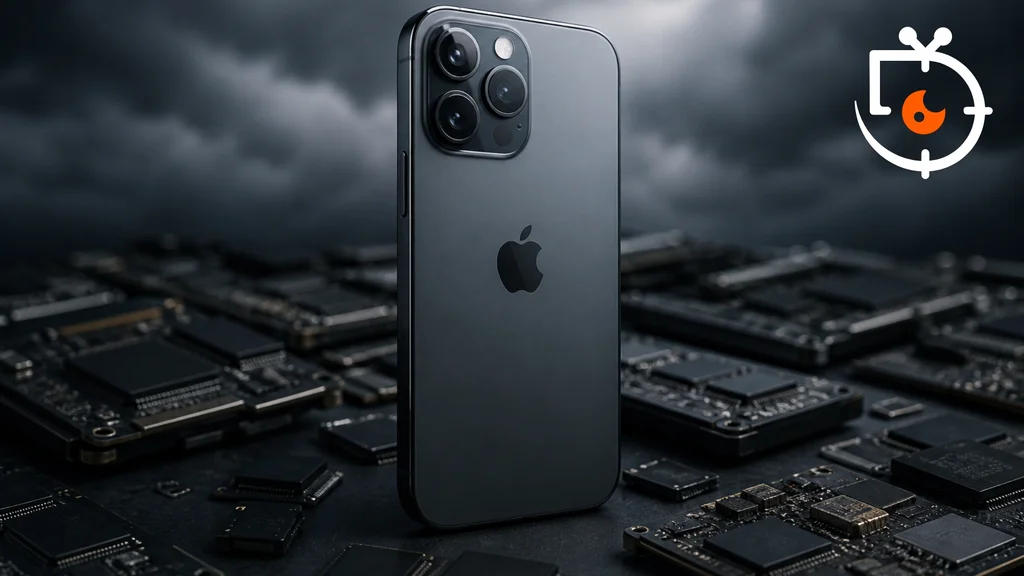
Apple may significantly change its smartphone launch strategy. According to new reports, the basic iPhone 18 may not appear during the traditional autumn conference, and its debut could be pushed back as far as early 2027. The reason? Rising DRAM memory costs and the desire to maintain high margins during a global component crisis. This shows that even Apple is starting to feel the effects of supply chain issues.
Apple wants to make the most of the success of the iPhone 17
According to leaks, the company plans to keep the iPhone 17 on sale for longer, which is already selling exceptionally well and has become one of the most popular smartphones on the market. For Apple, this is an ideal situation; instead of quickly replacing the model with a new generation, it can continue to profit from a device that uses older, cheaper components and a more stable production process. This way, the company will reduce costs associated with the need to order new batches of memory and chips at a time when component prices are rising very quickly. It is also a logical move from the perspective of the product itself. The base iPhone 17 has introduced many features previously reserved for more expensive models, such as an LTPO display with ProMotion or a larger amount of RAM. For many users, this is already a sufficiently ‘premium’ device, so a quick introduction of the next model might not yield such a significant sales effect.
DRAM Crisis Affects the Entire Industry
Issues with DRAM memory are becoming an increasing challenge for electronics manufacturers. The rising demand related to AI and data centres is causing component prices to rise while availability declines. So far, Apple has fared better than its competitors due to massive orders and securing supplies earlier, but it too is beginning to look for ways to cut costs. The delay of the iPhone 18 could be one of those measures. The company could thus extend the lifecycle of current models and avoid the need to quickly implement new, more expensive components. This also shows that future smartphone launches may become increasingly dependent on the situation in the semiconductor market rather than just the manufacturers' plans.
Apple may delay the release of the base iPhone 18 to better leverage the success of the iPhone 17 and mitigate the effects of the DRAM memory crisis. This is a strategic move that could impact the entire smartphone market.
source: wccftech