- Matching (Score) |
- Our verdict |
- Competing TVs |
- TV appearance |
- Where to buy |
- Contrast and black detail |
- HDR effect quality |
- Factory color reproduction |
- Color reproduction after calibration |
- Smoothness of tonal transitions |
- Image scaling and smoothness of tonal transitions |
- Blur and motion smoothness |
- Console compatibility and gaming features |
- Input lag |
- Compatibility with PC |
- Viewing angles |
- Daytime performance |
- TV features |
- Apps |
- Playing files from USB |
- Sound |
- Panel details
TCL A400U Review
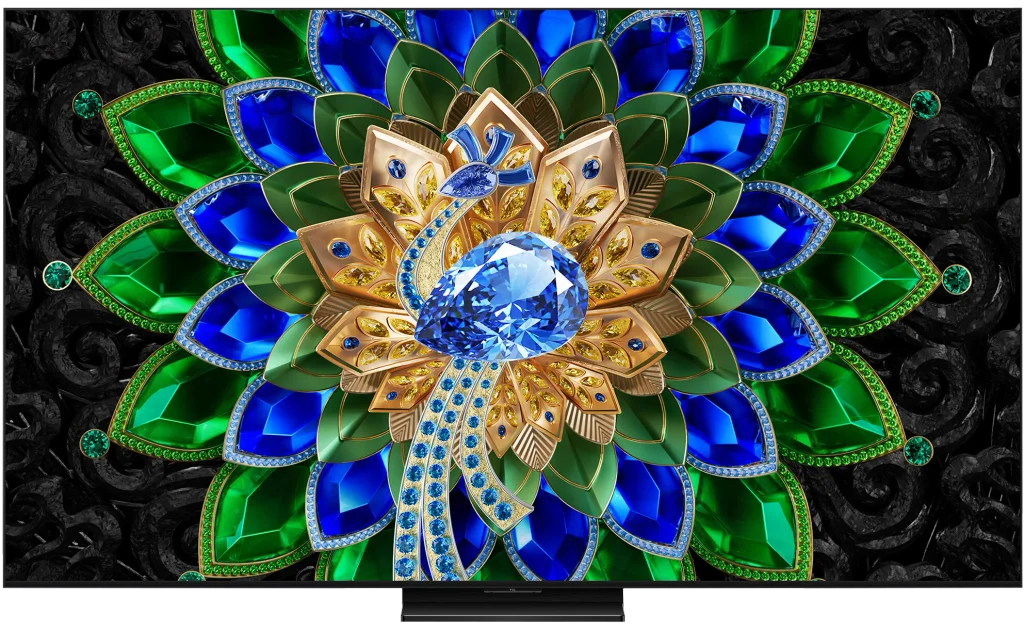
A400U / Premium Wallpaper
Available screen sizes:
Complete the survey to find out the result
Panel type: LCD VA Refresh rate: 144Hz Brand: TCL Resolution: 3840x2160 System: Google TV Model year: 2026
This review is an English translation of the Polish original. Read the original on Wybierz.tv.
TCL has significantly expanded its A series this year, the line of TVs that are also meant to be a decorative element in interiors. The manufacturer calls them "Wallpaper TV", which suggests a screen designed to blend into the wall. One of the new models is the TCL A400U, which at first glance doesn't resemble the typical models that try to look like a framed picture. It does, however, come with full-fledged Mini LED backlighting, so the design could be backed up by substantial capabilities. We checked whether the A400U has anything to offer beyond an interesting look!
TCL A400U - Our verdict
7.8
Overall rating
Is it worth buying the TCL A400U? Yes, because it’s one of those TVs where paying extra for a higher series doesn’t always make sense. In movies you get what you usually expect from a good TV: very good blacks, strong HDR impact and a natural image, especially after calibration. Brightness is also sufficient during the day, though because of the glossy panel it’s better not to place it opposite a large window. The whole package is completed by a slim, well-crafted chassis. The A400U doesn’t sell the picture-on-the-wall effect as convincingly as some “wallpaper” TVs, but as an elegant living-room set it looks very good.
Buying it, you also don’t have to choose between a TV for movies and a screen for gaming. The A400U supports 4K at 120 Hz, including in Dolby Vision, and its low input lag keeps controls fast and responsive. On a PC you can even run 144 Hz at 4K or 288 Hz in Full HD. That level of capability makes it hard to justify paying more for a pricier model just for gamer-oriented features. In everyday use the TV also doesn’t disappoint. Google TV runs smoothly, apps launch without annoying delays, and using the device is simply convenient.
That doesn’t mean the A400U will fit every home. If you often watch regular broadcast TV or other lower-quality content, the Pentonic 700 processor won’t always improve it as much as you might expect. The slightly more expensive C7L has a similar limitation, so only moving up to a clearly higher series, like the C8L, brings a noticeable change in that regard. Before buying, check how many devices you want to connect. Two HDMI 2.1 inputs, one of which is taken by eARC, may prove insufficient if you have two consoles and a soundbar. It’s also wise to include a soundbar in your budget, because the built-in speakers clearly don’t match the capabilities of the picture.
However, if you’re looking for a TV primarily for movies, streaming and gaming, the TCL A400U is one of the most convincing buys in the midrange class in 2026. More expensive models can do more, but not every one of those advantages will matter in everyday viewing. Here you get a very good picture, extensive features and excellent build quality, without paying for functions you might never see. That’s why the TCL A400U is, in our view, one of the most cost-effective TVs of 2026.
Advantages

Great value for money
Very good blacks and high contrast thanks to Mini LED backlighting and a VA panel
High brightness that delivers impressive HDR and comfortable daytime viewing
Accurate image reproduction after calibration
Extensive gaming features: VRR, ALLM, low input lag
High refresh rates up to 144 Hz at 4K and 288 Hz at Full HD when connected to a PC
Google TV with a wide selection of apps
Slim, flat design and very good build quality
Disadvantages

Poor digital image processing due to the use of the older MediaTek Pentonic 700 processor
Only two HDMI 2.1 inputs, one of which is shared with eARC
Glossy screen that does a poor job of suppressing reflections
Limited viewing angles
Flat sound
 Movies and series in UHD quality
7.5
 Classic TV, YouTube
7.3
 Sports broadcasts (TV and apps)
7.0
 Gaming on console
8.8
 TV as a computer monitor
8.5
 Watching in bright light
8.5
 Utility functions
7.8
 Apps
Apps9.6
 Sound quality
6.7
Complete the survey to find out what fits your preferences
TCL A400U - Competing TVs in this price range
TCL A400U - TV appearance
HDMI inputs: 2 x HDMI 2.0, 2 x HDMI 2.1 (48Gbps) Outputs: Toslink (Optical audio), eARC (HDMI), ARC (HDMI) Network Interfaces: Wi-Fi 2.4GHz, Wi-Fi 5GHz, Ethernet (LAN) 100Mbps
Build quality: Premium
Stand type: Central
Bezel color: Graphite
Stand: Height adjustment
Flat design: Yes
Accessories: Stand
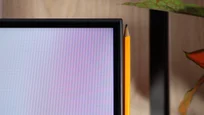
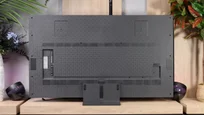
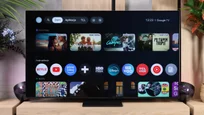
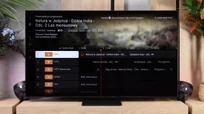
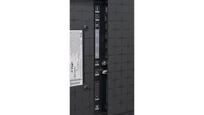
We don't think the TCL A400U can really be called a full-fledged TV that pretends to be a picture, like the A400 Pro, Samsung The Frame, or Hisense Canvas TV. It has no interchangeable decorative frames and from the front it looks more like a classic, elegant Mini LED TV. The narrow bezel and simple central stand still look very good. In terms of build quality the A400U feels like a more expensive series, and visually we even like it more than the higher-positioned C7L. Of course, that's a matter of taste. What stands out most is its very slim, flat cabinet. There’s no typical bulky electronics bump at the back; instead there are recessed areas for a dedicated wall mount. Because of that design the TV can be mounted close to the wall, and that's when its appearance can make the biggest impression. It’s a shame the mount isn’t included as standard, although there are promotions where the manufacturer adds it for free. You could jokingly say the “A” stands more for “absolutely flat” than “artistic.” You can also see they thought about practical details. The back has cable channels that help tidy cables and hide them within the cabinet profile. For placing it on a cabinet you get a central stand with height adjustment, useful if you want to put a soundbar under the screen. As a TV meant to mimic a framed picture or wallpaper, the A400U doesn't fully convince us, but as a well-made, slim living-room screen it looks really great.
Buy at the best price
Select size:

TCL A400U - Contrast and black detail
8/10
Local dimming function: Yes, number of zones: 576 (18 x 32)


Result
170,250:1

Result
41,700:1

Result
24,500:1

Result
22,550:1

Result
8,550:1

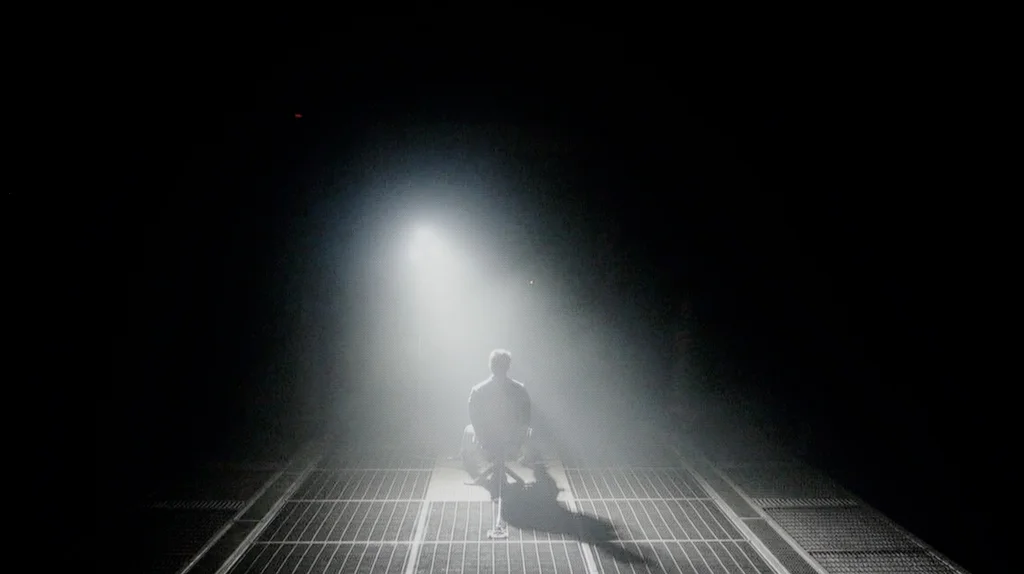
The A400U's blacks are excellent, even surprisingly so. In the 65-inch version we tested, TCL used 576 local dimming zones that effectively separate bright objects from a dark background. In most of our scenes the contrast ratio ranged from about 22,500:1 to 41,700:1, and in the most favorable shot it exceeded 170,000:1. That gives the picture very good depth at night, and the blacks don't look like the gray veil you get on ordinary LCDs without local dimming. Interestingly, the C7L we tested in the same size had over 1,000 zones, yet contrast results were very similar, in places even worse. The A400U shows that the number of zones alone doesn't determine the effect. Equally important is how the TV controls them, and here TCL did a very good job.
Of course there are scenes where the backlight reaches its limits. When a dark background contains many small bright elements, you can see a halo effect around them, a luminous rim. The zones cover too large an area to illuminate every tiny detail without brightening its surroundings. In our most challenging shot the contrast dropped to around 9,000:1, but even then it didn't look bad. It's not perfect black in every situation, but for most of a viewing session the A400U gives plenty of reasons to be satisfied in this regard.
Halo effect and black detail visibility:
TCL A400U - HDR effect quality
6.1/10
Supported formats: HDR10, HDR10+, Dolby Vision, Dolby Vision IQ, HLG
Luminance measurements in HDR:

Result
1226 nit

Result
264 nit

Result
636 nit

Result
217 nit

Result
1434 nit
TCL A400U can deliver genuinely strong HDR. On test patterns peak brightness reaches around 2000 nits, and in brighter film scenes we measured roughly 1200 to over 1400 nits. Those are very good numbers, which translate into intense sun reflections and a noticeable glow on the bright parts of the image. In those shots it’s hard to complain about lack of punch. It isn’t always equally impressive. When small lights appear on a dark background the algorithm has to decide how strongly to light the local dimming zones that cover them. Higher brightness would also mean a more visible halo around objects, so the A400U favors preserving deep blacks. In our toughest scenes the small lights therefore reached only about 220–260 nits. They remain visible, but lose the intensity you would expect from such a bright TV. That’s a compromise common to many Mini LEDs in this price bracket. The backlight has plenty of power, but the number of zones limits how precisely it can be used. You can also see the advantage of the C7L here, which with its larger number of zones can render some of those elements brighter. Colors Colors look good, though they don’t achieve the same saturation as the new SQD Mini LED models. The A400U uses a PFS phosphor and covers about 94% of the DCI-P3 gamut and 74% of BT.2020. In HDR films this gives juicy, well-saturated hues. DCI-P3, which contains most of the colors used in those films, is almost fully covered. The shortcomings are most visible in the most saturated greens. They won’t be as intense as on screens able to reproduce a wider gamut, but in most movies it will be hard to notice. It’s easier to spot the difference in games with heavily saturated, neon colors that more often push beyond the panel’s capabilities.
BT.2020 color gamut coverage and primary color luminance
| Data set | BT.2020 | P3 | R | G | B |
|---|---|---|---|---|---|
| Synthetic patterns | 74.3% | 93.6% | 61% | 58% | 63% |
| Film measurements | 74.3% | 93.8% | 74% | 78% | 80% |
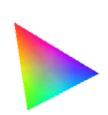 BT.2020
 BT.2020 and P3 – average color gamut coverage (percent of the target gamut).
R, G, B – average primary color luminance relative to target (percent).
Scene from the movie “Pan” (about 2800 nits)

Scene from the movie “Billy Lynn” (about 1100 nits)
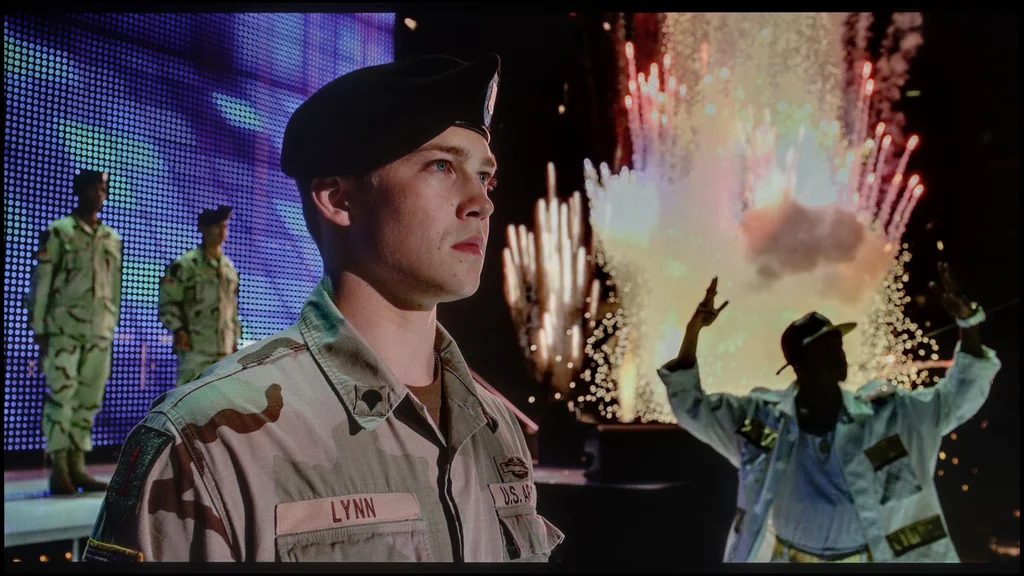
The TCL A400U handles mapping HDR movies to the screen’s capabilities very well. That matters because a film can contain highlights far brighter than the TV can reproduce. The image then needs to be adjusted so details are preserved in those areas without changing the look of the whole scene. The A400U does this well, even very well. Bright elements have the right glow, but faces, backgrounds, and shadowed areas don’t end up overly brightened. You can see this in the scene from "Billy Lynn," where brightness reaches about 1,100 nits. The fireworks behind the protagonist are intense, but you can still make out their individual details. The face and the uniform don’t look like someone has lit them extra. An even tougher example is the scene from "Pan," reaching about 2,800 nits. The A400U can’t reproduce that brightness fully, but it can preserve the differences in tones around the sun. Instead of a large white blob, you get visible transitions between the light, the sky, and the clouds. Because of that, both shots look very similar to the image from the reference monitor we use as a standard. This kind of reproduction is aided by the peak brightness adjustment. Its role isn’t just to raise or lower the backlight output. It also lets you fine-tune how brightly the TV displays specific parts of the picture so it doesn’t brighten them more than intended in the source material. In the C-series models we tested this option was grayed out and unavailable to the user. On the A400U you can use it, which gives greater control over the final effect.
HDR luminance chart:
The A400U already handles HDR10 well, and with Dolby Vision content it can also use scene-by-scene brightness guidance. That makes it easier to preserve detail in highlights instead of washing them into a uniform blotch. In the scene with the horses the difference is small, because even in HDR10 the texture of the snow and the trees in the background is clearly visible. Dolby Vision subtly refines those elements but doesn't completely change the picture's appearance. That's a good sign, because it means films available only in HDR10 don't lose much here either.
Static HDR10

Dynamic: Dolby Vision

Factory color reproduction
6.2/10
On factory settings, Filmmaker mode on the A400U performs quite well, especially for regular TV and SDR content. However, there's a slight red deficiency. Whites have a faint greenish tint and faces can look a bit too pale. It's not glaring in every scene, but in shots with a lot of white or red the color cast is easier to notice. There are also minor inconsistencies in brightness. Dark areas are slightly lifted, while some of the lighter tones are overly muted. It's still perfectly watchable, though there's room for improvement. There are more issues with HDR. Out of the box the TV brightens the picture too much, which is clearly visible on the EOTF chart. This isn't about bright highlights like the sun or lamps, since those should be intense. Faces and surroundings that were meant to look more subdued in the film also become brighter. As a result the scene loses some depth and looks like its overall brightness has been cranked up. On top of that, the brightest whites trend slightly toward cool tones. The main thing to address is how HDR is mapped and displayed, because on factory settings the A400U adds more than it should in Filmmaker mode.

Color reproduction after calibration
8.9/10
The TCL A400U responds very well to calibration and allows you to fix most of the shortcomings of the factory Filmmaker mode. In SDR it was possible to nearly perfectly even out the white balance. The lack of red is gone, so whites and grays no longer have a greenish cast, and faces have regained a natural look. Brightness reproduction also improved. Apart from small deviations in the darkest and brightest parts, the TV sticks to the reference without unnecessary brightening or dimming of the image. The most important change, however, concerns HDR. Thanks to the available peak brightness adjustment, it was possible to rein in the brightening visible in the factory settings. Measurements in film scenes, not just on test patterns, confirm this. Faces and backgrounds are no longer artificially lit, while bright elements still retain proper strength. Errors in the Color Checker test in HDR mostly fall below 2, which is a very good result. Not everything is perfect, because the brightest whites retain a slightly cool tint, but overall the picture is much more accurate. This is exactly the improvement we described earlier when comparing scenes from "Pan" and "Billy Lynn." The A400U lets you fine-tune HDR to preserve both detail and the correct overall scene brightness. Other TCL models lacked this option, where peak brightness adjustment was not possible. Here the manufacturer exposed it to the user, and it’s clear it was needed. After calibration the A400U shows a film without unnecessary image boosting.

TCL A400U - Smoothness of tonal transitions
9.4/10
The TCL A400U handles tonal transitions in 4K content very well. In bright scenes it's hard to find any problems. The sky or the subtle halo around the sun look smooth, without visible banding or boundaries between shades. Colors transition smoothly from one to another, so nothing draws attention away from the movie. Minor imperfections only appear in the darkest scenes, near black. You can notice slight banding there, but you have to look closely to spot it. During normal viewing it is unlikely to be distracting. That's a very good result and one of the A400U's strengths.
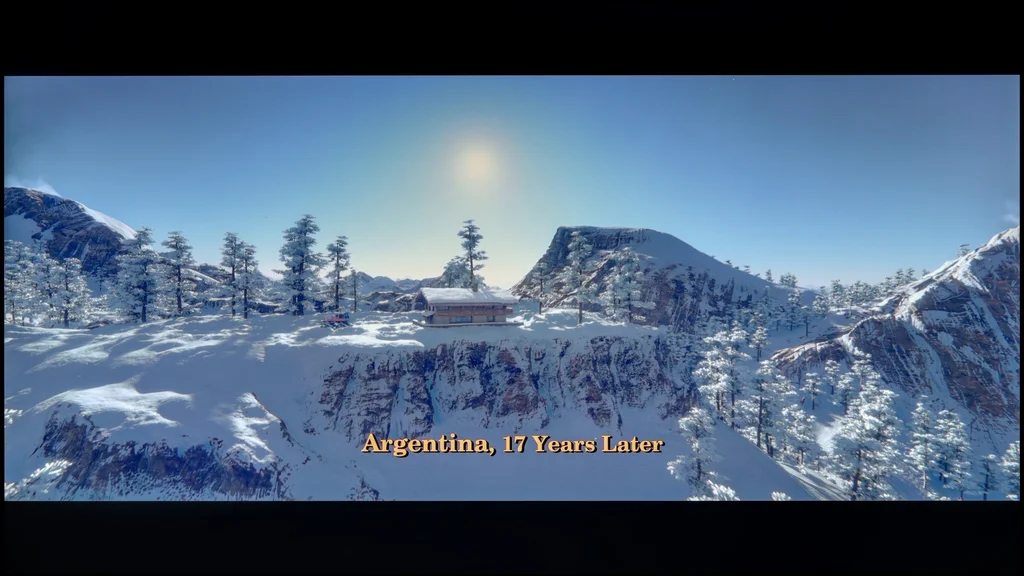

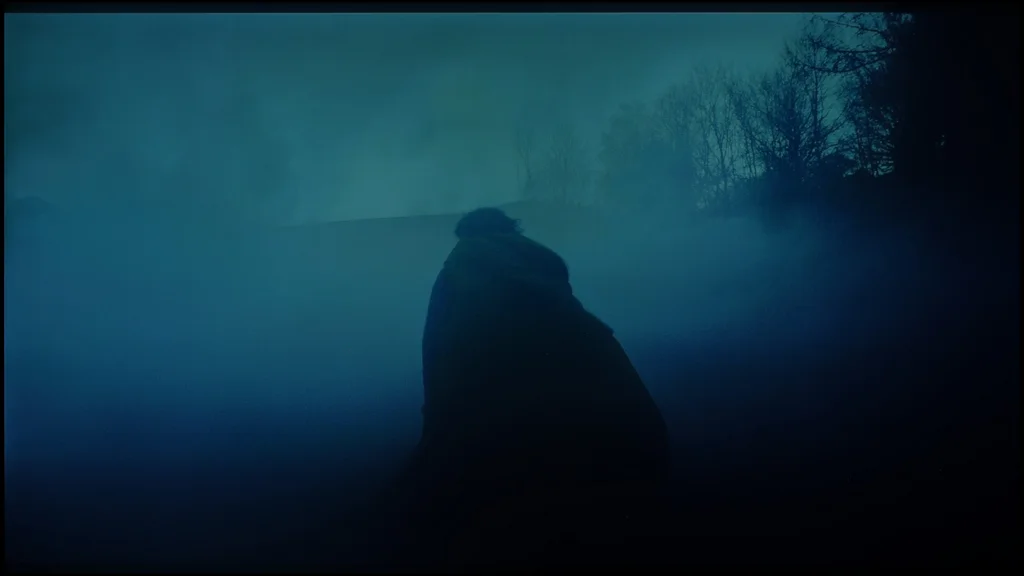
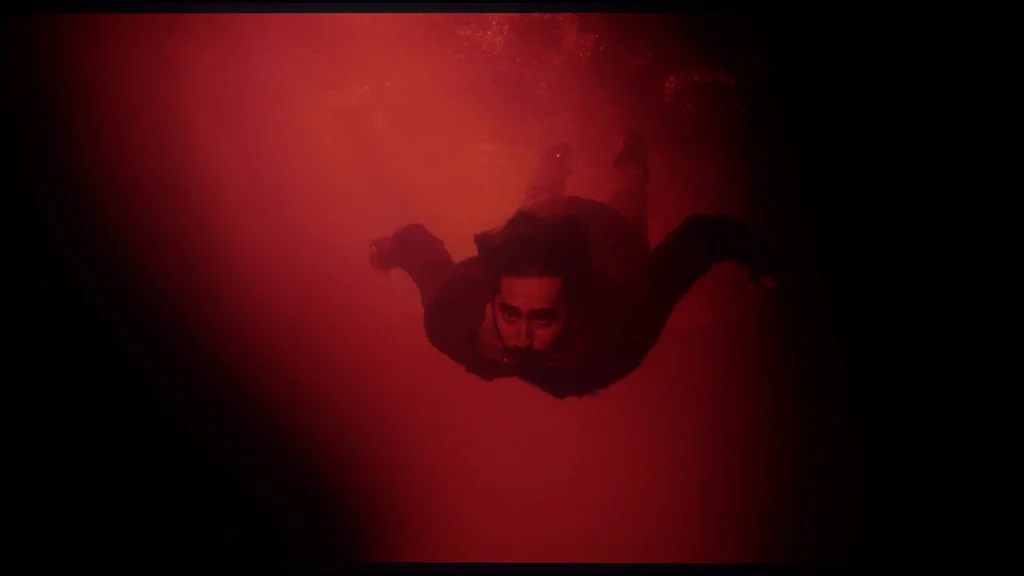
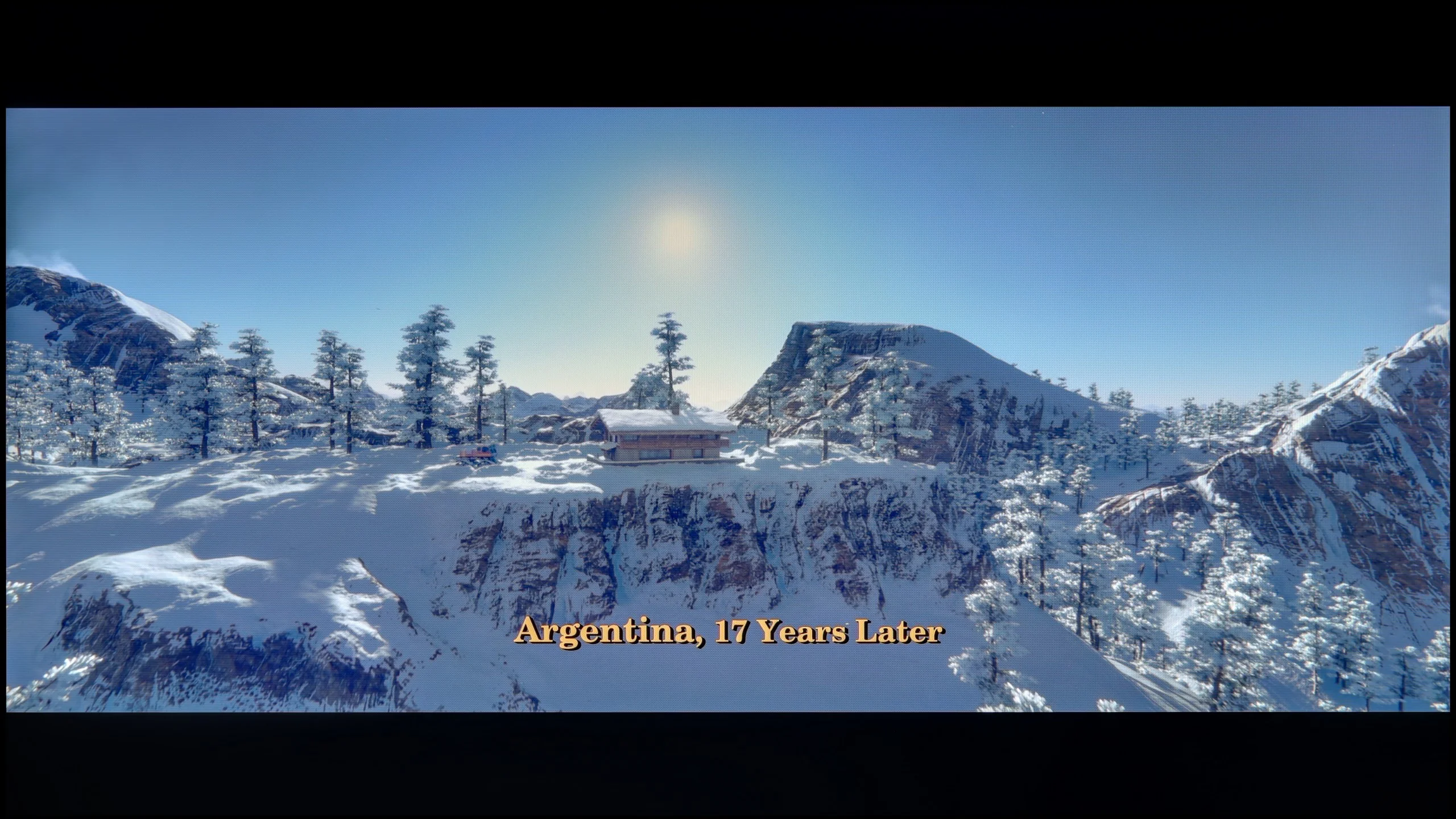

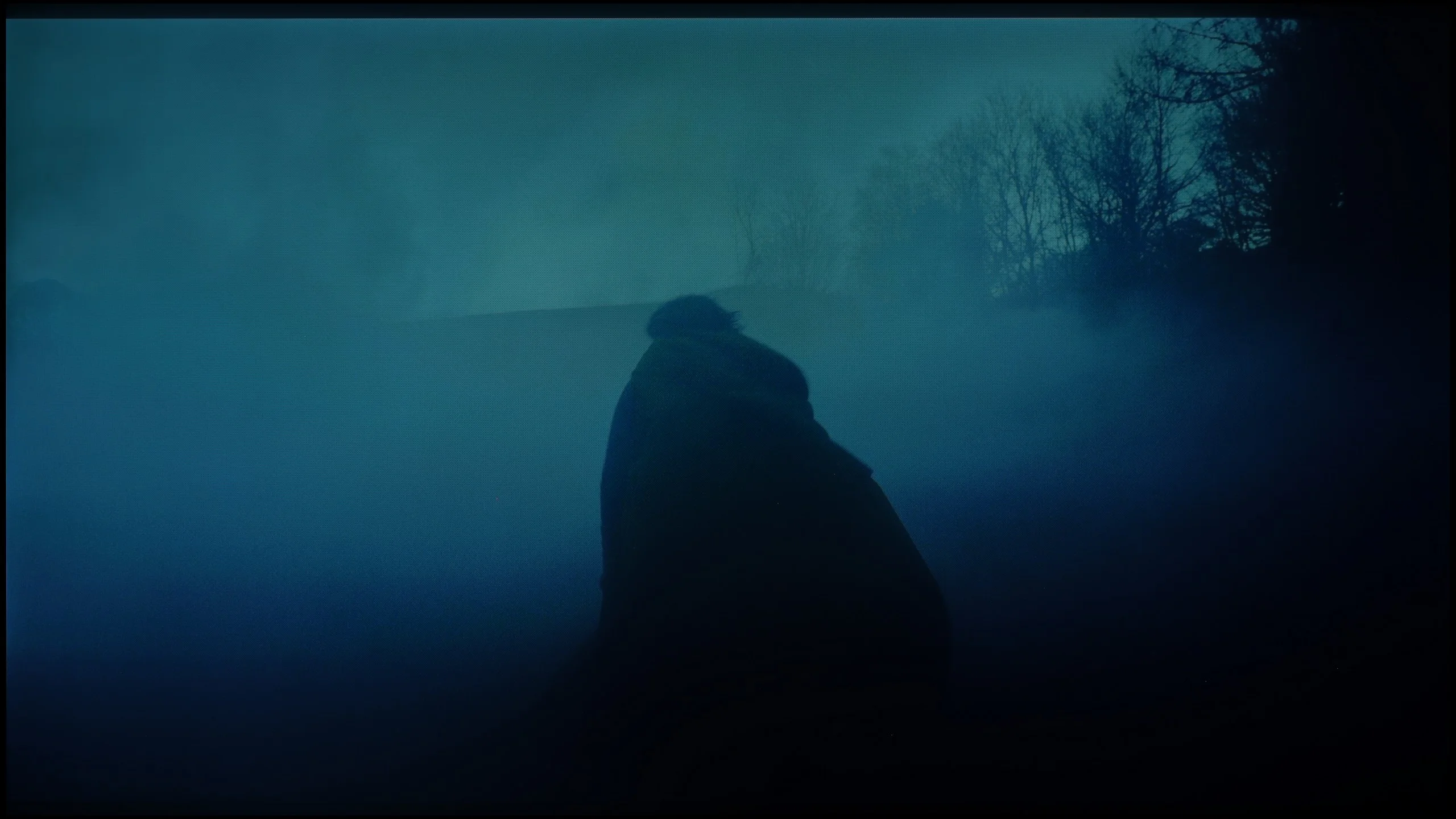
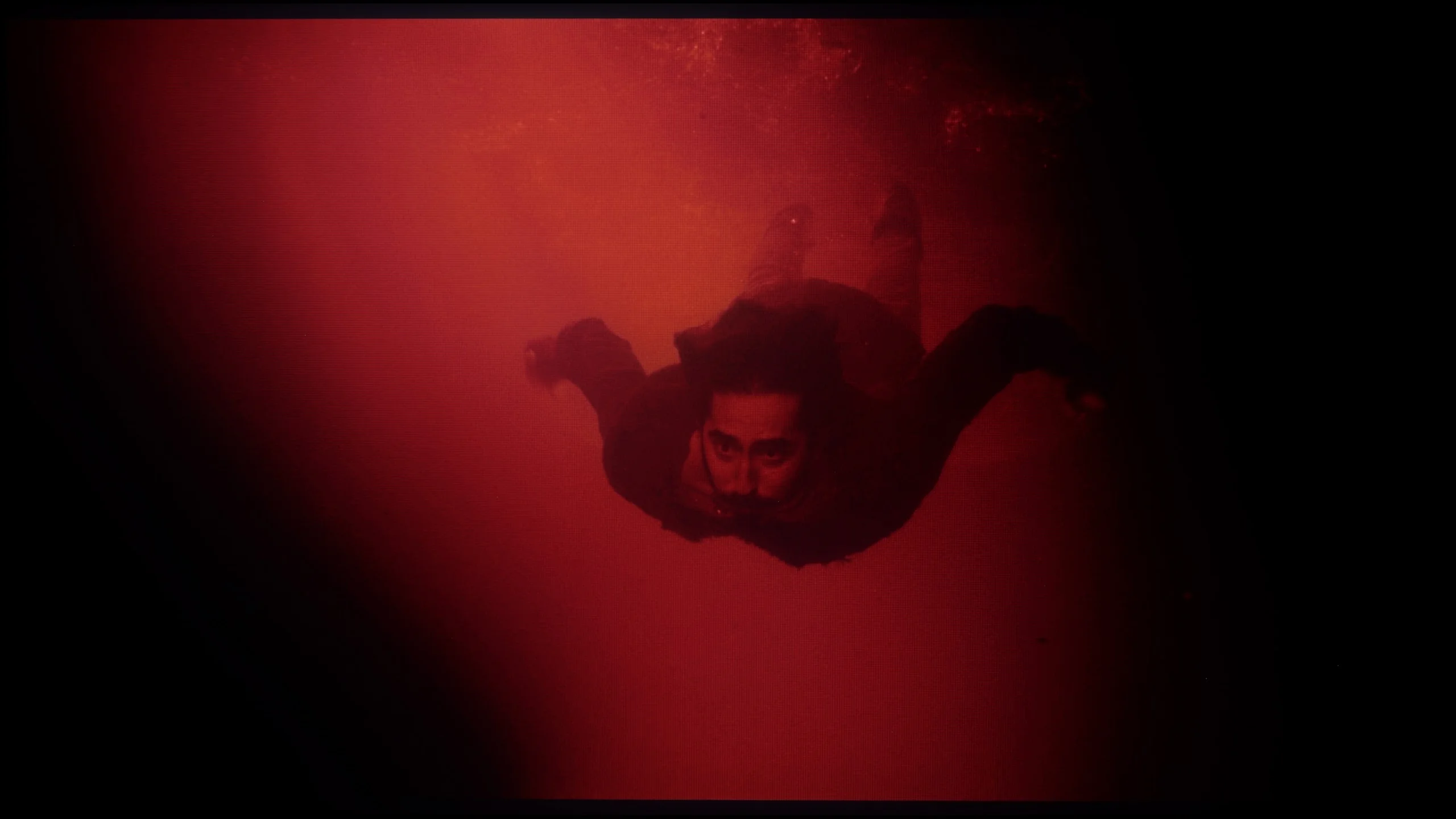
Image scaling and smoothness of tonal transitions
5.5/10
 Smooth transition function
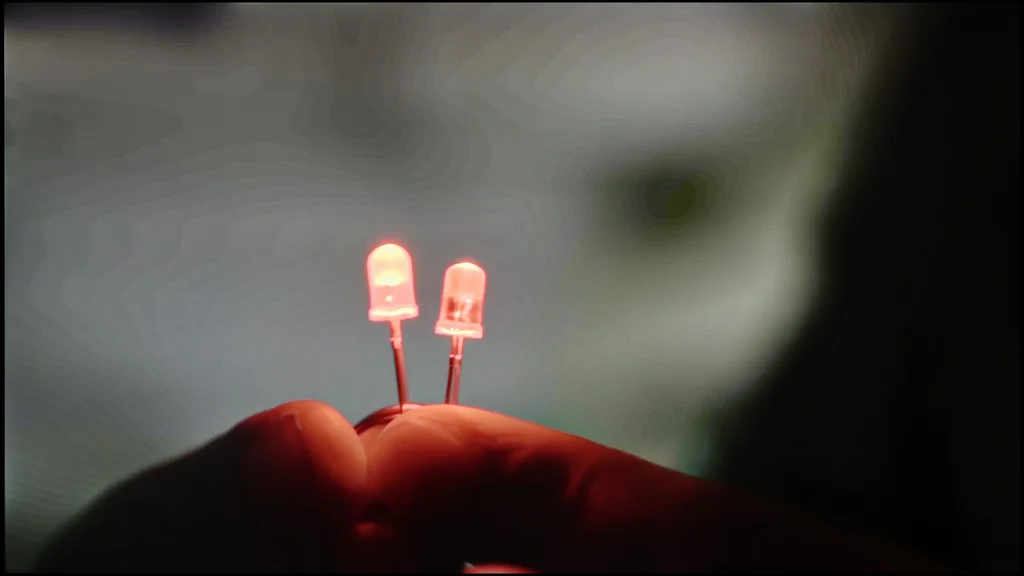
Image without overscan on the SD signal

TCL A400U correctly upscales lower-resolution content to 4K. Edges are clear and fine details stay legible, so older movies and regular TV look quite good. There’s also no issue with overscan, meaning the TV doesn’t crop the image edges. Even with very low-resolution material the set shows the entire frame.
It performs much worse at removing imperfections in heavily compressed recordings. The A400U, like the C7L, uses the older Pentonic 700 chipset. A function for smoothing tonal transitions is available, but in practice it does very little. Visible banding between shades remains on screen, and turning the feature on can even introduce additional artifacts. That’s one of the weaker aspects of this model. High-quality sources look smooth, as we noted earlier, but if imperfections are already baked into the recording, the A400U can’t do much about them.
TCL A400U - Blur and motion smoothness
7.7/10
Maximum refresh rate of the panel: 144Hz
Film motion smoothing option: Yes
Blur reduction option: Yes
BFI function 60Hz: Yes, 120Hz (double contours)
BFI function 120Hz: Yes, 240Hz (double contours)
Brightness drop with BFI: 14%
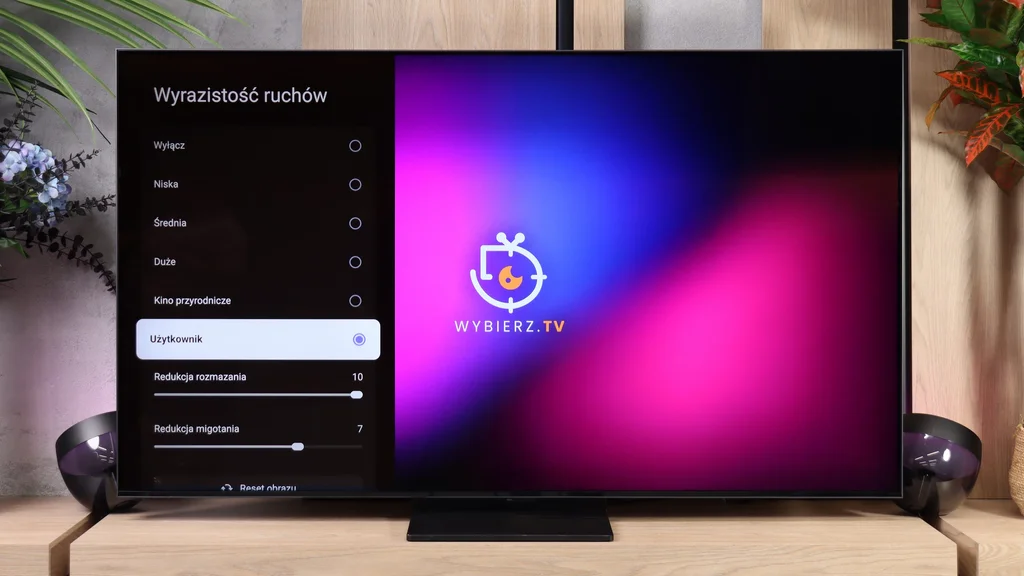
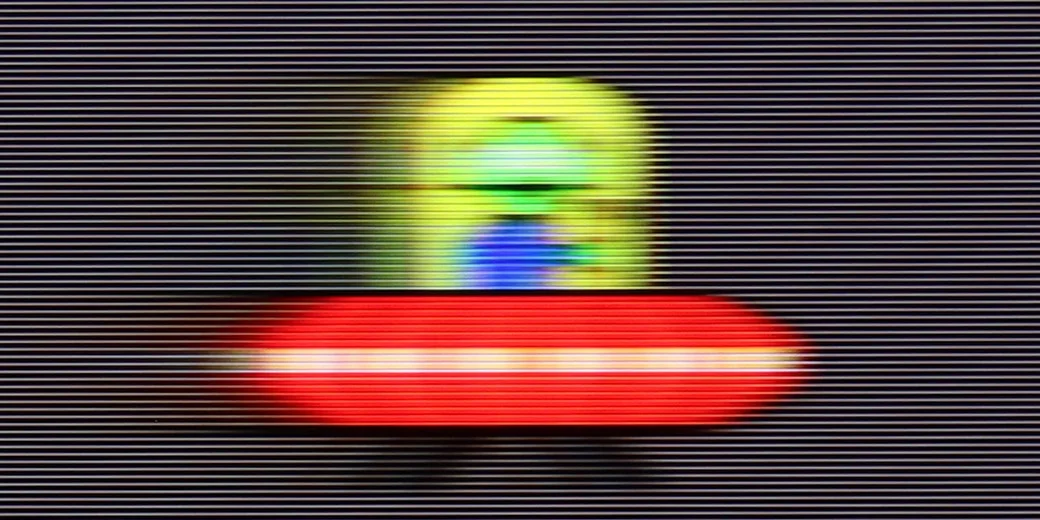
TCL A400U has a 144 Hz panel, so it's well suited for sports and gaming. For movies you can further tune motion handling using the "Motion Clarity" settings. There are two sliders: "Blur Reduction" and "Flicker Reduction". They help improve the legibility of fast motion and smooth out abrupt camera pans. You don't need to set them high right away, especially if you want to keep a cinematic look. The panel's response time is decent, although VA smearing is noticeable. In the UFO test at 120 Hz a blurred trail remains behind the object and its fine details lose sharpness. These aren't extremely long smears, but it's certainly not at the level of the best LCD panels on the market. The BFI (black frame insertion) function, which uses short interruptions in the image to improve perceived sharpness in motion, doesn't change much here. Instead, double contours appear, so it's hard to call it particularly useful. However, the brightness drop after enabling it is small, about 14%, so it's worth experimenting with on your own.
Blur (native resolution, maximum refresh rate):



Blur (BFI function enabled):


Blur (1080p@288Hz):


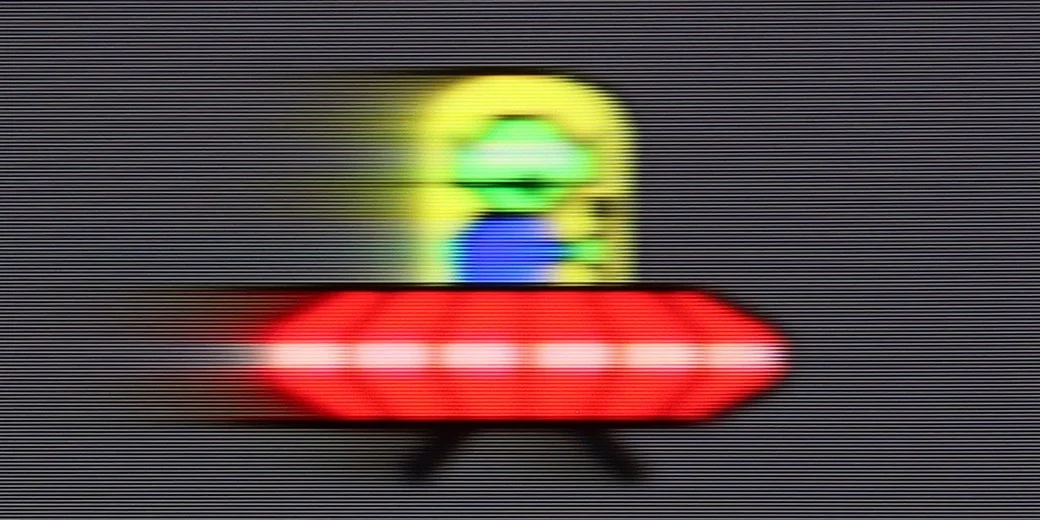
The 288 Hz mode available from a PC when the resolution is lowered to Full HD looks interesting. In the UFO test the object's shape and details become clearer, which at 120 Hz were blurred. There is still some ghosting, especially on dark backgrounds, but the improvement in motion clarity is significant. It's a sensible option for fast-paced games if you care more about smoothness than image detail, which you wouldn't notice from a very large distance from the screen anyway.
TCL A400U - Console compatibility and gaming features
9.8/10
- ALLM:
Yes
- VRR:
Yes
- VRR range:
48 - 288Hz
- Dolby Vision Game Mode:
Yes
- Correct implementation of HGIG:
Yes
- 1080p@120Hz:
Yes
- 1440p@120Hz:
Yes
- 4K@120Hz:
Yes
- Game bar:
Yes
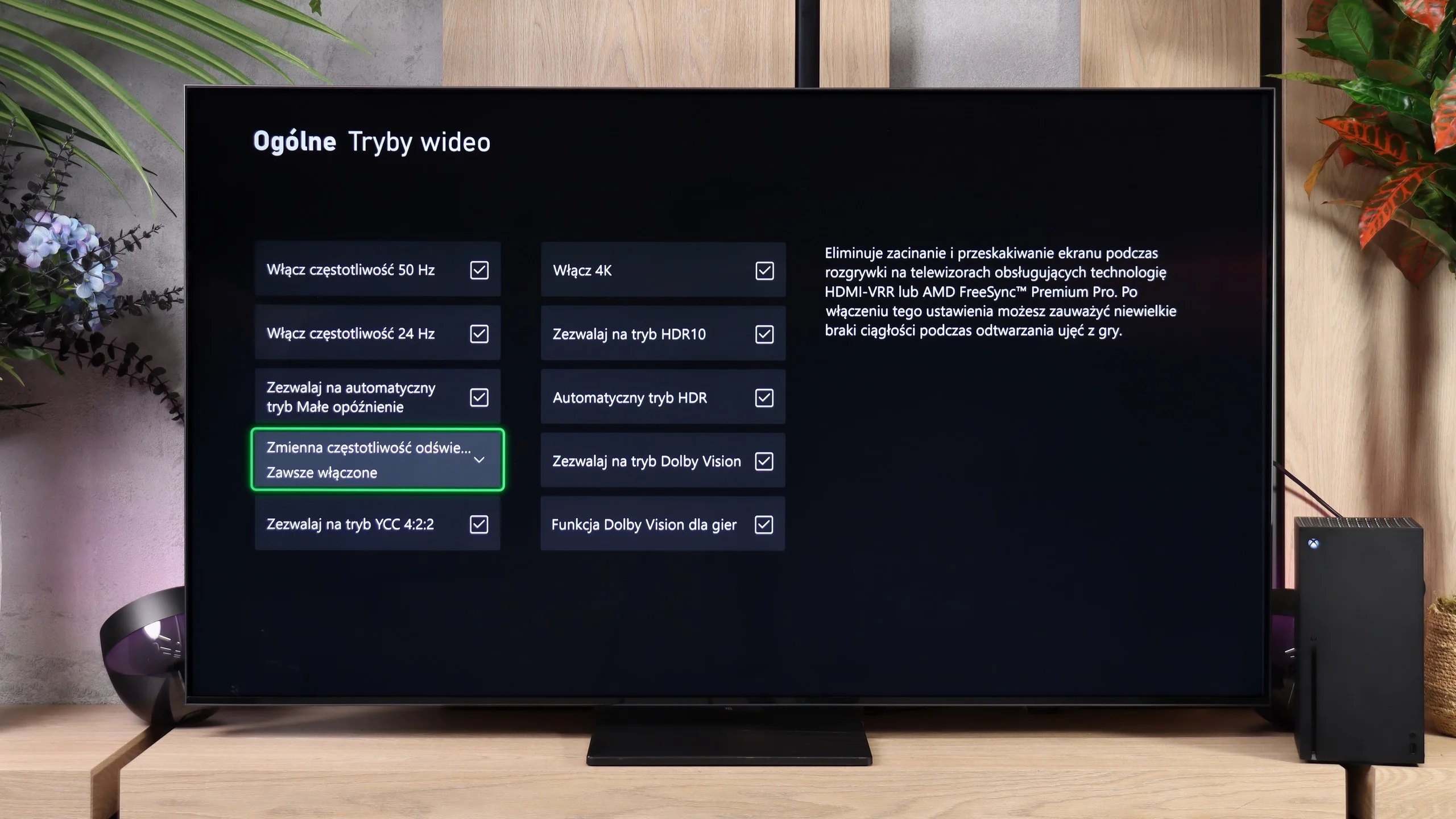
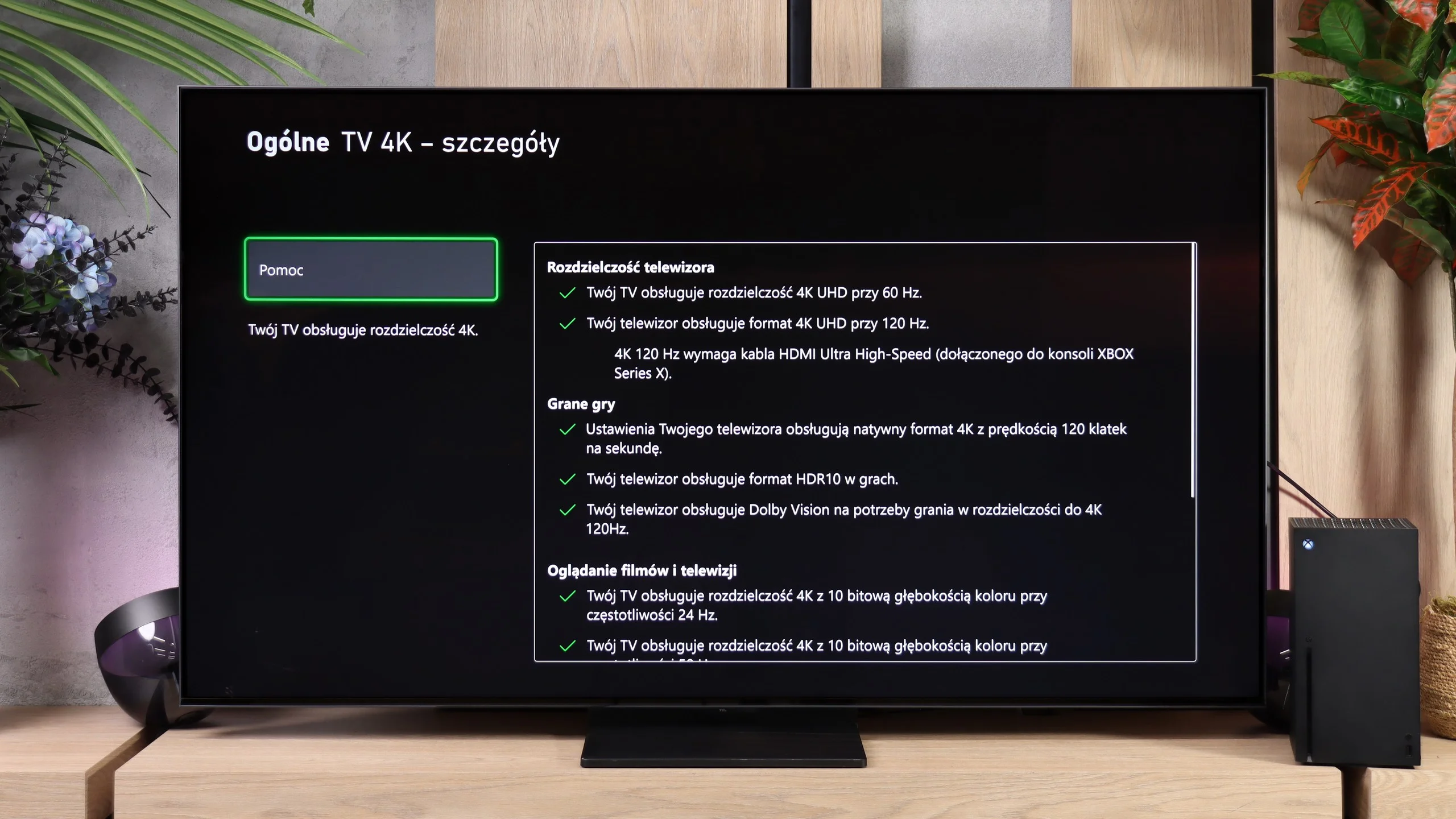
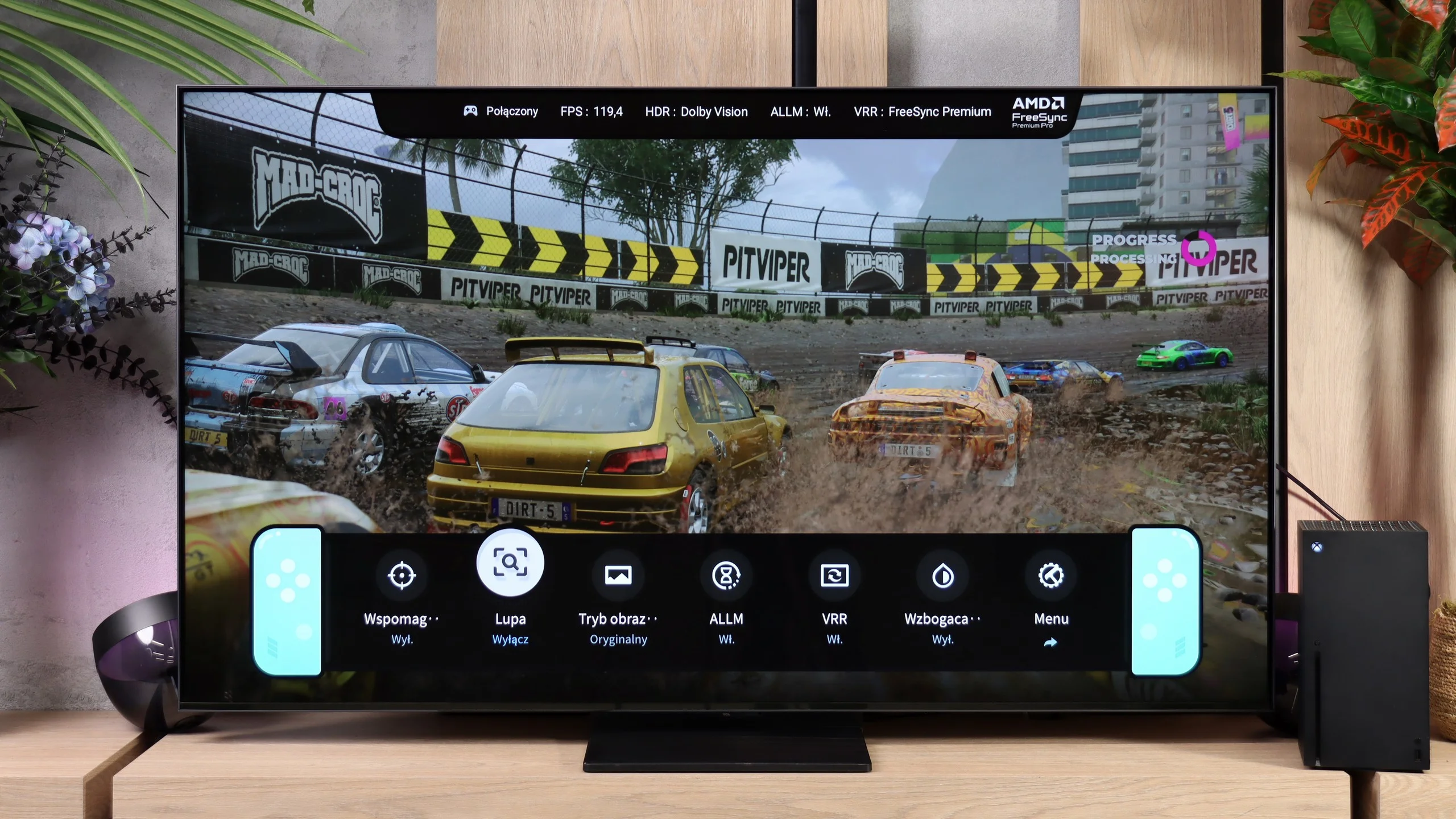
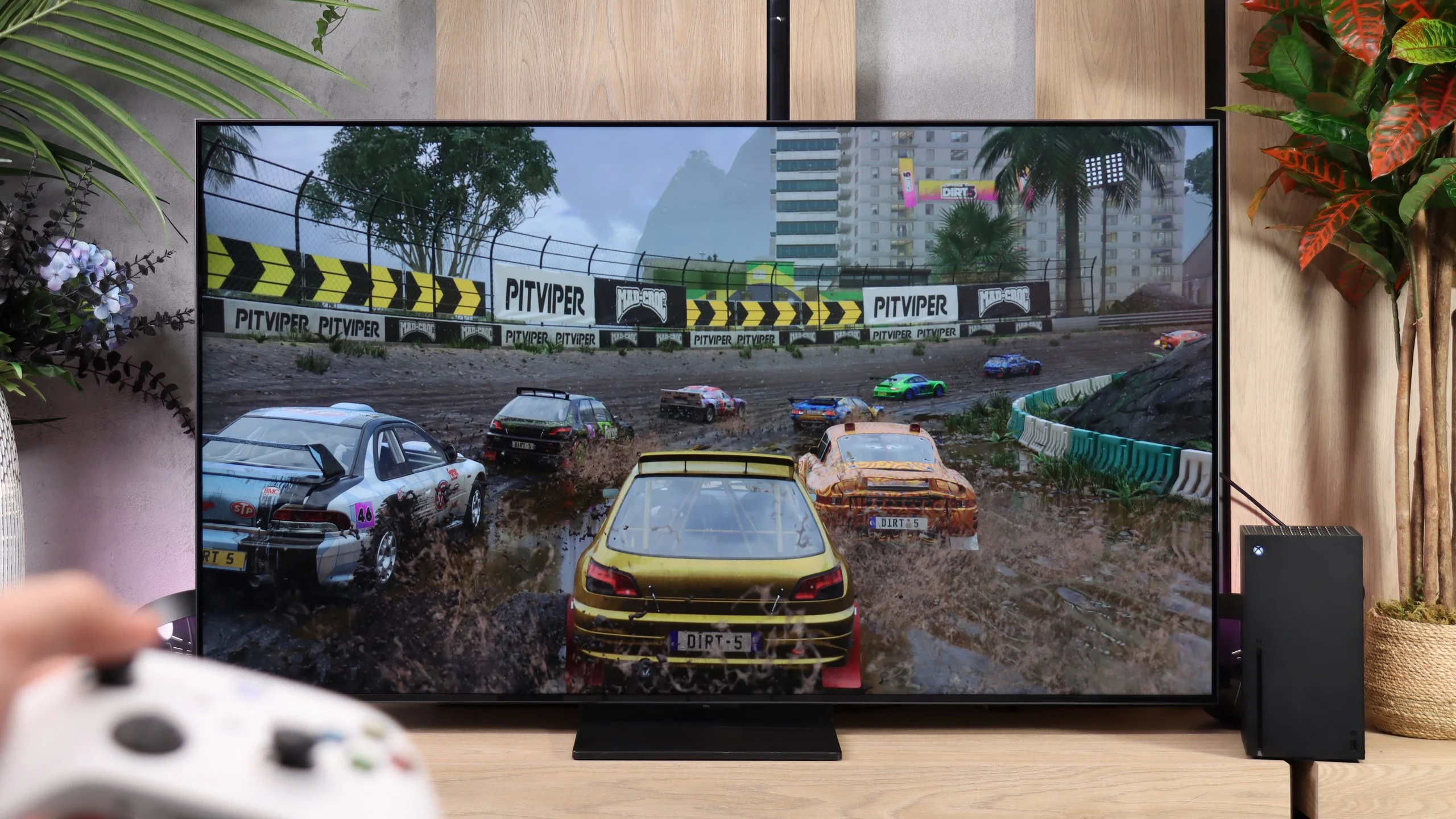
TCL A400U has very extensive features for gamers, even though its look suggests a TV for an elegant living room. It supports 120 Hz in Full HD, 1440p and 4K, so it lets you take advantage of the high-refresh modes available on consoles. When connected to a PC you can get 144 Hz at 4K or even 288 Hz at Full HD. In fast-paced games this gives you plenty of freedom to choose between image detail and smoothness. There’s also VRR, which matches the refresh rate to the frame rate and limits screen tearing when a game doesn’t maintain steady performance. Its range is 48–288 Hz, with the top value applying to Full HD. ALLM automatically switches the screen to game mode, and Xbox users can use Dolby Vision at 120 Hz. The properly working HGiG implementation deserves praise. It lets you set HDR on the console without the TV further altering the test pattern and making it hard to judge when the pattern should disappear. That doesn’t mean the picture brightness in game mode is perfect, as we noted during calibration, but the HDR setup proceeds correctly. The package is rounded out by a clear Game Bar. You can quickly check the frame rate, the active HDR format, and VRR status, and access extra tools like a crosshair and a magnifier. The most important options are at hand without going into the full settings menu.

TCL A400U - Input lag
10/10
The A400U responds to controller inputs very quickly. At 60 Hz the delay is 13 to 14 ms, and at 120 Hz it falls to 8 to 9 ms in SDR and HDR10. Those are excellent results, also for fast-paced shooters and online multiplayer games. Dolby Vision is just as good: 14 ms at 60 Hz and 10 ms at 120 Hz, meaning using that format doesn't noticeably worsen control responsiveness. In terms of input lag, there's really nothing to complain about here.
| SDR | HDR | Dolby Vision |
|---|---|---|
| 1080p60: 14 ms | 2160p60: 13 ms | 2160p60 DV: 14 ms |
| 1080p120: 9 ms | 2160p120: 8 ms | 2160p120 DV: 10 ms |
| 2160p60: 14 ms | ||
| 2160p120: 9 ms |

TCL A400U - Compatibility with PC
8.5/10
Chroma 444 (max. resolution and refresh rate): Yes
Font clarity: Very Good
Readability of dark text and shapes: Average
Input lag in PC mode (4K, max. refresh rate): 9ms
Matrix subpixel arrangement: RGB
Max refresh rate: 144Hz
G-Sync: Yes
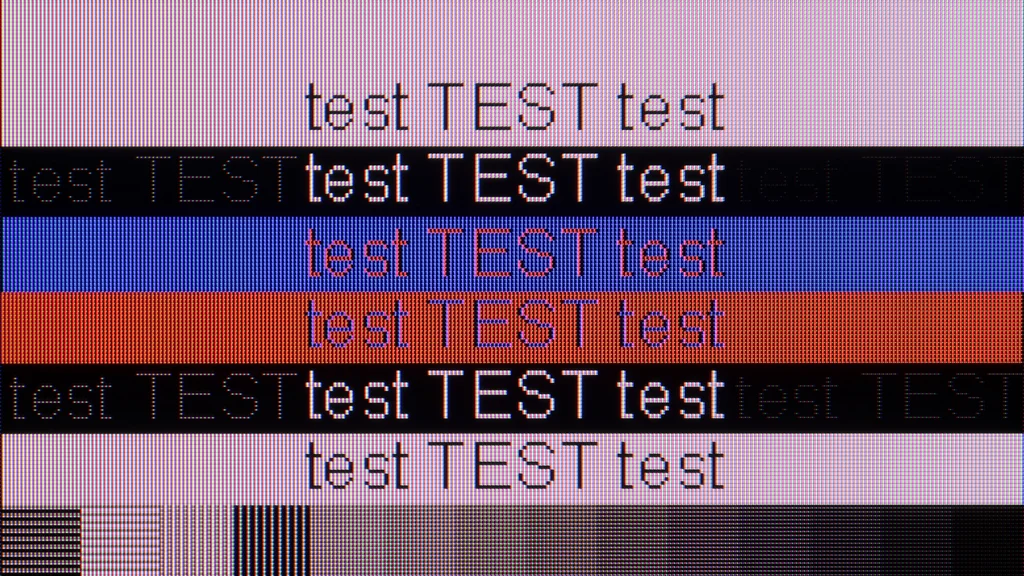
The TCL A400U works very well with a PC, mainly thanks to its extensive gaming capabilities. Support for 4K at 144 Hz and 288 Hz in Full HD, working G-Sync, and input lag of around 9 ms allow comfortable play even in fast-paced titles.
However, text readability depends on the selected refresh rate. At 120 Hz fonts look nearly perfect, regardless of size or color. Switching to 144 Hz introduces an issue with the horizontal strokes of letters, especially darker ones. They are noticeably dimmer than the vertical strokes, which makes small text appear uneven, despite retaining 4:4:4 chroma. If the A400U is also going to be used as a work monitor, it's best to stick with 120 Hz and only enable higher refresh rates for gaming. It's a minor inconvenience, but mainly affects people who sit close to the screen and work with small fonts. When gaming or using a PC from the couch it won't be a big problem.
TCL A400U - Viewing angles
3.6/10
Brightness drop at an angle of 45 degrees: 79%
Viewing angles are not the strongest suit of the TCL A400U. The VA panel handles black levels well when viewed straight on, but from the side colors lose saturation and the image loses contrast. It’s not the worst result among TVs with this type of panel, but with a wider sofa setup the difference between a center seat and one at the edge will be noticeable. It clearly falls short compared to IPS screens, and even more so compared to OLEDs. The A400U is therefore best watched straight on if you want to maintain full color saturation and good black levels.
TCL A400U - Daytime performance
8.5/10
Panel finish: Glare
Reflection suppression: Poor
Black levels during daytime: Very Good
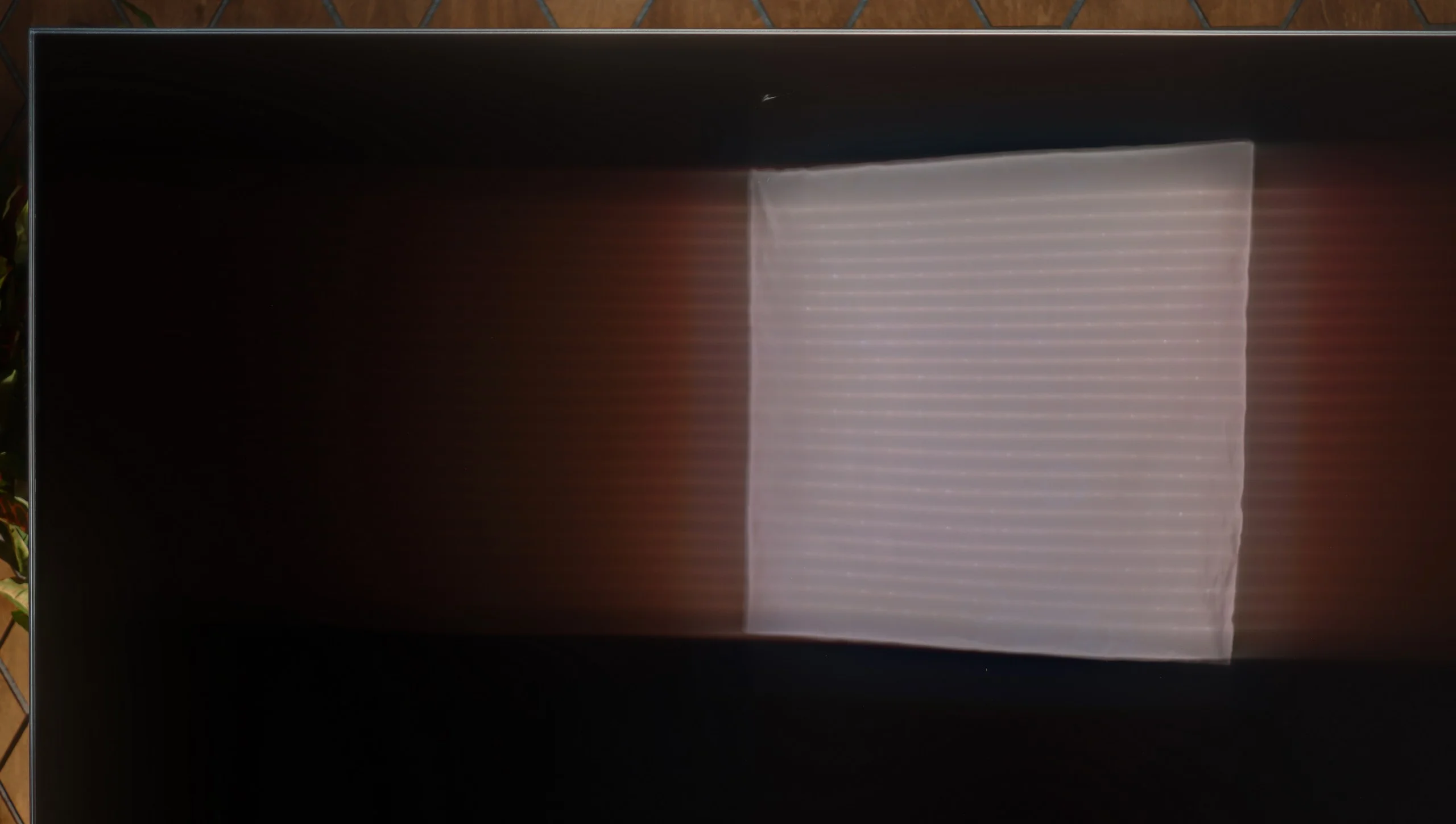
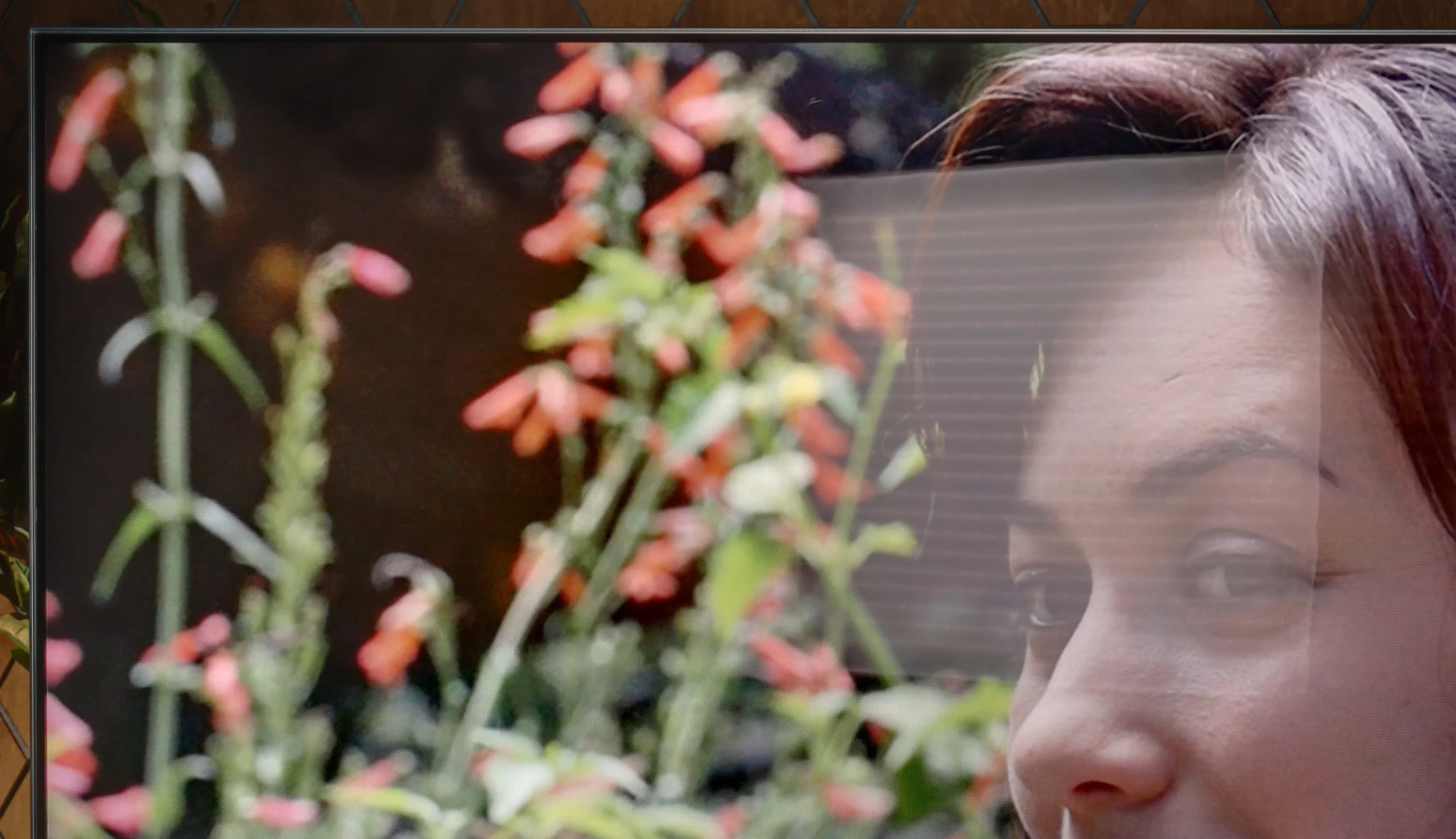
Televisions meant to serve as interior decoration often have matte screens that reduce reflections and help achieve a picture-on-the-wall look. The TCL A400U takes a different approach. It has a fully glossy coating that unfortunately shows clear reflections of windows and lamps. You notice this while watching, especially when a bright reflection falls on a darker part of the movie. On the plus side, it preserves blacks and colors in a well-lit room. The image doesn’t become washed out and colors remain well saturated.
The A400U’s biggest daytime advantage, however, is its brightness. Measurements averaged about 1,300 nits, and even with the entire screen filled with white the TV maintained around 700 nits. That’s a very good result, allowing comfortable viewing even in a brightly lit living room. You just need to choose the screen’s placement sensibly. The A400U has enough power to handle a bright environment, but it won’t eliminate reflections from a large window positioned directly opposite it.
Panel brightness
TCL A400U: 1227 cd/m2
TCL A400U - TV features
7.8/10
System: Google TV
System performance: Good
- HDMI inputs: 2 x HDMI 2.0, 2 x HDMI 2.1 48Gbps
- Outputs: Toslink (Optical audio), eARC (HDMI), ARC (HDMI)
- Network Interfaces: Wi-Fi 2.4GHz, Wi-Fi 5GHz, Ethernet (LAN) 100Mbps
- TV reception: DVB-T, DVB-T2, DVB-S, DVB-S2, DVB-C
Classic features:
 Recording to USB (terrestrial TV): No
 - Recording programming: No
- Picture in Picture (PiP): No
- RF remote control (no need to aim): RF
- Backlit remote control: No
- Teletext: Yes
- Audio only mode: Yes
- Bluetooth headphones support: Yes
- Simultaneous Bluetooth headphones & TV audio: Yes
Smart features:
- AirPlay: Yes
- Screen mirroring (Windows Miracast): Yes
- Voice search: Yes
- Voice search in native language: Yes
- Ability to connect a keyboard and mouse: Yes
Google TV
Google TV on the A400U runs smoothly and makes it convenient to use the TV without connecting an external set-top box. There’s a wide selection of apps, so it’s easy to find something to watch, and voice search in Polish is handy when looking for a specific movie. Instead of painstakingly entering each letter with the remote, you can just say the title. You can also cast content from your phone to the screen without much trouble. Viewers of traditional TV get slightly fewer options. The lack of USB recording means you can’t save a favorite program for later without an external decoder.
Practical features
The A400U has a few useful conveniences. For example, you can connect Bluetooth headphones while keeping the TV speakers on. There are some omissions, though, especially for people who use broadcast TV. You can’t record programs to USB, and there’s no picture-in-picture mode to display two sources at once. It’s also worth thinking about connecting additional gear. Of the four HDMI inputs, only two support high refresh rates at 4K, and one of those is also used for audio via eARC. If you use that one for a soundbar, you’ll have only a single such input left for a console or PC. With one console that’s no problem, but with a more elaborate setup you might run out of inputs.
Remote
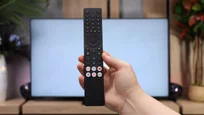
With such a refined look for the A400U, it’s a pity the same attention wasn’t given to the remote. The large plastic housing with lots of buttons looks rather ordinary next to the rest of the TV. A more minimalist remote, like the one in the C8L, would suit this model’s character much better. The A400U is, of course, a cheaper device, but if appearance is one of its main selling points, why not? 😉 The remote itself works well and doesn’t require aiming at the screen, though backlit buttons would be useful in the evening.
Sound connection options
HDMI audio:
Other audio outputs:
- Toslink: Yes
Wireless audio:
- Bluetooth: Yes
Supported audio formats (external HDMI eARC audio):
- Dolby Digital Plus 7.1: Yes
- Dolby True HD 7.1: Yes
- Dolby Atmos in Dolby Digital Plus (JOC): Yes
- Dolby Atmos in Dolby True HD: Yes
- DTS:X in DTS-HD MA: Yes
- DTS-HD Master Audio: Yes
Senior accessibility
- Numeric keyboard on TV: Yes
- Font size adjustment: Yes
- Audio description: Yes
TCL A400U - Apps
9.6/10






















TCL A400U - Playing files from USB
9.4/10
| Maximum photo resolution: | Supported photo formats: |
|---|---|
| 4 Mpix | JPEG |
| 6 Mpix | HEIC |
| 8 Mpix | PNG |
| 10 Mpix | GIF |
| 12 Mpix | WebP |
| 16 Mpix | TIFF |
| 20 Mpix | BMP |
| 24 Mpix | SVG |
| 28 Mpix | |
| 32 Mpix |
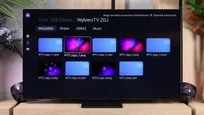
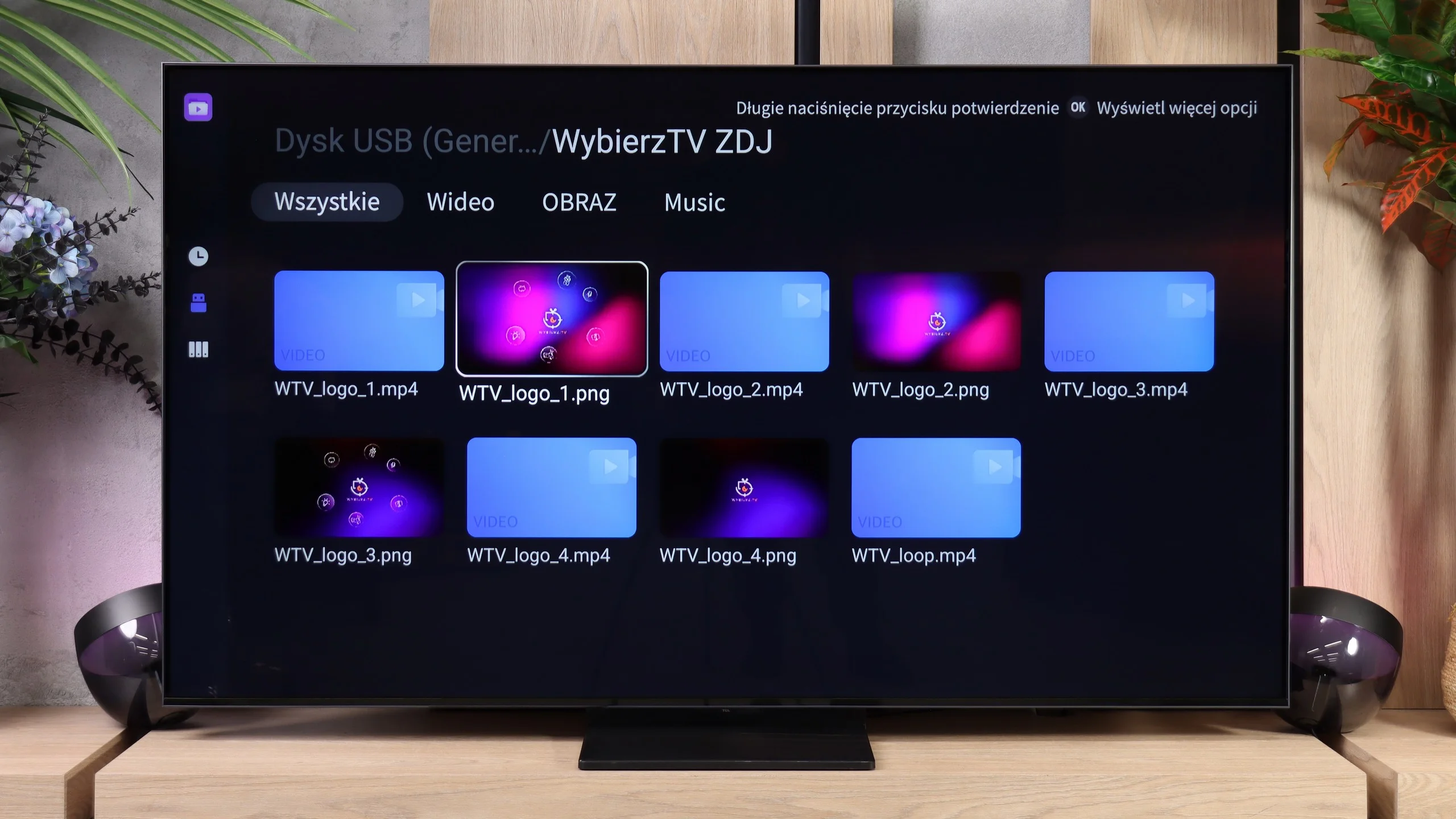
The TCL A400U's built-in USB player performs very well. It opened almost all the video files, photos, and music tracks we tested, so to play your own content from a USB flash drive the TV's out-of-the-box capabilities are usually enough. A small caveat is the lack of support for subtitles in .txt format. If you have an older collection of movies with such subtitles, you may need to convert them or install a different player. There is no problem with common formats like .srt and .sub.
TCL A400U - Sound
6.7/10
82dB
Maximum volume

Supported codecs (TV speakers)
Dolby Digital Plus 7.1
Dolby True HD 7.1
Dolby Atmos in Dolby Digital Plus (JOC)
Dolby Atmos in Dolby True HD
DTS:X in DTS-HD MA
DTS-HD Master Audio
Unfortunately, the sound in the TCL A400U is as flat as its cabinet. The built-in 2.0 speaker system rated at 20 W is enough for watching the news or regular TV programming, but it clearly lacks bass for movies and music. Explosions lack punch, and music sounds rather thin. The slim design comes at a cost, so for watching movies it's worth considering a soundbar, ideally with a separate subwoofer. The TV supports Dolby Atmos and DTS, so additional speakers will also make better use of spatial audio tracks.
Sound Quality Test:
Acoustic Measurements
82dBC (Max)
75dBC
TCL A400U - Panel details
Software version during testing: v8-0012t01-lf1v641.003171
Image processor: mt5896 2,5GB RAM
Panel uniformity and thermal imaging:

Backlight Type: Mini-LED PFS LED

Founder and originator of the "ChooseTV" portal

Journalist, reviewer, and columnist for the "ChooseTV" portal

michal-woloszyn-title
Reader comments
Comments are provided by the external service Disqus (Zeta Global). Once loaded, Disqus may set cookies and process data about your activity.
We will remember your choice on this device. Provider's privacy policy
See articles related to TCL A400U:
 2/22/2026
9/14/2026
3/6/2025
7/9/2026