- Matching (Score) |
- Our verdict |
- Competing TVs |
- TV appearance |
- Where to buy |
- Contrast and black detail |
- HDR effect quality |
- Factory color reproduction |
- Color reproduction after calibration |
- Smoothness of tonal transitions |
- Image scaling and smoothness of tonal transitions |
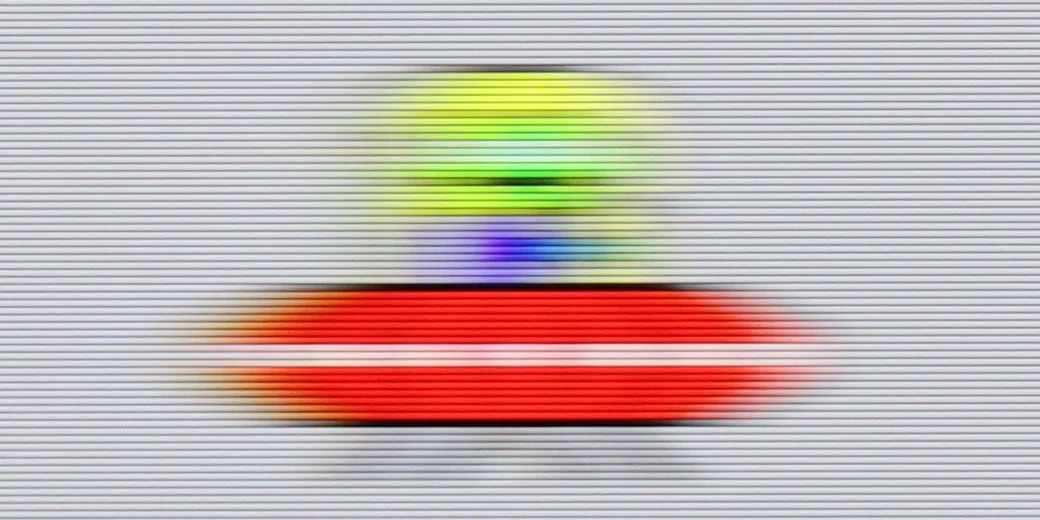
- Blur and motion smoothness |
- Console compatibility and gaming features |
- Input lag |
- Compatibility with PC |
- Viewing angles |
- Daytime performance |
- TV features |
- Apps |
- Playing files from USB |
- Sound |
- Panel details
TCL P7L / P79L Review
P7L / P79L

Available screen sizes:
Complete the survey to find out the result
Panel type: LCD VA Refresh rate: 60Hz Brand: TCL Resolution: 3840x2160 System: Google TV Model year: 2026
This review is an English translation of the Polish original. Read the original on Wybierz.tv.
The TCL P7L is one of the manufacturer's cheapest TVs in its 2026 lineup. Chinese brands have long competed hard on price, but in this case that matters especially, because we're talking about a truly budget model aimed mainly at people who just want a large screen for as little money as possible. Despite the low price, TCL still tries to add a few elements that sound quite attractive on paper. The P7L is marketed as a QLED TV, and the manufacturer also adds a few features aimed at gamers. So the main question is: what do you actually get for such a low price, and where did TCL have to make compromises?
TCL P7L - Our verdict
6.3
Overall rating
The TCL P7L is a successful budget TV that shows you can get more than just a basic screen for not much money. It doesn't match pricier Mini LEDs or OLEDs, but in its class it has a lot to offer. The VA panel delivers decent black levels and contrast, so during evening viewing the picture doesn't look as flat as on many cheap IPS models. Colors also perform well after calibration. For watching movies and TV shows it's a solid foundation, and Google TV provides access to a wide range of apps and streaming services. The biggest surprise is its gaming capabilities. The P7L responds quickly to controller input, supports VRR and automatically switches to game mode. It even offers Dolby Vision Gaming and a Game Bar with settings at hand. What's more, by lowering the resolution to 1080p or 1440p you can play at 120 Hz. In 4K you’re limited to 60 Hz, so you have to choose between more detail and smoother motion, but it's good that at this price you even have that option.
TCL also handles lower-quality sources quite well. Lower-resolution content looks acceptable, and the gradient-smoothing feature actually helps reduce visible banding between shades. The way it displays HDR is also commendable. The TV sensibly adapts content to its capabilities and tries to preserve detail in bright areas instead of turning them into blown-out white patches. Dolby Vision helps here, often producing noticeably better results than HDR10. That doesn't mean the HDR effect itself is breathtaking. The P7L's biggest limitation is brightness. Small highlights and reflections don't have the same punch you'd see on pricier screens, even if their detail remains visible. For the same reason the TV fares worse in a very sunlit living room. It performs much better in a moderately lit room.
So the P7L has its limits, but it's hard to argue with its value for money. It's suitable for everyday viewing, doesn't limit app choice, and offers surprising freedom for gaming. If you're looking for an affordable TV and can accept its flaws, the TCL P7L is a model worth considering.
Advantages

Good contrast thanks to a VA panel
Rich colors, QLED (PFS)
Supports Dolby Vision and HDR10+
Supports audio formats: Dolby Atmos and DTS:X
Advanced gaming features: VRR and ALLM
Low input lag
120Hz support at lower resolutions
Google TV with a wide selection of apps
Disadvantages

Low brightness
Poor viewing angles
Average sound quality
 Movies and series in UHD quality
5.8
 Classic TV, YouTube
6.0
 Sports broadcasts (TV and apps)
5.7
 Gaming on console
7.3
 TV as a computer monitor
5.8
 Watching in bright light
5.2
 Utility functions
7.0
 Apps
Apps9.6
 Sound quality
6.2
Complete the survey to find out what fits your preferences
TCL P7L - Competing TVs in this price range
TCL P7L - TV appearance
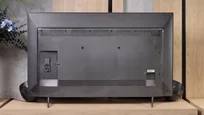
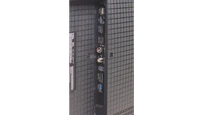
HDMI inputs: 3 x HDMI 2.0, 0 x HDMI 2.1 Outputs: Toslink (Optical audio), eARC (HDMI), ARC (HDMI) Network Interfaces: Wi-Fi 2.4GHz, Wi-Fi 5GHz, Ethernet (LAN) 100Mbps
Build quality: Average
Stand type: Legs
Bezel color: Graphite
Stand: Fixed
Flat design: No
Accessories: Stand
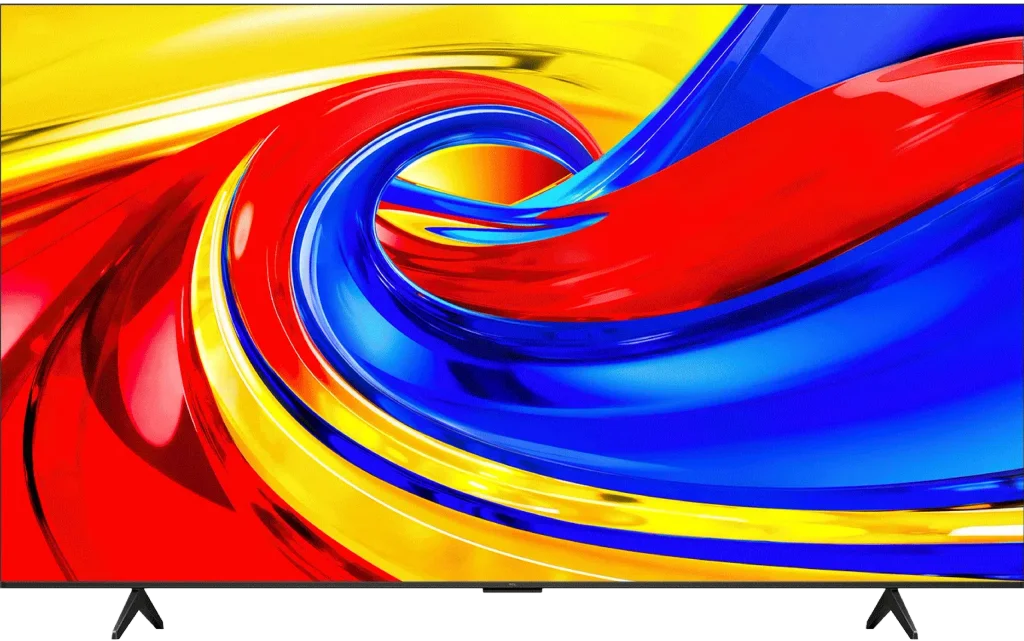
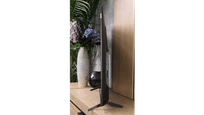
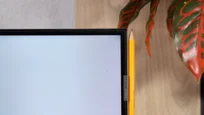
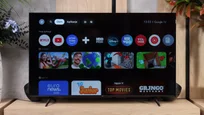
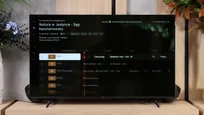
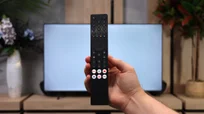
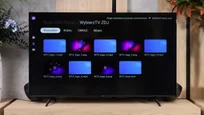
TCL P7L looks exactly as you’d expect from an inexpensive TV. The design is simple and fairly budget-oriented, without any elements that would particularly set it apart from the competition. On the plus side, there are three slim bezels around the screen, which make the front look quite neat. An interesting detail is a small "Premium QLED" badge placed in the right corner of the screen. Other than that, there aren't many stylistic flourishes to be found. It's a run-of-the-mill TV where a low price is clearly prioritized over looks.
Buy at the best price
Select size:

TCL P7L - Contrast and black detail
6.1/10
Local dimming function: No


Result
7,550:1

Result
7,350:1

Result
5,150:1

Result
6,600:1

Result
4,250:1

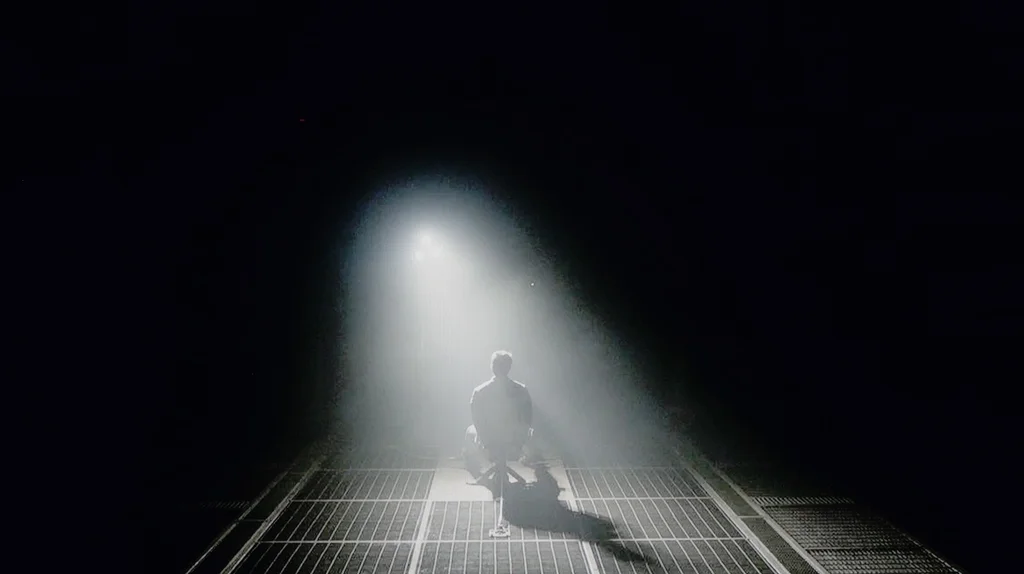
The TCL P7L can surprise with quite respectable blacks, mainly thanks to its VA panel. The panel alone offers contrast around 4500:1, clearly better than typical IPS screens. The TV also uses global backlight control, which lets it push black levels even lower in darker scenes, and in our measurements it delivered results that exceeded the panel's native capabilities.
However, this is not the local dimming found in Mini LED TVs. The P7L cannot dim small areas of the image independently, so when a bright element appears on-screen, the entire backlight has to operate at a similar level. In more demanding scenes the difference compared with models that use zone dimming becomes apparent fairly quickly, and in a completely dark room blacks can tend to lean toward navy blue. Despite these limitations, we rate the P7L's overall contrast positively, especially given the segment it's in.
TCL P7L - HDR effect quality
4.5/10
Supported formats: HDR10, HDR10+, Dolby Vision, HLG
Luminance measurements in HDR:

Result
250 nit

Result
300 nit

Result
368 nit

Result
297 nit

Result
347 nit
The biggest limitation of the TCL P7L in HDR is simply brightness. The TV doesn't have a large luminance headroom, so strong highlights, sunlight, or small light sources can't clearly "pop" out of the image. As a result, even well-produced HDR material looks fairly restrained and in terms of dynamic range is closer to good SDR than to what brighter models show. That doesn't mean the P7L can't handle HDR at all — the issue is mainly a lack of sufficient backlight power.
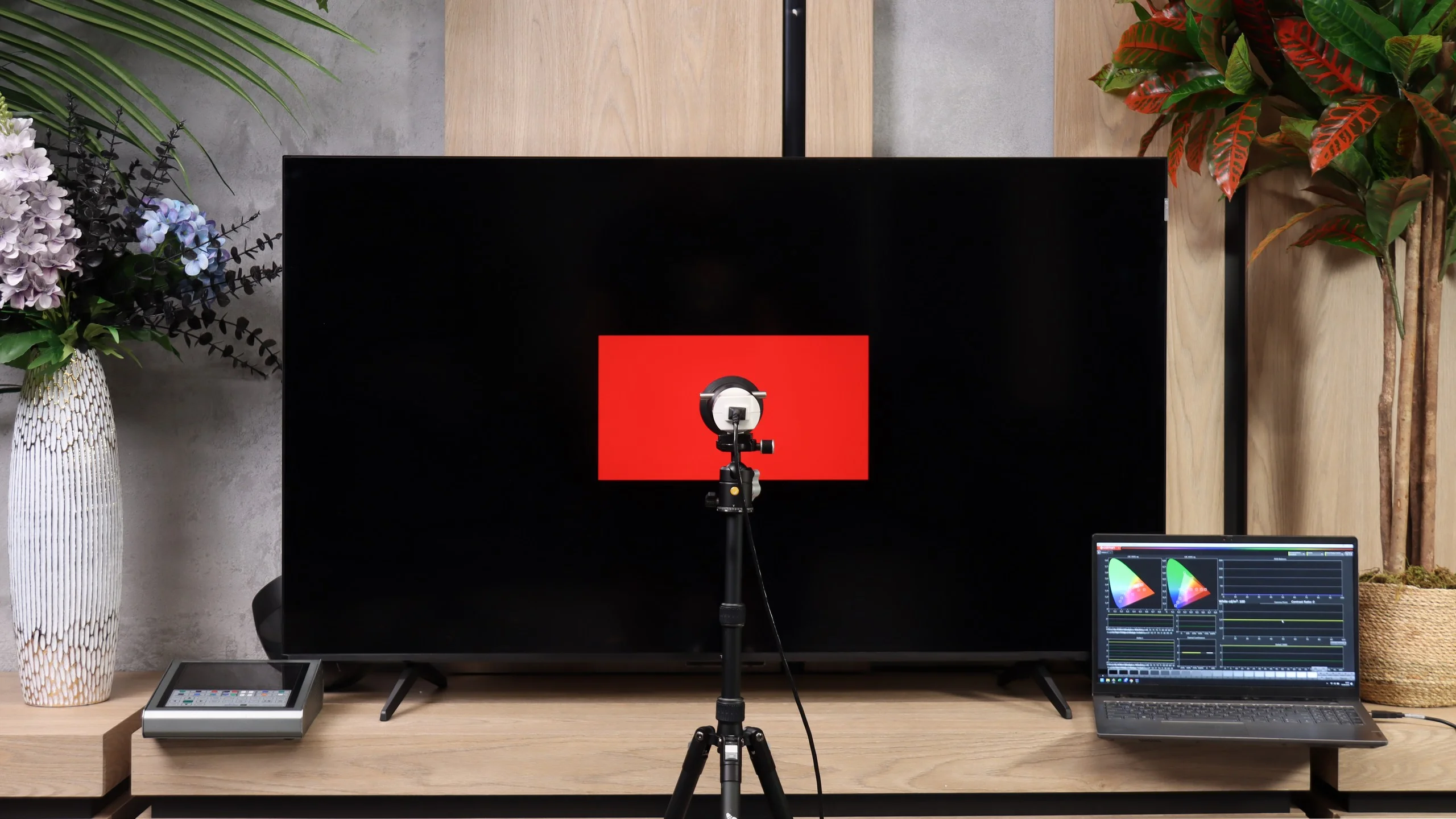
Looking at color, the situation is a bit better. The TV covers about 91% of the DCI-P3 gamut and about 68% of the wider BT.2020 color space, so for its price class the color range is quite decent. TCL markets this model as QLED, though the nature of the solution used is closer to a PFS phosphor-based backlight than a classic quantum-dot layer. What matters most to viewers, however, is the result: more saturated colors are available.
BT.2020 color gamut coverage and primary color luminance
| Data set | BT.2020 | P3 | R | G | B |
|---|---|---|---|---|---|
| Synthetic patterns | 68.5% | 90.6% | 52% | 52% | 57% |
| Film measurements | 68.3% | 90.7% | 52% | 54% | 60% |
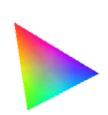 BT.2020
 BT.2020 and P3 – average color gamut coverage (percent of the target gamut).
R, G, B – average primary color luminance relative to target (percent).
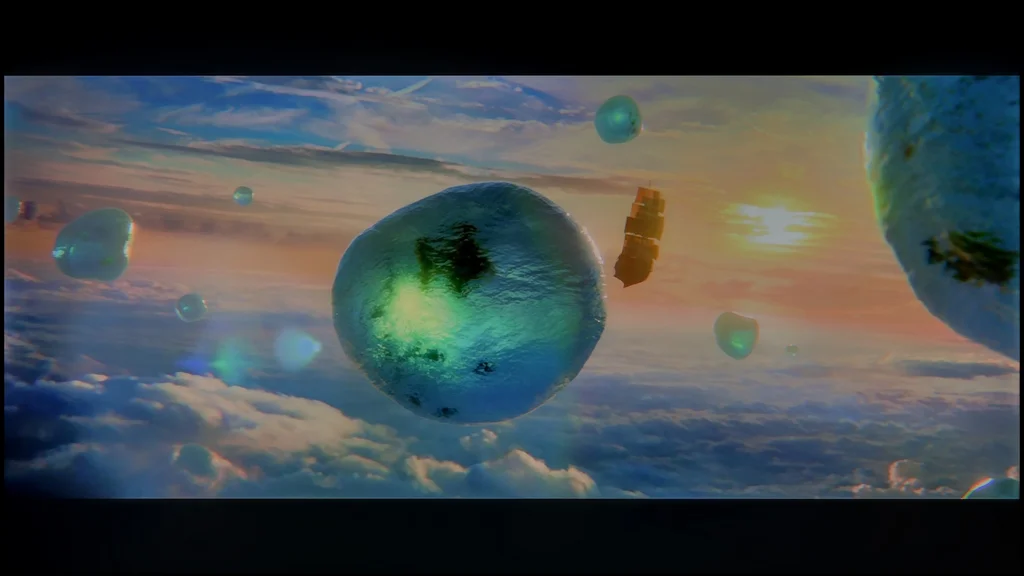
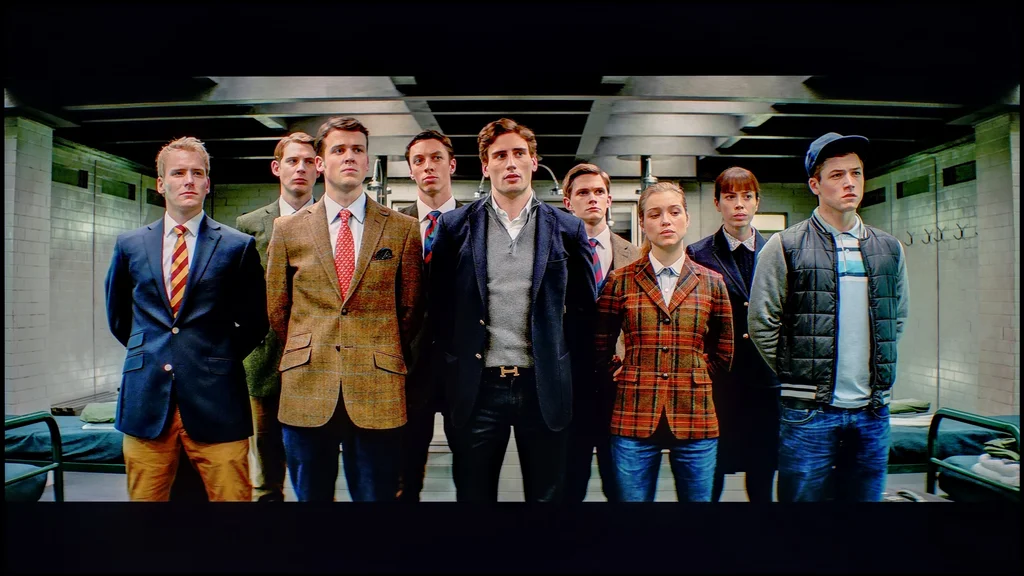
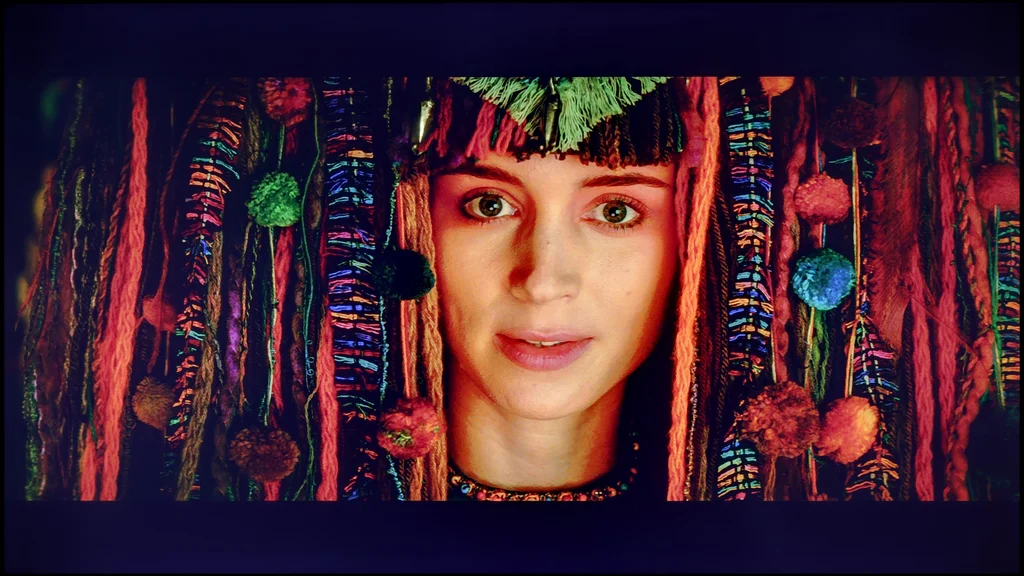
Scene from the movie “Pan” (about 2800 nits)
Scene from the movie “Billy Lynn” (about 1100 nits)
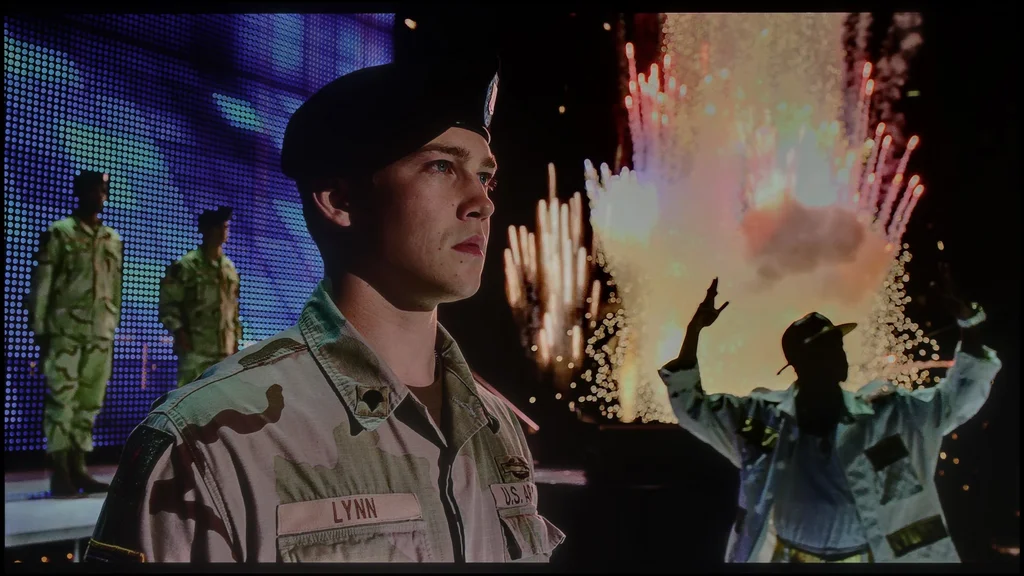
Brightness mapping, on the other hand, performs much better. TCL does a reasonably good job with content mastered for 1000 nits, and even a few thousand nits. With dynamic tone mapping enabled and set to the "detail priority" mode, the TV can preserve a lot of information in the brightest parts of the picture instead of just blowing them out. In scenes like "Pan" or "Billy Lynn" the details in the highlights remain visible, and the processing doesn't turn the whole scene into an artificially dimmed image. This is a well-implemented feature of this model. You just have to remember that even the best mapping won't make up for a lack of brightness. The details are there, but the overall effect still remains fairly dark.
HDR luminance chart:
The P7L also benefits from content with dynamic metadata. This was most evident with Dolby Vision, where the TV could extract noticeably more information from very bright areas than with regular HDR10. A good example is snowy scenes, where static HDR more easily loses subtle transitions in whites, while Dolby Vision recovers more structure and fine detail. With such limited brightness this matters especially, because the TV can’t compensate with luminance alone. That’s why Dolby Vision and HDR10+ are more than just spec-sheet features here. They help the P7L squeeze noticeably more out of its modest HDR capabilities.
Static HDR10

Dynamic: Dolby Vision

Factory color reproduction
5.4/10
In Film mode the TCL P7L performs fairly well without major adjustments, especially with typical SDR material. The white balance is relatively even, although as brightness increases there is a slight rise in red and blue and a bit of a shortage of green. This does not produce a strongly noticeable tint and most colors remain close to their reference points. The ColorChecker confirms this, with a large portion of errors falling below a level that would notably bother viewers during normal watching. We have more concerns about the gamma response. In the darkest parts of the image the TV runs it noticeably above the reference, so some shadow detail can be a little too dimmed. The curve then settles and for much of the range it is close to the intended target. As a result SDR generally looks natural, but in dark scenes the P7L can lose some subtlety. In HDR the factory setting is less precise. As brightness increases an excess of blue becomes more pronounced, making the image look cooler than it should. The number of larger color deviations also grows, particularly in brighter hues. The EOTF curve itself is handled fairly conservatively, with the TV showing the image darker than the reference over a large portion of the range. For a budget model, however, the factory Film mode settings are not bad.
Color reproduction after calibration
7/10
After calibration, the TCL P7L can deliver a really pleasant picture, especially with classic SDR material. We managed to very effectively even out the white balance, and the gamma curve now tracks close to the target value of 2.4. You can also see this in the color measurements, as most errors dropped noticeably, and in everyday viewing it's hard to find any strongly visible inaccuracies. Movies, series, YouTube, or regular TV therefore look more natural, without unnecessary warming or a cool cast. For a model in this price range, the result in SDR is really very good.
With HDR the situation gets more complicated. Calibration helped improve the white balance and tidy up some deviations, but here the panel's limitations become increasingly apparent. The P7L has relatively low brightness and can't maintain appropriate luminance for more saturated colors, so some errors remain even after careful tuning. In other words, settings can improve how the TV interprets the signal, but they can't overcome its physical capabilities. That's why calibration makes the most sense for this model primarily with SDR.
TCL P7L - Smoothness of tonal transitions
7/10
The smoothness of tonal transitions on the TCL P7L is quite good, but not in every scene. In brighter scenes the TV performs really well — changes between consecutive shades are gentle, and in the sky, on light walls, or in subtle gradients it's hard to spot anything that would noticeably interfere with viewing. It gets worse in the darker parts of the image. That's where visible banding between colors and successive gray levels appears more often. In dark scenes you can notice characteristic bands or more pronounced steps where the transition should be smoother. It's not a constant problem, but with lower-quality source material or scenes that contain many midtones it can catch the eye.
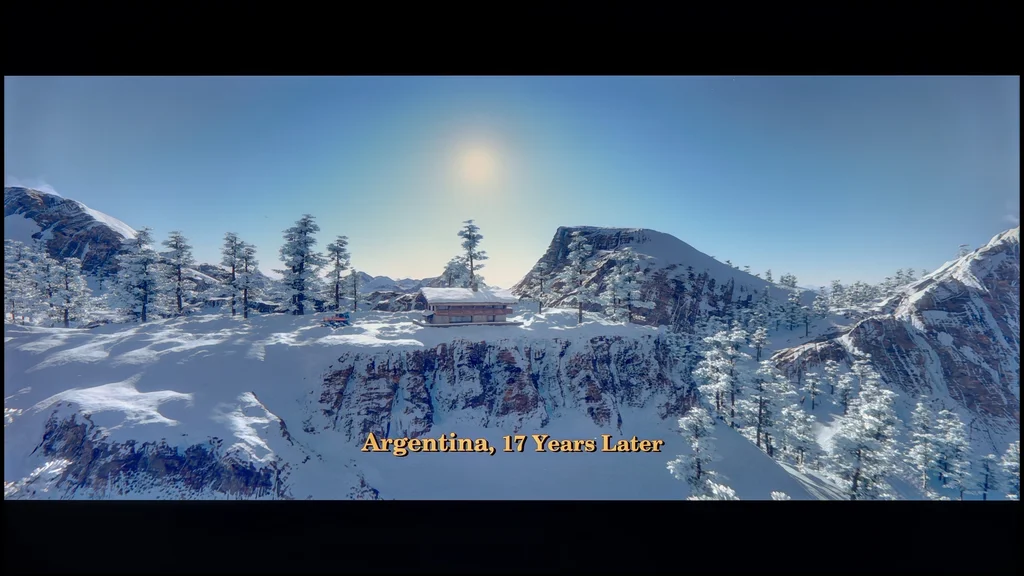
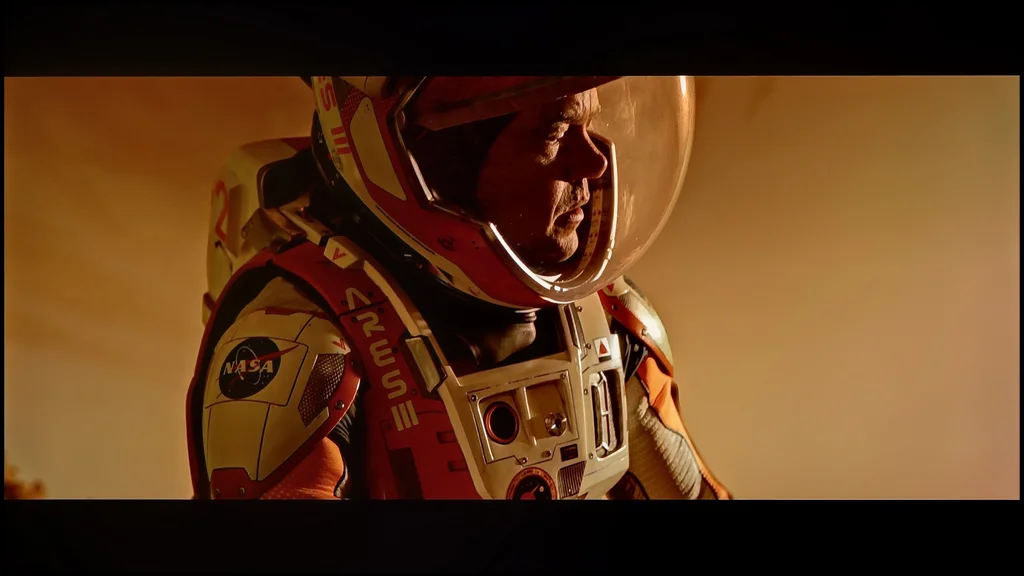
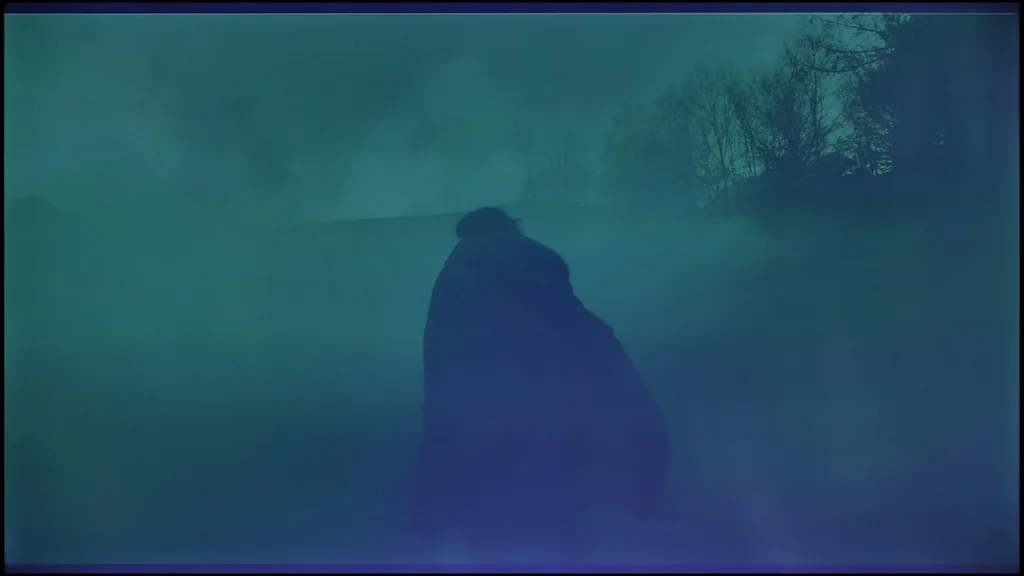
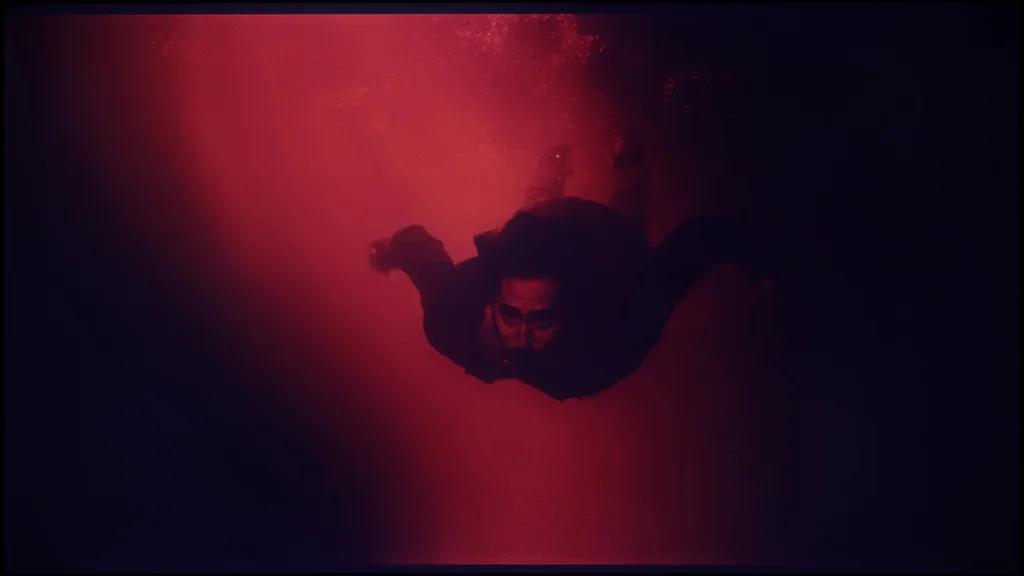
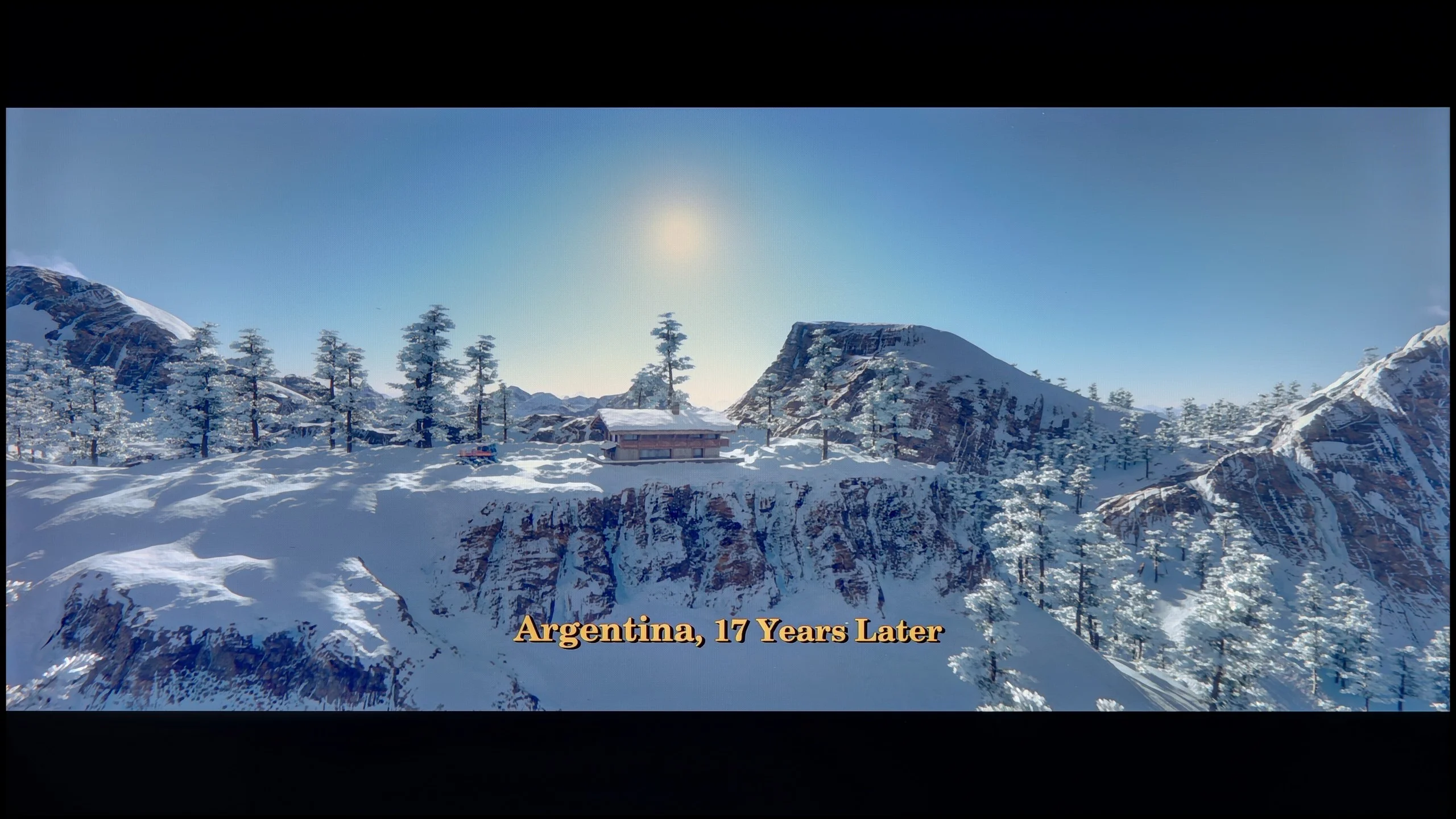
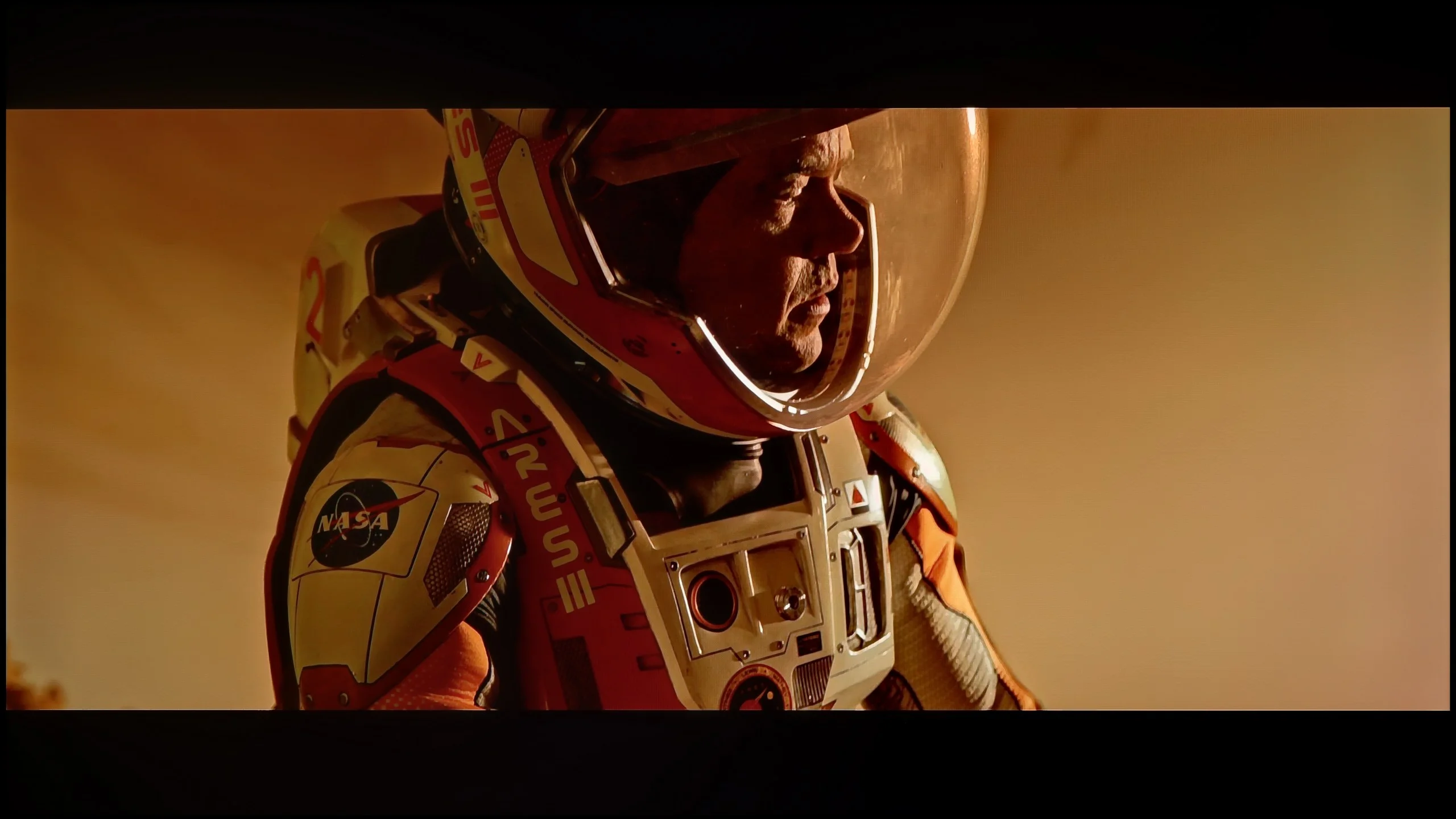
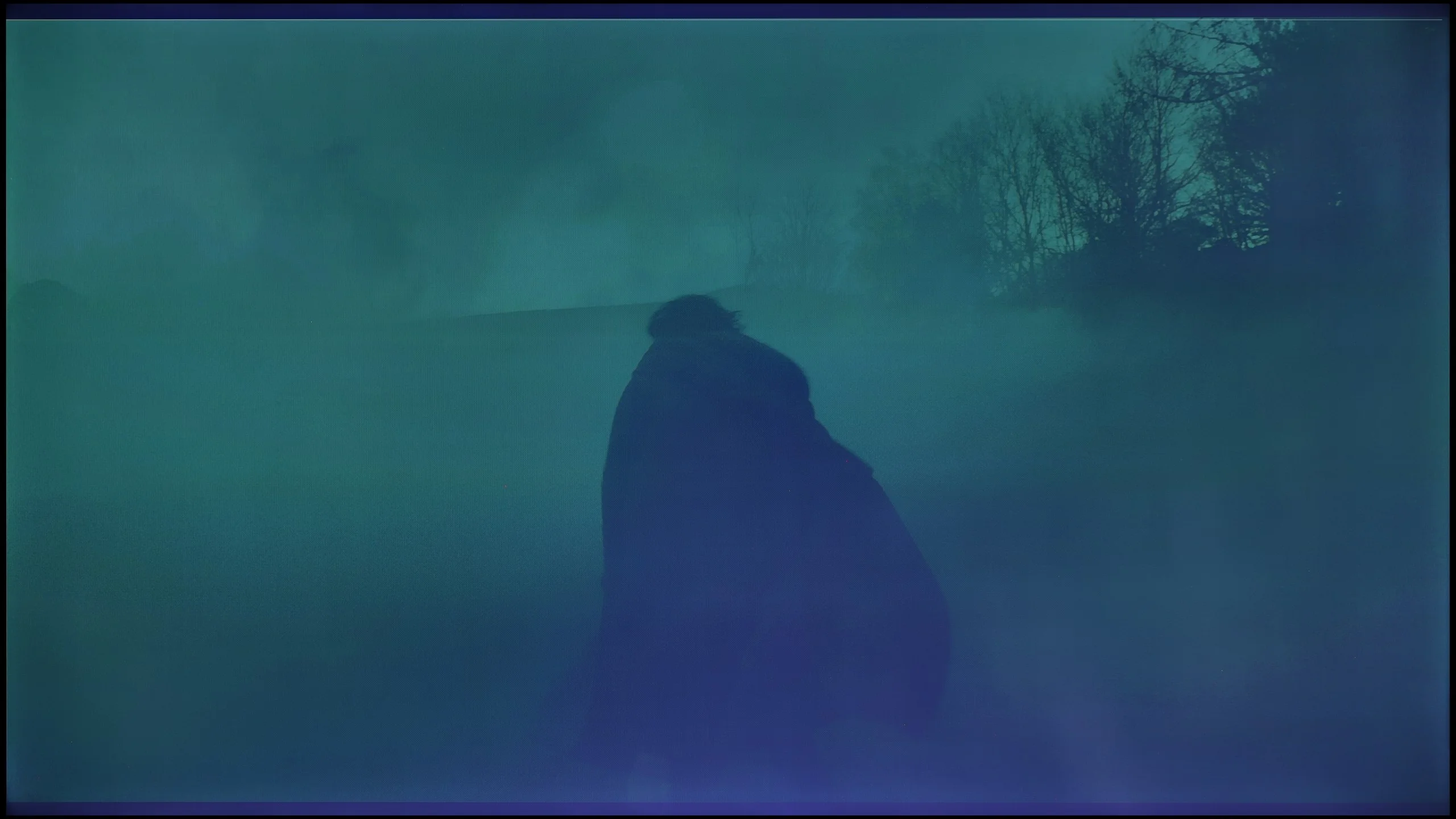
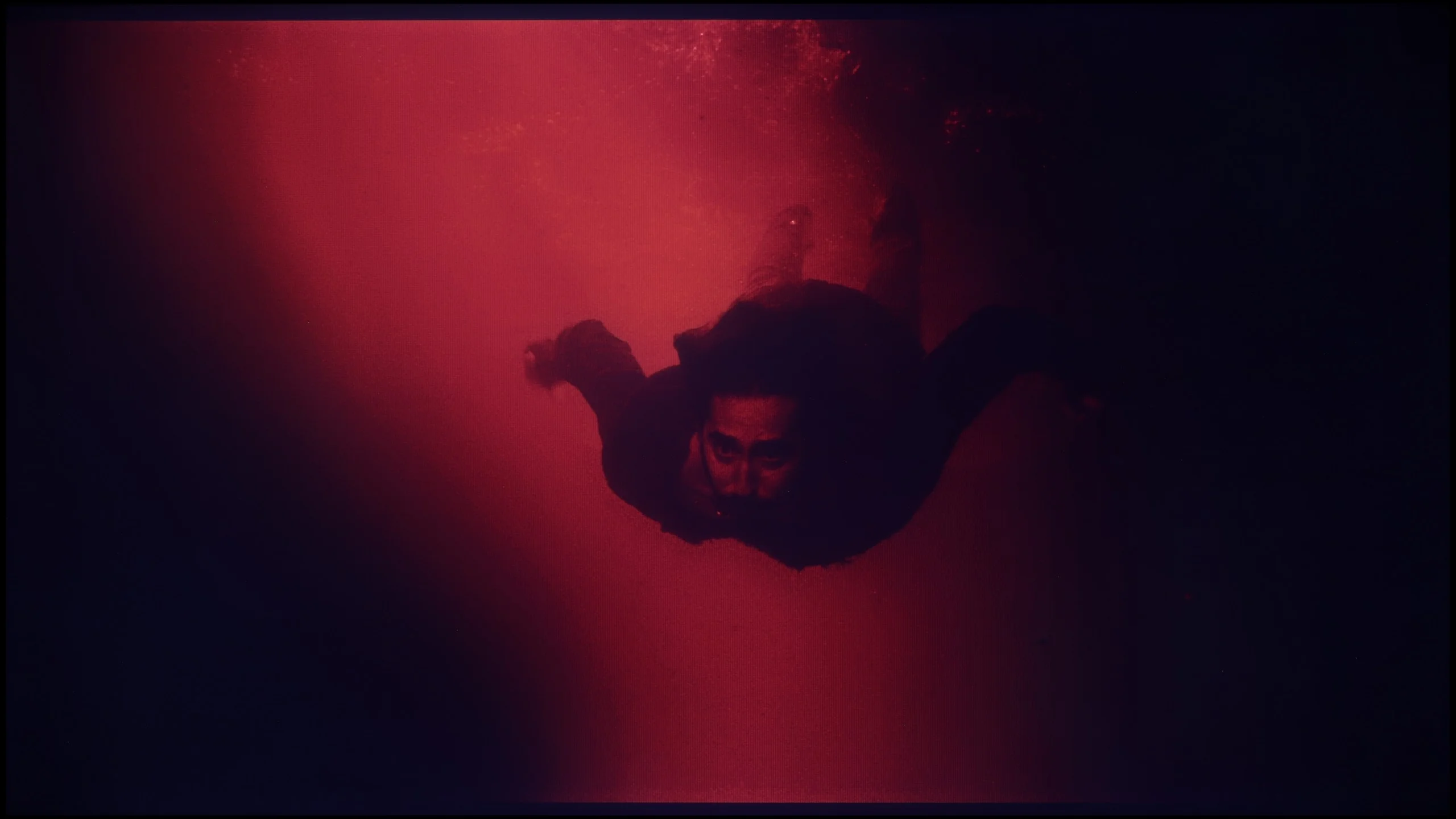
Image scaling and smoothness of tonal transitions
7/10
 Smooth transition function
Image without overscan on the SD signal
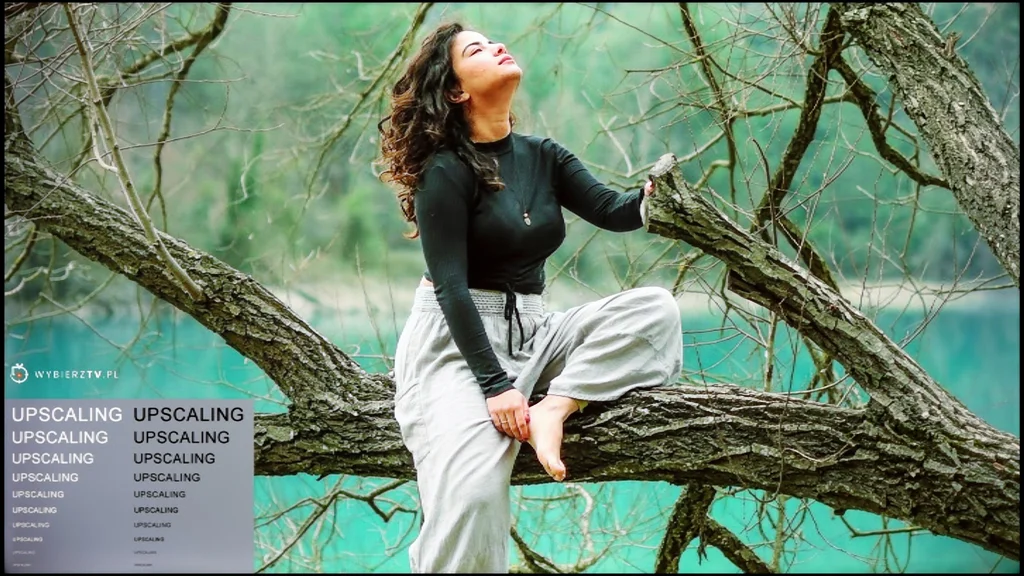
In this regard the TCL P7L performs surprisingly well, especially for such an inexpensive TV. The tonal transition smoothing feature, which in many budget models does little or almost nothing, actually manages to improve the picture here. It doesn't remove all banding completely, but it can noticeably reduce posterization and make trickier gradients look more natural. At this price point that's a genuinely pleasant surprise.
Upscaling itself also performs well. Lower-resolution material is scaled correctly, without excessive sharpening or adding artificial outlines around objects. Of course the P7L won't turn a very poor source into 4K-quality footage, but for regular TV the result is simply solid. For a model in this class there is little to criticize.
TCL P7L - Blur and motion smoothness
5.5/10
Maximum refresh rate of the panel: 60Hz
Film motion smoothing option: Yes
Blur reduction option: No
BFI function 60Hz: No
BFI function 120Hz: No
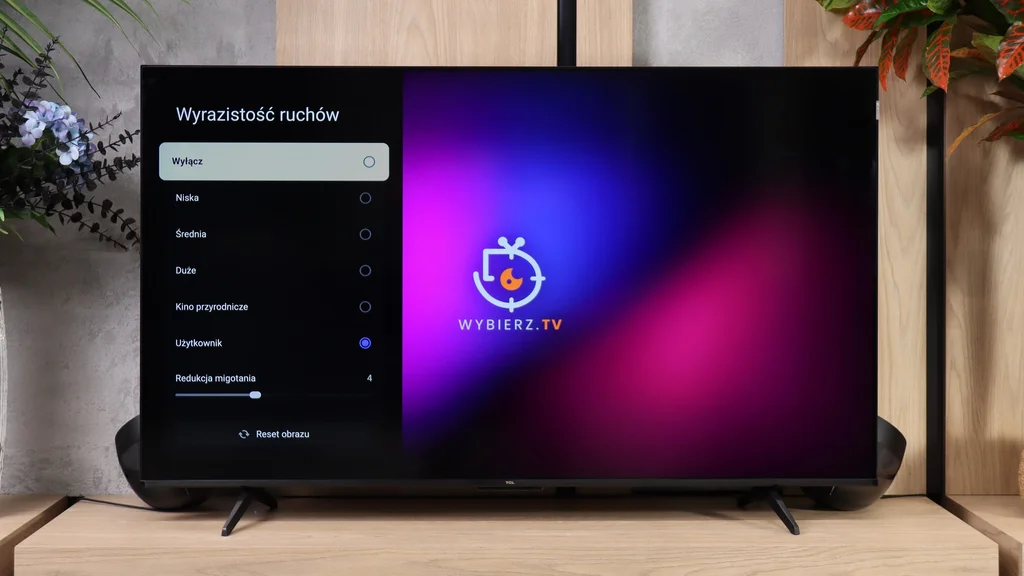
The TCL P7L uses a panel with a native 60 Hz refresh rate at 4K resolution, and that's how it should be treated in everyday use. For movies the TV mainly offers frame interpolation, so it can smooth motion and reduce the typical judder, but it does not deliver the smoothness of true 120 Hz panels.
Blur (native resolution, maximum refresh rate):
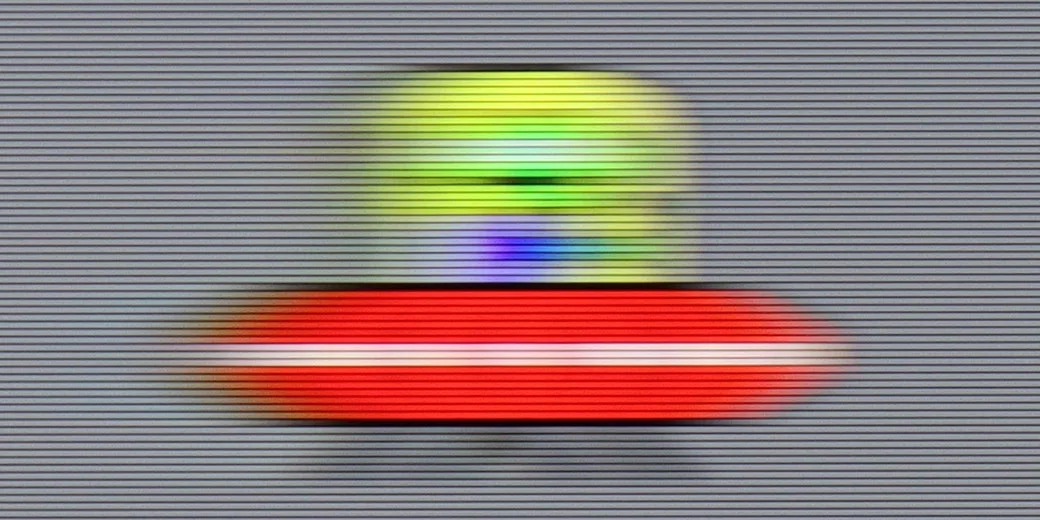
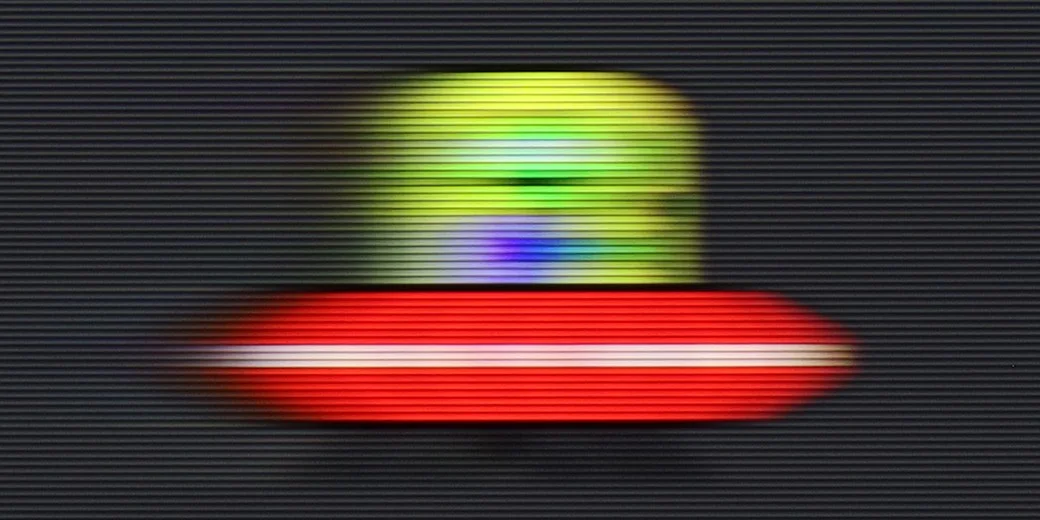
Blur (1440p@120Hz):
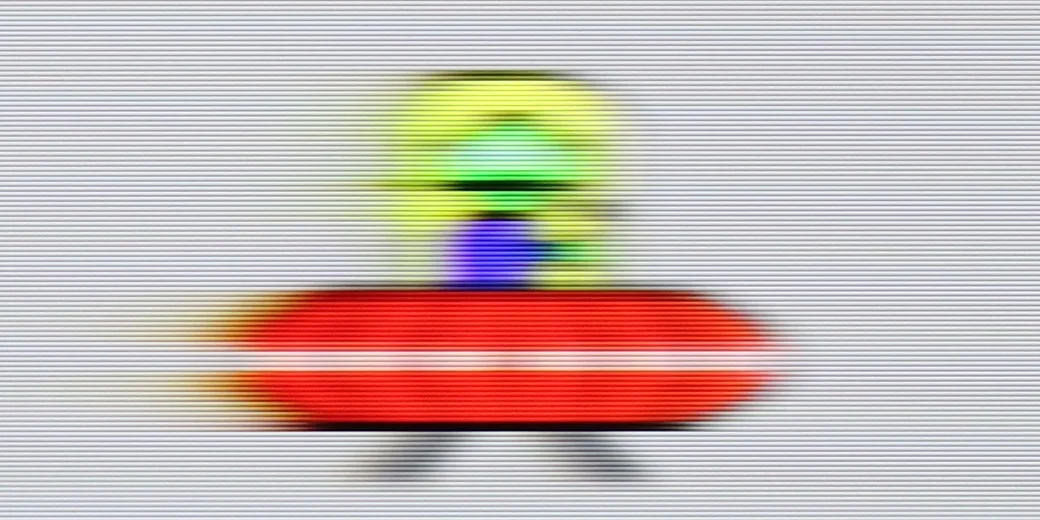
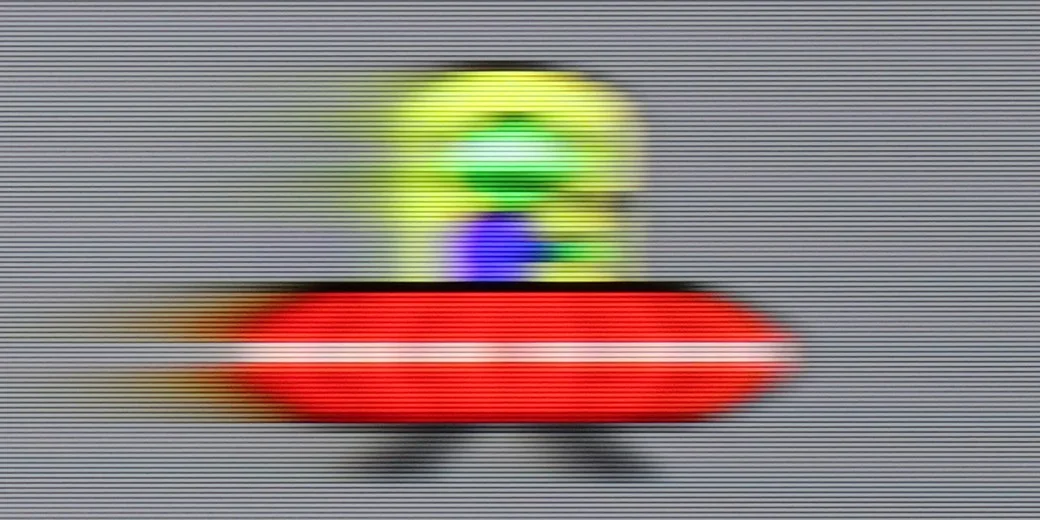
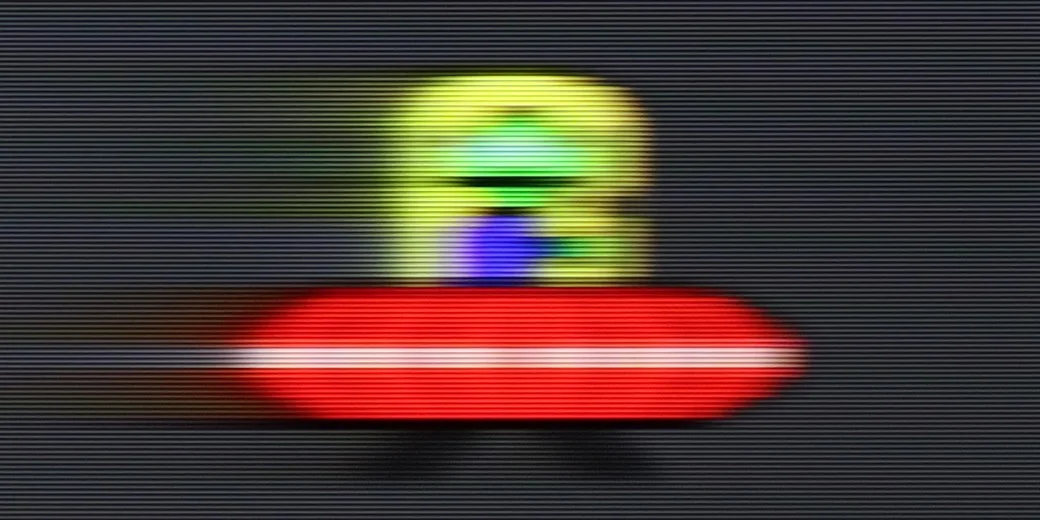
One advantage is the ability to achieve 120 Hz by reducing the resolution to 1080p or 1440p. This option is aimed mainly at gamers and can be useful when connecting a console or PC, especially for fast-paced titles. That said, when watching movies, sports, or TV, the P7L remains a classic 60 Hz model.
TCL P7L - Console compatibility and gaming features
6.7/10
- ALLM:
Yes
- VRR:
Yes
- VRR range:
48 - 120Hz
- Dolby Vision Game Mode:
Yes
 Correct implementation of HGIG:
No
Correct implementation of HGIG:
No - 1080p@120Hz:
Yes
- 1440p@120Hz:
Yes
- 4K@120Hz:
No
- Game bar:
Yes
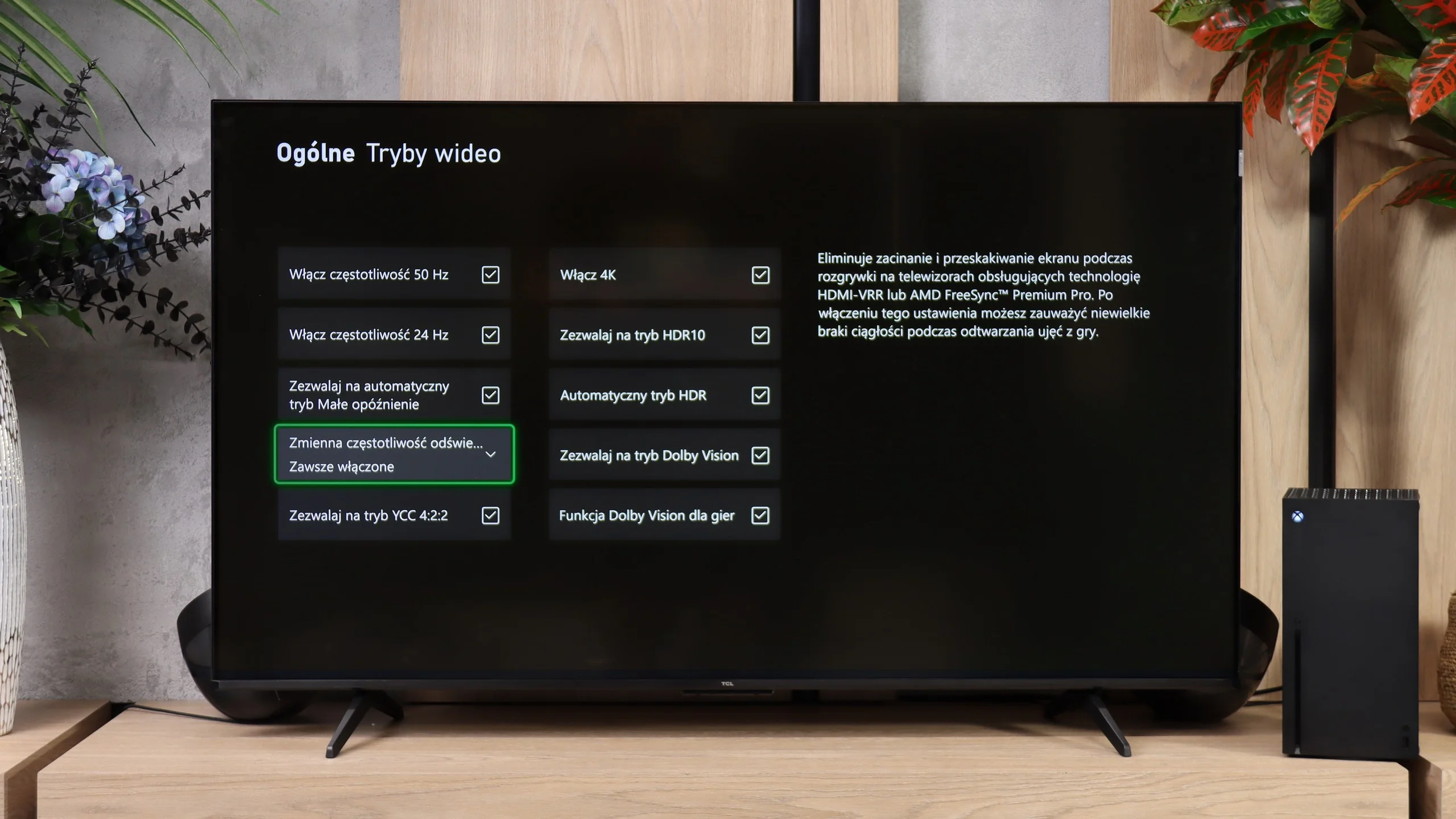
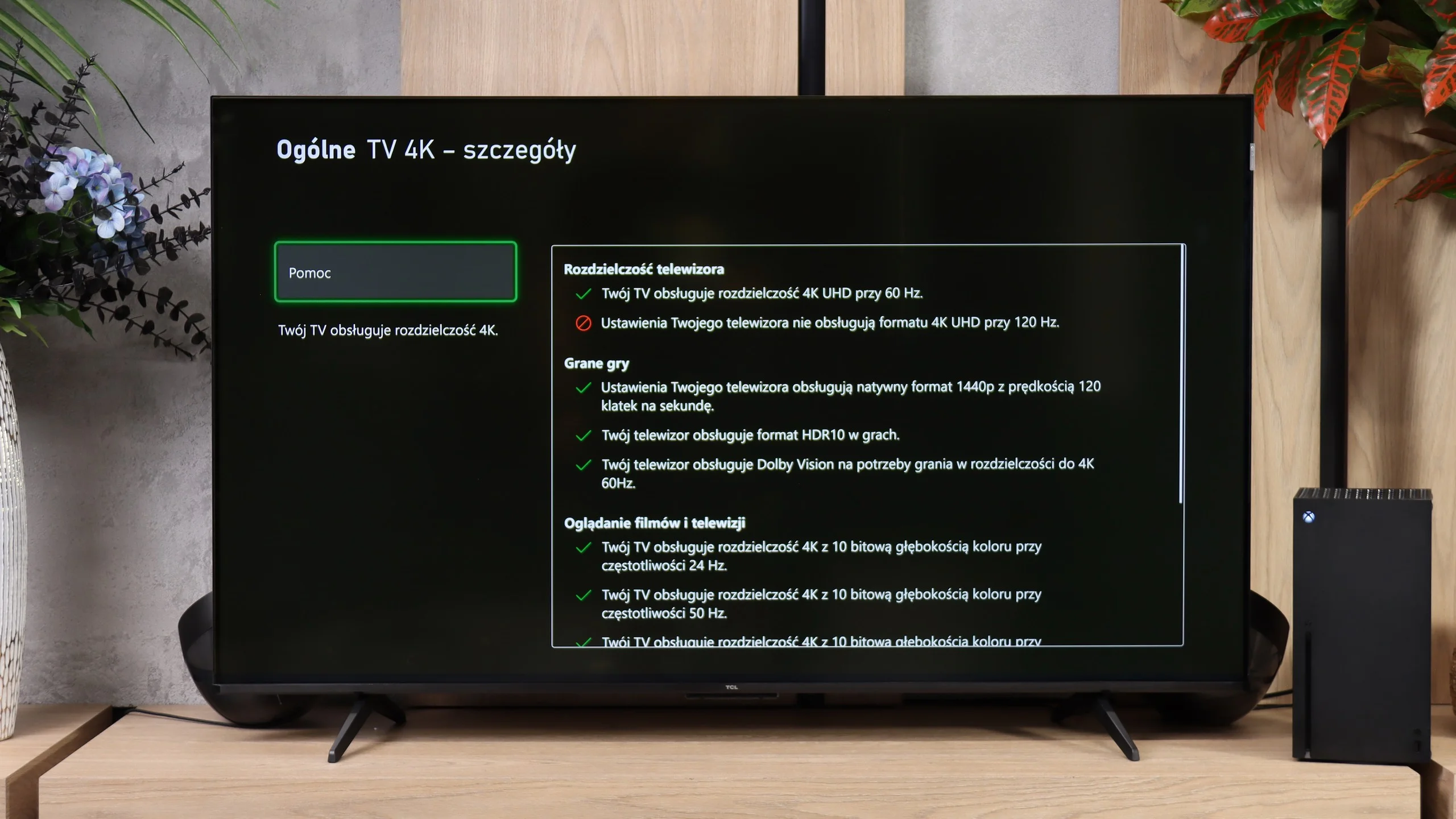
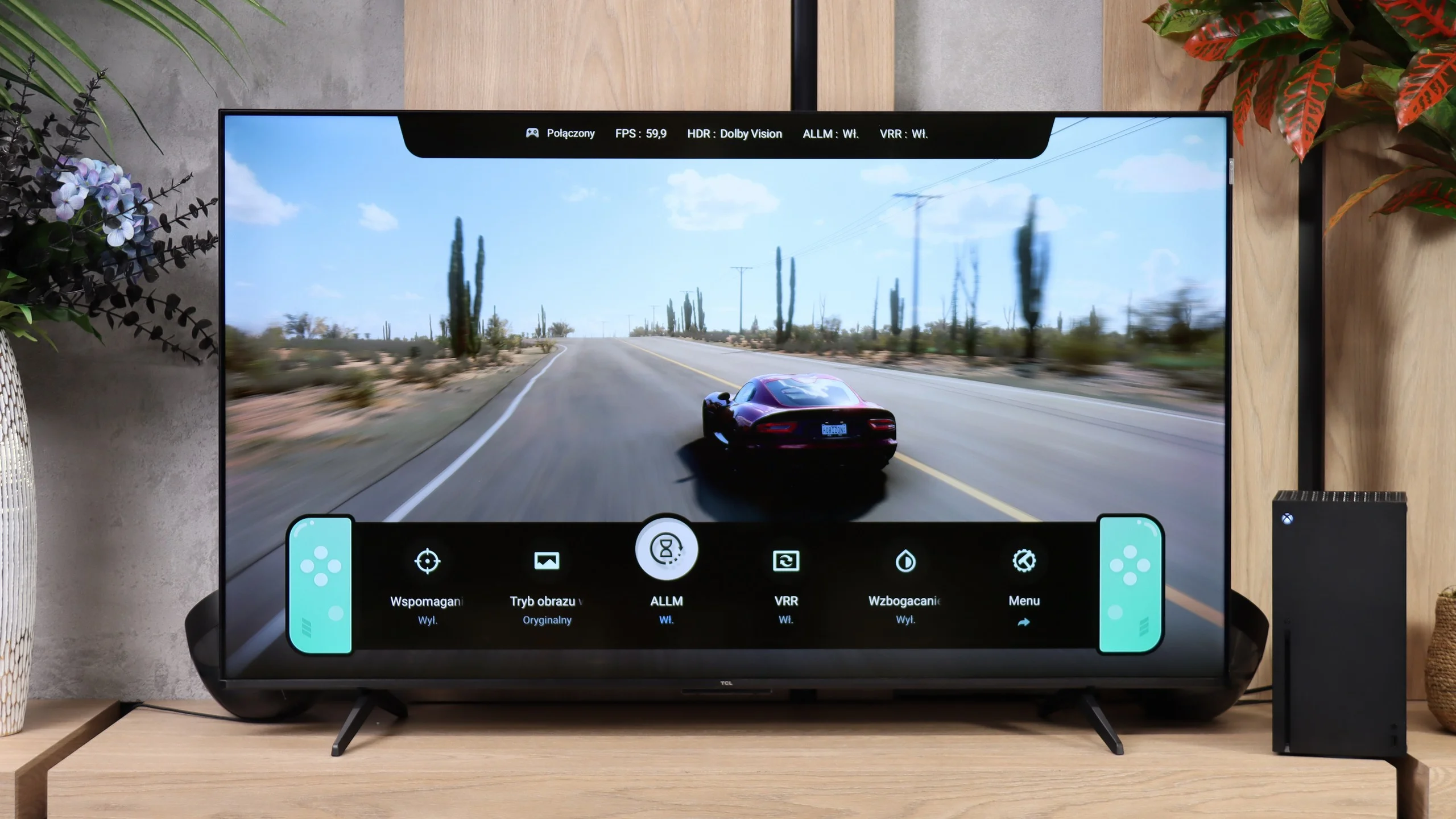
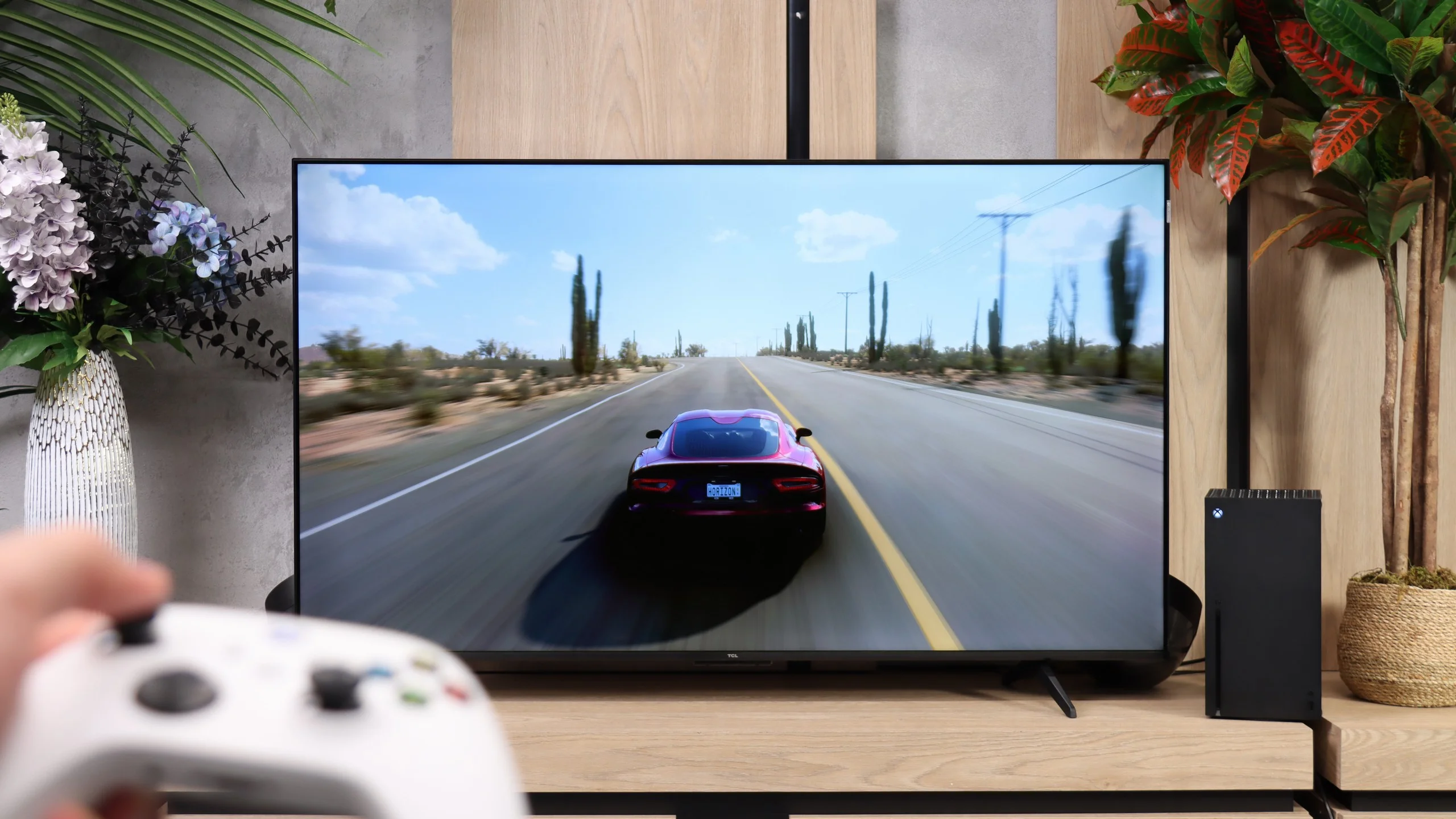
For such an inexpensive TV, the P7L has quite a lot to offer gamers. It has ALLM, VRR, Dolby Vision for gaming, and TCL adds its Game Bar, which lets you quickly view key information or change some settings without leaving the game. Not everything is perfect, though, because HGiG doesn't work here as it should, but at this price point it's hard to complain much about the feature set. The most interesting thing starts when you give up on 4K. At that resolution the TV runs at a maximum of 60 Hz, but at 1440p and 1080p it can already display at 120 Hz. And that's not just a spec-sheet curiosity. In fast-paced games that support that frame rate you can really notice the difference in smoothness, so if you care more about smoother motion than maximum image sharpness, that mode can make a lot of sense. Of course that doesn't make the P7L a true 120 Hz TV. Even so, it's precisely those extra modes that make the P7L perform really well for gaming.

TCL P7L - Input lag
10/10
In terms of latency, the TCL P7L performs very well. With a 60 Hz signal, input lag is around 13 ms, regardless of whether you're playing in SDR, HDR, or Dolby Vision. That's already a level where the delay should be practically unnoticeable during normal gameplay. It gets even better when you switch the TV to 120 Hz mode at a lower resolution. Then input lag drops to about 9 ms, which nicely complements the modes described earlier. For gamers, it's another point in favor of the P7L—despite its budget nature, it's quite well prepared in this regard.
| SDR | HDR | Dolby Vision |
|---|---|---|
| 1080p60: 13 ms | 2160p60: 13 ms | 2160p60 DV: 13 ms |
| 1080p120: 9 ms | ||
| 2160p60: 13 ms |

TCL P7L - Compatibility with PC
5.8/10
Chroma 444 (max. resolution and refresh rate): Yes
Font clarity: Good
Readability of dark text and shapes: Average
Input lag in PC mode (4K, max. refresh rate): 13ms
Matrix subpixel arrangement: BGR
Max refresh rate: 60Hz
G-Sync: Yes
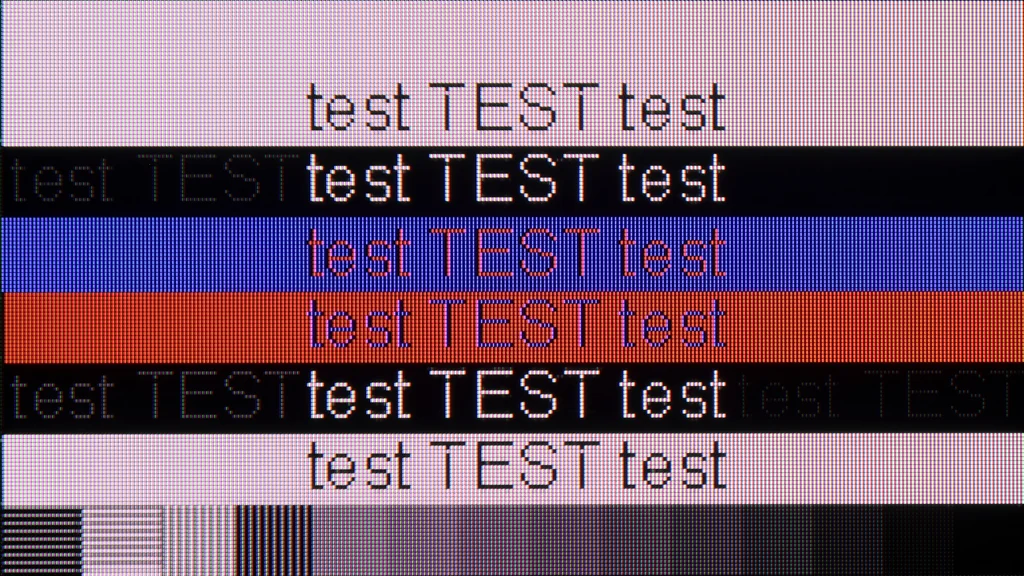
TCL P7L is unlikely to be the first choice for office work. The TV properly supports 4:4:4 chroma, so text itself remains fairly sharp, but the BGR subpixel layout causes some issues with how it looks. On the vertical edges of letters you can see small artifacts and characteristic "dots" that can be distracting when sitting close to the screen. For occasional web browsing or document use this isn't a big problem, but as a monitor for daily text work the P7L performs rather average.
It looks much better for PC gaming. Low input lag and support for G-Sync and VRR mean the TV plays nicely with a graphics card, and at lower resolutions you can also take advantage of 120 Hz. In 4K we're still limited to 60 Hz, but if the computer will be used mainly for gaming, the P7L makes a lot more sense for that purpose than as a typical work monitor.
TCL P7L - Viewing angles
3.2/10
Brightness drop at an angle of 45 degrees: 84%
Viewing angles on the TCL P7L are fairly poor, which is typical for a VA panel. It's precisely because of that that the TV delivers higher contrast and better blacks, but the trade-off is a noticeable drop in picture quality when you look at the screen from the side. Just move a little off-axis and colors start to lose saturation and blacks become grayer. That's why the P7L performs best when you sit directly in front of the screen. With a larger couch and several people watching, the seats at the edges will be noticeably less comfortable.
TCL P7L - Daytime performance
5.2/10
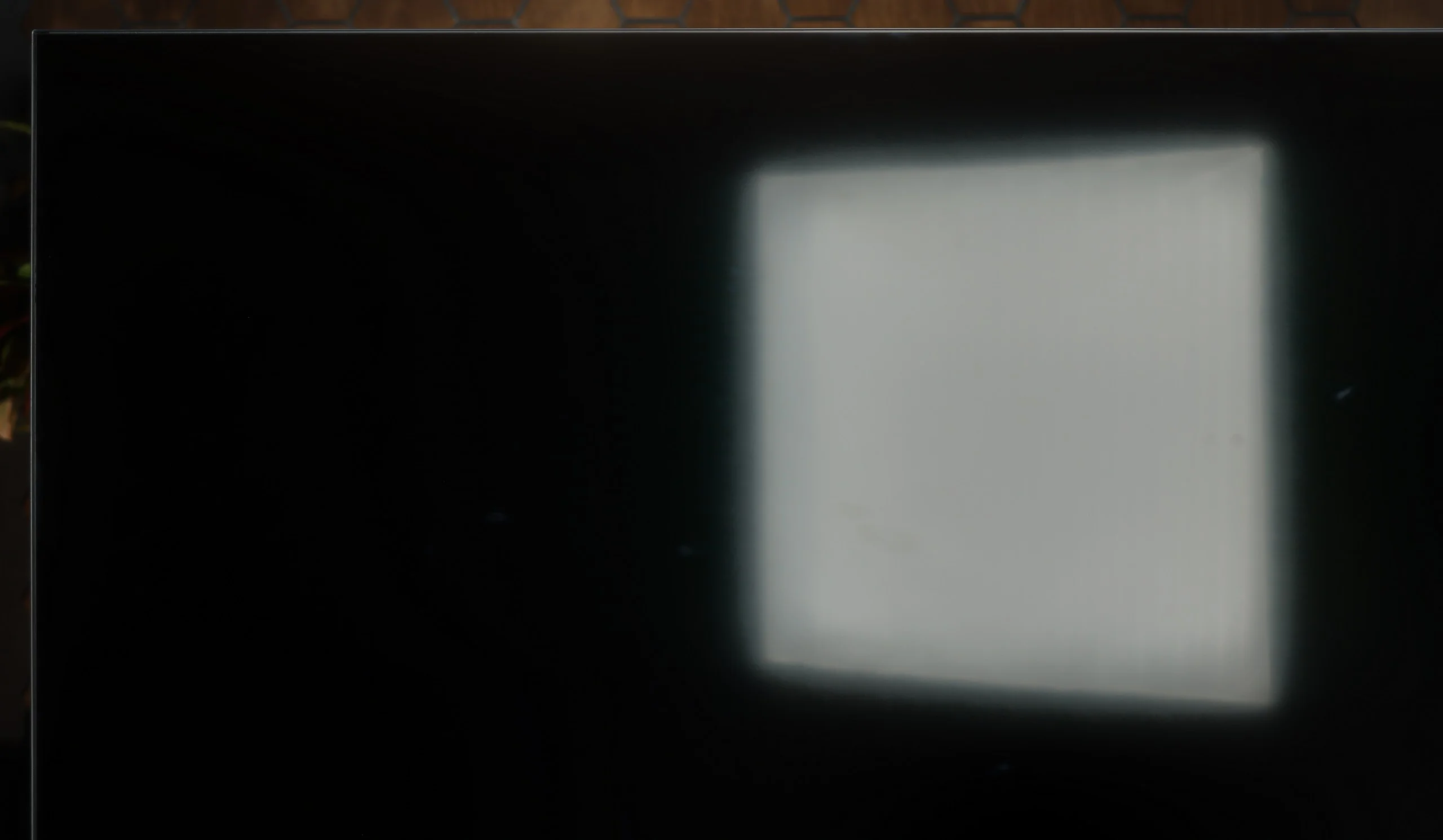
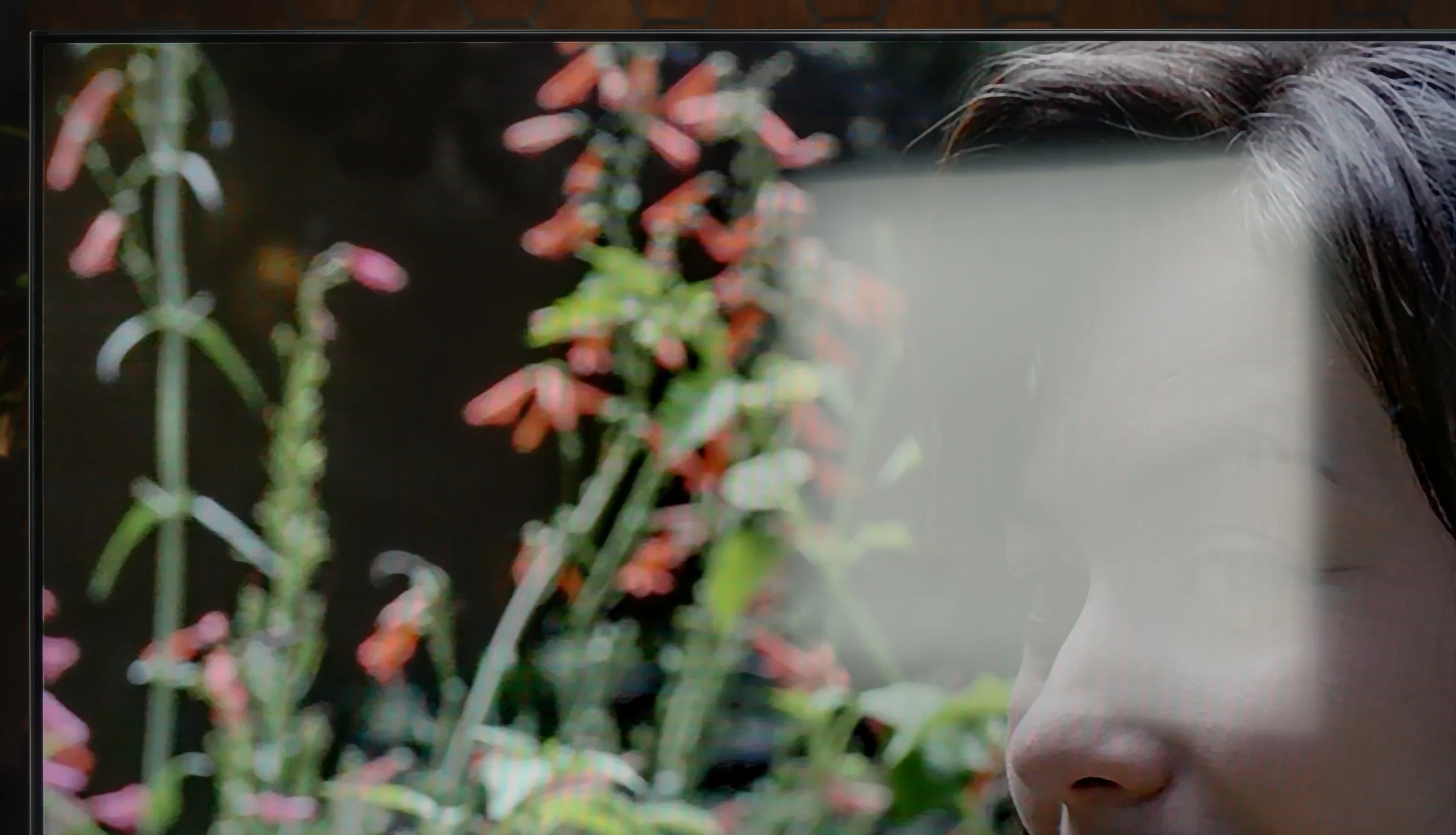
Panel finish: Satin
Reflection suppression: Decent
Black levels during daytime: Good
In daylight the TCL P7L performs quite well, although a lot depends on how the TV is positioned relative to windows. The screen's satin finish does a pretty good job of reducing reflections, so under normal living-room lighting the picture stays clear and doesn't immediately turn into a mirror. Black levels also look good and, in daytime lighting, don't lose nearly as much depth. The limitation, however, is brightness. About 360 nits is enough for normal viewing in a moderately bright room, but with strong sunlight hitting the screen directly the P7L starts to struggle noticeably against the ambient light. It will be fine for a typical living room, but if the TV will sit opposite a large window or you mostly watch in a very bright room, it's worth keeping that in mind.
Panel brightness
TCL P7L / P79L: 364 cd/m2
TCL P7L - TV features
7/10
System: Google TV
System performance: Decent
- HDMI inputs: 3 x HDMI 2.0, 0 x HDMI 2.1
- Outputs: Toslink (Optical audio), eARC (HDMI), ARC (HDMI)
- Network Interfaces: Wi-Fi 2.4GHz, Wi-Fi 5GHz, Ethernet (LAN) 100Mbps
- TV reception: DVB-T, DVB-T2, DVB-S, DVB-S2, DVB-C
Classic features:
- Recording to USB (terrestrial TV): No
- Recording programming: No
- Picture in Picture (PiP): No
- RF remote control (no need to aim): RF
- Backlit remote control: No
- Teletext: Yes
- Audio only mode: Yes
- Bluetooth headphones support: Yes
- Simultaneous Bluetooth headphones & TV audio: Yes
Smart features:
- AirPlay: Yes
- Screen mirroring (Windows Miracast): Yes
- Voice search: Yes
- Voice search in native language: Yes
- Ability to connect a keyboard and mouse: Yes
Smart TV
TCL P7L runs on Google TV, and that's definitely one of this model's strengths. The system provides access to virtually all popular streaming apps, and it also supports AirPlay, screen casting from other devices, and voice search, including in Polish. The interface itself works decently, not as fast as in more expensive TVs, but in everyday use it shouldn't be particularly annoying.
TV features
When it comes to more traditional features, the P7L is a noticeably simpler TV. It doesn't have USB recording, scheduled recordings, or picture-in-picture, so people used to those extras on older sets may miss them. The basics remain, though: teletext, audio-only mode, Bluetooth headphone support, and the ability to play audio simultaneously through the TV speakers and headphones. The remote works over radio, so you don't have to point it directly at the screen, which is simply convenient in everyday use.
Sound connection options
HDMI audio:
Other audio outputs:
- Toslink: Yes
Wireless audio:
- Bluetooth: Yes
Supported audio formats (external HDMI eARC audio):
- Dolby Digital Plus 7.1: Yes
- Dolby True HD 7.1: No
- Dolby Atmos in Dolby Digital Plus (JOC): Yes
- Dolby Atmos in Dolby True HD: No
- DTS:X in DTS-HD MA: Yes
- DTS-HD Master Audio: Yes
Senior accessibility
- Numeric keyboard on TV: Yes
- Font size adjustment: No
- Audio description: Yes
TCL P7L - Apps
9.6/10






















TCL P7L - Playing files from USB
8.7/10
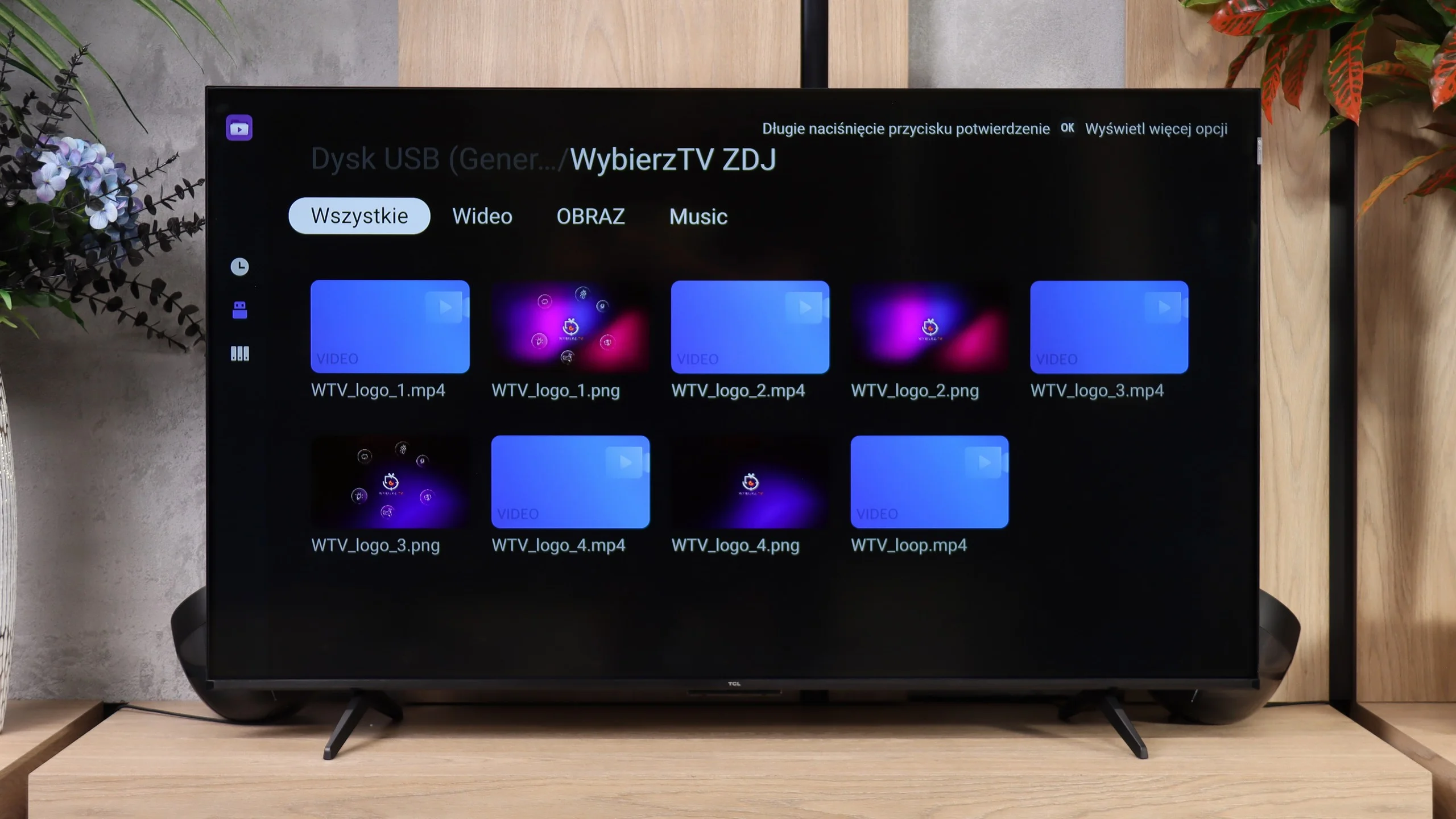
| Maximum photo resolution: | Supported photo formats: |
|---|---|
| 4 Mpix | JPEG |
| 6 Mpix | HEIC |
| 8 Mpix | PNG |
| 10 Mpix | GIF |
| 12 Mpix | WebP |
| 16 Mpix | TIFF |
| 20 Mpix | BMP |
| 24 Mpix | SVG |
| 28 Mpix | |
| 32 Mpix |
The built-in media player in the TCL P7L performs quite well. The TV handles most popular video and subtitle formats and also plays 4K content encoded with newer codecs without any problems. It's perfectly adequate for occasional movie viewing from a USB flash drive or external drive, and in that respect it's hard to fault. What proved most annoying was photo viewing. The P7L didn't always open higher-resolution files correctly and was inconsistent: some large photos opened, others did not. So if you plan to frequently browse photos on the TV straight from a camera or phone, it's worth keeping that in mind.
TCL P7L - Sound
6.2/10
89dB
Maximum volume

Supported codecs (TV speakers)
Dolby Digital Plus 7.1
Dolby True HD 7.1
Dolby Atmos in Dolby Digital Plus (JOC)
Dolby Atmos in Dolby True HD
DTS:X in DTS-HD MA
DTS-HD Master Audio
The sound on the TCL P7L is fairly conventional for a budget TV. The speakers can get quite loud and dialogue is clear, but they lack depth and, above all, bass. For regular TV, YouTube, or news this setup is perfectly adequate, but in movies and music you quickly notice the sound is quite flat and thin. On the plus side, it supports a wide range of formats, including Dolby Atmos and DTS. However, the TV itself can’t reproduce their full spatial effect, so if you want fuller, more powerful sound, especially in the low end, a soundbar will be a much better solution.
Acoustic Measurements
89dBC (Max)
75dBC
TCL P7L - Panel details
Software version during testing: v8-0008t01-lf1v534.002065
Panel uniformity and thermal imaging:

Backlight Type: PFS LED

Founder and originator of the "ChooseTV" portal

Journalist, reviewer, and columnist for the "ChooseTV" portal

michal-woloszyn-title
Reader comments
Comments are provided by the external service Disqus (Zeta Global). Once loaded, Disqus may set cookies and process data about your activity.
We will remember your choice on this device. Provider's privacy policy
See articles related to TCL P7L / P79L:
Our YouTube channel
TCL C7L: review of the cheapest SQD Mini LED TV. Better than... 7/13/2026
9/14/2026
2/22/2026
3/6/2025
7/9/2026