 Redakcja Choose TV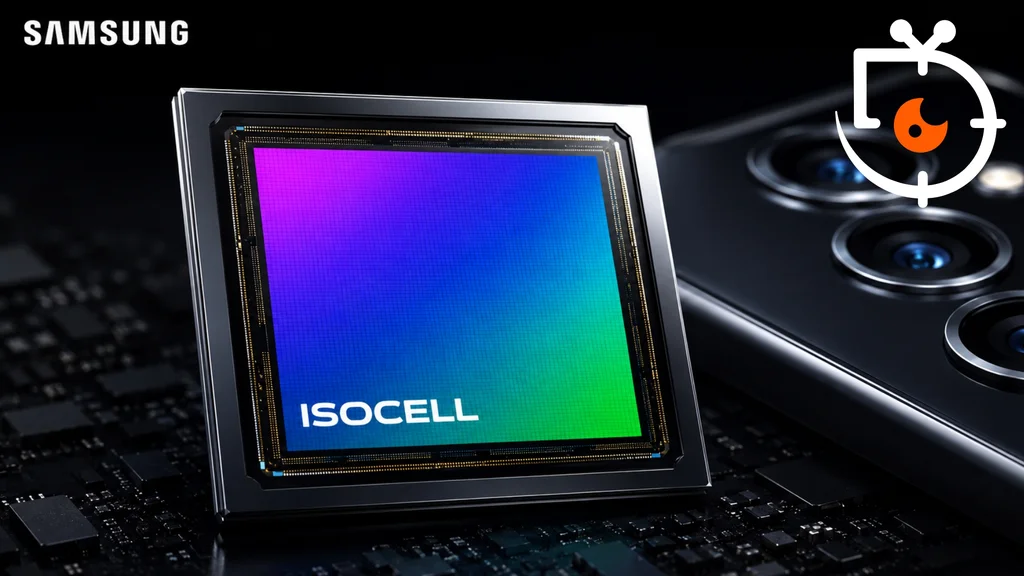
The race for ever-better smartphone cameras continues, and Samsung has just unveiled a solution that could set a new direction for mobile photography. The manufacturer has presented the ISOCELL HPC 200 MP sensor, which uses a completely redesigned pixel architecture. The new technology aims to improve the quality of images taken both during the day and after dark, while eliminating one of the biggest drawbacks of very high-resolution sensors.
Samsung aims to improve photo quality with DeepPix technology
The new ISOCELL HPC is another 200-megapixel sensor from Samsung, but this time the manufacturer has adopted a completely new pixel design called DeepPix. The main goal of this technology is to increase the amount of light reaching each pixel, even though the sensor itself retains similar dimensions to previous generations. Samsung claims that, thanks to the new structure, each pixel can collect up to 60% more light than in earlier sensors. This should result in brighter areas of the image, more detailed shadows and a clear reduction in noise when shooting in challenging lighting conditions. The manufacturer has also implemented improved microlenses made from materials with a higher refractive index. In addition, a new anti-reflective coating reduces light scattering before it reaches the sensor. All these solutions are intended to jointly improve HDR image quality and increase the dynamic range of photographs. Samsung emphasises that the new design does not focus solely on megapixel count, but primarily on the image quality produced by each individual pixel. It addresses an issue smartphone makers with very high-resolution cameras have been facing for years.
HDR at higher zoom and 4K recording at up to 180 fps
The new sensor also brings improvements to HDR and digital zoom. In many current smartphones full HDR quality is available only at the base zoom level, and image quality drops at higher zoom. The ISOCELL HPC is said to support HDR across five zoom levels, from 1x to 4x, meaning photos taken with zoom should retain more detail and better contrast. Samsung has also improved the video capabilities of the new sensor. The image sensor can record 4K at up to 180 frames per second, although the maximum rate is available only with partial autofocus. With the full autofocus system enabled the limit is 120 fps, which is still a very good result. The manufacturer has not yet revealed which smartphones will be the first to receive the new camera. So far new ISOCELL sensors have reached Samsung's flagship devices several months after their official unveiling. All signs therefore point to the Galaxy S27 Ultra being the first smartphone to use the new ISOCELL HPC. However, the official debut date remains unknown.
The new Samsung ISOCELL HPC shows that the development of smartphone cameras is no longer just about increasing the megapixel count. Thanks to DeepPix technology, improved light utilisation, expanded HDR and support for recording in 4K at 180 fps, the manufacturer intends to significantly improve the quality of photos and videos in future smartphones. All indications are that the first devices with this sensor will appear during the launch of the next generation Galaxy flagships.
source: Digital Trends