 Redakcja Choose TV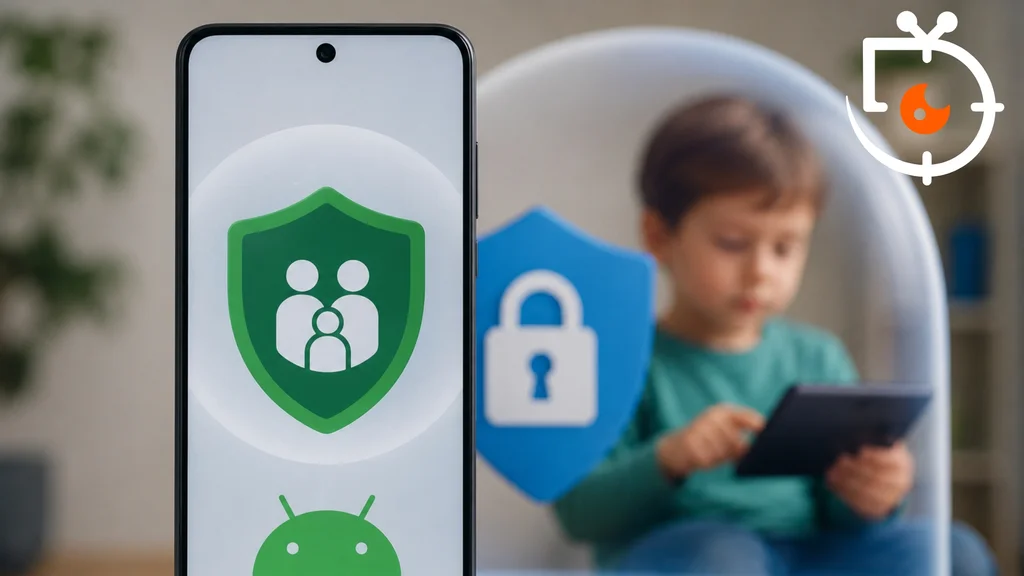
Smartphones have long served not only for communication and entertainment. They are increasingly becoming tools that enhance user safety in everyday life. Google has been developing this direction for several years, regularly adding new emergency features to Android. Now the company has decided to extend some of these solutions to younger users. As a result, children and teenagers will gain access to tools that may prove extremely useful in emergency situations.
Android will offer children more safety features
One of the most important innovations is the ability to display key emergency information directly on the device's lock screen. This allows rescuers or individuals providing assistance to quickly check the medical data of the phone owner and contact their nearest relatives. This feature may prove particularly useful during emergencies that require rapid response. Google is also expanding access to the accident detection system. The technology analyses data from the smartphone's sensors and can recognise serious road collisions. In the event of detecting a threat, the device can automatically contact emergency services and inform previously designated individuals. This solution has so far been associated primarily with devices for adult users. Now similar protection is to apply to younger individuals using Android. Google emphasises that smartphones are increasingly serving as personal safety devices. The development of such technologies becomes particularly important in situations where the user is unable to call for help on their own. The company wants parents to have a greater sense of peace when children return home from school independently or move around the city. The new solutions are designed to operate in the background and do not require additional daily handling. In practice, the smartphone can become an additional safeguard during many unforeseen situations.
Teenagers will receive new tools for safety monitoring
Google has also prepared additional features aimed at older users. One of them is Safety Check, a mechanism that allows someone to check if they have safely reached their destination. The user sets a specified time, and after it expires, the app prompts for confirmation that everything is alright. If no response is given, the system can automatically send the location to previously selected contacts. This feature is useful during solo travels, evening returns home, or other situations that require extra oversight. Android will also offer the ability to share location in real-time with trusted individuals. This way, parents or loved ones can more easily monitor the safety of teenagers. Google points out that such features are meant to assist and do not replace common sense or responsible use of mobile devices. At the same time, the company believes that practical safety solutions are just as important as the development of artificial intelligence. In recent years, smartphone manufacturers have increasingly invested in technologies that can save users' health and lives. The new features in Android align with this trend and demonstrate that the system's development is not limited solely to performance or new AI capabilities. For many families, they may prove to be some of the most useful changes introduced in the latest update.
Google is expanding the capabilities of the Personal Safety app and providing important safety features for younger Android users. Children will gain access to emergency information on the lock screen and a system for detecting car accidents. Teenagers will additionally benefit from travel safety monitoring and location sharing. This is another step showing that smartphones are increasingly serving as personal devices that look after the safety of users.
source: digitaltrends