 Redakcja Choose TV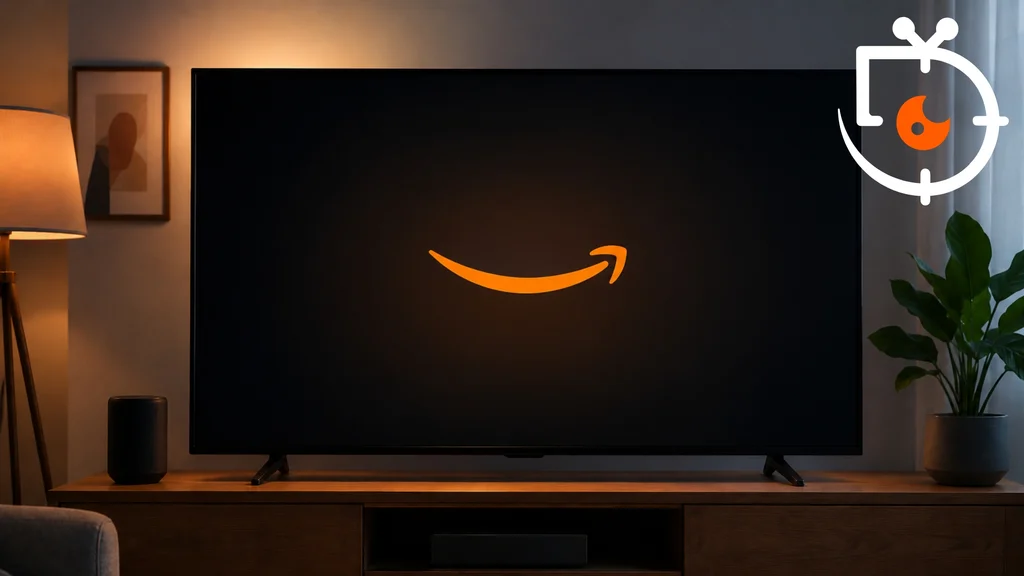
Amazon has officially begun rolling out a new version of the Fire TV operating system, first showcased at CES 2026. The update is already reaching the latest Fire TV Stick and Fire TV Cube devices, as well as Amazon Ember series TVs. The company promises not only a refreshed appearance but also a completely new approach to searching for films and TV series. Rather than focusing on individual streaming apps, the system is designed to take users straight to the content they want.
Fire TV is no longer just a collection of apps
The biggest change is a completely rebuilt home screen. Until now, users often had to switch between Netflix, Prime Video, Disney+ and other platforms to find something to watch. The new interface groups content into clear categories such as films, series, sport, live TV and news. This should help users get to interesting material more quickly without having to search multiple apps separately. Amazon emphasises that the new system design was created to make discovering content more convenient. The company has noted that more and more people rely on recommendation features instead of manually browsing the libraries of individual services. The refreshed look is also intended to make Fire TV more like the modern TV platforms offered by competitors. The maker also promises noticeably faster overall system performance. Navigation between sections is to be more responsive, and launching features should take less time than before. The changes affect both the visual layer and the way content is organised. Amazon expects users will spend less time searching for films and more time watching them. This is one of the key elements of the company's new home entertainment strategy. Fire TV is to become a hub for discovering content regardless of which streaming platform it comes from.
Alexa+ plays a key role in the new system
Amazon is also heavily investing in the development of its smart assistant. The new version of Fire TV has been deeply integrated with Alexa+, which is responsible for recommendations, search and presenting content. According to the company, users interact with the improved assistant more than twice as often as with the previous version. That is why Alexa+ is now at the centre of the entire Fire TV ecosystem. The system is designed to better understand user queries and more quickly suggest films or series that match their interests. However, Amazon is not the only company moving in this direction. Google TV, Roku, Samsung Tizen and LG webOS are pursuing a similar strategy. All of these platforms are increasingly turning the TV home screen into an advanced recommendation system. The battle for viewers' attention is shifting from streaming apps directly into television operating systems. Amazon wants to harness the capabilities of artificial intelligence to gain an edge over rivals. The company believes the future of home entertainment lies in automatically suggesting relevant content rather than forcing users to search through libraries themselves. The new version of Fire TV is the next step in realising that vision. It is the TV home screen that is meant to become the place where the user decides what to watch next.
Amazon has started rolling out a new Fire TV interface that offers faster navigation, a clearer layout and deep integration with Alexa+. The company wants users to discover content directly from the TV system rather than through individual streaming apps.
source: digitaltrends