 Redakcja Choose TV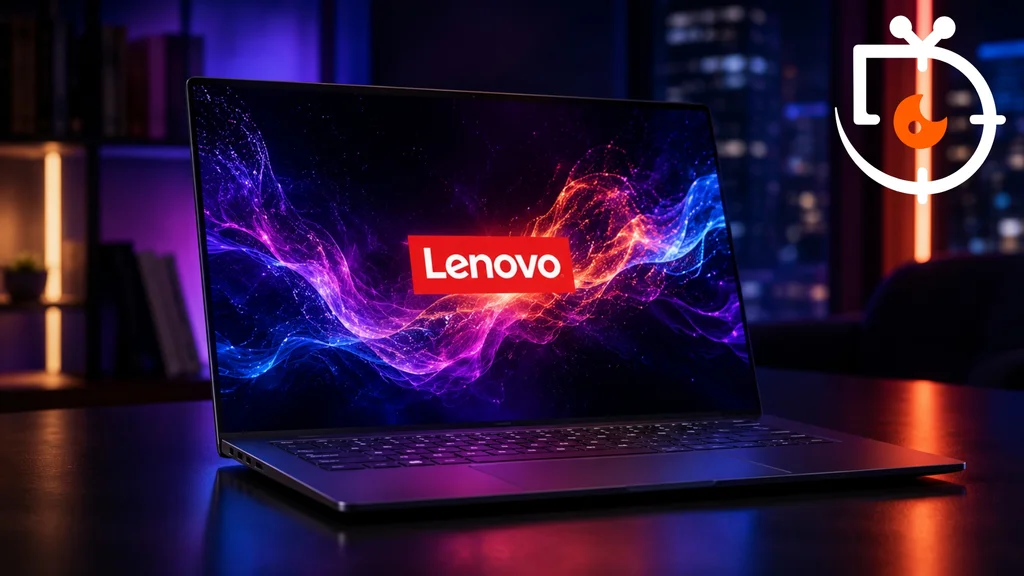
OLED technology has long been regarded as one of the best solutions used in modern displays. Despite its excellent picture quality, its wider adoption has been limited by high production costs. TCL CSOT has been working on a new panel manufacturing method for over a decade, and it has just made its commercial debut. The first device to use the new solution is the Lenovo Legion R9000P laptop. The manufacturer hopes the new technology will increase the availability of OLED screens in the coming years. This could be one of the most significant changes in the display market for many years.
Lenovo is the first to use Inkjet Printed OLED technology
The new Lenovo Legion R9000P has been fitted with a 16-inch panel developed by TCL CSOT. The screen offers a 240 Hz refresh rate and covers over 99 per cent of the DCI-P3 colour space. In terms of specifications, it is on a par with the best contemporary OLED displays. The biggest change, however, concerns the panel's production process itself. Instead of the classical vacuum deposition of organic materials, a precise inkjet printing process, known as Inkjet Printed OLED, has been used. As a result, production is said to be simpler, more efficient and less costly. TCL CSOT also emphasises that the new technology reduces the number of defective panels produced during manufacturing. An additional advantage is higher display brightness, which has for years remained one of the main challenges for OLED technology. Especially on laptops, this could translate into better image legibility when working in bright environments.
Cheaper production could accelerate the popularisation of OLED
Lenovo has not yet revealed the price or the full specification of the new Legion R9000P. So it is hard to assess how quickly the new technology will translate into lower prices for finished devices. If Inkjet Printed OLED fulfils manufacturers' expectations, OLED screens could become much more accessible in the coming years. The new panels are already being used in the MSI Pro Max OLED 271UPJW12 monitor, which shows that the technology is starting to reach other device categories. TCL CSOT has been developing the solution for more than ten years and is simultaneously investing in new production lines to scale up panel manufacturing. In the future the technology is expected to be used not only in laptops and monitors but also in televisions and smartphones. This could significantly increase competition in the premium display market. If production proves sufficiently efficient, OLED could become a realistic alternative to modern LCD and Mini LED screens also in terms of price.
The debut of the first laptop with an Inkjet Printed OLED display is an important moment for the whole display industry. The new technology developed by TCL CSOT is expected to reduce production costs, improve panel brightness and increase their availability. If the manufacturer's claims are confirmed, in the coming years OLED could appear in a much larger number of laptops, monitors, televisions and smartphones.
source: ithardware