 Redakcja Choose TV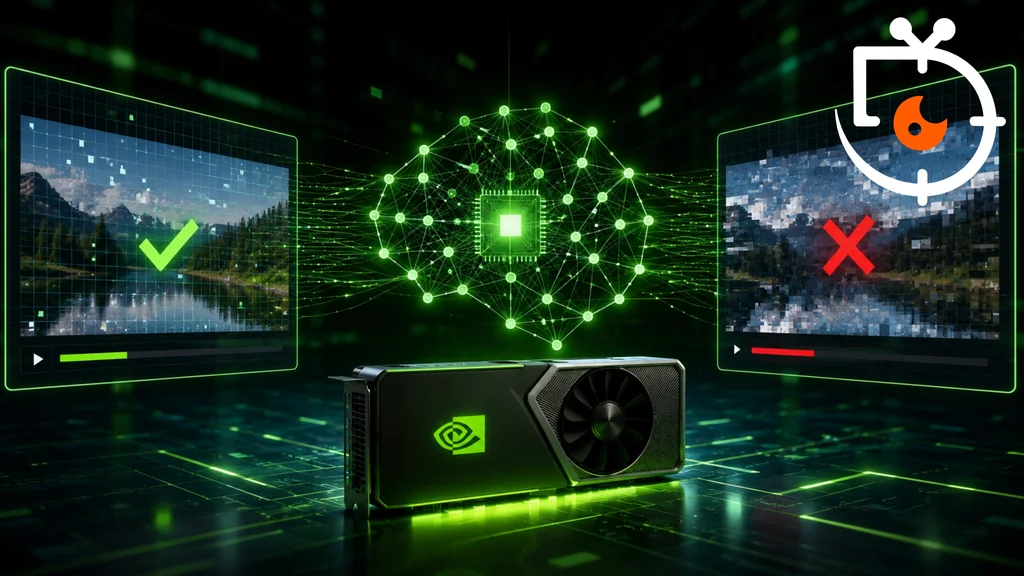
The development of generative artificial intelligence has made creating realistic videos easier than ever before. At the same time, it is becoming increasingly difficult to tell real footage from AI-generated material. The deepfake problem is an increasing challenge for media, companies and internet users. NVIDIA has responded to this issue by unveiling a new tool that uses artificial intelligence to detect manipulated footage. The solution was presented at the SIGGRAPH 2026 conference. The company emphasises that the technology is intended to support the verification of material, not to replace human involvement.
Synthetic Video Detector analyses video in real time
The new NVIDIA tool, called Synthetic Video Detector, was developed to detect material generated or altered by artificial intelligence. The system analyses footage frame by frame and assigns a probability that AI was used in creating the video. According to the maker, analysing Full HD footage takes just 22 milliseconds on systems with RTX GPUs. This enables near real time operation. The tool has been made available as part of the NVIDIA NIM Microservices platform, allowing organisations to easily integrate it with existing systems. The manufacturer notes that the technology is intended as an additional layer of protection for newsrooms, broadcasters and businesses. Its role is to quickly verify material before publication. NVIDIA emphasises that it does not replace traditional journalistic analysis or methods used by digital forensics specialists.
High accuracy is intended to help combat the growing wave of disinformation
According to data presented by NVIDIA, the new solution achieves up to 92 per cent accuracy when analysing uncompressed video material. For footage compressed by around 15 per cent, accuracy drops to 87 per cent, while with stronger compression of 50 per cent it is about 82 per cent. Compression remains one of the biggest challenges for systems detecting deepfakes, because platforms such as YouTube, TikTok and Instagram automatically reduce the quality of uploaded content. NVIDIA also says the Synthetic Video Detector achieved leading results in the AI GVD Bench benchmark, used to compare tools for detecting synthetic video content. The company also plans to integrate the technology with the Wowza Intelligence Video Framework platform, which operates in over 35,000 deployments across 170 countries. However, the maker emphasises that the tool is not a perfect solution and should support, rather than replace, human judgement of content. As generative artificial intelligence develops, so too does the sophistication of fake footage. The fight against disinformation will therefore require the simultaneous development of detection technologies and responsible human oversight.
Synthetic Video Detector shows that artificial intelligence can be used not only to create realistic content but also to detect it. With very fast performance and high accuracy, NVIDIA's new solution could become an important tool in the fight against deepfakes and online disinformation. The manufacturer emphasises, however, that even the best algorithms cannot replace thorough human verification of information.
source: digitaltrends