 Redakcja Choose TV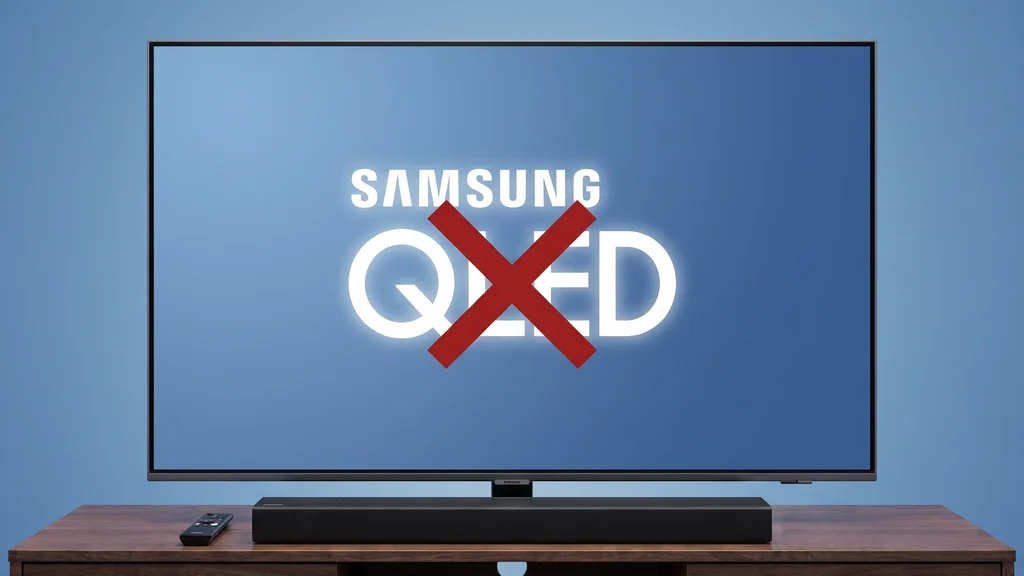
Samsung is preparing a major change to its TV range. According to South Korea's ETNews, production of LCD TVs using quantum dots is expected to fall this year from about 10 million to just 2 to 3 million units. That would mean a reduction of up to 80%. However, this is not an official announcement signalling the end of QLED.
QLED production set to slow sharply
According to industry sources, Samsung has significantly scaled back production in 2026 of LCD TVs that use a quantum dot layer. Last year roughly 10 million such devices were produced, while this year's plan calls for only 2-3 million units. An interesting question is the outlook for the Neo QLED range. It's a more advanced variant of Samsung's LCD TVs, using Mini LED backlighting and quantum dots. Reports say production of those sets will also be reduced, by about half compared with current levels. Leaks suggest Samsung may even stop producing Neo QLED entirely in 2028.
This does not mean giving up on quantum dots
One very important thing should be noted. Reports about reducing QLED production do not mean the end of quantum dot technology in Samsung TVs. QLED is primarily a term used for LCD TVs equipped with a quantum dot layer. It is not a separate display type like OLED. Samsung still uses quantum dots in QD-OLED panels. This technology remains one of the development directions for premium TVs. Any potential phase-out of QLEDs would therefore mainly concern traditional LCD TVs.
Is Samsung changing direction?
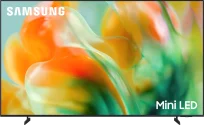
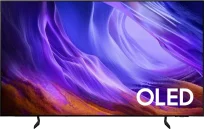
One of the cited reasons is the growing competition from Chinese manufacturers. Companies from China are offering QLED TVs at more attractive prices, which makes it harder for a brand like Samsung to maintain its previous position in that segment. Samsung is therefore shifting the emphasis of its lineup. In the mid-range it places emphasis on Mini LED TVs, while at the top end the company continues to develop OLED and a solution based on RGB LED backlighting.
Sources: ETNews, FlatpanelsHD