 Redakcja Choose TV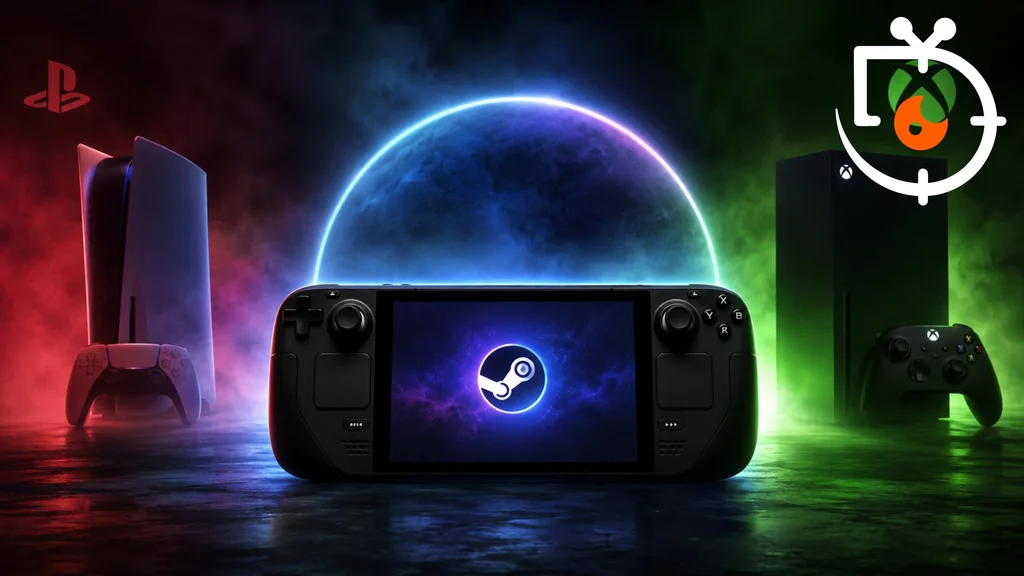
The games market is currently going through a period of major change. Microsoft is steering Windows towards AI-based services, and Sony has signalled a move away from physical releases of new games. At the same time Valve is steadily developing SteamOS and its own ecosystem of devices. More and more experts believe the company could use the current situation to capture a much larger market share. That does not mean the road to success will be easy. Industry specialists point to both the strengths of SteamOS and the obstacles that still limit the platform’s growth.
SteamOS is expanding faster and reaching more devices
Experts say Valve’s biggest assets remain the extensive Steam ecosystem and its vast game library. SteamOS is no longer limited to the Steam Deck and Steam Machine. The system has gained support for more devices using AMD, Intel and ARM processors. As a result, it can run on portable gaming PCs from Lenovo, ASUS or MSI, among others. Specialists point out that SteamOS offers better battery life, a more user-friendly interface and faster wake times than Windows 11. An important element is also Proton technology, which allows many games designed for Windows to run. Experts say Valve should continue pursuing a strategy of making SteamOS available on a range of devices rather than restricting it to its own hardware. Features such as cloud saves, a friends list and the ability to seamlessly move a game library between devices are becoming increasingly important. Some analysts believe this development model best meets modern gamers’ expectations. Valve also has an advantage thanks to Steam’s substantial revenues, which can be used to further develop services. Experts agree SteamOS has already become a very serious player in the portable gaming market.
Windows and consoles still hold the edge in several key areas
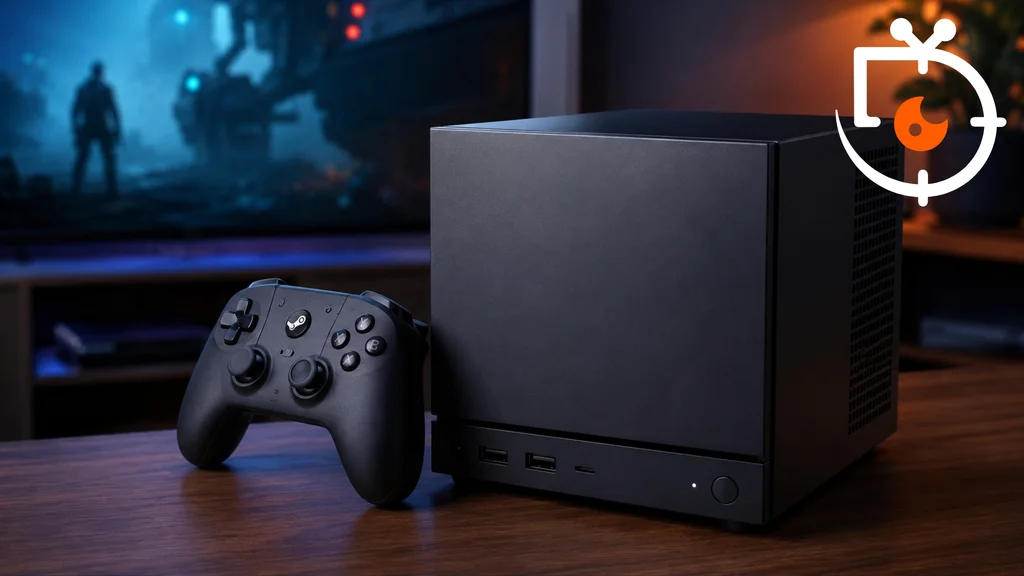
Despite SteamOS's growing popularity, experts also point to its main limitations. One of the biggest problems remains the lack of full compatibility with some security systems used in online games. Some popular titles that use anti-cheat mechanisms still don't work properly under Linux and Proton. SteamOS also offers less support for specialised accessories, such as certain VR headsets, capture cards or external GPUs. Another challenge is the high price of the Steam Machine, which is noticeably higher than the PlayStation 5 or Xbox Series X. Experts note that consoles still win on exclusive games and ease of use. In their view, SteamOS has the best chance to become the default system for devices intended solely for gaming, while Windows will remain the best choice for computers also used for work. They also emphasise that stronger competition between platforms will benefit both players and game developers. A greater number of alternatives limits the dominance of single companies and forces manufacturers to offer better services. That's why the development of SteamOS can matter for the whole industry, even if it doesn't dominate the market. Time will tell whether Valve can take advantage of the current situation and further strengthen its position.
Experts agree that SteamOS has the potential to become one of the most important platforms for gamers. Valve has a strong ecosystem and is rolling the operating system out to more devices, but still needs to address compatibility issues, hardware costs and competition from Windows and consoles.
source: techradar