 Redakcja Choose TV
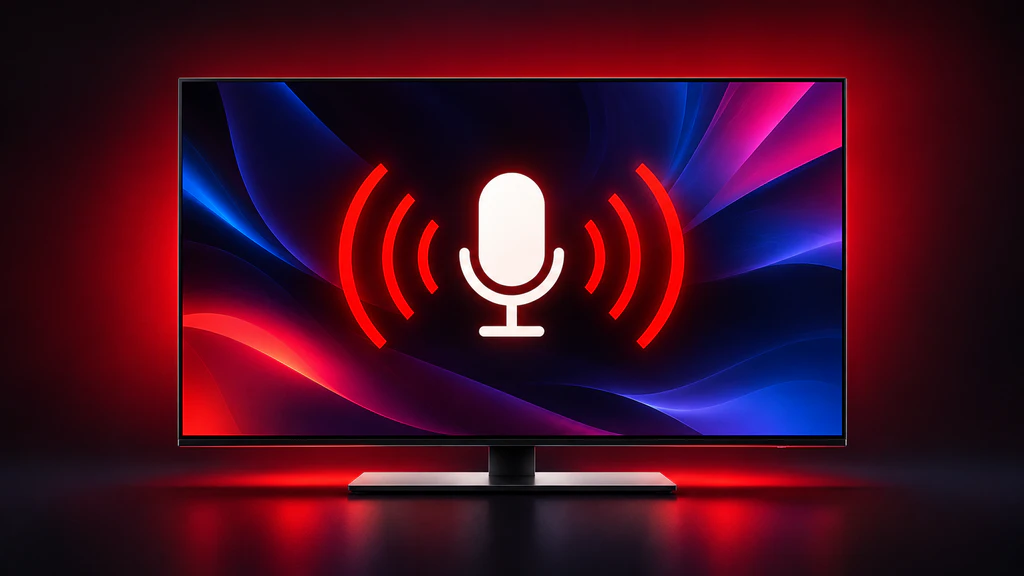
LG has found itself at the centre of a serious controversy over the privacy of smart TV users. Portuguese consumer group Citizens Voice has filed a class-action lawsuit against the manufacturer, alleging that some TVs may be recording household conversations without their knowledge. The group is calling for selected models to be pulled from sale and for free repairs of devices already sold. LG strongly denies the allegations.
TVs reportedly recorded audio even without an internet connection
The case began with an investigation by Gamers Nexus in collaboration with security experts. According to the researchers, some LG TVs could record ambient audio even with the screen off, store it locally without internet access, and then transmit it once the connection was restored.
Citizens Voice wants independent experts to verify whether the TVs can actually record conversations without voice control being consciously activated. The lawsuit also names Portuguese retail chains FNAC and Worten, which sold LG devices.
The manufacturer rejects the claims. According to LG, voice recognition features activate only after the correct command is spoken or a button on the remote is pressed. The company says that, unless voice control is activated, conversations are not recorded or sent to servers.
Samsung, Roku and Vizio also under scrutiny
The controversy is not limited to LG. Researchers at Northeastern University tested 12 TVs to check how ACR technology, which recognises the content being watched and can be used, among other things, to personalise ads, operates.
In the cases of Samsung, Roku and Vizio systems, network traffic resembling ACR data transmission was detected even after tracking was turned off by the user. The researchers note, however, that because of encryption they could not conclusively determine the contents of the data sent.
Interestingly, the LG TV tested with webOS correctly stopped ACR transmissions after the feature was turned off. So the study's results do not support allegations that LG was recording conversations.
The case in Portugal is still awaiting a ruling. Its outcome could, however, have implications for future privacy rules for Smart TV users.
Sources: PRAD, HDTVTest, Northeastern University