 Redakcja Choose TV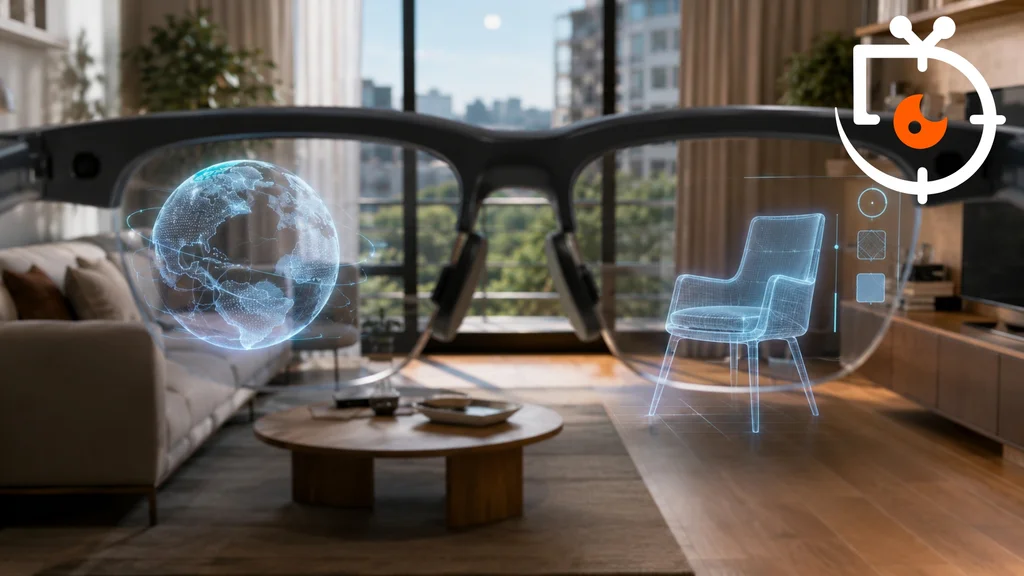
One of the biggest challenges for modern augmented reality (AR) glasses is properly combining the real world with digital elements. Current solutions often improve the appearance of virtual objects at the cost of reducing visibility of the surrounding environment. Researchers at the Shibaura Institute of Technology in Japan have developed a new method that could solve this problem. The team created an intelligent image-display system that adapts to ambient conditions and to the way people perceive the world. As a result, digital elements remain realistic while the user doesn’t lose a clear view of their surroundings. The technology could significantly impact the development of future AR glasses.
Intelligent system adapts the image to ambient conditions
The new solution is not based solely on hardware changes but primarily on an intelligent algorithm that analyses the way the user sees. The system uses a method known as "mask balancing", whose aim is to properly balance real-world and virtual imagery. Until now AR glasses often darkened parts of the environment so that digital objects would look more realistic. The result, however, was poorer visibility of the surroundings, especially when using the device outdoors. The new technology dynamically regulates the amount of light coming from the real world and from the displayed digital elements. This keeps both images legible and prevents them from competing with each other. Among other things, the researchers used special polarising elements to control the flow of light. The solution is intended to improve the comfort of using augmented reality glasses in various lighting conditions. The goal of the project was to create a system that operates more naturally and better matches the way the human eye perceives the environment.
Eye tracking and scene analysis increase realism in augmented reality
The prototype also uses eye-tracking technology and real-time scene analysis. The system recognises what the user is looking at and the prevailing lighting conditions. Based on that it automatically adjusts the balance between the real-world view and virtual imagery. This lets digital objects retain a realistic appearance without hindering the user’s view of their surroundings. Researchers ran a series of user tests to refine the algorithm and assess its effectiveness under different conditions. The results showed improvements both in visibility of the real world and in the quality of presented AR elements. The technology could be applied not only in gaming but also in navigation, healthcare, education, industry and remote work. In such applications, the ability to see the environment and digital information clearly at the same time is crucial for user safety and comfort. It’s another step towards creating AR glasses that could enter everyday use.
New technology developed by researchers in Japan could solve one of the biggest problems with modern AR glasses. Intelligent image adaptation preserves a clear view of the real world without degrading the quality of digital objects. If the solution makes it into commercial devices, augmented reality could become far more practical for everyday use.
source: digitaltrends