 Redakcja Choose TV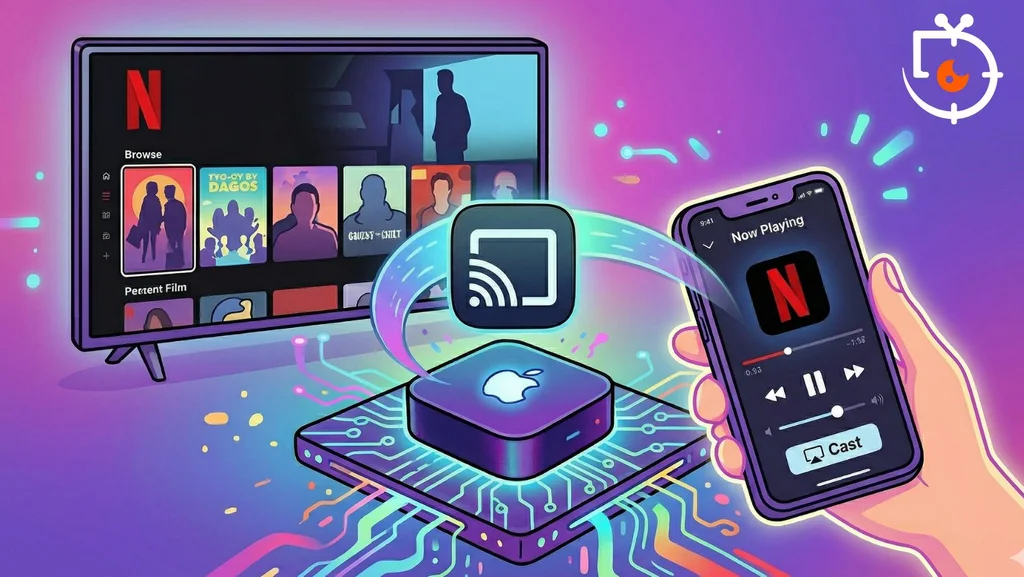
Apple TV users appreciate this device for one reason: consistency. Whether you are watching a film on a niche platform or a blockbuster, everything has worked according to the same rules, with the same interface and gesture controls. However, the latest Netflix update, reported by FlatpanelsHD and HDTVTest, disrupts this order. The streaming giant has made a bold move – it has abandoned the system player of Apple in favor of its own proprietary solution. This is a change that raises a fundamental question: is the pursuit of an identical appearance of the application on every device more important than utilizing the full potential of premium hardware?
Between Convenience and Unification: What Has Really Changed?
From Netflix's perspective, this move seems logical – maintaining dozens of different versions of the app for each operating system is a huge engineering challenge. By introducing its own player, the company can roll out new features globally faster, without waiting for updates from Apple. However, for those holding the iconic remote with the apple logo, this "logic" comes at a price. The most noticeable change is the navigation method. The famous thumb-twirling gesture on the remote that allowed for instant and incredibly precise scene scrolling simply doesn't work in the new player. Instead, we now have a more classic, incremental system that we know from Smart TVs of other brands.
It's not just a matter of habit, but a whole philosophy of the ecosystem. The native Apple player was an vessel connected to the entire system. The new Netflix interface interrupts these paths.
Where is the line of compromise?
Although the internet has erupted and there have been numerous critical voices on Reddit regarding connection stability and 4K quality in the new version, it is worth looking at this change from a broader perspective. Netflix is not the first – Disney+ is also going its own way. The biggest challenge for Netflix now will be to prove that their own solutions can match the standards that Apple has accustomed us to. For now, users feel a certain dissatisfaction because what they have received seems to be a step towards simplification rather than development.
For many, Apple TV is more than just a Netflix device – it's a multimedia center that was supposed to be "transparent" and intuitive. If more services begin to isolate themselves within their own players, buying such equipment (and let’s say it’s quite expensive) may lose its purpose. Is this a reason to abandon the service? For most, probably not, because the quality of content is more important here. For those who value every millisecond of responsiveness, this is a clear signal that Apple devices do not provide full reliability in this regard, and the best part is that it’s not Apple’s fault.
Source: hdtvtest, flatpanelshd, reddit