 Redakcja Choose TV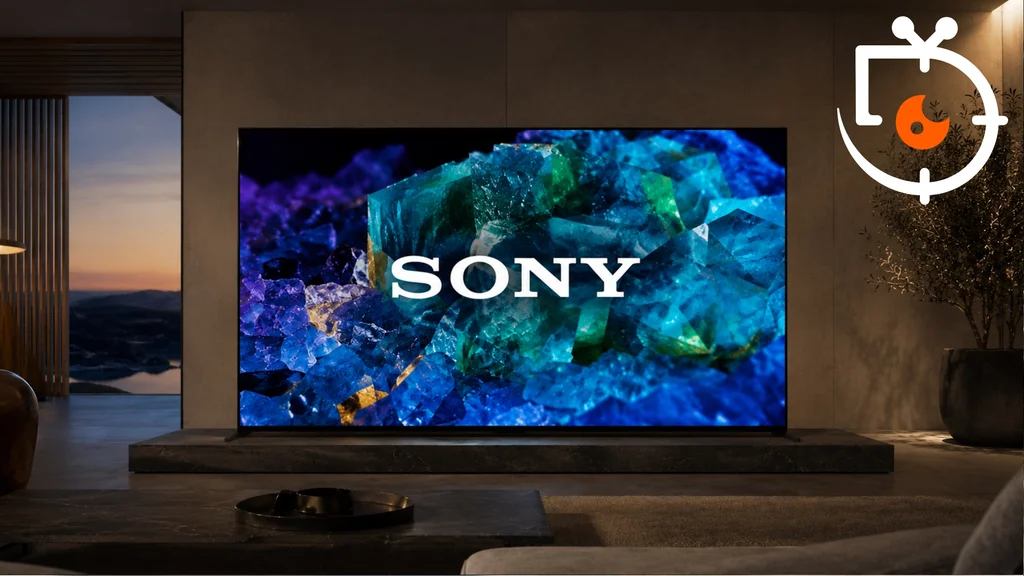
Sony has officially unveiled its Bravia TV lineup for 2026 and introduced several significant changes for people planning to buy a new screen. The biggest addition is the debut of True RGB technology, which is intended to provide better color reproduction in LCD TVs. The manufacturer is also expanding the lineup with new models across various price tiers and is promising a more affordable OLED TV. At the same time, some last year’s models remain on sale, making the overall offering even broader. Sony clearly shows it intends to compete both in the premium segment and among more affordable models.
True RGB arrives on Sony TVs. Bravia 9 II and Bravia 7 II open a new chapter
The biggest launch in this year’s lineup is the Sony Bravia 9 II and Bravia 7 II, which are the manufacturer’s first TVs to use True RGB technology. The solution is based on an LCD backlight made up of red, green, and blue LEDs, which allows for a much wider color gamut approaching the BT.2020 color space used in modern HDR content. The new models remain LCD TVs, but they use new panels developed by TCL CSOT, offering wider viewing angles. The flagship Bravia 9 II offers up to 1,530 local dimming zones in the 75-inch version and brightness reaching 4,000 nits, making it one of the brightest TVs in Sony’s history. The model will be available in sizes from 65 up to 115 inches, and all versions except the largest will get a matte screen coating. Slightly lower in the lineup is the Bravia 7 II, which also uses True RGB but offers fewer dimming zones and lower brightness. The manufacturer emphasizes, however, that both models provide noticeably better color reproduction than traditional Mini LED TVs. Sony thus joins the ranks of manufacturers such as Samsung, LG, Hisense, Philips and TCL, who are also developing their own versions of RGB LED technology. The company also notes that True RGB should not be confused with microLED technology, since a classic LCD panel is still used. It’s a completely different solution, despite the similar-sounding names. The debut of the new models marks the beginning of the next stage in the development of LCD TVs in Sony’s lineup.
New features, cheaper models and OLED for more users
In addition to its flagship designs, Sony has also prepared more affordable Bravia 3 II and Bravia 2 II models. The TVs do not use True RGB backlighting or Mini LED, but they still offer Google TV, Chromecast support and access to the most popular streaming platforms. The Bravia 3 II will also be available for the first time in a 100-inch version, expanding the range of very large screens. The manufacturer is also working on a new Bravia 6 series, which according to unofficial information is set to become the brand’s cheapest OLED TV ever. New additions include a backlit USB-C rechargeable remote, a Direct Connect feature that enables a wireless connection between the TV and Sony speakers, and a new My Cinema interface that lets you create separate picture and sound profiles for individual streaming apps. The TVs support HDR10, HLG, Dolby Vision, Dolby Atmos, DTS:X, IMAX Enhanced, AV1 decoding, Wi-Fi 6 and features tailored for the PlayStation 5. However, the manufacturer still hasn’t committed to support for HDR10+ or the new Dolby Vision 2 standard. It’s also noteworthy that the use of the Pentonic 1000 processor in the most expensive models means they include only two HDMI 2.1 ports, while the much cheaper Bravia 3 II offers as many as four. The first TVs from the Bravia 2026 line are expected to go on sale in July. Sony hopes the new True RGB technology and the expanded OLED lineup will help the company compete more effectively with the largest premium TV manufacturers.
Sony unveiled its Bravia TVs for 2026, introducing True RGB technology to its flagship LCD models. The manufacturer also expanded the lineup with new midrange TVs and is preparing the most affordable OLED TV in the brand's history.
source: flatpanelshd