 Redakcja Choose TV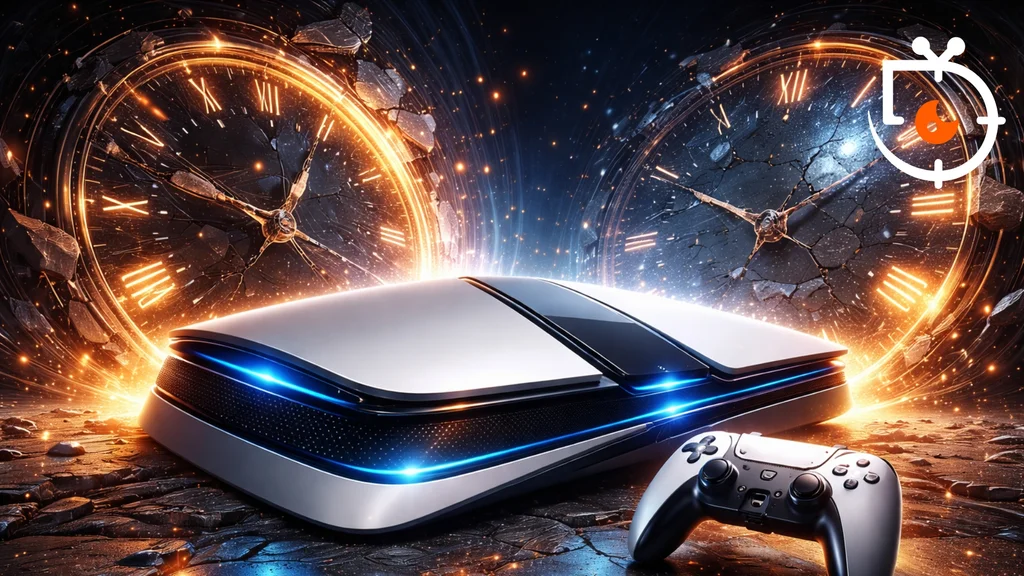
The semiconductor crisis is back in a new form and this time it is hitting not only the PC market. The growing demand for DRAM and NAND memory, along with the limited production capacities of TSMC, is beginning to affect the console industry as well. According to the latest information, Sony is analyzing the possibility of delaying the release of PlayStation 6. Instead of debuting around 2027, the new generation may not appear until two years later. In the background, there is of course a boom in artificial intelligence, which is "sucking" resources from the entire hardware market. This means rising costs and more difficult strategic decisions.
PlayStation 6 later than expected?
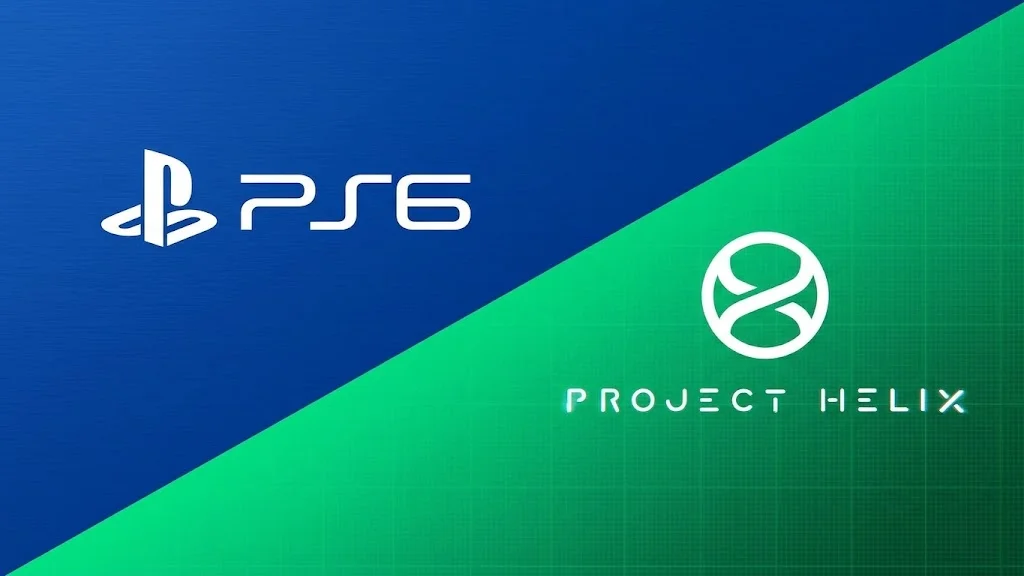
According to Bloomberg, Sony is considering a scenario in which PlayStation 6 will debut only in 2028 or 2029. This is a clear departure from the previous release cycle, which suggested 2027 as a natural point for a generational change. The reason is said to be cost pressure and issues with the availability of key components. The production of modern integrated circuits is largely subordinated to the needs of companies developing AI, which limits the availability of production capacity for other industries.
Not just Sony. Nintendo and Microsoft are also under pressure
The issues are not limited to PlayStation. According to reports, Nintendo is analyzing the possibility of raising the price of the Switch 2 in 2026, despite earlier statements about price stability. Meanwhile, the next Xbox, which is rumored for 2027, may turn out to be more expensive to produce due to the new APU architecture from AMD. If component costs continue to rise, the price advantage of consoles over PCs will start to blur. This could change the way players approach hardware; some may stay with the current generation longer than usual.
What does it mean for gamers?
The extended lifecycle of current consoles means more remasters, enhanced versions, and gradual updates instead of a quick technological leap. At the same time, more expensive components may drive up the prices of new devices when they finally arrive. If the AI boom doesn't slow down, the coming years could be a transitional period for the gaming industry – with a greater emphasis on services, subscriptions, and cloud gaming instead of traditional hardware launches.
Source: Bloomberg