 Redakcja Choose TV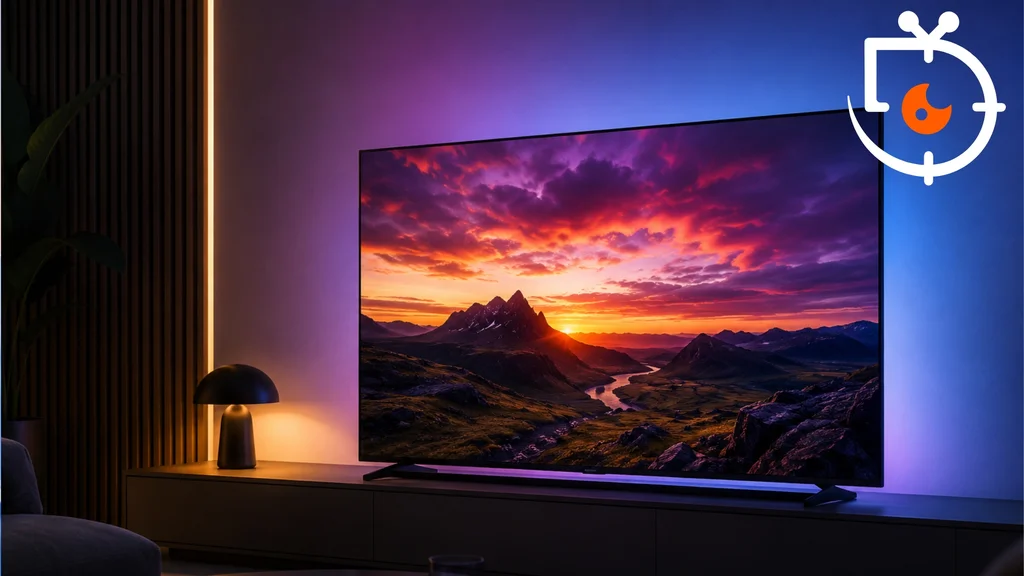
Television manufacturers are increasingly boasting about support for Dolby Vision 2, which aims to improve picture quality and prepare devices for the future. In practice, the new standard will not be available from day one after purchasing the device. Companies like TCL, Philips, and Hisense have confirmed that the activation of Dolby Vision 2 will only occur through a system update. Furthermore, users will initially have limited content available to watch. The first wave of implementation is expected to be gradual and spread over several months. This means that we will only discover the full capabilities of the technology in the coming years.
Televisions will receive Dolby Vision 2 only after an update
The fastest to implement the new feature is Hisense, which talks about an update at the end of the second or in the third quarter of 2026. TCL and Philips are more cautious and rather point to the end of the year. Dolby also informs that broader implementation of the technology is planned only for the last months of 2026. Importantly, Dolby Vision 2 will not be available for older televisions. The technology requires new hardware, including the MediaTek Pentonic 800 chipset or newer. This means that even some relatively new models will not be able to be updated.
Content is lacking that utilizes the new standard
An even bigger problem is the current availability of materials prepared for Dolby Vision 2. At this moment, the project's partners are only the platforms Peacock and Canal+. No major film studio has yet announced productions specifically created for the new format. The first phase of implementation will involve converting existing Dolby Vision materials to the newer version. Only later will filmmakers and television creators begin to prepare content designed from the ground up for Dolby Vision 2. Support from platforms such as Netflix, Disney+, Apple TV+, Max, or Prime Video will also be crucial.
Dolby Vision 2 is shaping up to be an important step in the development of image quality, but its debut will be much slower than anticipated. Even owners of new televisions will have to wait for updates and the first dedicated content. In practice, the full potential of the technology may not be realized until 2027 or even later.
source: flatpanelshd