 Redakcja Choose TV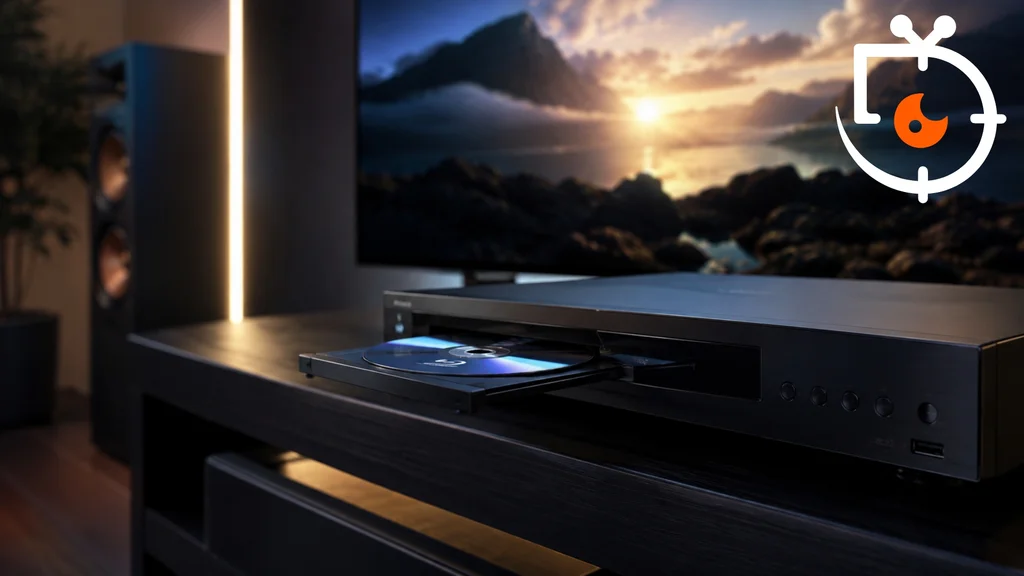
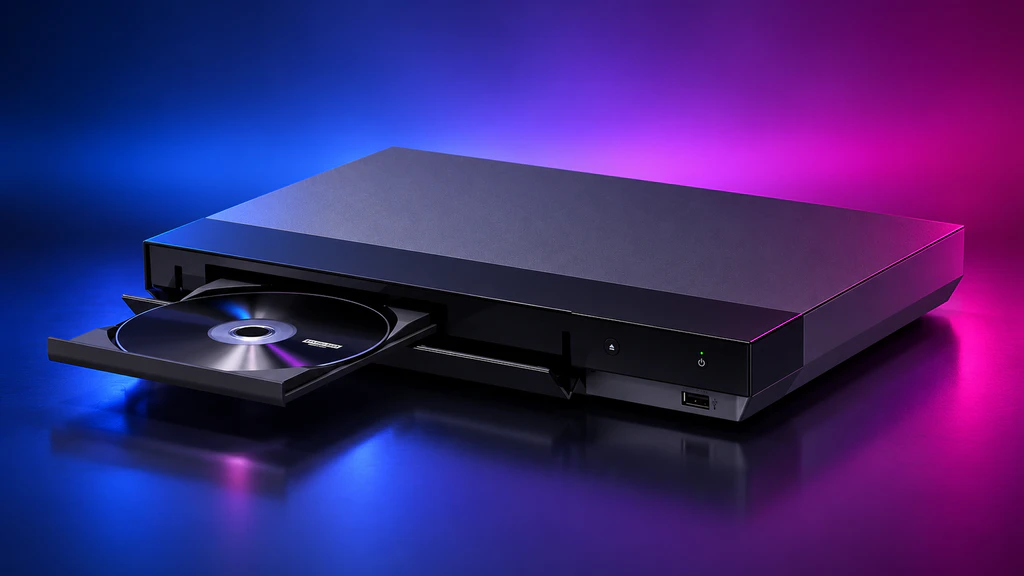
Dolby has confirmed important news for people who still use 4K Ultra HD Blu-ray discs. The new Dolby Vision 2 standard does not require a new player from a technical point of view. Existing devices could support this technology with an appropriate firmware update. That means, in theory, owners of current UHD Blu-ray players would not have to buy new hardware to take advantage of the new HDR format. The problem is that technical feasibility alone is not enough. Player manufacturers would have to decide to prepare and provide updates, and some of the biggest companies have already exited the disc-player market. Moreover, interest from movie studios would also be needed, since they would have to prepare appropriate releases.
Dolby Vision 2 doesn't require new hardware, but manufacturers must update players
Dolby Vision 2 uses additional metadata that can be transmitted over existing HDMI connections. According to Dolby, there is therefore no technical limitation that would force the creation of entirely new hardware dedicated solely to supporting the standard. Current UHD Blu-ray players could theoretically receive a firmware update and be configured to work with Dolby Vision 2. That's good news mainly because the 4K Blu-ray player market has been struggling for some time. Oppo, LG and Samsung have already stopped producing such devices, and Reavon has also announced it is exiting the segment. That means the number of manufacturers who could actually prepare updates for existing devices is getting smaller.
The situation is particularly interesting for Sony, since the company remains one of the key makers of hardware with UHD Blu-ray drives. However, Sony has confirmed that it currently does not plan to work with Dolby to make Dolby Vision 2 available on existing players. This also applies to the PlayStation 5, which includes a UHD Blu-ray drive. In practice, this means that even if everything is possible on the hardware side, users won't necessarily get the feature.
Dolby Vision 2 may remain primarily a streaming technology
Beyond the players themselves, involvement from film studios would also be required. For Dolby Vision 2 to actually appear on UHD Blu-ray discs, studios would have to prepare appropriate source materials and bear the additional costs of producing them. It's hard to expect they'd want to invest in a new standard if only a small fraction of available players support it. That's why Dolby Vision 2 may have much better chances of taking off in streaming. Streaming platforms have greater control over the software on their devices and can more easily roll out new features via updates. The question remains whether makers of devices like players and streaming devices from Amazon, Apple, or Google will also choose to issue updates that take advantage of Dolby Vision 2's capabilities.
Interestingly, even people who won't have access to Dolby Vision 2 on their discs may benefit from some of its advantages. Dolby says TVs that support the new standard will be able to improve the look of standard Dolby Vision content as well. That means films on existing UHD Blu-ray discs could look better on new TVs equipped with Dolby Vision 2, even if the player itself isn't updated.
Dolby Vision 2 can technically work on existing UHD Blu-ray players because it doesn't require new hardware or new HDMI connections, only an appropriate firmware update. The problem, however, is the lack of interest from manufacturers, many of whom have already withdrawn from the disc player market, and Sony currently does not plan to update its devices. Add to that the need to involve film studios, and the new standard has a much better chance of developing in streaming than on 4K Blu-ray discs.
source: flatpanelshd