 Redakcja Choose TV
Disney+ could once again lose the ability to offer 4K video to users in Europe. The platform began restoring 4K resolution in August on some devices and for selected titles, using the VP9 codec. The move was intended to get around an ongoing patent dispute over HDR and HEVC technologies. InterDigital, however, claims that using VP9 also infringes its patented solutions. If Disney loses again before a European patent court, image quality problems could worsen further.
Disney+ has been fighting for 4K and HDR for months
Disney+'s problems in Europe began in February, when Dolby Vision and 3D disappeared from the platform. Some formats returned in mid-March, but in June they were removed again in many European Union countries. In July the restrictions also affected 4K and HDR10. The situation is the result of an ongoing patent dispute between Disney and InterDigital. The conflict concerns patents related, among other things, to HDR technologies and the HEVC codec. InterDigital has already won rulings in this case before the Unified Patent Court and a court in Brazil. Disney therefore began looking for ways to continue delivering high-quality picture without using the technologies covered by the dispute. One idea was to switch from HEVC to VP9. In August the platform began restoring 4K on selected devices and for some movies and series thanks to that. However, this did not mean a return to full quality, because HDR remained unavailable. To use VP9, Disney must re-encode the video content in that format. It now appears that even such a change may not end the platform’s problems. InterDigital has expanded its lawsuit against Disney to include the VP9 technology.
InterDigital claims VP9 also infringes its patents
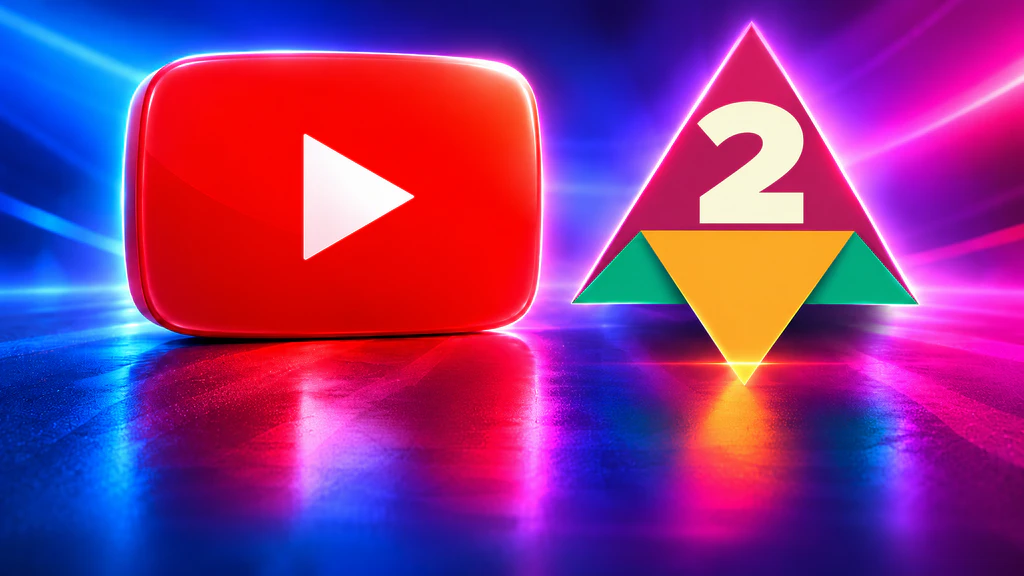
InterDigital says Disney is using VP9 as a way to circumvent an earlier patent dispute. The company alleges that VP9-related encoding technology also implements its patented solutions. In practice, switching the codec from HEVC to VP9 may not be enough to keep 4K on Disney+'s European service. InterDigital emphasizes that it tried to reach a licensing agreement with Disney several years ago. According to the company, talks did not lead to a deal, so the matter went to court. Amazon Prime Video avoided a similar problem by reaching a patent agreement with InterDigital. Disney therefore faces a choice between another court battle and finding another technology that can support high-quality video. VP9 can deliver 4K video, as YouTube demonstrates, but the codec itself does not provide HDR support. Disney previously said HDR would be restored at a later date. However, it is unclear how the platform plans to do that given the current limitations. One option is switching to the newer AV1 codec, which supports both 4K and HDR. The problem is that AV1 is still not widely supported by Smart TVs and streaming devices. If it loses, Disney could face another problem related to technologies marketed as royalty-free.
Disney+ has been struggling for several months in Europe with restrictions on video quality stemming from a patent dispute with InterDigital. The platform tried to restore 4K using the VP9 codec, but InterDigital says that technology also infringes its patents. Another possible route is AV1, but its support in TVs and streaming players is still not widespread enough. The outcome of the dispute could matter not only for Disney+ but for the entire streaming industry.
source: flatpanelshd