 Redakcja Choose TV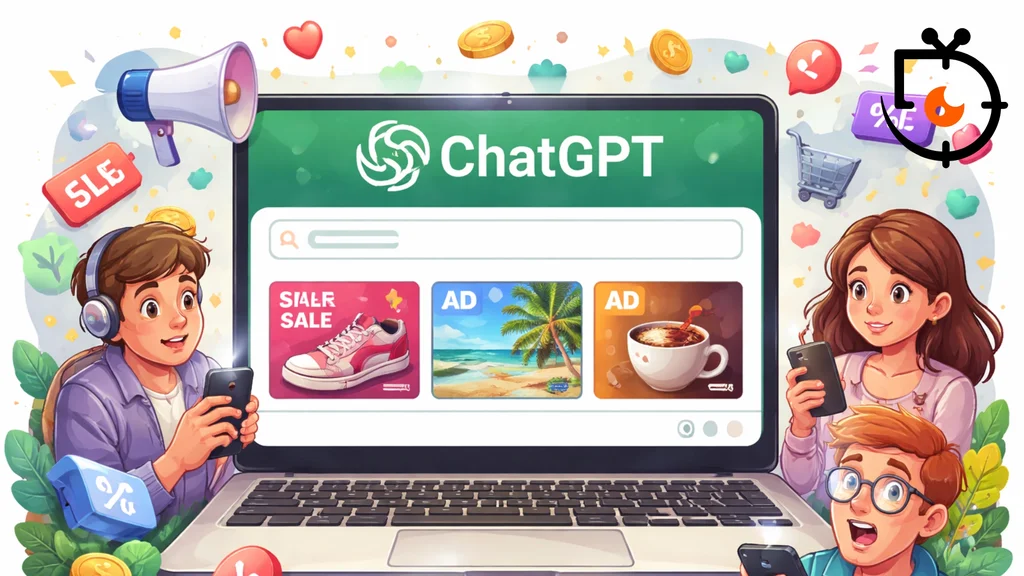
Starting today, ChatGPT is testing ads in the USA, targeting logged-in, adult users of the Free and Go plans. Plus, Pro, Business, and Enterprise subscriptions remain ad-free. The company emphasizes that the goal of the test is to support the further development of the service while maintaining user trust. At this stage, feedback is being collected to help refine the new solution.
Why ChatGPT is Introducing Ads
ChatGPT is used by hundreds of millions of users for learning, work, and daily decision-making, and maintaining high performance in the Free and Go plans requires significant investment in infrastructure. Ads are intended to help fund the further development of the service and ensure wide access to AI in free and cheaper options. Those who do not want to see ads can choose Plus or Pro, or turn off ads in the Free plan at the cost of a lower daily message limit.
How advertisements work and what about user privacy
The introduced advertisements do not affect ChatGPT's responses, which remain neutral and focused on genuinely helping the user. Sponsored content is always clearly marked and separated from responses, and their selection is based solely on the overall context of the conversation and previous interactions with advertisements, without access to private chats or personal data. Advertisers receive only aggregate statistics, such as the number of views or clicks.
During testing, advertisements will not be shown to underage users or in the context of sensitive topics such as health, mental health, or politics. Users retain full control over the advertisements; they can reject them, provide feedback, check the reasons for their display, and manage personalization or delete advertising data with one click.
Advertisements in ChatGPT are to be safe, transparent, and fully under the user's control, without interfering with the content of responses and without access to private conversations. The company emphasizes that this is a test solution, being gradually developed with an emphasis on user privacy and trust.
source: openai.com