 Katarzyna Petru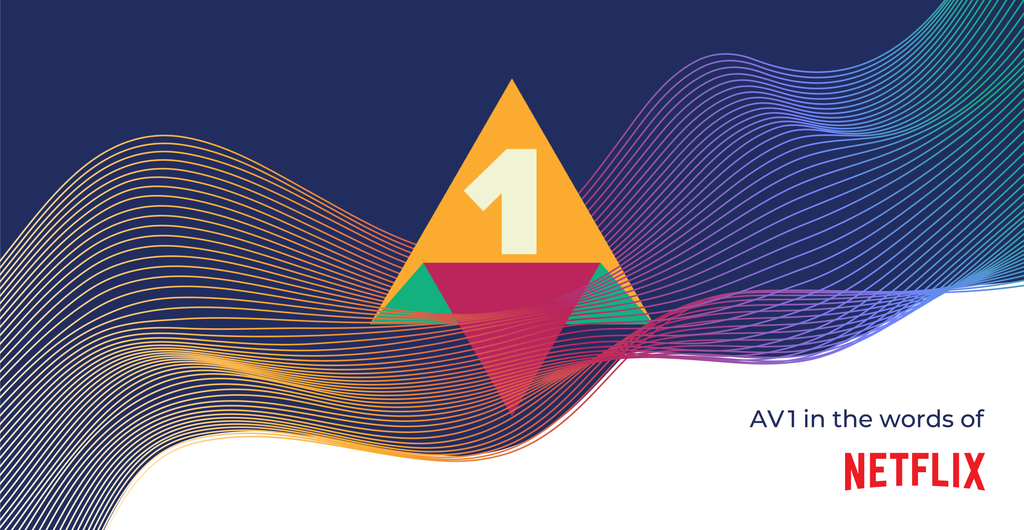
Netflix officially confirms: the transition to AV1 codec is accelerating, and new data shows that the change in standard is practically certain. The platform revealed the current state of implementation and plans regarding the future of video encoding.
AV1 is growing faster than expected
Since entering streaming in 2007, Netflix has primarily relied on H.264/AVC and later gradually transitioned to HEVC. However, AV1 has now become a key element of the company's strategy. According to the latest report, AV1 already accounts for about 30 percent of all plays on the platform.
“AV1 is our second most used codec and will soon become number one” – reports Netflix. This is the result of years of investing in open and efficient coding standards.
Better quality, less buffering
On AV1 televisions, it outperforms AVC and HEVC in both image quality and transmission efficiency:
an average 33 percent lower data usage,
45 percent fewer buffering interruptions,
better detail reproduction and film grain thanks to Film Grain Synthesis, where grain is removed during compression, and the playback device adds it back without any loss in quality.
This is crucial for HDR quality, especially in film content.
Where does AV1 work? Practically on all new TVs
Netflix reminds that since 2021, 88 percent of large screens submitted for certification by the platform provide hardware support for AV1 — mainly Smart TVs, set-top boxes, and streaming devices. Since 2023, almost every new device model supports AV1 at 4K@60 fps. Important deployment points:
2021 – AV1 starts on TVs,
2022 – support in browsers,
2023 – Apple adds a hardware decoder in M3 and A17 Pro,
2025 – Netflix launches HDR10+ in AV1 on Samsung TVs.
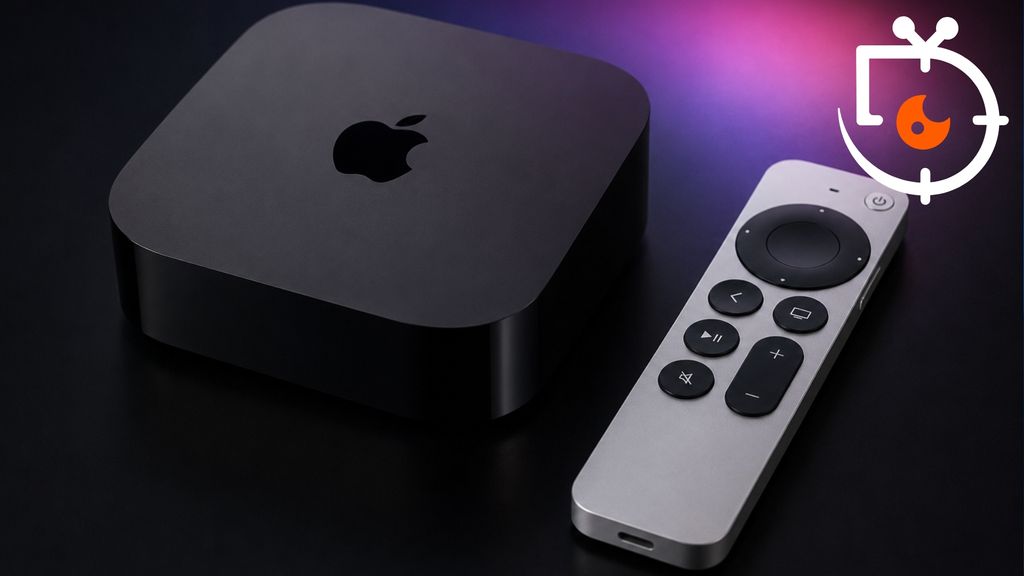
The latest Google TV Streamer has supported AV1 since its launch, and Apple TV 4K will start, provided it receives a chipset of at least A17 Pro. Nvidia Shield — still no announcement of an update.
AV1 will go to live sports and cloud gaming
Netflix officially confirmed that it is testing AV1 in live broadcasts — including sports. This is intended to reduce buffering risk during dynamic scenes. The second important announcement: AV1 will be used in Netflix's cloud gaming. Better compression is expected to reduce latency and improve quality in games streamed to TVs and mobile devices.
What about the remaining 70 percent of streams?
The reasons are mainly:
lack of hardware support on older devices,
limitations in HDR10 and Dolby Vision streams, which are just starting to gain momentum in AV1.
Netflix does not plan to implement VVC (H.266), even though it is the official successor to HEVC.
Netflix confirms interest in AV2
The statement also confirmed that AV2 is nearing its premiere. Although the company does not provide a implementation date, it clearly suggests that this will be the next step after AV1:
“AV2 is the future of streaming, but AV1 is the present.”
The first devices with AV2 support have not yet been announced.