 Maciej Koper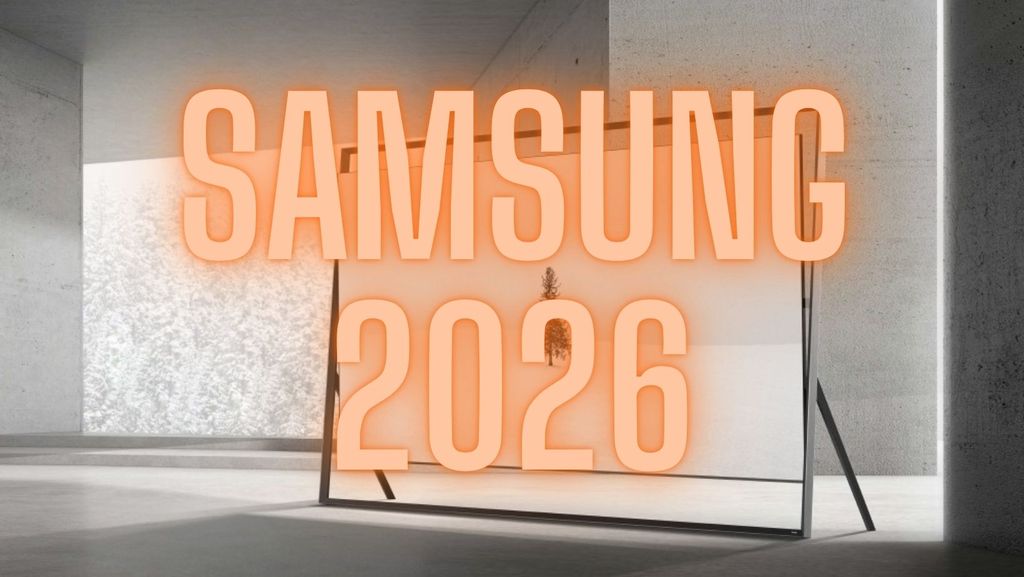
If anyone expected only cosmetic changes at this year's CES 2026 in Las Vegas, Samsung's booth quickly set them straight. While the competition, led by LG, showcased solid but predictable innovations, engineers from Korea opted for a strategy that can most simply be described with the slogan: "we're going against the current." This year's lineup is not only a race for specs and resolutions but, above all, a bold and at times even controversial attempt to redefine the aesthetics of the living room.
You can find more details in the video material:
S95H: Flagship, with The Frame bezel
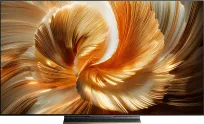
The new flagship from the OLED family, the S95H model, undoubtedly generates the most excitement. Samsung made a move here that few expected – merging top-tier QD-OLED technology with the aesthetic known from the lifestyle series The Frame. The result is a television encased in a thick, metal frame, which forms an integral, non-removable part of the construction. Although the device looks exceptionally noble on the wall, almost like a framed piece of art, it may be a difficult pill for fans of bezel-less screens to swallow. However, it seems that the manufacturer is confident in its choice, opting for "Art Mode" as the standard, which also suggests a great certainty regarding the durability of OLED panels and their resistance to burn-in when displaying static images.
However, the controversies do not end with the appearance. The S95H model has abandoned the included One Connect module. All ports have returned to the back of the device, which may be a significant disappointment for many loyal brand fans. However, Samsung left a "back door" for enthusiasts of clean mounting – from now on, the wireless One Connect module can be purchased as an accessory. Interestingly, this solution makes the S95H the first OLED television in the world that can be equipped with as many as eight HDMI 2.1 ports.
In terms of pure picture quality, Samsung is certainly not slowing down. The S95H utilizes the fifth generation of QD-OLED panels, which in tests achieve an astonishing 2700 nits of peak brightness. This represents a noticeable jump of several percentage points compared to last year's model, the S95F, which we tested for you. It is worth noting, however, that the 83-inch model and the new 48-inch variant still use Tandem OLED panels supplied by LG Display, which the manufacturer tries to discreetly omit in marketing materials.
S90H: Matte OLED screen not just in the top series
Interesting things are happening in the S90H series as well. Samsung, analyzing sales results, decided to unify its OLED offering in terms of screen coatings. Starting this year, the S90H model, like its more expensive sibling, will feature a matte panel free of reflections. This is a bold move that ends the debate over the superiority of glossy finishes over matte ones. Samsung is prioritizing user peace of mind and viewing comfort in sunlit living rooms, even at the expense of orthodoxly understood richness of blacks. Let us know what you think about matte screens!
R95 and R85 Micro RGB: The Evolution of Mini-LED Displays
The true technological showcase at CES 2026 is the Micro RGB technology (also known as RGB MINI-LED). It is an evolution of the LED backlighting we know, using independent, three-color RGB diodes instead of standard white diodes. The result is nearly perfect reproduction of the BT.2020 color space (Samsung claims a score of 100%), which translates to color saturation unlike anything we have seen before in consumer televisions!
The star of the booth is a 130-inch giant from the R95 series, which with its size and designer frame evokes solutions from the ultra-premium segment, previously reserved for the wealthiest. However, it is the R85 series (available from 55 to 100 inches) that has the potential to change the market. Samsung claims that these models will be significantly more affordable, becoming a real, more "premium" alternative to the Neo QLED series. If these promises are fulfilled, we could witness the birth of a new category of devices that can realistically be purchased in stores!
HDR10+ Advanced: The Answer to Dolby Vision 2
One of the most interesting highlights of the program was a closed demonstration of the new HDR10+ Advanced technology. Samsung has consistently ignored the Dolby Vision standard for years, and this year's fair confirmed that nothing has changed in this regard. HDR10+ Advanced is a direct response to Dolby Vision 2, aimed at squeezing even more out of televisions.
During the workshop, a demo of a film with muted colors and minimal lighting effects was presented. Thanks to the extensive metadata, the Advanced standard allowed the television to intelligently boost the brightness of the lights in real-time. Although for purists of image quality this may sound like a departure from the "author's intent," the end result is incredibly convincing—the image looks like it has been better mastered, with greater but natural intensity of lighting effects. It is worth noting, however, that for this to work, the metadata must be embedded in the film during the production stage; the television does not "draw" them on its own. So the question is different... Are film studios ready for these two formats? Because we know that most televisions shown at CES 2026 certainly are.
Q-Symphony: Expanding the ecosystem with other brands
Lastly, it's worth mentioning the changes in the audio sphere that may prove crucial for those seeking better sound. The Q-Symphony feature, allowing the TV speakers and soundbar to work together, is finally going beyond the closed circle of products with the Samsung logo. The manufacturer has announced support for this technology in selected devices from the brands JBL and Harman Kardon. This is a logical, albeit long-awaited step, considering that Samsung has owned these legendary brands for years. From now on, building a high-quality sound system will become much simpler!
Samsung for 2026 is a company confident in itself, which instead of following trends, tries to create them on its own. This is not surprising at all, as they have been number 1 in television and soundbar sales for over the last 20 years. Are thicker bezels and wireless modules as an option the future of televisions? We will find out in the spring when the first units arrive on our editorial desk!