 Redakcja Choose TV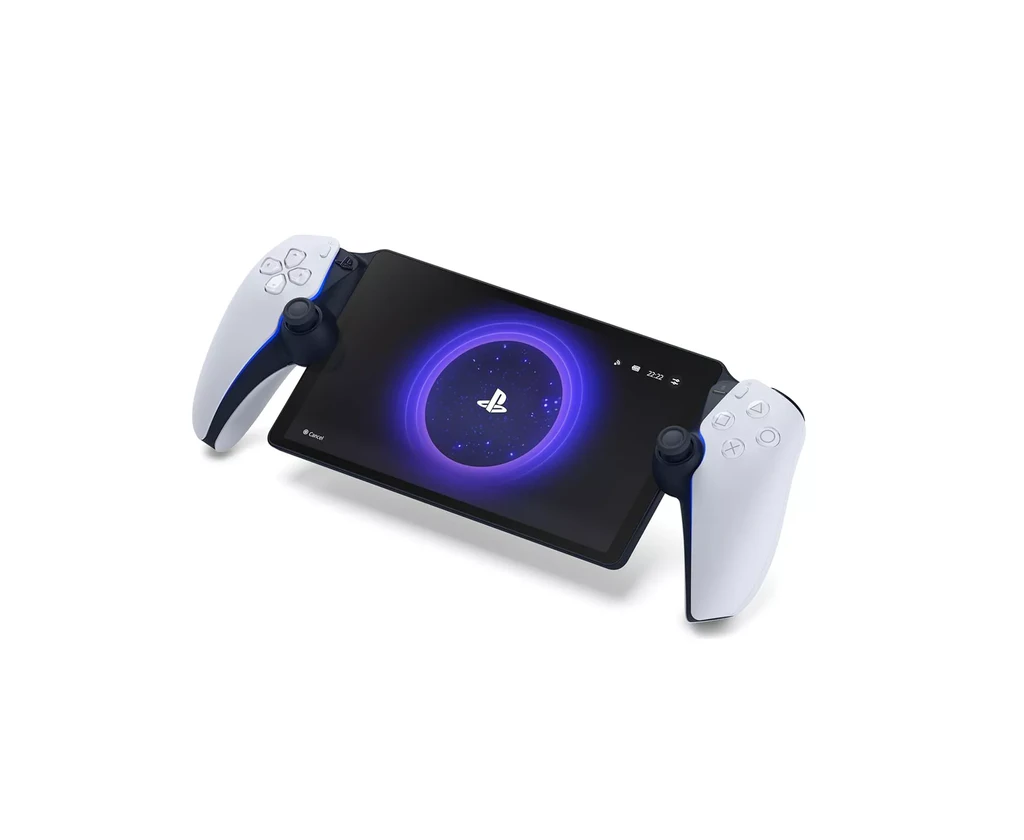
Sony is concurrently developing two next-generation consoles – the classic PS6 and a portable device, tentatively called PS6 Canis. Although both devices are supposed to belong to the same generation, their foundations are completely different. In the case of the handheld, the key priority is not maximum performance, but low power consumption and high energy efficiency.
Two PS6, two different goals
According to the latest information provided by Kepler_L2 – one of the most reliable insiders associated with AMD and Sony – the portable PS6 has been designed from the beginning as energy-efficient hardware. This signifies a conscious departure from the teraflops race in favor of a reasonable balance between performance and battery life. Canis is expected to utilize a specially designed chip aimed at maximum efficiency rather than the pure computing power known from home consoles.
Panther Lake as a Benchmark
To better illustrate the capabilities of Canis, Kepler_L2 compared it to the upcoming mobile Intel Panther Lake processors. According to his estimates, Intel's chips with a power consumption of around 30 W are expected to offer performance comparable to the PS6 Canis operating at just 15 W. This comparison shows how much importance Sony places on energy optimization. It is crucial for the company that the portable console not only runs modern games but does so without excessive overheating and with reasonable battery life on a single charge.
Why not AMD Z2 Extreme or Strix Halo?
Leaks clearly indicate that the current AMD Z2 Extreme APUs are simply too weak to fit the vision of the new generation handheld. On the other hand, the much more powerful units from the Strix Halo family offer high performance, but at the cost of very high power consumption and temperatures – which completely disqualifies them in a portable device.
In this context, Panther Lake emerges as a reasonable benchmark, although Canis itself is supposed to be even more refined in terms of efficiency.
Performance like GeForce RTX 3050
When it comes to real gaming performance, it is said to be comparable to the mobile GeForce RTX 3050 card. This is not power that will allow for gaming at the highest graphic settings, but it is sufficient to run games known from the PS5 in specially tailored, energy-efficient modes. Without graphic fireworks, but with smooth gameplay and acceptable image quality – exactly what can be expected from the portable PS6.
Efficiency Above All
Leaked information also mentions a "dream chip" for this type of device – the MDSH-Mini based on RDNA5 architecture and equipped with 24 compute units. The problem is that such a chip is expected to appear around 2027, so it's more of a vision for the future than a real option for Canis.
Everything indicates that the portable PS6 will be a compromise – conscious and thought-out. Sony does not want to compete on paper performance; it wants to deliver hardware that offers reasonable power, long battery life, and good working culture. The PS6 Canis is not supposed to be the most powerful handheld on the market. It simply needs to be useful. And it looks like that is exactly Sony's plan.