 Redakcja Choose TV
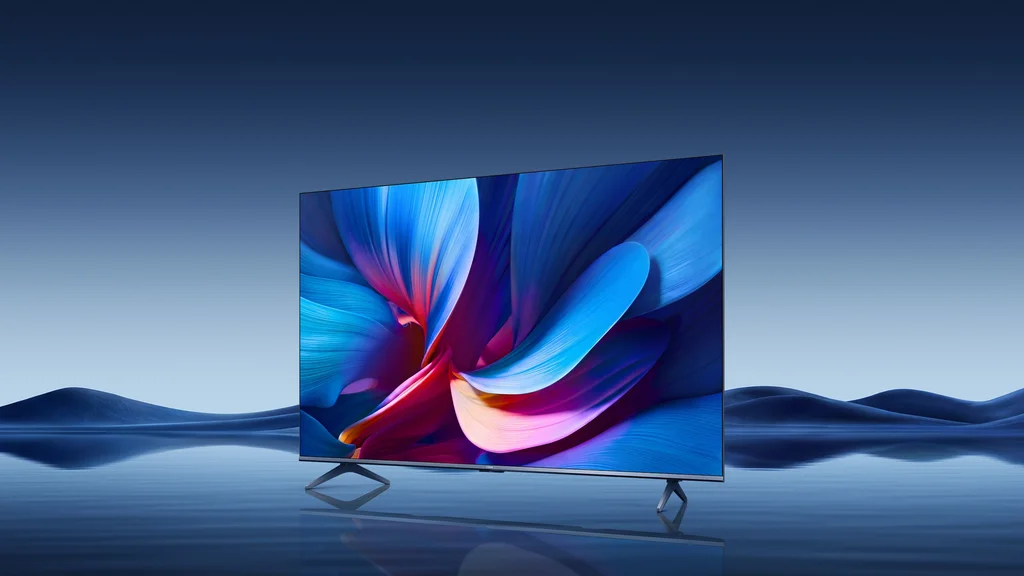
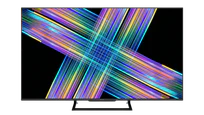
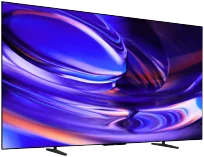
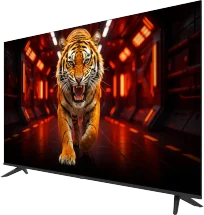
Xiaomi is expanding its line-up with nine TVs in the TV A Pro e series. The new models feature QLED panels, Google TV and screen sizes from 32 to 85 inches. The manufacturer has also included HDR10+ support, a Game Boost 120 Hz mode and a range of features aimed at gamers. However, there are a few significant limitations.
Nine televisions, but not all are 4K
The Xiaomi TV A Pro e series includes six 4K models with screen sizes of 43, 50, 55, 65, 75 and 85 inches. The range also includes two Full HD variants (43 and 50 inches) and a basic 32-inch HD television. The 4K versions use QLED panels with a claimed 94% coverage of the DCI-P3 colour gamut and support for 1.07 billion colours (8-bit + FRC). They are powered by a quad-core Cortex-A55 processor with Mali-G52 graphics. They also include MEMC technology to improve motion smoothness, and support for HDR10+ on selected models.
Game Boost 120 Hz with an important limitation
Five 4K TVs, ranging from 50 to 85 inches, support Game Boost 120 Hz. There is, however, one catch: the higher refresh rate works only with a 1080p signal supplied over HDMI. In 4K resolution the TVs offer the standard 60 Hz.
Each of the six 4K models is fitted with three HDMI ports, including one with eARC and ALLM support. This allows you to connect a soundbar and provides automatic switching to low-latency mode while gaming.
Google TV, Dolby Audio and more powerful speakers
All nine televisions run Google TV and support Dolby Audio and DTS. The 4K variants also offer Apple AirPlay, Google Cast, Bluetooth 5.0 and dual-band Wi-Fi. The manufacturer also lists integration with Gemini, although its availability depends on the country and language.
The 4K models from 43 to 65 inches have 2 × 10 W speakers. The larger 75- and 85-inch versions come with 2 × 15 W speaker sets.
When will they be released and how much will they cost?
Xiaomi has listed the new televisions on its international website, but has not yet disclosed prices or the start date for sales. It is also unclear which models will be sold in Poland. The manufacturer has not provided exact screen brightness specifications either, which makes it difficult at this stage to assess their actual HDR performance.
Sources: Xiaomi, PRAD, Gizmochina