 Redakcja Choose TV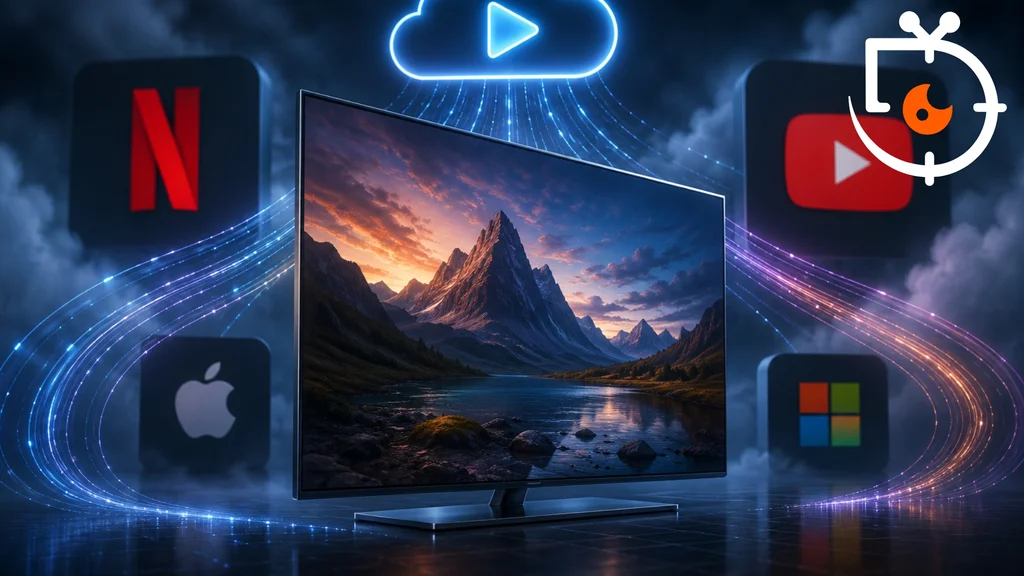
The technology industry has welcomed the launch of another important video standard. After several years of delays, the AV2 codec has been officially presented, which is set to become the successor to the increasingly popular AV1. The new solution has been developed by the Alliance for Open Media, which brings together the biggest players in the technology market. The creators argue that AV2 will significantly reduce the amount of data required to stream high-quality content. This could have a massive impact on streaming platforms and users around the world.
AV2 is set to provide higher image quality with lower data transfer
The biggest advantage of the new codec is expected to be significantly better compression efficiency. According to test results, AV2 can reduce bandwidth requirements by as much as around 30 percent compared to AV1. In practice, this means that streaming services will be able to offer the same image quality with less data consumption. It will also be possible to increase the quality of materials without having to raise the user's internet requirements. The new standard has been prepared with a variety of content types in mind. It will support SD, HD, 4K, 8K materials, as well as content designed for virtual and augmented reality. The creators have introduced a number of technical improvements aimed at more effective image compression. Among them are larger image processing blocks and more advanced methods for predicting subsequent frames. This makes it possible to limit the amount of data transmitted without noticeable deterioration in quality. This is particularly important in times of growing popularity of 4K and 8K materials. Streaming platforms are continually seeking ways to reduce data transmission costs. AV2 may prove to be one of the most important tools in achieving this goal. At the same time, end users can expect more stable streaming on weaker internet connections. In the longer term, the technology could significantly impact the way video content is distributed.
AV2 has a long way to go, but the situation looks better than with the competition
Although the premiere of the codec is an important event, its popularisation will not happen immediately. History shows that the implementation of new video standards can take many years. AV1 debuted back in 2018, and yet it is still not utilised by all streaming platforms. The biggest supporters of this solution remain Netflix and YouTube. At the same time, many services still primarily use the HEVC codec. However, the creators of AV2 are hoping for a faster implementation than that of its predecessor. This is aided by the fact that the development of the standard is in the hands of companies that have a huge influence on the electronic device market. Among them are, among others, Apple, Google, Microsoft, Samsung, Amazon, Nvidia, and Netflix. These companies are responsible for the development of browsers, Smart TVs, smartphones, computers, and streaming services. Unlike the competing VVC standard, which has not gained much popularity for several years, AV2 has a significantly stronger technological backing. Additionally, many modern devices already support AV1, which may facilitate the transition to its successor. The first implementations of AV2 are likely to begin in the coming years. However, we will still have to wait for the full popularisation of the new codec.
AV2 has officially joined the ranks of the most important video standards on the market. The new codec is expected to provide up to 30 percent better compression efficiency compared to AV1, which could translate into higher streaming quality with lower data consumption. Although its implementation will be a process spread over several years, the support from major tech companies gives it a significant chance of success. In the future, AV2 could become one of the foundations of the modern internet and multimedia services.
source: flatpanelshd