 Redakcja Choose TV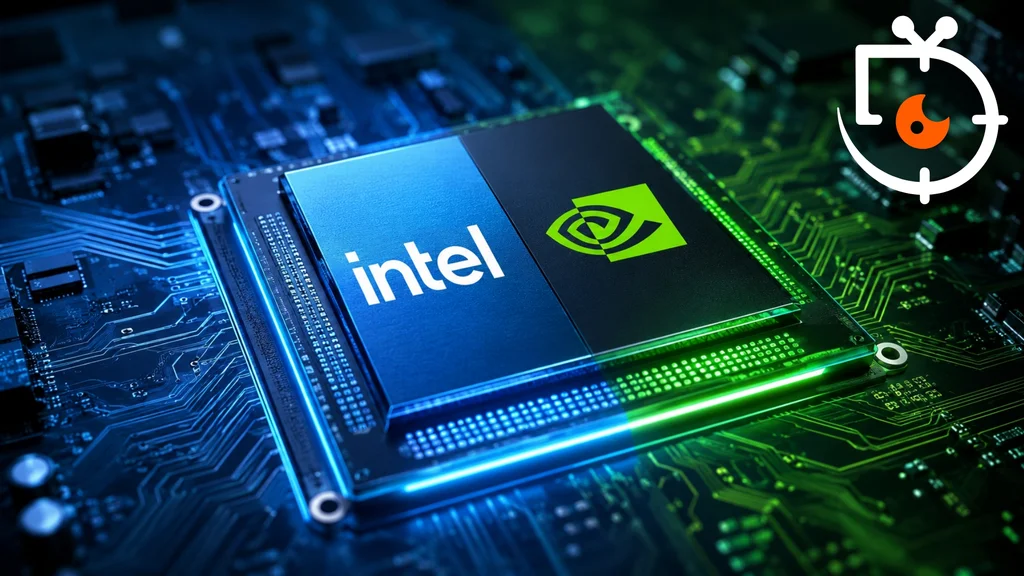
Intel may be one step away from signing one of the most important contracts in the history of its Foundry division. According to the latest reports, NVIDIA is set to entrust the company with part of the production of its future Feynman-family AI accelerators. The collaboration would cover both the production of silicon wafers and the use of advanced chip‑packaging technologies. So far neither side has officially confirmed the deal. Nevertheless, further market signals suggest that talks are at an advanced stage. If the reports are confirmed, it would be a huge success for the strategy being pursued by Intel’s new CEO.
NVIDIA may take an interest in Intel's manufacturing technologies
According to industry reports, future NVIDIA Feynman chips may use both Intel's process technology and solutions related to advanced chip packaging. The discussion focuses mainly on EMIB-T, responsible for linking multiple chiplets, and Foveros Direct 3D, which enables vertical stacking of chiplets. These solutions are intended to compete with technologies offered by TSMC. Intel has for some time been developing its manufacturing services for external customers, and securing NVIDIA would be the biggest success for that business segment. Intel's current CEO, Lip-Bu Tan, during the earnings presentation emphasised that the company is increasing investments in fabs and packaging technologies by signing long-term contracts with customers. He did not, however, disclose the names of any partners. Those remarks are now being interpreted as a possible sign of cooperation with NVIDIA.
Feynman is expected to be one of the most important AI platforms by the end of the decade
According to unofficial reports, the Feynman architecture is set to replace the Rubin family and debut around 2028. The chips are expected to use a new generation of HBM memory and advanced three-dimensional chip stacking technologies. Intel hopes its solutions will offer NVIDIA additional production capacity at a time when TSMC is struggling with massive demand for AI chips. Another selling point would be the ability to produce some components in the United States. It is worth stressing, however, that all information about the collaboration currently comes from unofficial sources and market analyses. Neither Intel nor NVIDIA have announced the signing of any agreement. Any details of the project may not be revealed until 2027 or 2028, when work on the Feynman platform is more advanced.
Reports suggest that Intel could become one of NVIDIA's most important partners in the production of Feynman chips. For now, however, these are unconfirmed reports, so we must wait for official details of any collaboration. If the deal goes ahead, it could prove to be Intel Foundry's biggest success since the segment's inception.
source: wccftech