 Redakcja Choose TV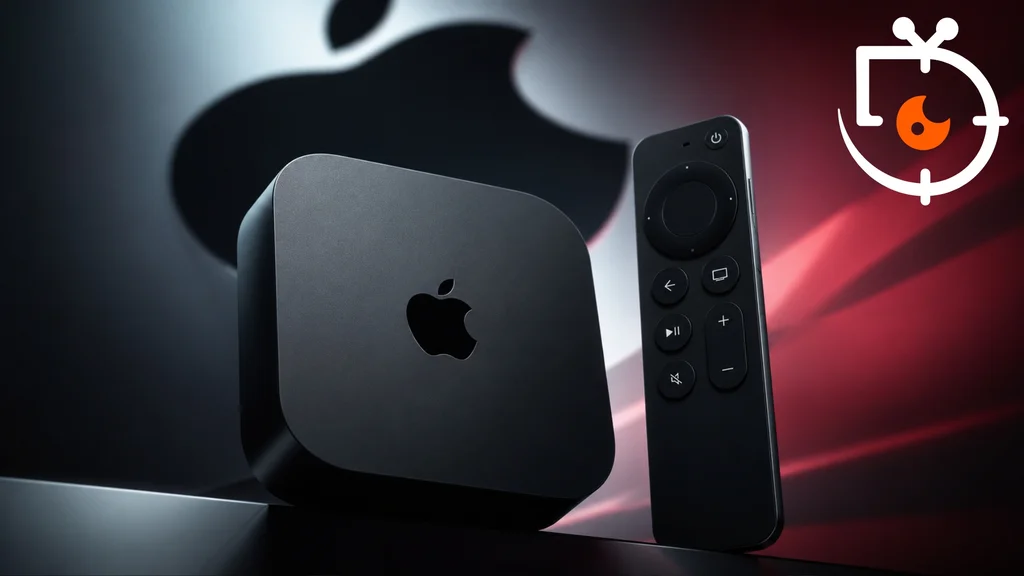
Apple has launched another round of price increases for its devices, and this time those planning to buy the Apple TV 4K will feel it most. Although the company has also raised prices for Macs, iPads and HomePods, it is the TV set-top box that has recorded the largest percentage rise across the entire portfolio. Apple cites a sharp increase in the cost of RAM and SSDs, which are currently among the most sought-after components worldwide. This is all due to massive investments in AI development and the construction of new data centres. For customers, this means one thing: Apple hardware is becoming noticeably more expensive.
Apple TV 4K price rises by up to 55 per cent. Apple points to a component crisis
Apple has confirmed that the increases cover many device categories, but the biggest changes concern the Apple TV 4K. The model equipped with 64 GB of storage now costs $199, whereas previously its price was $129. An even larger rise hit the 128 GB version, which increased from $149 to $249. That means a hike of up to 55 per cent, the highest among all products included in the new price list. Apple explains that the decision is not driven by a desire to raise margins, but by an unprecedented increase in component costs. According to the company, the electronics market is currently under huge pressure due to the rapid expansion of artificial intelligence infrastructure. The construction of new data centres has led manufacturers to bulk-buy RAM and SSDs, resulting in record price increases for those components. Apple emphasises that for a long time it absorbed the additional production costs itself, but it is no longer possible to maintain previous prices. As a result, customers will pay significantly more for devices that until now were among the company’s cheapest offerings. Interestingly, despite the relatively small amount of storage used in the Apple TV 4K, this device has been hit hardest by the price rises. For those planning a purchase, current stock in shops may be the last opportunity to buy the device at the old price. Once stocks are exhausted, the new rates will apply. This is another example showing how strongly the component crisis is affecting the consumer electronics market.
Macs and iPads are also getting more expensive, but iPhones remain unchanged
The price increases are not limited to Apple TV. The new prices also affect MacBook Neo, MacBook Air, MacBook Pro, iMac, Mac mini, Mac Studio, iPad Air, iPad Pro, HomePod, HomePod mini and Vision Pro. Apple did not give one common reason for every product category, but the company says all the changes stem from the same issues with availability and the costs of key components. It is worth noting, however, that the firm has decided not to raise prices on its most important products, namely iPhones and AirPods. According to industry reports, Apple is deliberately keeping smartphone prices at their current level, offsetting rising production costs by increasing prices on less popular devices. This keeps flagship phones more competitive on the market. The situation is much worse for the Apple TV 4K. After the latest price increases, the device now costs the same as the NVIDIA Shield, while being noticeably more expensive than the competing Google TV Streamer, which is priced at around 75 dollars. So the gap between the platforms has become very large. At the same time, there are increasing signs that Apple is preparing a new generation of Apple TV with support for Apple Intelligence, Siri AI and a more powerful processor. The current price increase may therefore also be part of preparations for the launch of the next model. For consumers, however, this means a tougher choice. On the one hand, the current Apple TV is significantly more expensive than it was a few months ago, while on the other hand the new generation could appear in the near future. As a result, the decision to buy is now much less straightforward than before.
Apple has significantly increased the prices of many of its devices, but the biggest change was seen with the Apple TV 4K, whose price rose by as much as 55 per cent. The company attributes the decision to a sharp rise in the costs of memory and storage media driven by the expansion of artificial intelligence infrastructure. At the same time, the prices of iPhones and AirPods remain unchanged.
source: flatpanelshd