 Redakcja Choose TV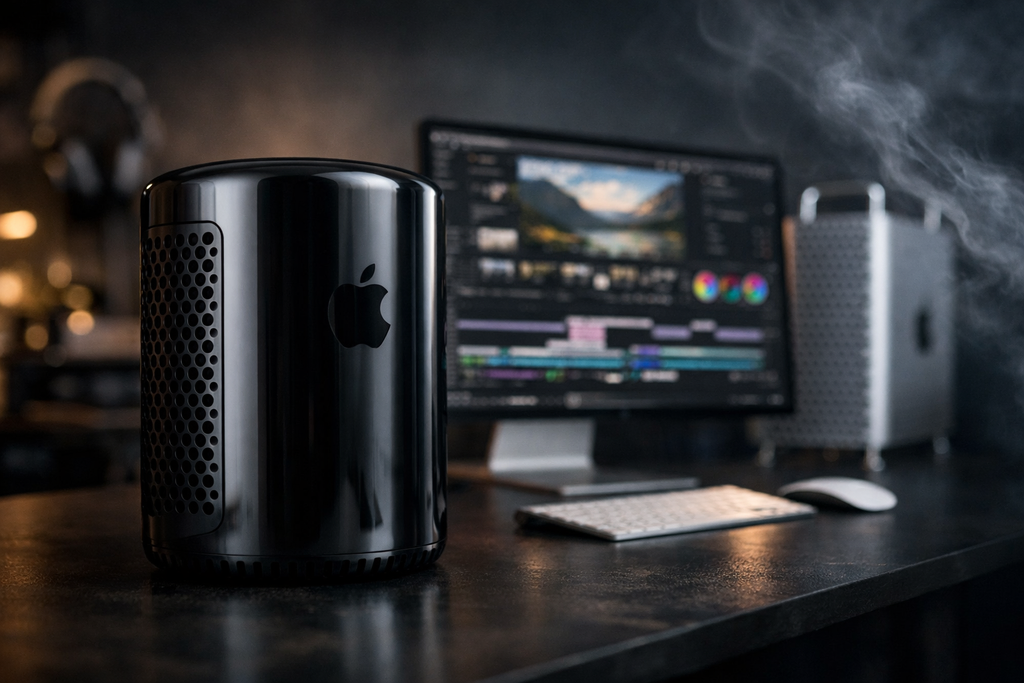
Apple officially closes a chapter. The Mac Pro is disappearing from the market and will not be succeeded, marking the end of one of the most recognisable workstations in the Apple world. This decision is not surprising, but it still changes a lot for professional users.
Mac Pro loses to Apple Silicon
The problem with the Mac Pro began when Apple transitioned to its own chips. The Apple Silicon architecture, such as M2 Ultra, integrates memory and GPU on a single chip, which limits upgradeability. And it was modularity that was the greatest advantage of this series. Users could swap components, upgrade the hardware, and adapt it to their needs. In Apple's new reality, this model simply no longer fits.
For professionals, the lack of the ability to swap the GPU or RAM is a serious drawback. In the world of workstations, flexibility and the ability to upgrade hardware over time matter. The Mac Pro with Apple Silicon has lost this advantage, making it less attractive for many companies and specialists. Additionally, the growing importance of AI and GPU computing has only deepened the problem – the lack of support for external graphics cards is a significant limitation today.
Mac Studio Takes on the Role of Leader
Apple has already shown which direction it is heading. Mac Studio has become the main machine for demanding users. With new Apple Silicon chips, it offers high performance in a smaller casing, but at the cost of modularity. It is a more closed ecosystem that aligns better with Apple’s strategy, but not necessarily with all professional applications.
Mac Pro was a symbol of power and flexibility in the world of Apple. Its discontinuation shows that the company is completely altering its approach to computers for professionals. Instead of modular machines, we are getting integrated, ready-made solutions that prioritise performance and simplicity.
Apple's decision is not coincidental. The Mac Pro did not fit into the new strategy and gradually lost its reason for being. For some, it is the end of a legend, for others a natural step towards a future based on Apple Silicon.
Source: cnet.com