 Katarzyna Petru
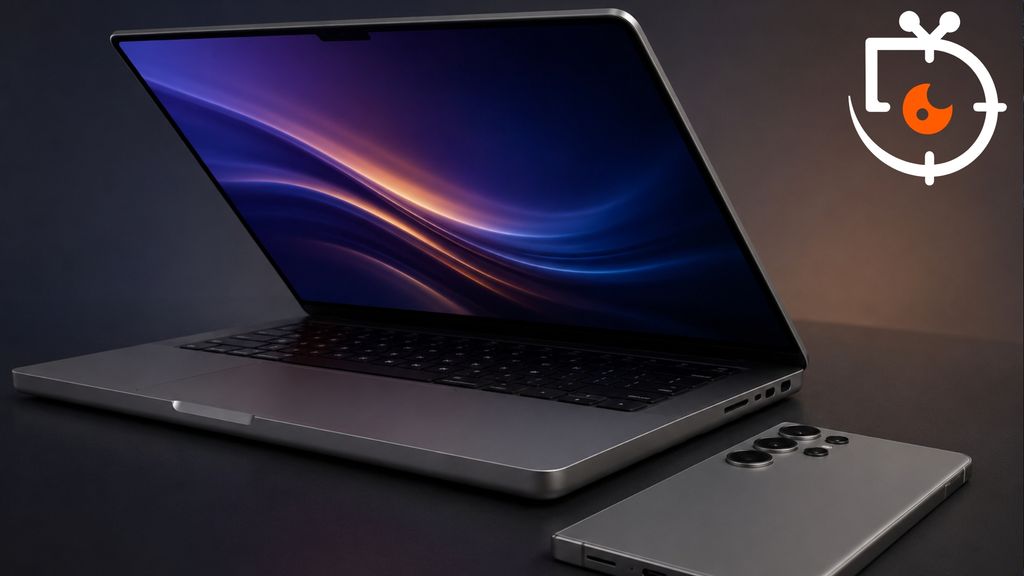
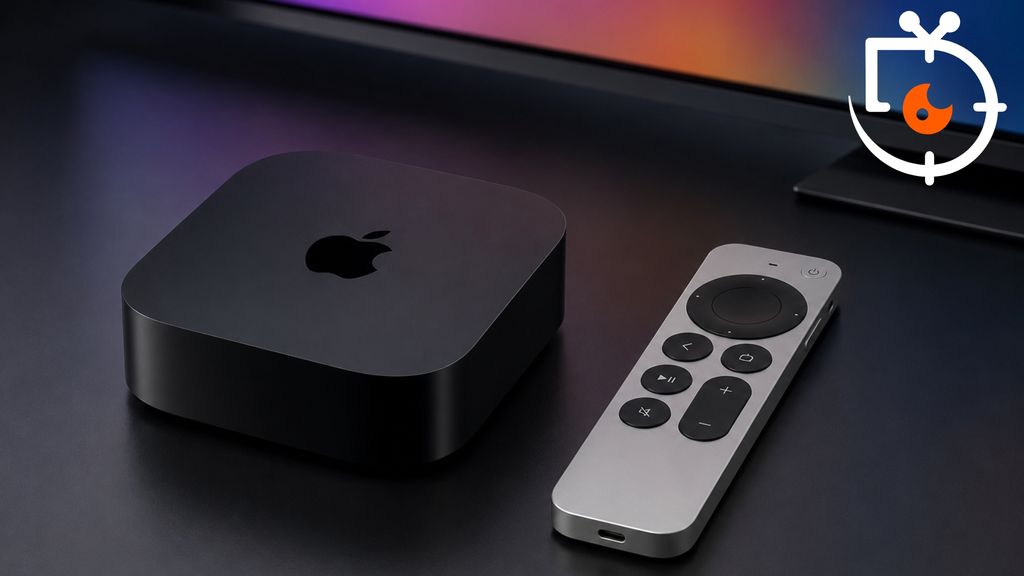
The technology market has been shifting towards services for years. First, subscriptions took over streaming and software, then games, and today there’s increasing talk about subscriptions for… the hardware itself. Manufacturers are testing a model where the user does not buy the device outright, but instead pays a monthly fee to use it. For companies, this means predictable revenue and greater control over the product lifecycle. For customers, it means a lower entry point, but ultimately a higher long-term cost. The question is whether consumers are ready for such a shift.
Why do companies want subscription services for equipment?
The subscription model provides manufacturers with financial stability. Instead of a one-off cash injection at the launch of a new device, the company receives a steady stream of revenue. This allows for better product development planning and quicker responses to market changes.
Additionally, a subscription enables more frequent equipment upgrades, servicing included in the price, and access to additional services. In theory, the customer receives a "full package", and the manufacturer keeps them in their ecosystem for longer.
What does the user gain and what do they lose?
The biggest advantage is the lower upfront cost. Instead of spending several thousand złotys at once, the user pays a monthly fee. The problem arises in the longer term as the total of the instalments often exceeds the retail price of the device.
There’s also the issue of ownership. In a subscription model, the equipment may formally remain the property of the manufacturer. This means potential restrictions, locks, or the need to return the device at the end of the contract.
Is this the future of electronics?
Many signs suggest that manufacturers will continue to test this model, especially in the premium segment. Subscription offers greater flexibility in hardware updates and may align with the narrative of a circular economy. At the same time, consumer fatigue with the number of monthly payments is increasing.
Finding the right balance of benefits will be crucial. If the subscription genuinely lowers the barrier to entry and provides additional value, it may succeed. If it is merely a way to increase margins – it will face resistance.
The "equipment as a service" model is ceasing to be an experiment and is becoming a real direction for industry development. For companies, it's an opportunity for stable revenue, and for customers – convenience and a lower upfront cost. Ultimately, however, it all comes down to the calculation: is the monthly convenience worth the loss of classic ownership rights.