- Matching (Score) |
- Our verdict |
- Competing TVs |
- TV appearance |
- Where to buy |
- Contrast and black detail |
- HDR effect quality |
- Factory color reproduction |
- Color reproduction after calibration |
- Smoothness of tonal transitions |
- Image scaling and smoothness of tonal transitions |
- Blur and motion smoothness |
- Console compatibility and gaming features |
- Input lag |
- Compatibility with PC |
- Viewing angles |
- Daytime performance |
- TV features |
- Apps |
- Playing files from USB |
- Sound |
- Panel details
Samsung R95H Micro RGB Review
R95H / Mirco RGB

Available screen sizes:
Complete the survey to find out the result
Panel type: LCD VA Refresh rate: 165Hz Brand: SAMSUNG Resolution: 3840x2160 System: Tizen Model year: 2026
This review is an English translation of the Polish original. Read the original on Wybierz.tv.
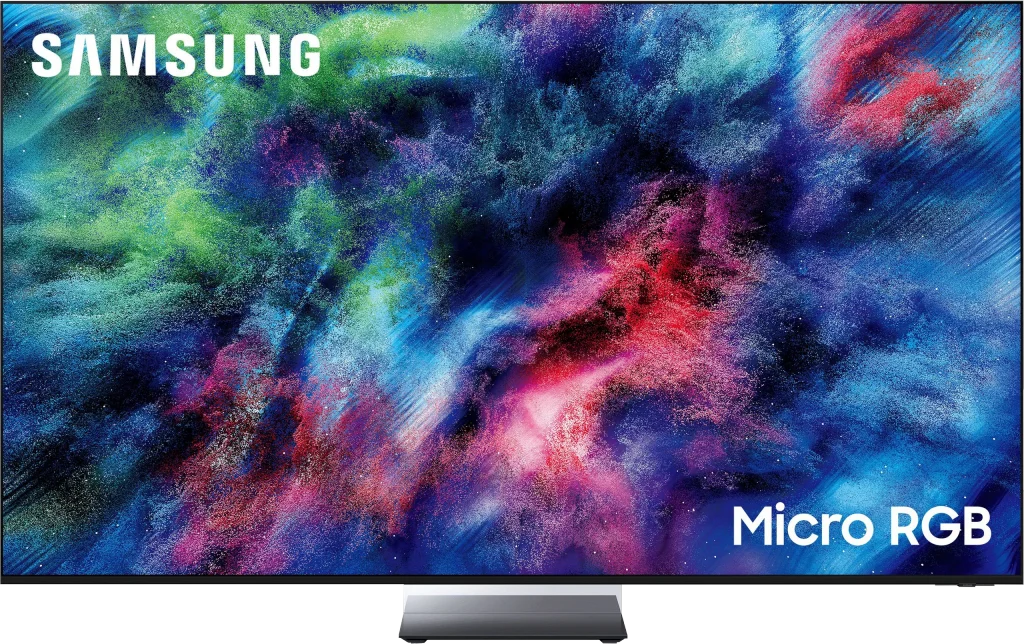
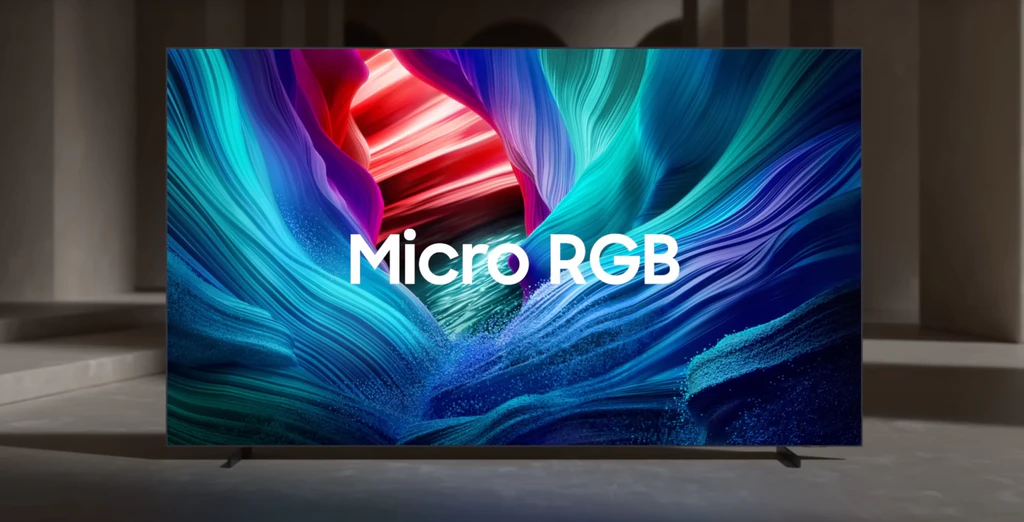
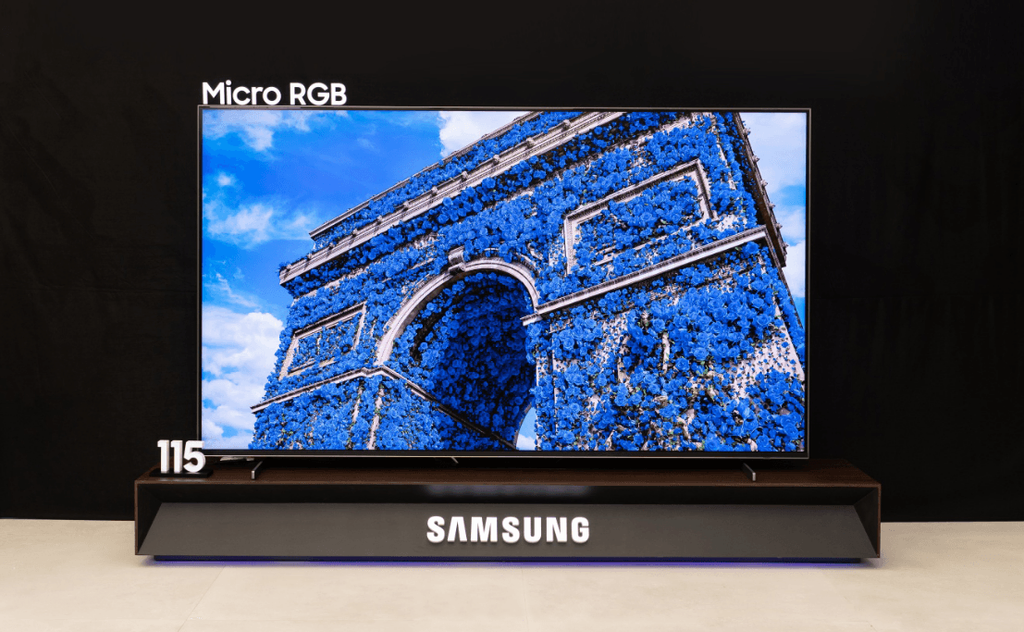
Samsung R95H is the top-tier LCD TV in the manufacturer's 2026 lineup, and it's also Samsung's first flagship model to use RGB backlighting. The company calls this technology Micro RGB and, instead of a conventional backlight, it uses red, green, and blue LEDs that allow the screen to control not only brightness but also the color of the light behind the panel. For Samsung, the R95H is therefore more than just another evolution of Neo QLEDs. It's the start of a completely new family of LCD TVs and a demonstration of what the manufacturer can achieve with RGB technology today. So let's see what Samsung managed to put together with the R95H.
SAMSUNG R95H - Our verdict
8.2
Overall rating
Samsung R95H is a TV that primarily demonstrates that the classic LCD still has plenty to offer. Micro RGB is not just a marketing name here — in the right scenes it really can make a difference. When the screen shows solid, highly saturated colors, especially reds and greens, the R95H can render them with an intensity that’s hard to find in typical Mini-LED TVs. Add very deep blacks and high HDR brightness, and the picture can look genuinely striking both at night and in a bright living room. Importantly, the R95H doesn’t feel like a set built only to score well on measurement charts. In everyday use it’s simply very versatile. Movies look dynamic, sports benefit from the high refresh rate, and gamers get essentially everything you’d expect from a flagship. On top of that the set is very well made, Tizen is fast, and the matte coating handles reflections well. It’s hard to find a use case where the R95H wouldn’t fit because it’s a very versatile TV. More questions start to appear when you look more closely at what Micro RGB actually delivers. In simpler scenes the advantage is indeed noticeable, but when the image becomes more complex and the backlight has to control many different colors and brightness levels at once, some of that advantage disappears. Then the R95H can be closer to traditional quantum-dot TVs than clearly ahead of them. We wouldn’t treat that as a flaw of the model itself, but rather as a limitation of the current generation of RGB panels. Our biggest reservation, in fact, concerns the price. The R95H is today one of the most expensive TVs in Samsung’s lineup, and you always have to pay a premium for new technology at first. The problem is Samsung already has very advanced OLEDs in its portfolio that in many areas can deliver a similar or even better picture for less money. So the R95H is a good TV, but not necessarily the best value. If someone wants a flagship LCD and wants to see for themselves what three-color RGB diodes can do, they’ll have a very strong candidate here. If value for money is the top priority, it’s worth taking a serious look at the company’s top OLEDs, because they are the R95H’s biggest competition today.
Advantages

Very high contrast and good black levels
High HDR brightness
Very wide color gamut thanks to Micro RGB
Very good HDR tone mapping
High refresh rates: 165 Hz at 4K and 240 Hz in Full HD
Extensive gaming features (4x HDMI 2.1, VRR, ALLM, Game Motion Plus, and Game Hub)
Matte screen coating effectively suppresses reflections
High build quality and a slim design
Extensive Tizen system with many features
Disadvantages

The color advantage of Micro RGB diminishes in more complex scenes
High price compared to the competition
Sound quality could be better
No Dolby Vision and DTS:X (mainly for Xbox users and Blu-ray fans)
 Movies and series in UHD quality
7.8
 Classic TV, YouTube
7.9
 Sports broadcasts (TV and apps)
7.5
 Gaming on console
9.3
 TV as a computer monitor
8.4
 Watching in bright light
8.9
 Utility functions
7.8
 Apps
Apps9.3
 Sound quality
7.5
Complete the survey to find out what fits your preferences
SAMSUNG R95H - Competing TVs in this price range
SAMSUNG R95H - TV appearance
HDMI inputs: 0 x HDMI 2.0, 4 x HDMI 2.1 (48Gbps) Outputs: Toslink (Optical audio), eARC (HDMI), ARC (HDMI) Network Interfaces: Wi-Fi 2.4GHz, Wi-Fi 5GHz, Ethernet (LAN) 100Mbps
Build quality: Super Premium
Stand type: Central
Bezel color: Silver

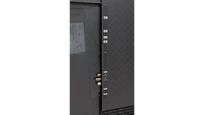
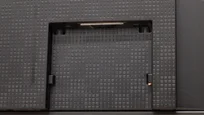
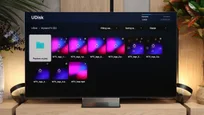
Stand: Fixed
Flat design: Yes
Accessories: Stand
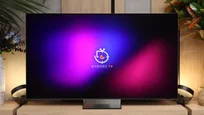
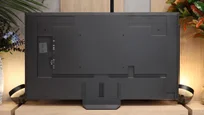
If we were to judge the Samsung R95H solely by its appearance, it would basically get our highest possible score. It’s a top-of-the-line TV and that’s immediately clear from the build quality. The whole design is very slim, the bezels around the screen are narrow and metal, and the chassis simply looks great. Thin bezels alone aren’t anything unusual these days, so the stand is the more interesting detail. It’s centered and strongly resembles the solution used on the flagship QN900 models in the 8K lineup. In the middle there’s a glass element that reflects the room and creates a somewhat unusual but really interesting effect. If you prefer to wall-mount the TV, that won’t be a problem either. The R95H supports the VESA mounting standard, and you can also use Samsung’s dedicated mount (sold separately) to position the screen very close to the wall. The TV’s design helps here as well, since the casing is virtually flat across its entire surface. As a result, the R95H doesn’t protrude far from the wall when mounted and looks very tidy.
Buy at the best price
Select size:

SAMSUNG R95H - Contrast and black detail
8.4/10
Local dimming function: Yes, number of zones: 1344 (28 x 48)


Result
3,160,000:1

Result
67,450:1

Result
44,600:1

Result
27,300:1

Result
9,500:1

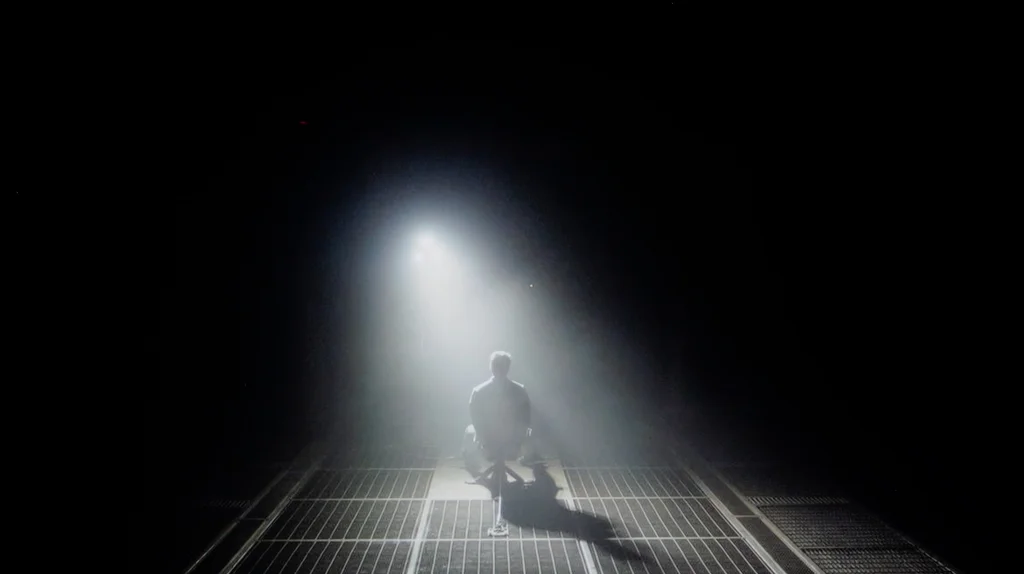
Whether the panel uses classic Mini-LED diodes or the new Micro RGB, their job in terms of black performance is essentially the same, to turn off the backlight where the image should be dark while leaving sufficiently high brightness where needed. The R95H also benefits from a high-contrast VA panel, which on its own delivers much better blacks than IPS/ADS panels. For testing we used the 65-inch version, in which we counted 1,344 local dimming zones. In larger screen sizes that number will of course be higher, but we don't expect it to fundamentally change how the backlight behaves. The R95H performs best in scenes with only a few bright elements. Then the TV can heavily dim the rest of the screen and the blacks look really impressive. In more challenging shots, where more bright objects appear against a dark background, you can see the typical limitations of LCD and the backlight has to make more compromises. Even so, the halo effect is well controlled, and the TV doesn't overly brighten large areas of the image just to maintain the brightness of a single element. The R95H can therefore deliver very deep blacks and high contrast, especially in scenes where local dimming has favorable conditions to work. It's not, of course, the perfect pixel-level black offered by OLEDs, but for an LCD TV the results are very good.
Halo effect and black detail visibility:
SAMSUNG R95H - HDR effect quality
6.9/10
Supported formats: HDR10, HDR10+, HLG
Luminance measurements in HDR:

Result
1423 nit

Result
703 nit

Result
1089 nit

Result
463 nit

Result
1249 nit
In terms of brightness the Samsung R95H shows that we’re still dealing with a top-tier TV, although the results aren’t always as spectacular as you might expect from a flagship Micro RGB model. In synthetic tests the TV can exceed 2,400 nits, so it definitely has plenty of headroom. Importantly, it can sustain high brightness even when bright elements occupy a larger portion of the screen. In real movie scenes the situation is a bit more complex. The R95H most often reaches around 1,000 to 1,400 nits, which still delivers a very good, strong HDR effect. Bright sunlight, reflections, or lights can look truly impressive, and the TV has enough power for HDR to be clearly distinguishable from regular SDR.
The problem appears mainly in very dark scenes with single, small light sources. Here the local dimming algorithm favors deep blacks and reducing the halo over maximizing the brightness of such elements. As a result, small lights can be noticeably dimmed. Overall HDR performs well, but not without limitations. The R95H has huge brightness headroom, especially in larger and brighter parts of the image, but in difficult, dark scenes its capabilities are mainly limited by how the local dimming operates.
Colors
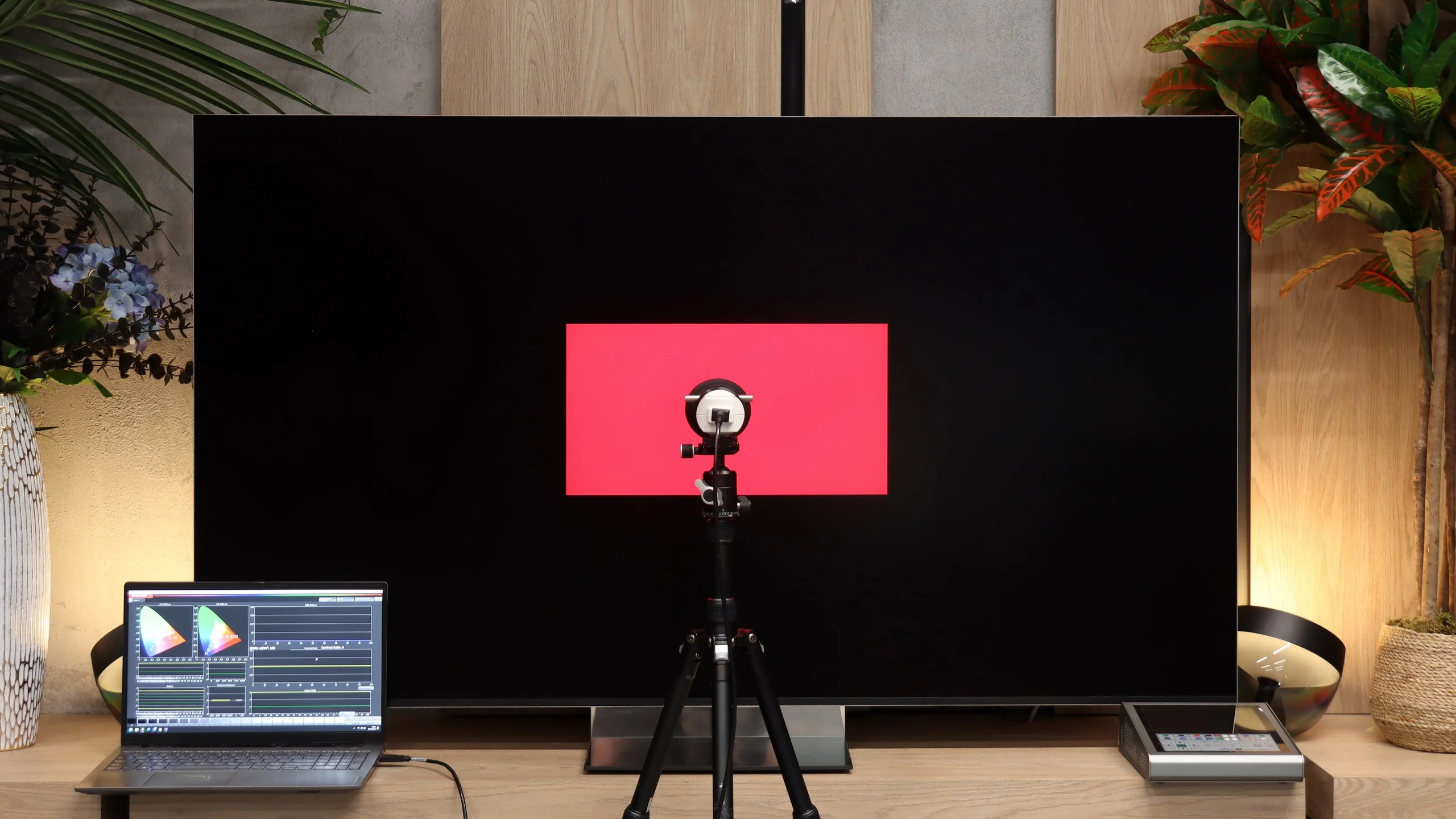
Colors were meant to be the biggest revolution enabled by the RGB backlight, and the R95H does show considerable potential here. The assessment is not, however, as simple as synthetic measurements might suggest. On test charts the TV performs superbly. BT.2020 coverage reaches almost 94%, and DCI-P3 98%, so especially strongly saturated reds and greens can look really impressive. The picture changes a bit when, instead of test charts, we start measuring real movie scenes. Then BT.2020 coverage drops to about 87% and DCI-P3 to 93%. It seems that with more complex imagery the RGB zones are not always able to maintain the same high color saturation as on simple charts. They are still saturated, but the advantage of the new backlight is no longer as large as the manufacturer's numbers might suggest.
BT.2020 color gamut coverage and primary color luminance
| Data set | BT.2020 | P3 | R | G | B |
|---|---|---|---|---|---|
| Synthetic patterns | 93.9% | 98.0% | 86% | 85% | 55% |
| Film measurements | 86.8% | 93.1% | 81% | 82% | 83% |
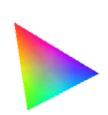 BT.2020
 BT.2020 and P3 – average color gamut coverage (percent of the target gamut).
R, G, B – average primary color luminance relative to target (percent).
Scene from the movie “Pan” (about 2800 nits)

Scene from the movie “Billy Lynn” (about 1100 nits)

When it comes to HDR tonal performance, the R95H does really well. Whether you're watching material mastered for around 1,000 nits or much more demanding productions that reach up to 3,000 nits, the TV controls the brightest parts of the image very effectively. You don't see heavy clipping of detail or bright areas merging into a single white blotch. As a result, both simpler and the most demanding HDR material look very good and retain a lot of highlight detail. If we have to nitpick, the only point is that the R95H sometimes tends to slightly suppress detail in the blacks. This isn't something that jumps out during normal viewing and is more likely to be noticed by people who closely analyze how the TV manages image brightness.
HDR luminance chart:
Samsung has consistently not supported Dolby Vision for years, and nothing has changed in that regard with the R95H. So we get HDR10, HLG, and HDR10+, Samsung's proprietary dynamic metadata format. In theory HDR10+ should better adapt the picture scene by scene and thereby preserve detail in the brightest highlights more effectively. With the R95H, however, the difference compared to standard HDR10 is small. The TV is bright enough and its tone mapping works well enough that even with static HDR10 it can retain a lot of information in the whites without blowing them out. This is clear in our snow scene, where switching to HDR10+ doesn't bring a significant improvement in detail visibility. While the absence of Dolby Vision is worth noting, with a TV as bright as the R95H it doesn't really limit its HDR performance.
Static HDR10

Dynamic: HDR10+

Factory color reproduction
4.3/10
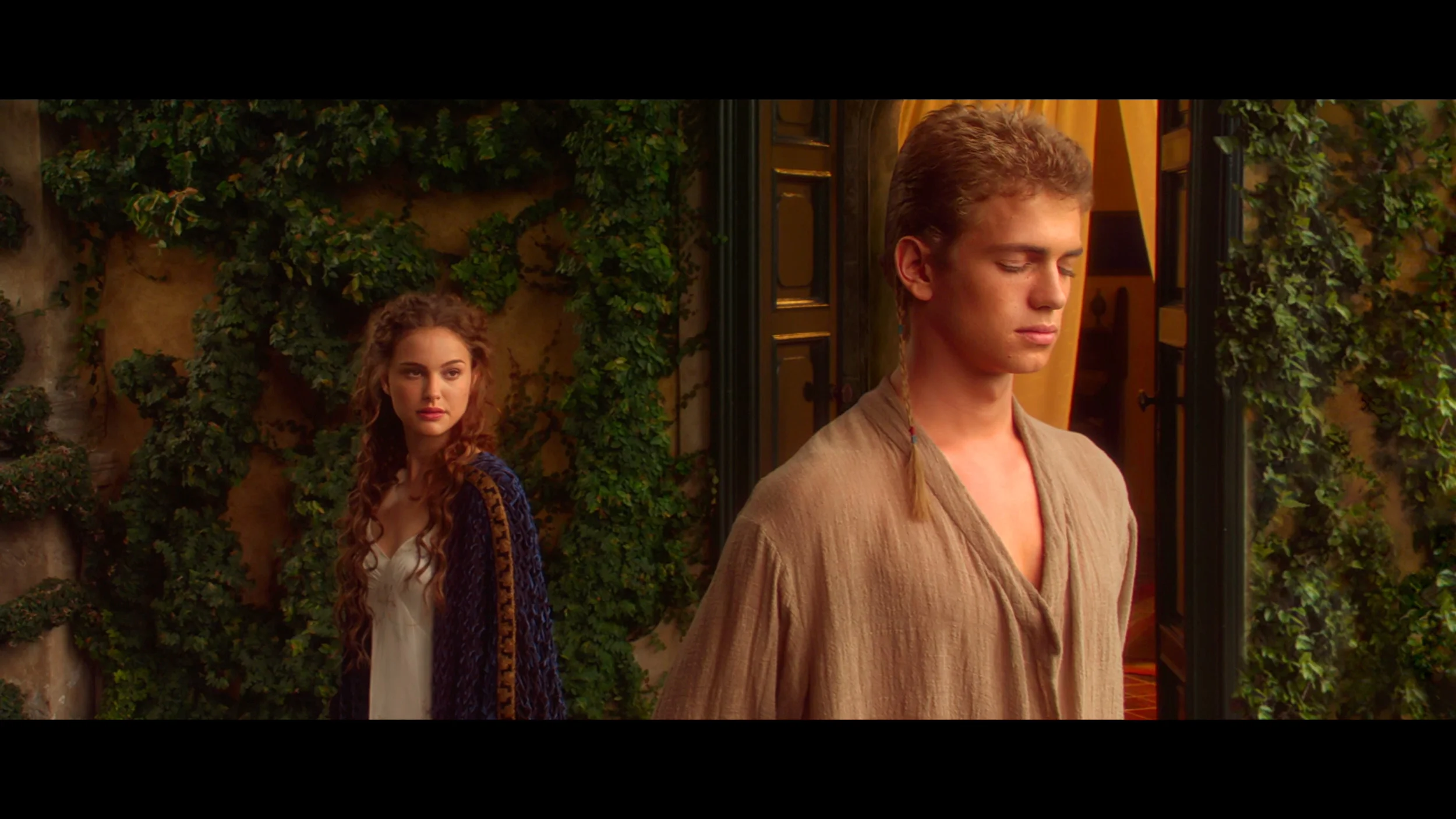
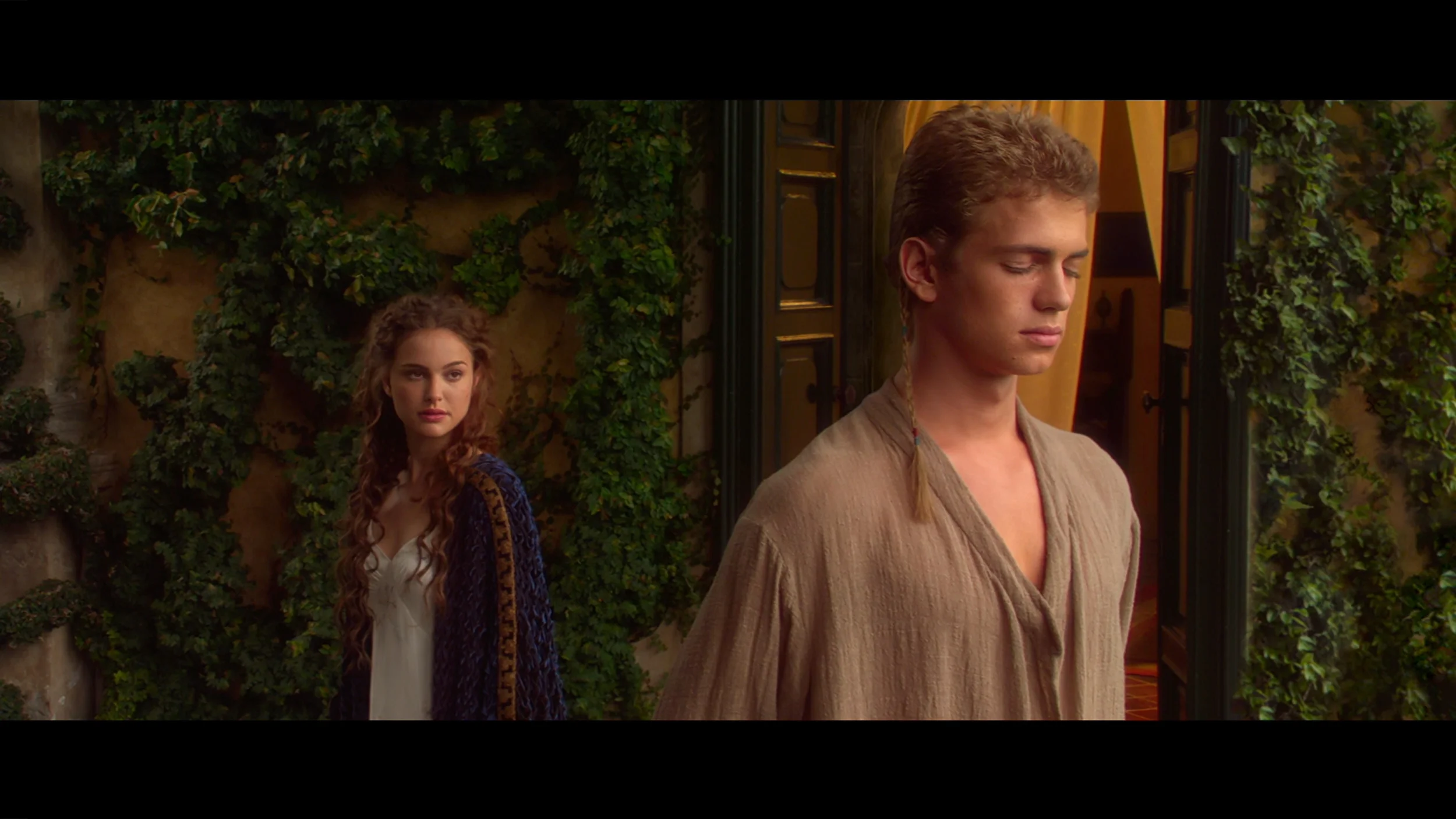
To assess factory color reproduction, we of course chose Filmmaker mode, the setting that's supposed to be closest to how the creators intended the image to look. Unfortunately, the R95H does not fully exploit the potential of its panel. The biggest issue in SDR is the gamma. The image is noticeably brightened across almost the entire range, which robs it of some depth and makes it look flatter than it should. The white balance isn't ideal either, as increasing brightness brings a red bias and a lack of blue, making the image too warm. This is especially visible in bright elements and skin tones, which can appear redder than they should.
It's similar in HDR. The EOTF curve sits above the reference value for much of the range, so the R95H again brightens the image compared with how it should look. Combined with the inaccurate white balance, this means colors here are not as precise as we'd expect from a TV of this class. The factory Filmmaker setup is therefore not one of the R95H's strengths. At first glance the picture may look impressive because it's bright and highly saturated, but in terms of fidelity to the source material there is still plenty of room for improvement.
Color reproduction after calibration
8.8/10
R95H responds very well to calibration. In SDR we were able to set the white balance and gamma almost perfectly, and color errors dropped to very low levels. The difference compared with the factory settings is therefore considerable, and after calibration the picture looks much more natural. In HDR we can also improve a lot, especially regarding white balance and overall color accuracy. The issue of managing brightness and color saturation looks a bit different. Here, at some point we run into limitations resulting from the way RGB backlighting and local dimming work. Individual zones have to control both brightness and the color of the light at the same time, so in more demanding scenes it is not always possible to achieve exactly the same saturation and brightness that the TV shows on simple test patterns. Calibration simply can't completely overcome that. Despite this, after calibration the R95H delivers accurate image reproduction, and most of the errors we saw in the factory settings can be effectively eliminated.


SAMSUNG R95H - Smoothness of tonal transitions
8.8/10
The R95H also handles gradation well. In bright areas of the image, transitions between shades are smooth, although on closer inspection you can notice slight signs of posterization. So it’s not perfect, but during normal viewing it’s unlikely to draw attention. The same goes for darker scenes. The TV maintains smooth transitions and has no major problems with visible banding or color stepping. From time to time you can spot small imperfections, but overall the R95H handles this aspect very solidly.


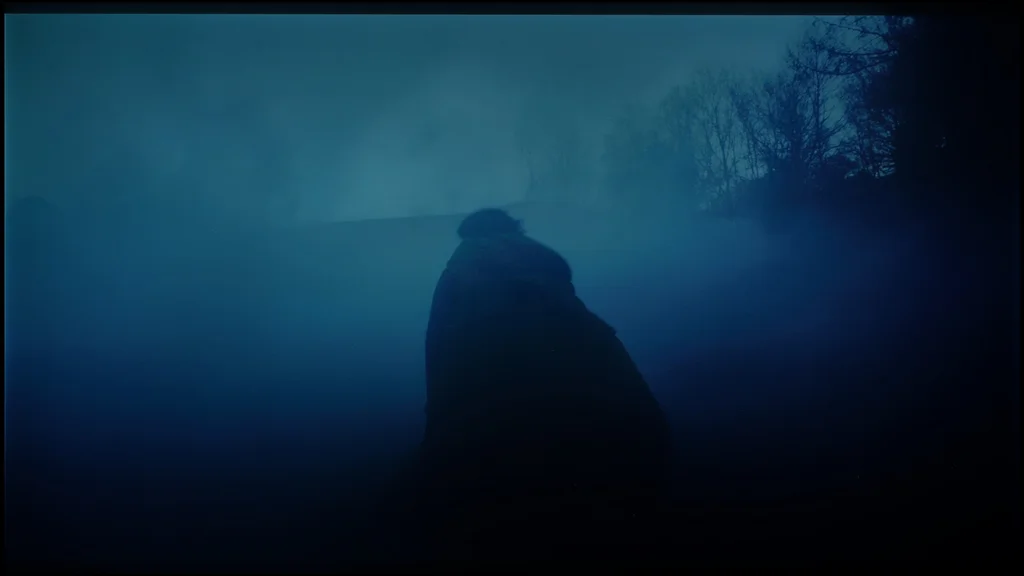

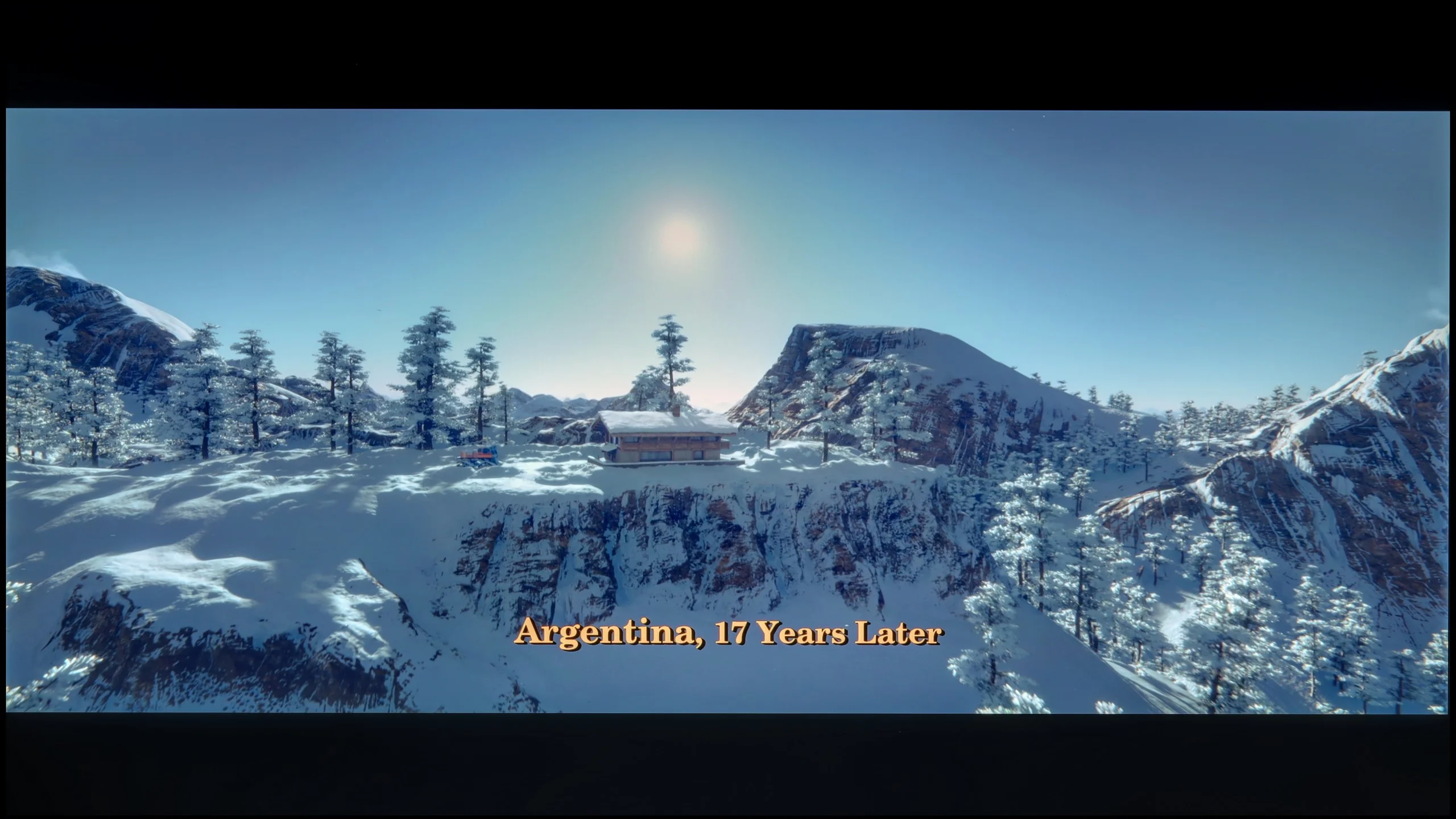

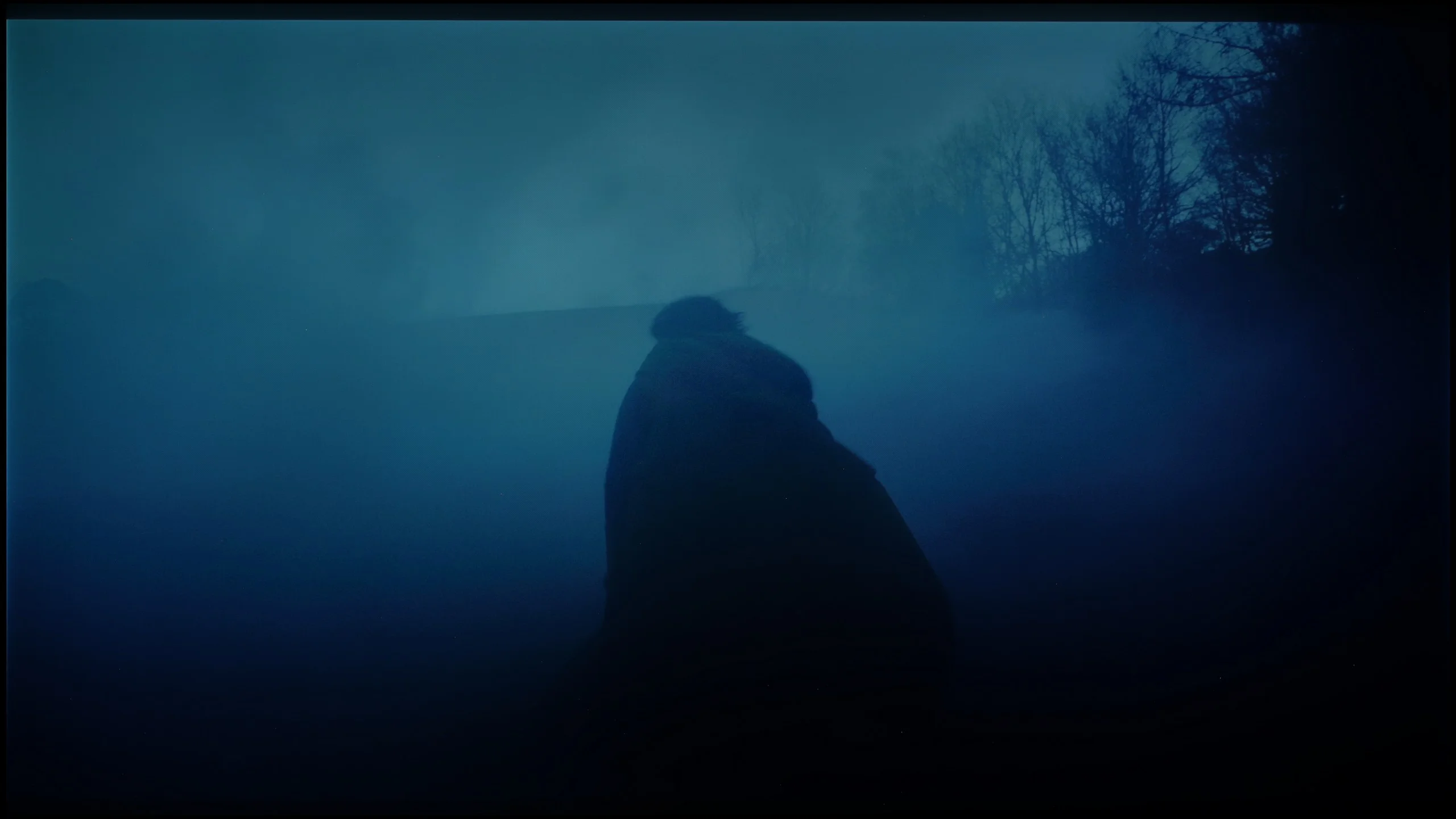

Image scaling and smoothness of tonal transitions
7.5/10
 Smooth transition function
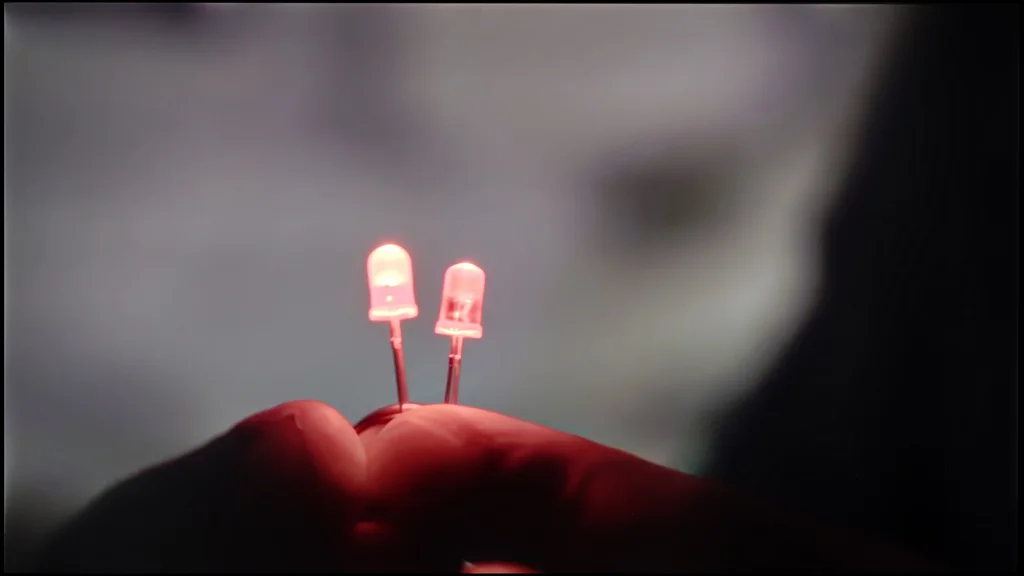
 Image without overscan on the SD signal

Samsung R95H uses the new Micro RGB AI Processor, but in practice we didn't notice a big leap compared to the NQ4 AI Gen2 or Gen3 chips found in the manufacturer's other TVs. The upscaling itself still performs very well. The image is appropriately smoothed, yet retains plenty of sharpness and doesn't look overly soft. That's definitely one of Samsung's strengths. It's just a shame that with very low-resolution content you still can't completely turn off overscan.
The processor also handles gradients well and can effectively smooth unwanted posterization. The noise reduction feature works very effectively, but you need to use it judiciously. At higher settings it can noticeably interfere with the image and even remove natural film grain. So it's best to use it only when the source material is actually heavily compressed.
SAMSUNG R95H - Blur and motion smoothness
7.8/10
Maximum refresh rate of the panel: 165Hz
Film motion smoothing option: Yes
Blur reduction option: Yes
BFI function 60Hz: Yes, 60Hz (image flickers)
BFI function 120Hz: No
Brightness drop with BFI: 75%
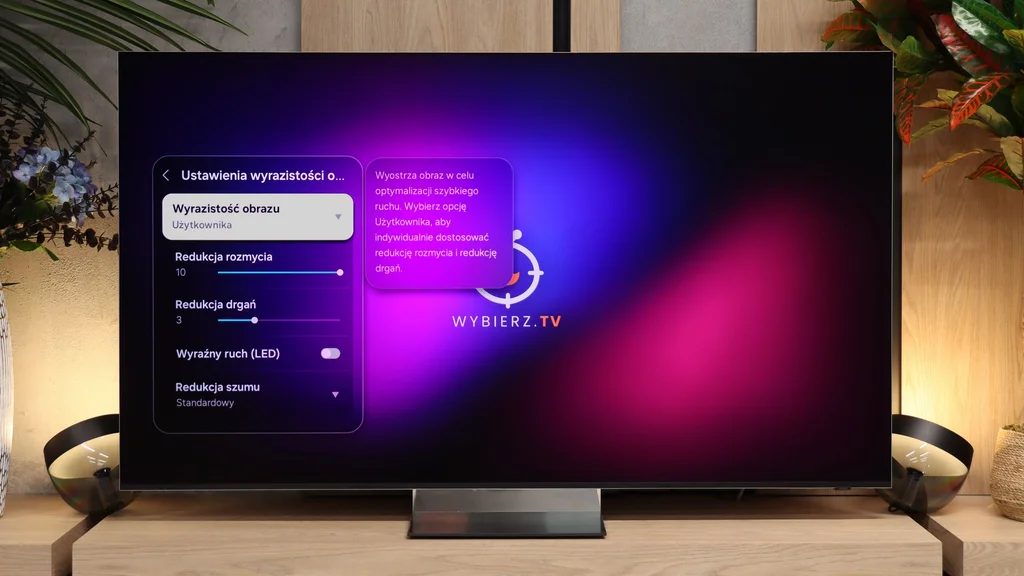
The Samsung R95H has a 165 Hz panel, so its motion handling is excellent. At 120 Hz, like when gaming on a console or watching sports, motion blur is minimal, and when connected to a PC you can use the full 165 Hz to further improve motion clarity. However, keep in mind that it’s still a VA panel, so it doesn’t respond as instantly as OLED. You may sometimes notice a faint trail behind moving objects, but from a normal viewing distance this shouldn’t be distracting. For movies and series you can also use the adjustable motion smoothing. You can keep the more cinematic 24 fps look or gradually smooth the motion if you prefer a smoother image. Samsung gives you plenty of freedom here, and it’s easy to choose a setting that matches your preferences.
Blur (native resolution, maximum refresh rate):



Blur (BFI function enabled):
Image flickers in this mode



Blur (4K@165Hz):



R95H also offers an LED Clear Motion feature, i.e. BFI. It does improve the sharpness of moving objects, but it also has clear downsides: it only works at 60 Hz, causes flicker, and significantly reduces screen brightness. So we'd treat it more as an extra novelty option than something worth using every day.
SAMSUNG R95H - Console compatibility and gaming features
9.6/10
- ALLM:
Yes
- VRR:
Yes
- VRR range:
48 - 240Hz
- Dolby Vision Game Mode:
No
- Correct implementation of HGIG:
Yes
- 1080p@120Hz:
Yes
- 1440p@120Hz:
Yes
- 4K@120Hz:
Yes
- Game bar:
Yes
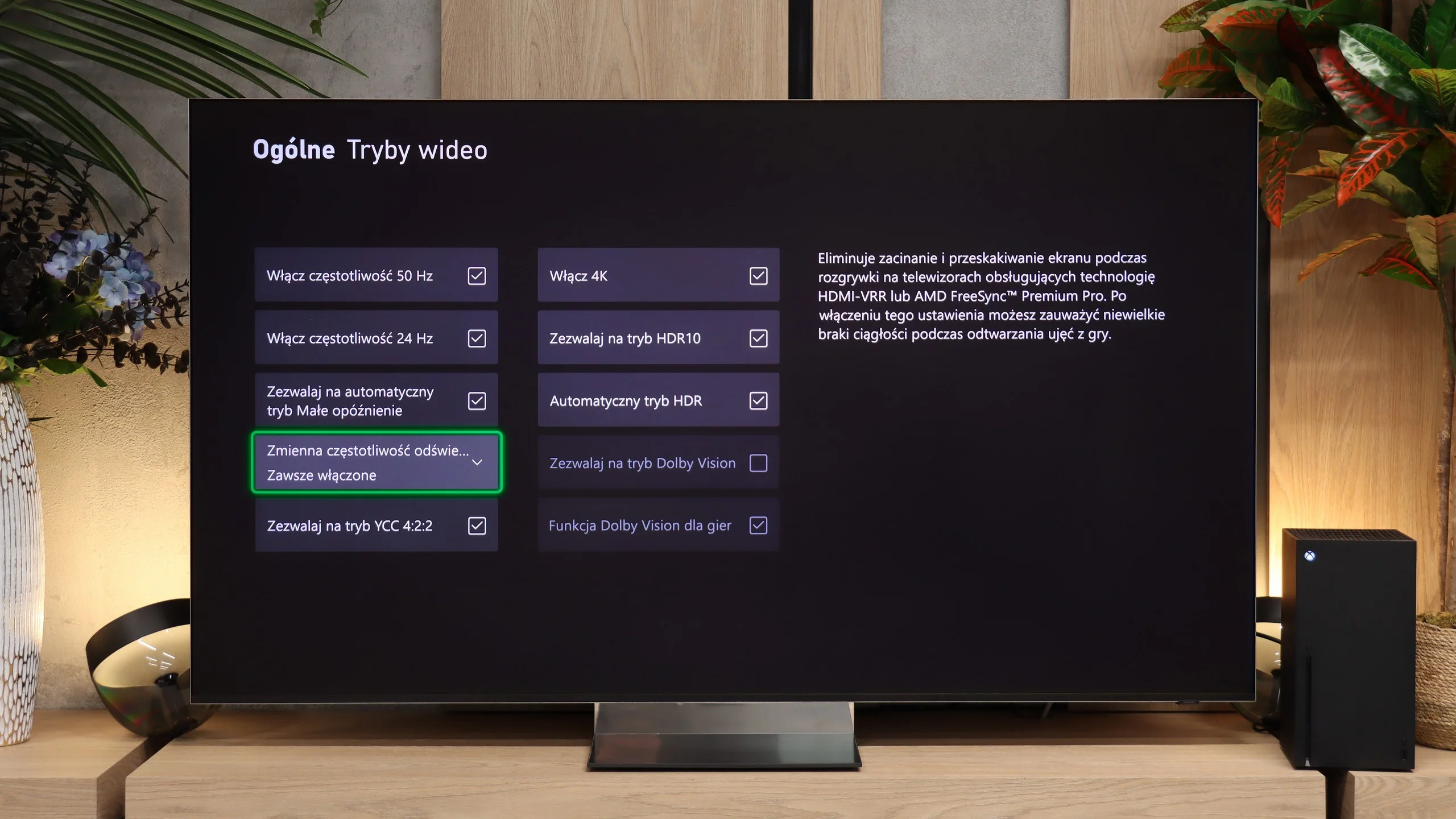
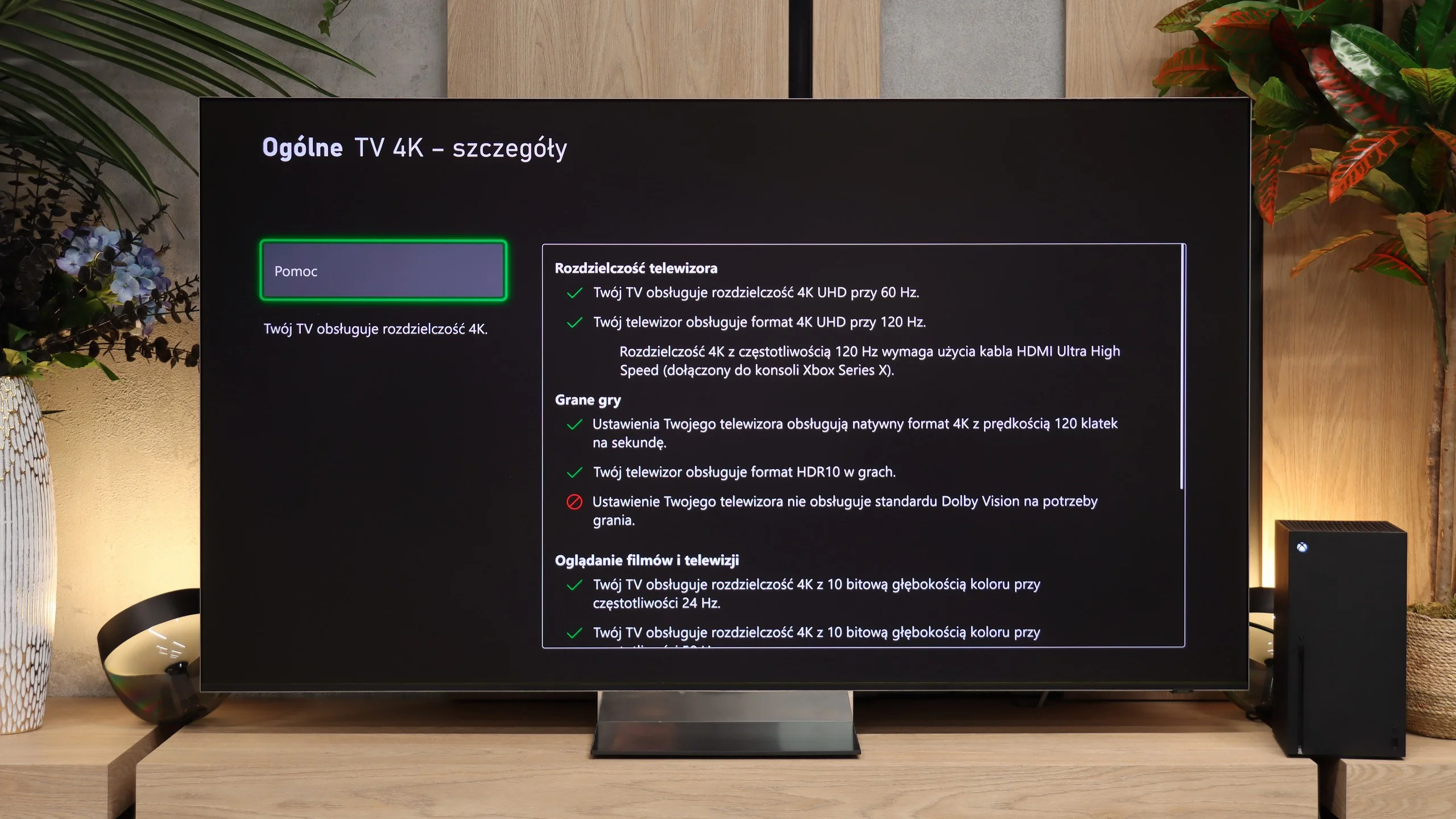
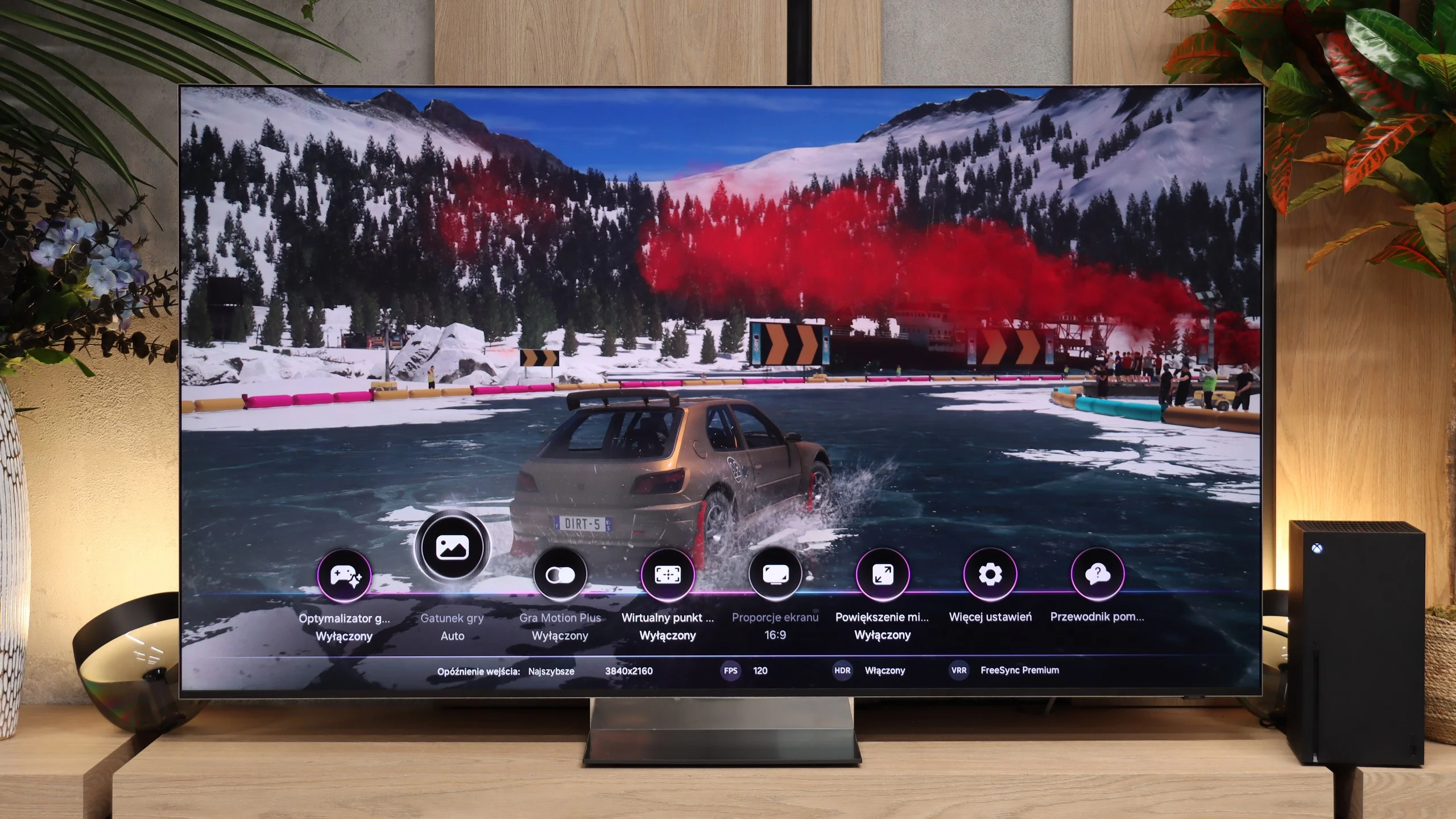
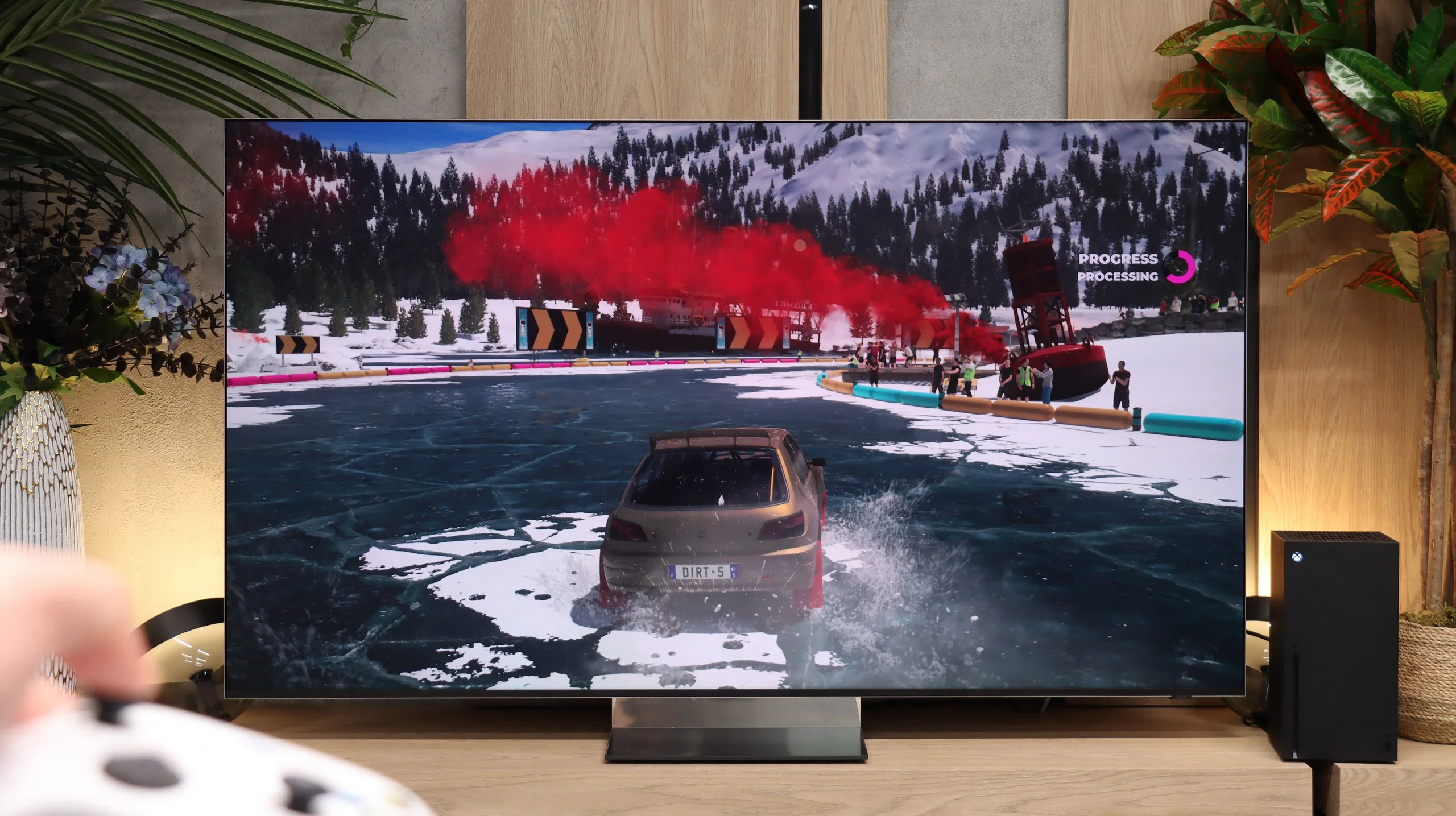
When it comes to gaming the Samsung R95H is almost a complete TV. When you connect a PS5 or Xbox Series X you can use 4K at 120 Hz, VRR and ALLM, and the TV also works properly with HGiG. The only major omission is Dolby Vision Gaming, which Samsung, like with its other TVs, simply does not support. There's also the Game Bar, familiar from other Samsung models, which lets you quickly check frame rate, VRR status or the HDR format and change the most important settings without leaving the game. You can also brighten darker parts of the image or change the screen aspect ratio.
Samsung also offers Game Motion Plus, a motion smoothing feature designed specifically for games. It makes the most sense for games running at 30 fps, where it can noticeably improve smoothness and make camera movement look much nicer. Just remember this comes at the cost of higher input lag (about 60 ms), so it's not the best choice for online or faster paced games. It's also worth noting Gaming Hub, which lets you run some games directly from the cloud without connecting a console. In terms of features for gamers, it's hard to find any major omissions in the R95H.

SAMSUNG R95H - Input lag
9.7/10
Input lag in the R95H is low, although it doesn't reach the level of Samsung's best OLEDs. At 120 Hz it's about 10 ms, and at 60 Hz about 20 ms. On paper that looks like a big difference, but during normal gaming it's really hard to notice. The TV responds quickly and doesn't feel delayed at all.
| SDR | HDR | Dolby Vision |
|---|---|---|
| 1080p60: 20 ms | 2160p60: 20 ms | |
| 1080p120: 10 ms | 2160p120: 10 ms | |
| 2160p60: 20 ms | ||
| 2160p120: 10 ms |

SAMSUNG R95H - Compatibility with PC
8.4/10
Chroma 444 (max. resolution and refresh rate): Yes
Font clarity: Good
Readability of dark text and shapes: Good
Input lag in PC mode (4K, max. refresh rate): 10ms
Matrix subpixel arrangement: RGB
Max refresh rate: 165Hz
G-Sync: Yes
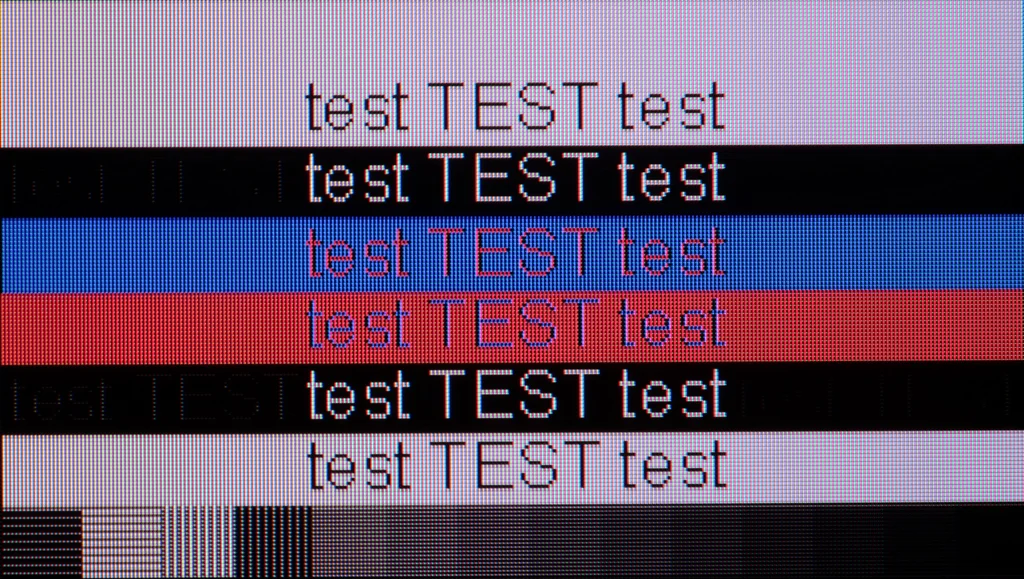
The R95H is also suitable for PC gaming. In 4K you can use the full 165 Hz, and when you drop to Full HD the refresh rate rises to as much as 240 Hz. That’s definitely a plus, especially for online multiplayer games, where those values are easily achievable on a powerful PC. The TV also supports G-Sync and FreeSync, so it will work without problems with both NVIDIA and AMD graphics cards. The only thing to quibble about here is text readability. The R95H correctly handles chroma 4:4:4, but at very close distances you can notice that the horizontal strokes of letters are slightly darker than the vertical ones. However, it’s not something that catches your eye during normal use. Besides, the R95H isn’t available in sizes that would typically tempt you to put it on a desk and use it like a conventional monitor.
SAMSUNG R95H - Viewing angles
5/10
Brightness drop at an angle of 45 degrees: 67%
Viewing angles on the R95H are quite decent, especially considering the TV uses a VA panel. The RGB backlight helps here, allowing colors to retain saturation better even when you view the screen more from the side. It’s not yet on par with the best RGB displays on the market, and certainly not with OLEDs, but the difference compared with typical Mini-LED TVs with a similar VA panel is noticeable. Colors at wider angles don’t wash out as quickly, and the image retains its character longer.
SAMSUNG R95H - Daytime performance
8.9/10
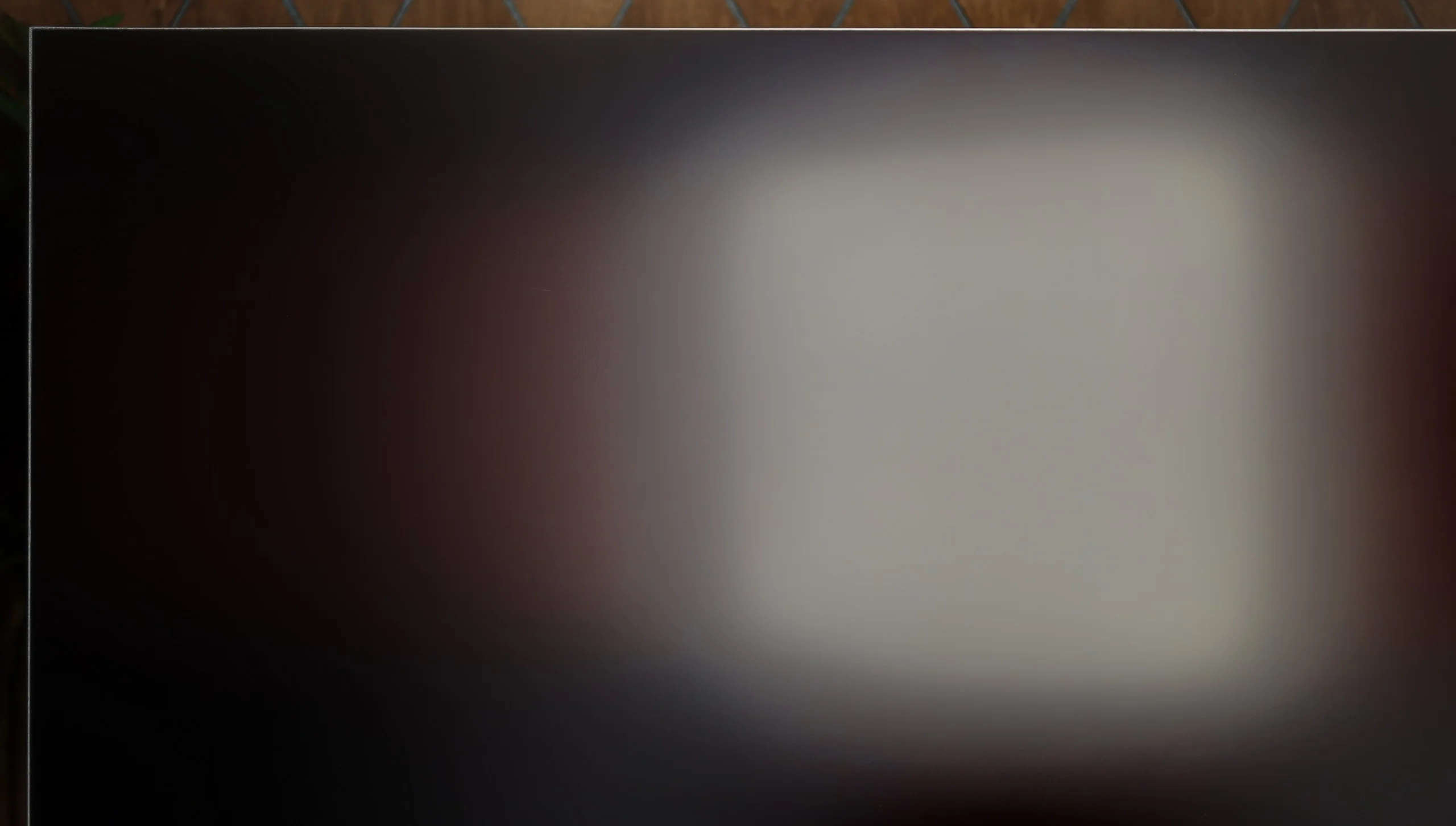

Panel finish: Matte
Reflection suppression: Very Good
Black levels during daytime: Average
One of the biggest advantages of the R95H as a TV for a bright living room is its matte screen finish. Samsung has handled this type of coating very well for years, and here we again have one of the better solutions available on the market. Reflections are effectively suppressed, so windows, lamps, and other bright elements in the room don't interfere as much when watching during the day. As usual with matte screens, there's a trade-off. Rather than a distinct reflection, light scatters more across the panel's surface, so under strong, direct lighting parts of the screen can look slightly brightened. A trade-off, but in a typical living room this solution still works very well.
The R95H also has a second very strong selling point, high SDR brightness. In a bright living room, it's worth setting local dimming to High, because the screen can peak at up to 2000 nits, with an average brightness around 1200 nits. However, you should remember that the algorithm then works more aggressively and can sometimes limit the visibility of details in the brightest highlights of the image. Therefore, for evening viewing we recommend setting it to Low, which interferes less with the picture and helps preserve a more natural character.
Brightness values with local dimming set to 'Low':
Local dimming | 5% | 10% | 20% | 30% | 40% | 50% | 60% | 70% | 80% | 90% | 100% |
|---|---|---|---|---|---|---|---|---|---|---|---|
Average | 555 | 591 | 612 | 965 | 958 | 949 | 888 | 799 | 705 | 640 | 620 |
Panel brightness
Samsung R95H Micro RGB : 1172 cd/m2
SAMSUNG R95H - TV features
7.8/10
System: Tizen
System performance: Very good
- HDMI inputs: 0 x HDMI 2.0, 4 x HDMI 2.1 48Gbps
- Outputs: Toslink (Optical audio), eARC (HDMI), ARC (HDMI)
- Network Interfaces: Wi-Fi 2.4GHz, Wi-Fi 5GHz, Ethernet (LAN) 100Mbps
- TV reception: DVB-T, DVB-T2, DVB-S, DVB-S2, DVB-C
Classic features:
- Recording to USB (terrestrial TV): No
- Recording programming: No
- Picture in Picture (PiP): Yes
- RF remote control (no need to aim): RF
- Backlit remote control: No
- Teletext: Yes
- Audio only mode: Yes
- Bluetooth headphones support: Yes
- Simultaneous Bluetooth headphones & TV audio: Yes
Smart features:
- AirPlay: Yes
- Screen mirroring (Windows Miracast): Yes
- Voice search: Yes
- Voice search in native language: Yes
- Ability to connect a keyboard and mouse: Yes
Smart TV - Tizen
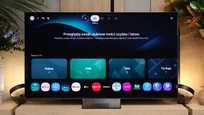
The R95H runs on the well-known Tizen platform, which offers basically everything you can expect from a Smart TV today. You get access to the most popular streaming apps, the system is fast, and navigating the menus is effortless. There's also the SmartThings ecosystem, which lets the TV act as a hub for controlling smart home devices. It also supports AirPlay 2, easy screen sharing from an iPhone, and Multi View, which lets you display multiple sources on the screen at once.
Classic features
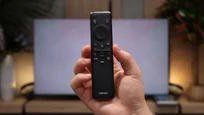
The more traditional side of the R95H looks just as good. The TV has a full set of tuners for terrestrial, cable, and satellite reception, plus a clear EPG guide. Samsung also deserves credit for keeping PiP (Picture-in-Picture), which the maker removed from some lower-tier models. Here you can still display two sources at once, which can be very useful on the R95H's large screen sizes. The TV comes with Samsung's distinctive SolarCell remote. It's compact, has only the essential buttons, and doesn't require battery replacement because it can recharge with light or be charged via USB-C. People who mainly use streaming will quickly get used to it, though the lack of a numeric keypad won't appeal to everyone for traditional TV viewing.
Connections
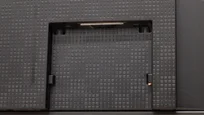
The I/O layout is interesting as well. The R95H has four HDMI 2.1 ports, antenna inputs, and an optical output, and it's also equipped with a dedicated connector for a One Connect module. As with the flagship S99H OLED, you can buy a wireless One Connect and move some of the cabling away from the TV. That's an additional $350 / 1500 zł, but when the TV is mounted very close to the wall it can be a very convenient solution.
Sound connection options
HDMI audio:
Other audio outputs:
- Toslink: Yes
Wireless audio:
- Bluetooth: Yes
- Samsung Q-Symphony (Speaker extension): Yes
Supported audio formats (external HDMI eARC audio):
- Dolby Digital Plus 7.1: Yes
- Dolby True HD 7.1: Yes
- Dolby Atmos in Dolby Digital Plus (JOC): Yes
- Dolby Atmos in Dolby True HD: Yes
- DTS:X in DTS-HD MA: No
- DTS-HD Master Audio: No
Senior accessibility
- Numeric keyboard on TV: No
- Font size adjustment: Yes
- Audio description: Yes
SAMSUNG R95H - Apps
9.3/10






















SAMSUNG R95H - Playing files from USB
9.1/10
| Maximum photo resolution: | Supported photo formats: |
|---|---|
| 4 Mpix | JPEG |
| 6 Mpix | HEIC |
| 8 Mpix | PNG |
| 10 Mpix | GIF |
| 12 Mpix | WebP |
| 16 Mpix | TIFF |
| 20 Mpix | BMP |
| 24 Mpix | SVG |
| 28 Mpix | |
| 32 Mpix |
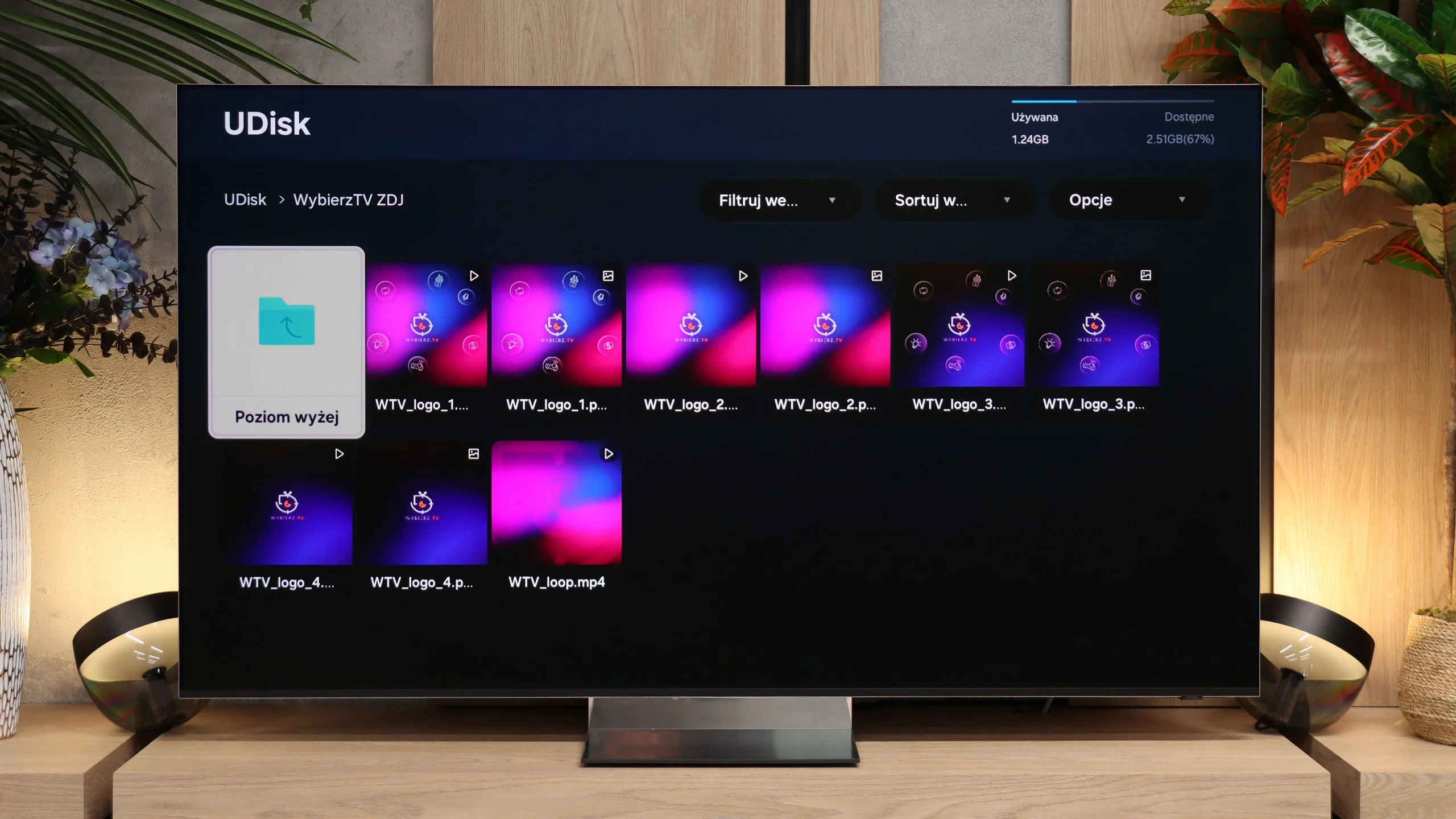
When it comes to playing files from USB, the R95H performs without issues. During our tests we didn’t encounter any common video or audio format that the TV had trouble with, and the player itself is fast and stable. It’s just a shame Samsung still hasn’t added support for the HEIC format. For photos saved in that format, for example from an iPhone, you still have to convert the files beforehand to a more standard format.
SAMSUNG R95H - Sound
7.5/10
89dB
Maximum volume

Supported codecs (TV speakers)
Dolby Digital Plus 7.1
Dolby True HD 7.1
Dolby Atmos in Dolby Digital Plus (JOC)
Dolby Atmos in Dolby True HD
DTS:X in DTS-HD MA
DTS-HD Master Audio
The Samsung R95H comes with a fairly extensive 4.2.2 audio system rated at 70 W and is genuinely pleasant in everyday use. The sound is clean, fairly spacious for a TV, and noticeably more powerful than in most mid-range models. For movies and TV shows, the built-in speakers handle things comfortably and will satisfy even more demanding users. It only gets a bit worse when the material has a lot of bass. With some tracks we noticed the TV can fall into unpleasant resonances, and this is where the limitations of the built-in audio are most noticeable. If the low end were better, we would rate the whole system much higher. If you want stronger bass and a more cinematic sound, it’s worth considering a soundbar with a subwoofer or a home theater system. A soundbar will of course be the simpler and cheaper option, and with support for Dolby Atmos you can already build a really solid movie setup with the R95H. Unless someone mainly uses physical Blu-ray releases... in that case, it’s worth remembering that Samsung does not support DTS formats, so for some audio tracks that may mean you need to use an external player or an AV receiver.
Sound Quality Test:
Acoustic Measurements
89dBC (Max)
75dBC
SAMSUNG R95H - Panel details
Software version during testing: 1204
Panel uniformity and thermal imaging:

Backlight Type: Mini-LED RGB

Founder and originator of the "ChooseTV" portal

Journalist, reviewer, and columnist for the "ChooseTV" portal

michal-woloszyn-title
Reader comments
Comments are provided by the external service Disqus (Zeta Global). Once loaded, Disqus may set cookies and process data about your activity.
We will remember your choice on this device. Provider's privacy policy
See articles related to Samsung R95H Micro RGB :
 4/16/2026
8/13/2025
12/17/2025
Our YouTube channel
Three RGB TVs in a blind test [Micro RGB, MINI-LED RGB, MINI... 9/23/2026
12/16/2025