- Matching (Score) |
- Our verdict |
- Competing TVs |
- TV appearance |
- Where to buy |
- Contrast and black detail |
- HDR effect quality |
- Factory color reproduction |
- Color reproduction after calibration |
- Smoothness of tonal transitions |
- Image scaling and smoothness of tonal transitions |
- Blur and motion smoothness |
- Console compatibility and gaming features |
- Input lag |
- Compatibility with PC |
- Viewing angles |
- Daytime performance |
- TV features |
- Apps |
- Playing files from USB |
- Sound |
- Panel details
Sony BRAVIA 2 II (S25M2) Review
BRAVIA 2 II / S25M2
Available screen sizes:
Complete the survey to find out the result
Panel type: LCD IPS Refresh rate: 60Hz Brand: SONY Resolution: 3840x2160 System: Google TV Model year: 2026
This review is an English translation of the Polish original. Read the original on Wybierz.tv.
Sony BRAVIA 2 II is a budget model from the Japanese manufacturer that debuted in 2025 but didn't reach Europe until a year later. We decided to check whether, despite the time that has passed, it still has anything interesting to offer and whether an entry-level Sony like this still makes sense in 2026.
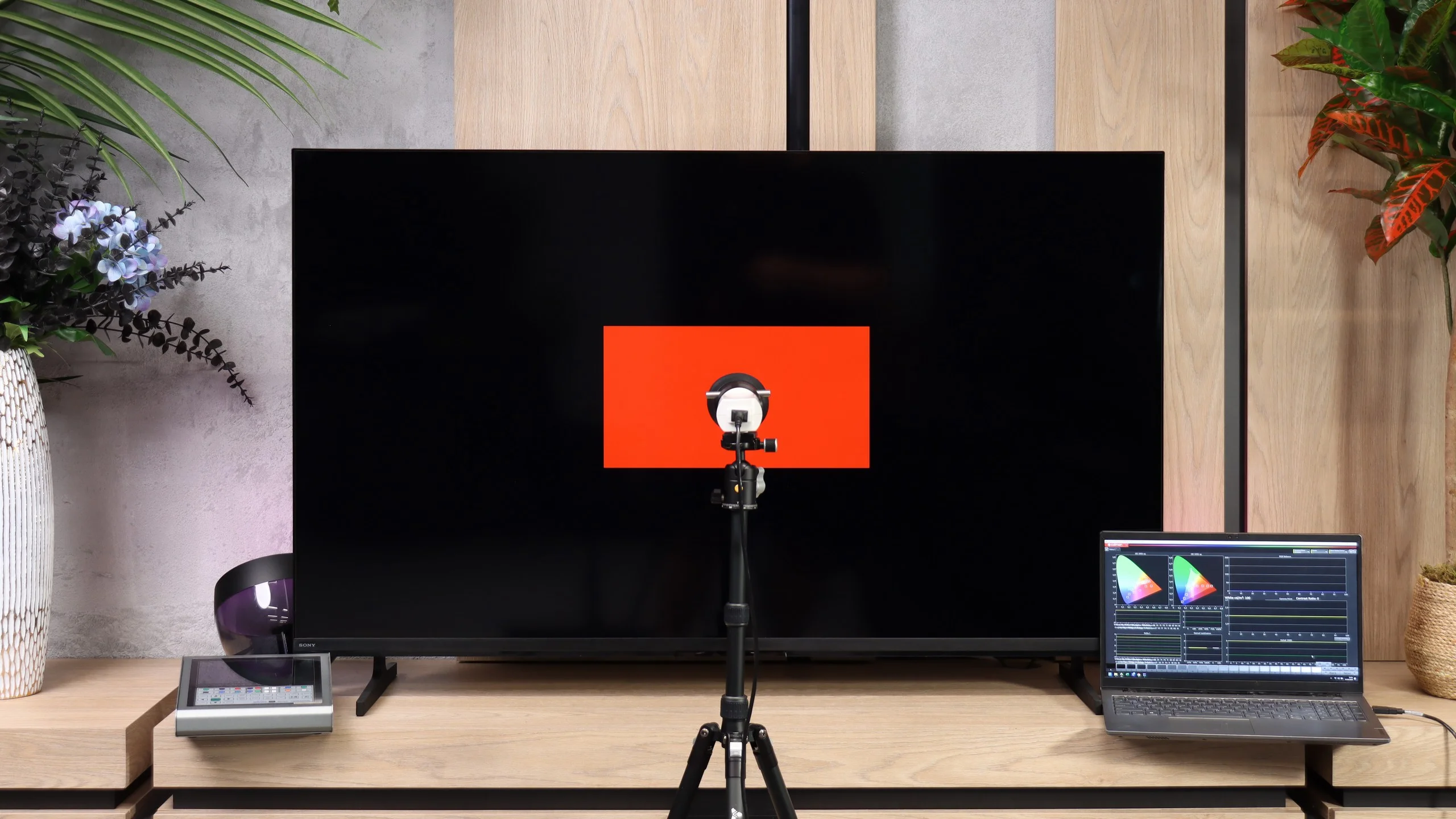
SONY BRAVIA 2 II - Our verdict
5.8
Overall rating
Sony Bravia 2 II is a TV that performs best in simple, everyday use. And we suspect many people will choose it mainly because of Google TV. The system provides access to a huge number of apps and streaming services, and you also get Chromecast, AirPlay and convenient voice search. The TV itself may not run as fast as pricier Sony models, but in terms of capabilities there’s little to complain about. Importantly, for regular viewing the picture quality is quite decent. The Bravia 2 II handles SDR material particularly well — regular broadcast TV, YouTube and much of older movies and series. The out-of-the-box Cinema mode is already fairly well set, colors look natural, and without much fiddling with the settings you can just start watching. And in our view this is where the Bravia 2 II shines: as a simple Smart TV for everyday use, not a TV meant to wow with the panel’s capabilities. You do need to remember, though, that the Bravia badge on the housing doesn’t automatically mean great picture quality. The Bravia 2 II uses an IPS panel with very low contrast, and that is its biggest problem. During the day this isn’t such a big issue, but turn off the lights in the evening and blacks start to look more like dark gray. Of course, in return you get good viewing angles, so if the TV sits in a large living room and several people watch from different spots, IPS is an advantage. But it comes at the cost of weak black levels. This isn’t a TV built for HDR impact or for more demanding gamers either. Around 300 nits of brightness and a narrow color gamut mean HDR material doesn’t show much more here than SDR. The 60 Hz panel and the lack of broader gaming features also make it clear that gaming isn’t a priority for this model. And actually that wouldn’t be a big problem, because it’s exactly what we expected from Sony’s entry-level model. The biggest issue with the Bravia 2 II, however, is the price. For a similar amount you can easily find competitor TVs, especially from Korean and Chinese brands, that already offer much more, from 120 Hz panels to Mini-LED backlighting with local dimming. So the Bravia 2 II itself is not a bad TV. It’s simply too expensive for what it offers. If its price were clearly lower, it would make much more sense as a simple TV for everyday viewing.
Advantages

Very good viewing angles (IPS panel)
Google TV with a huge selection of apps
Chromecast and AirPlay
Low input lag
Very good USB media player
Supports audio formats: Dolby (Atmos, TrueHD, Digital), DTS (X, HD)
Two remotes included
Disadvantages

- Price is too high for what it offers! - Very poor black levels and low contrast (IPS panel) - Low brightness, around 320 nits - No support for dynamic HDR formats (Dolby Vision, HDR10+) - Only a 60 Hz panel - Very limited gaming capabilities
 Movies and series in UHD quality
5.2
 Classic TV, YouTube
5.2
 Sports broadcasts (TV and apps)
5.5
 Gaming on console
6.2
 TV as a computer monitor
6.0
 Watching in bright light
4.8
 Utility functions
6.6
 Apps
Apps9.6
 Sound quality
6.1
Complete the survey to find out what fits your preferences
SONY BRAVIA 2 II - Competing TVs in this price range
SONY BRAVIA 2 II - TV appearance
HDMI inputs: 4 x HDMI 2.0, 0 x HDMI 2.1 Outputs: Toslink (Optical audio), eARC (HDMI), ARC (HDMI) Network Interfaces: Wi-Fi 2.4GHz, Wi-Fi 5GHz, Ethernet (LAN) 100Mbps
Build quality: Good
Stand type: Legs
Bezel color: Graphite
Stand: Fixed
Flat design: No
Accessories: Two remote controls, Stand
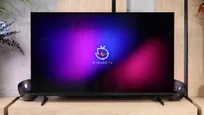
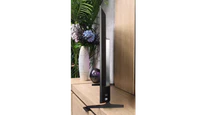
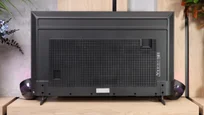
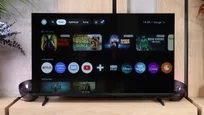
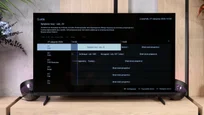
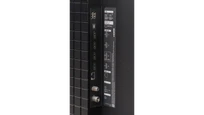
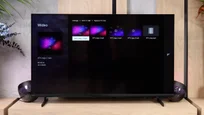
The BRAVIA 2 II looks very classic, and you can tell right away it’s one of Sony’s cheaper models. From the front it actually looks quite neat. The three bezels are relatively slim, with the bottom one a bit thicker, but the build quality itself doesn’t give much cause for complaint. Nothing sticks out, the parts fit together well, and the whole thing feels solid. It’s only when you look at the TV from the side or the back that its budget character becomes more apparent. The construction is fairly simple, and the plastic section that houses the electronics noticeably protrudes from the housing, so the BRAVIA 2 II isn’t among the slimmest TVs. It’s not a model meant to impress with its design or to look especially good mounted flush on the wall. On the other hand, it’s hard to complain — it’s simple, tidy, and for its class of equipment, really fine.
Buy at the best price
Select size:

SONY BRAVIA 2 II - Contrast and black detail
2.7/10
Local dimming function: No


Result
1,150:1

Result
1,200:1

Result
1,450:1

Result
1,400:1

Result
1,100:1

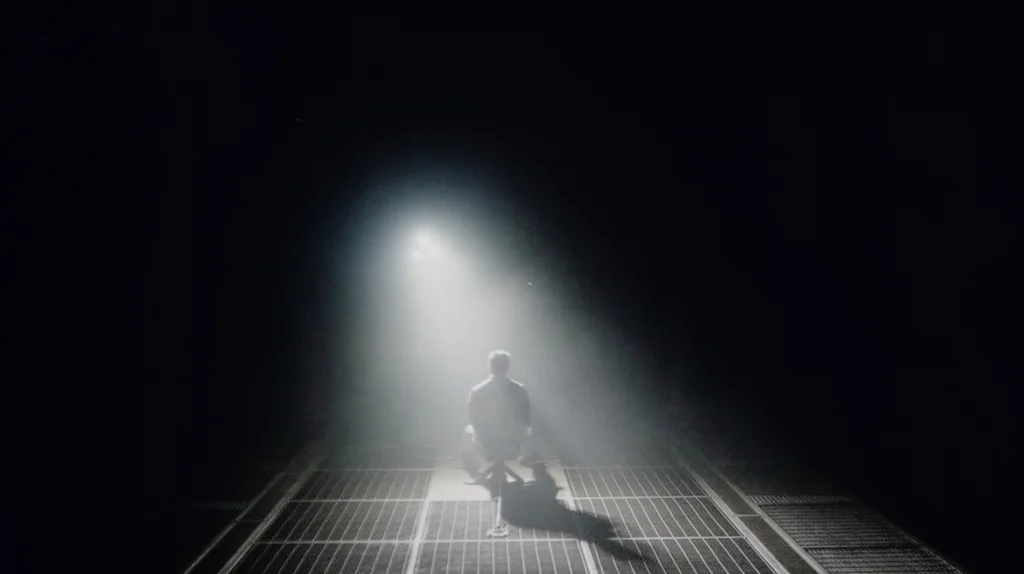
When it comes to black levels, the Bravia 2 II unfortunately doesn't have much to offer. Sony used an IPS panel here, which delivers one of the lowest native contrast ratios among all LCD panels. In our measurements we recorded values around 1100–1450:1, and you can clearly see that while watching. The TV also has no local dimming, so it can't darken only the parts of the screen that should remain black. In practice this means that once the lights are turned off, blacks very quickly start to drift toward gray and navy blue. In scenes like Oblivion or Sicario 2, instead of a deep background we get a noticeably brightened image that seriously saps the mood of evening screenings. Of course an IPS panel also has the advantage of better viewing angles, but in this area that hardly makes up for it. If you're mainly looking for a TV to watch movies in the evening, the Bravia 2 II simply isn't a model we could recommend.
Halo effect and black detail visibility:
SONY BRAVIA 2 II - HDR effect quality
4/10
Supported formats: HDR10, HLG
Luminance measurements in HDR:

Result
294 nit

Result
307 nit

Result
329 nit

Result
330 nit

Result
325 nit
Sony Bravia 2 II is not a very bright TV and unfortunately that is immediately apparent in HDR. In our measurements brightness stayed around 300 to 330 nits, which is definitely too low for the brightest parts of the picture to look truly impressive. In practice HDR here does not differ that much from ordinary SDR. Bright highlights, the sun, or lamps are of course visible, but they lack the intensity you would expect from HDR material. The Bravia 2 II therefore performs much better with regular SDR content, and it is in that use case that its limited brightness will be least noticeable.
Color gamut coverage
Sony Bravia 2 II also doesn't impress when it comes to colors. The TV doesn't use any additional gamut-expanding filter, such as the quantum dots found in QLED TVs or a PFS phosphor layer. In our measurements DCI-P3 coverage was about 78%, and the very wide BT.2020 around 57%. That's definitely too little to talk about truly saturated colors in HDR content. More intense reds, greens, or turquoise hues will simply be less striking than on TVs with an expanded color gamut. The Bravia 2 II therefore fares much better with standard Rec.709, the gamut used for movies, series, and TV in SDR.
BT.2020 color gamut coverage and primary color luminance
| Data set | BT.2020 | P3 | R | G | B |
|---|---|---|---|---|---|
| Synthetic patterns | 57.4% | 78.7% | 49% | 53% | 61% |
| Film measurements | 57.4% | 78.7% | 49% | 51% | 61% |
 BT.2020
 BT.2020 and P3 – average color gamut coverage (percent of the target gamut).
R, G, B – average primary color luminance relative to target (percent).
Scene from the movie “Pan” (about 2800 nits)
Scene from the movie “Billy Lynn” (about 1100 nits)
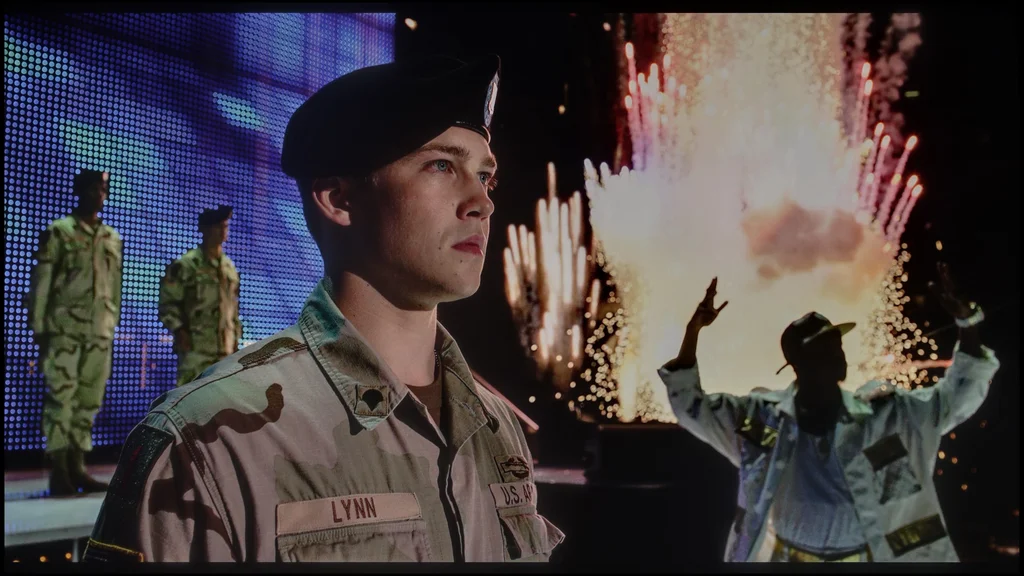
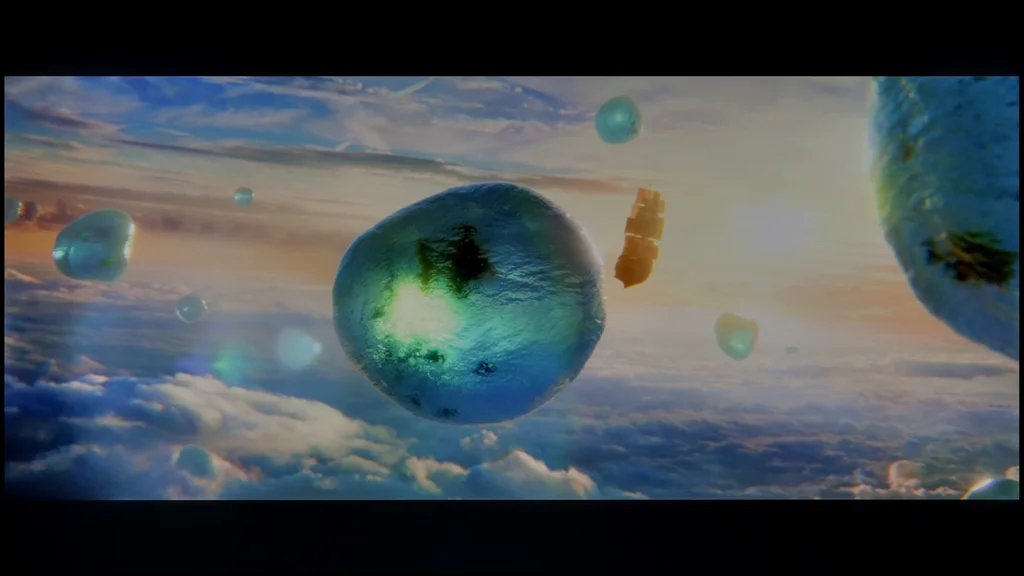
The Bravia 2 II also isn't strong at reproducing detail in HDR. The TV struggles to render the brightest parts of the image, and it's not limited to only very demanding content. Even with material mastered to around 1,000 nits, such as Billy Lynn, some detail in the whites can get lost. With even brighter material reaching 3,000 to 4,000 nits, the problem only becomes more apparent. Fireworks, explosions, the sun and other intense light sources often merge into a single bright patch, and the TV can't show the details within them. This is simply another consequence of the Bravia 2 II's limited brightness.
HDR luminance chart:
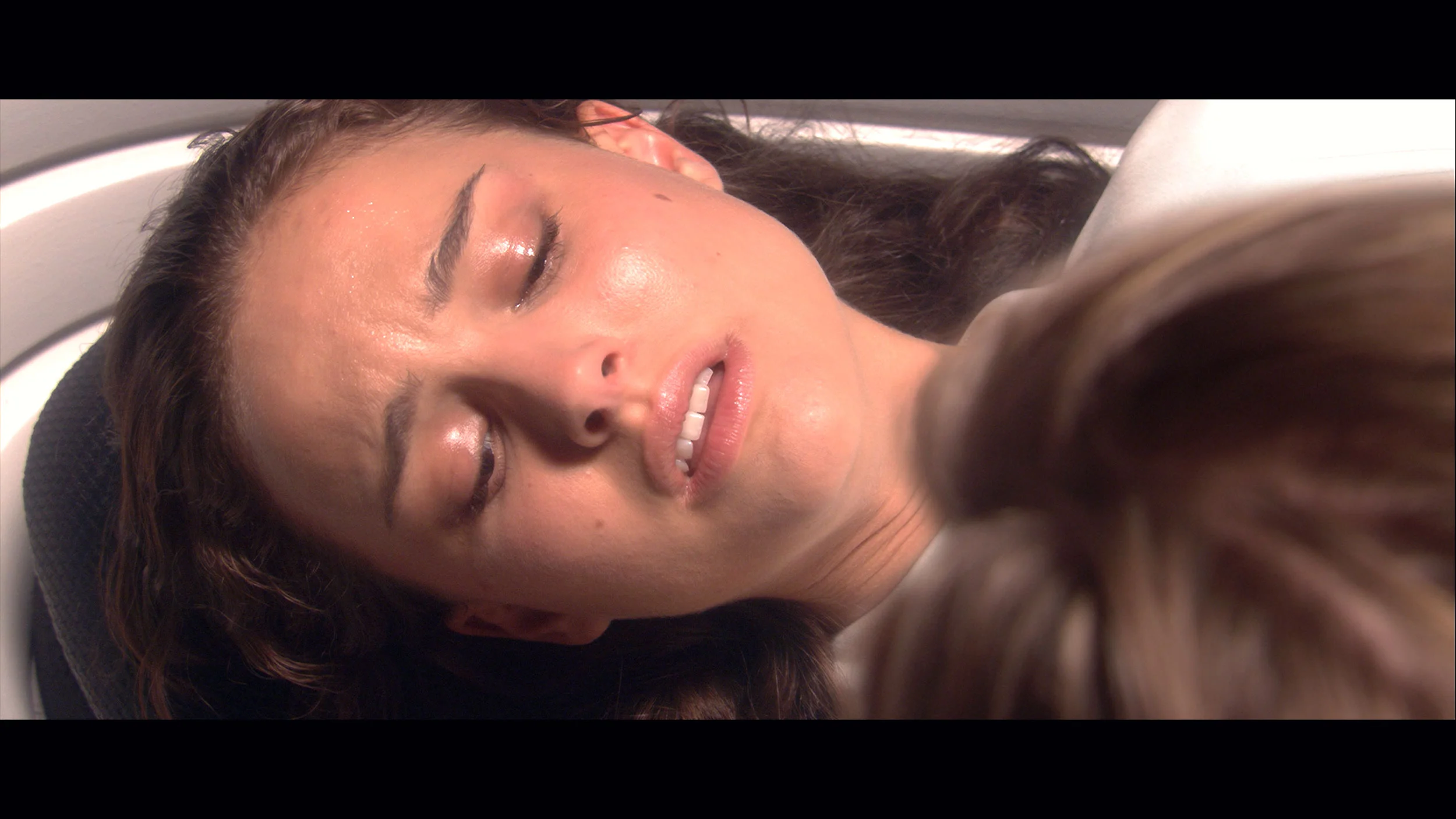
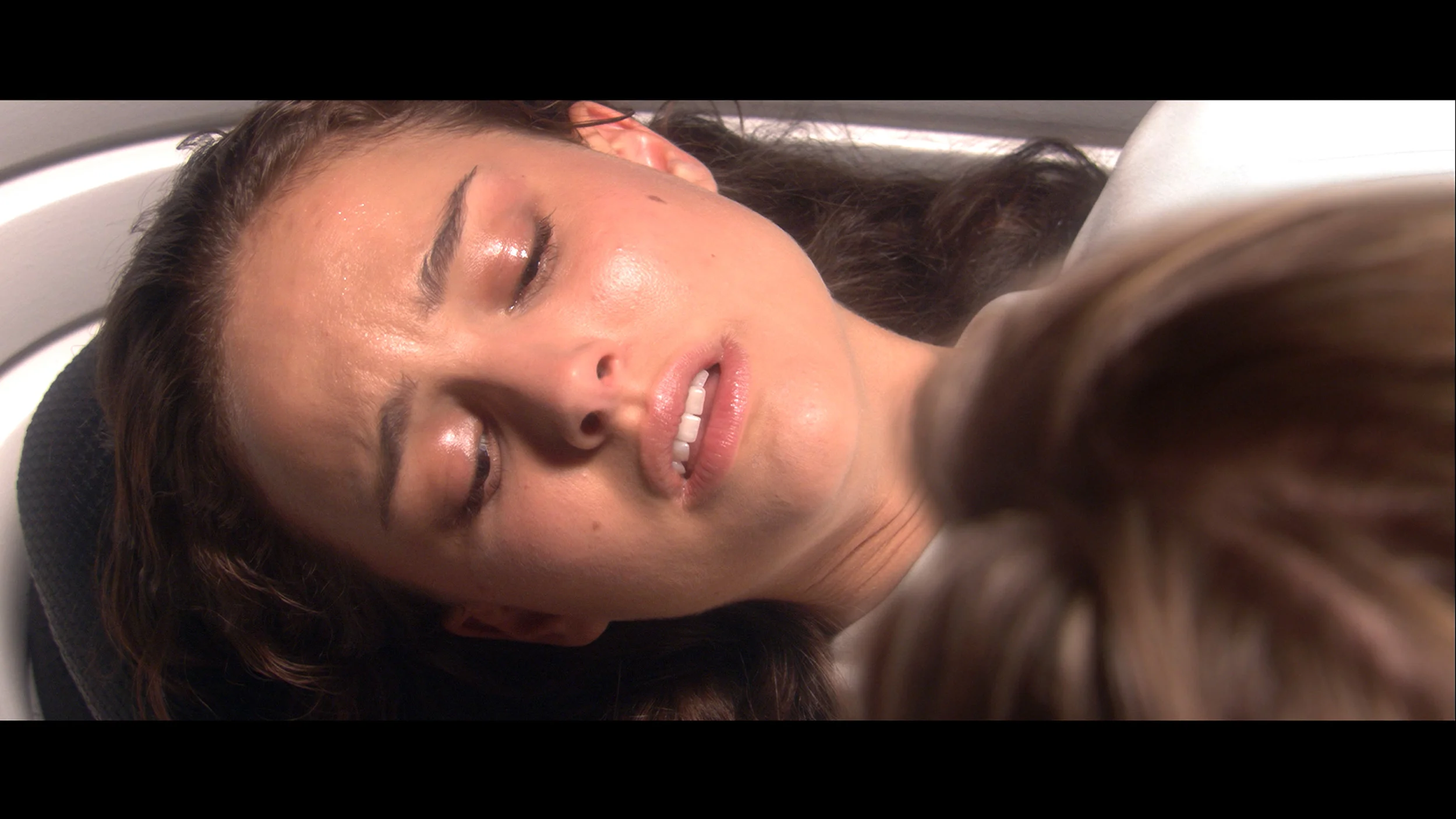
Given the weak tone mapping, you might expect the Bravia 2 II to gain a lot from dynamic metadata formats like Dolby Vision or HDR10+. The problem is the TV doesn’t support either of those formats. With more demanding HDR material there’s therefore no extra information to help better match the brightest parts of the image to the panel’s capabilities. In practice the most demanding scenes can end up noticeably blown out. Of course not every movie will look as bad as the scene with horses in a very bright meadow, but intense effects often lose some detail. This is exactly where you most notice how much the Bravia 2 II would benefit from support for dynamic metadata.
Static HDR10

Factory color reproduction
5.3/10
Out-of-the-box color reproduction in Cinema mode was really good, at least for ordinary SDR material. The Bravia 2 II had a slight tendency to boost reds, so some colors skewed a bit warmer, at times with a faint pinkish tint. However, it wasn't a major fault, and during normal viewing the picture still looked quite natural. There was a bit more going on with image brightness. Looking at the gamma trace, you can see Sony doesn't stick exactly to the reference value. The darkest parts are slightly lifted, while as brightness increases the gamma gradually rises and a larger portion of the image becomes darker than it should. That said, the difference isn't large enough to seriously interfere with everyday viewing. Overall, SDR straight out of the box performs pretty well.
The situation is much worse in HDR. We already mentioned the limited color gamut, but the Bravia 2 II also manipulates image brightness quite aggressively here. The EOTF curve sits below the reference for a large part of the range, which means the TV renders most midtones and brighter parts of the scene darker than the source material intends. Only toward the very end of the range does the curve flatten out, as the panel reaches the limits of its capabilities. Combined with a peak brightness of around 300 nits, this results in HDR that not only lacks punch but can simply look too dim.
Color reproduction after calibration
7/10
Calibration did a lot for the Bravia 2 II, especially with SDR content. Above all, we were able to even out the white balance and tidy up the gamma, which now sticks much closer to reference values. As a result, the picture no longer has the previous pink tint, and the brightness of individual areas is much better balanced. You can also see this in the color errors, which dropped to a very low level after calibration (with minor issues in the most saturated reds).
We also partially tamed the Bravia 2 II in HDR, particularly in how the TV manages image brightness. However, there is one thing no calibration can fix: the panel's inherent limitations. The narrow color gamut means the TV physically cannot reproduce the most saturated colors present in HDR content. On top of that, the IPS panel's low contrast leaves darker scenes veiled by a grayish glow, causing colors to lose some of their depth. So we can improve how the Bravia 2 II uses its capabilities, but unfortunately we can't overcome the panel's fundamental limits.


SONY BRAVIA 2 II - Smoothness of tonal transitions
8/10
The smoothness of tonal transitions on the Bravia 2 II is quite good, though it depends heavily on the scene. In brighter parts of the image, the gradation is smooth and major problems are hard to spot. It gets worse in very dark scenes. In scenes dominated by dark tones, distinct banding between adjacent shades was visible. So it's not perfect, but for most everyday content the issue shouldn't be particularly noticeable.
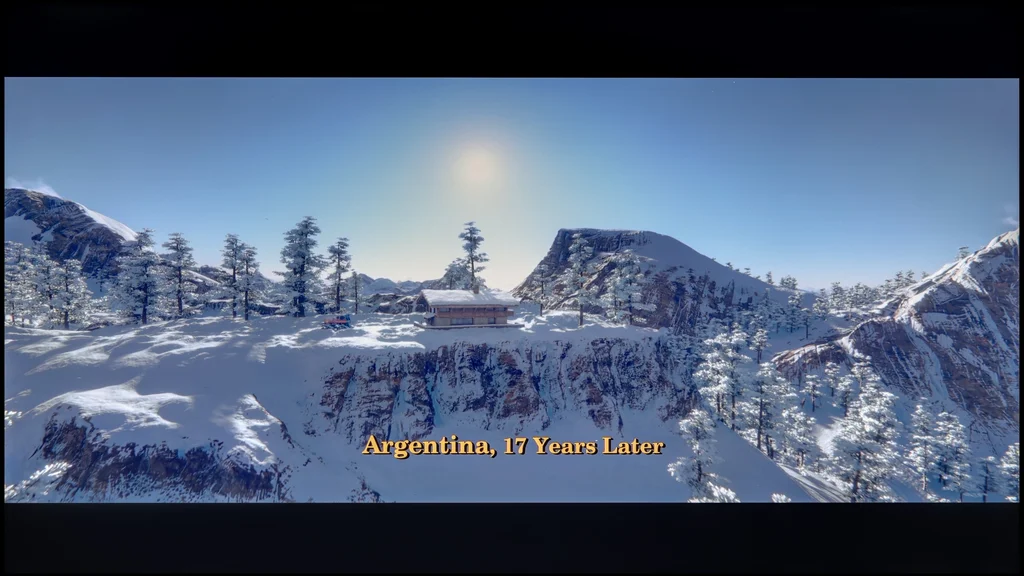
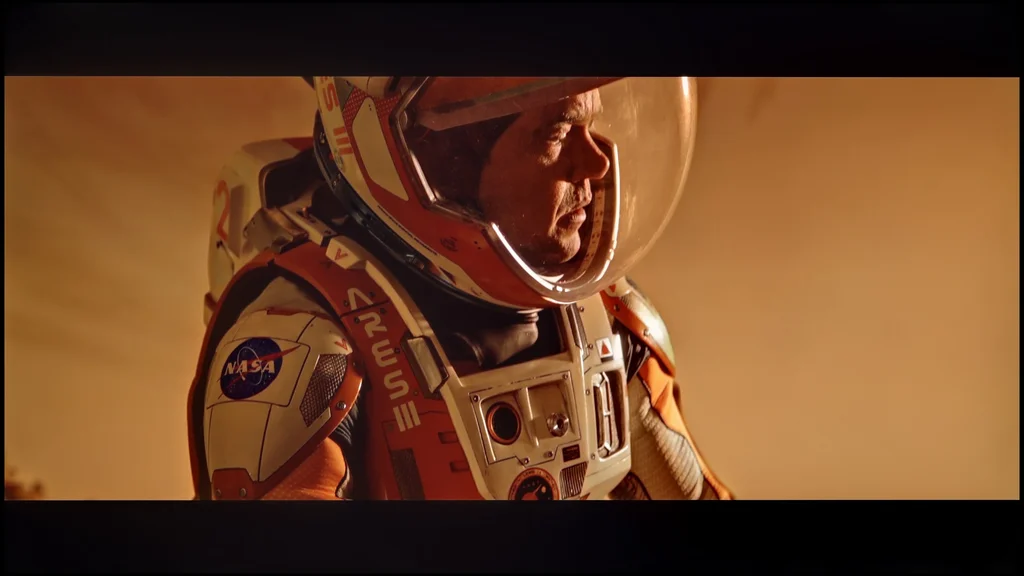
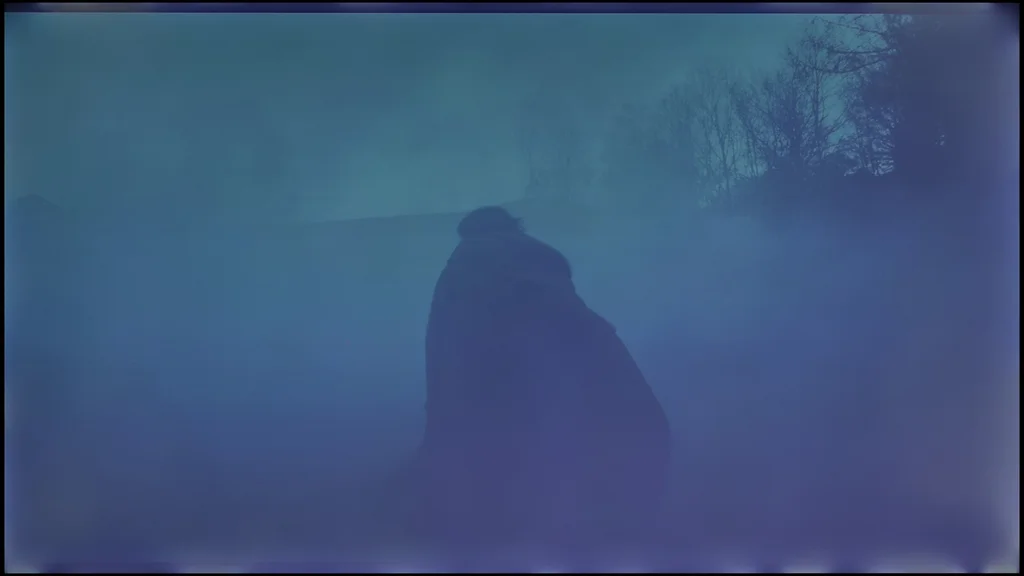
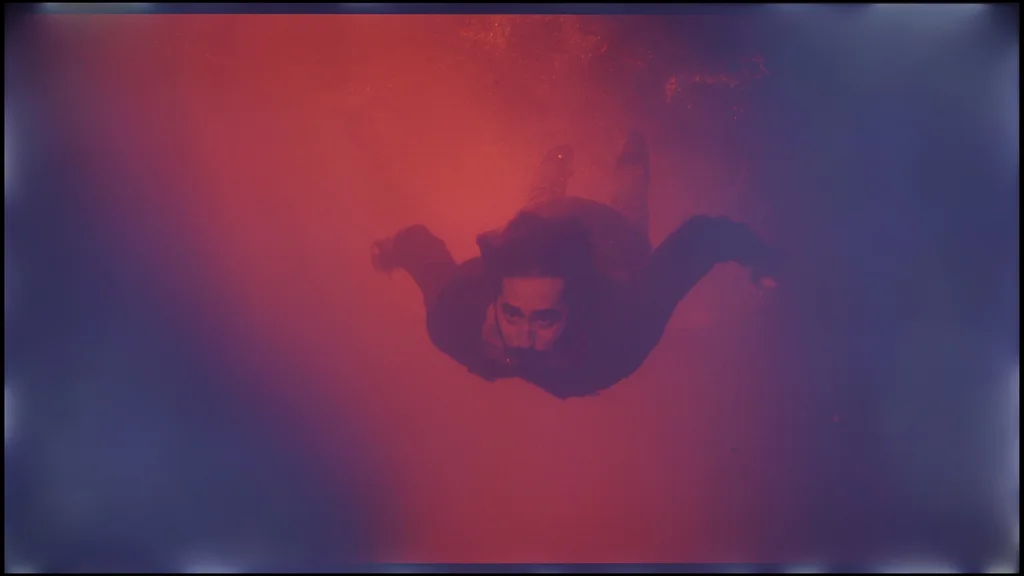
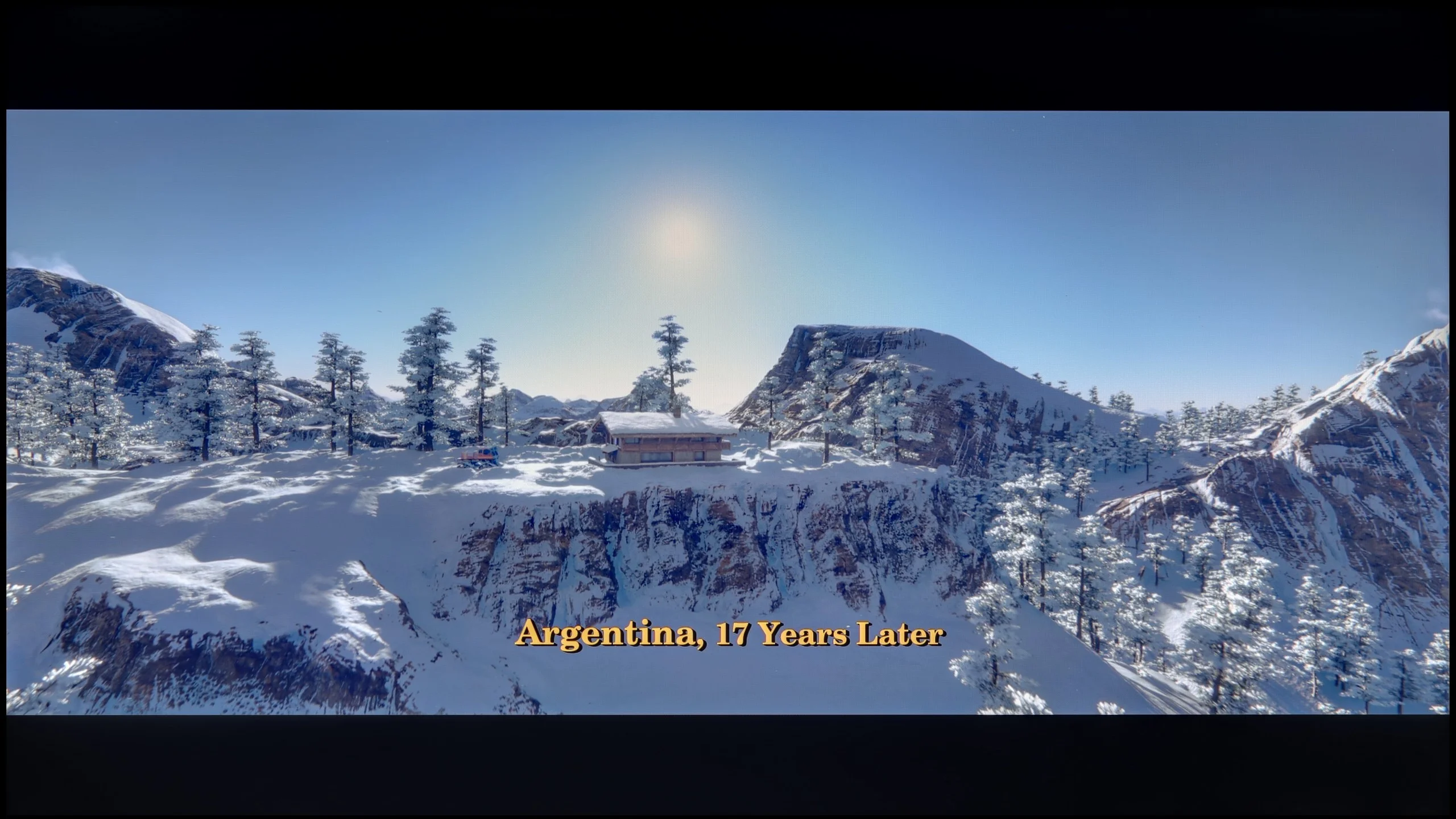
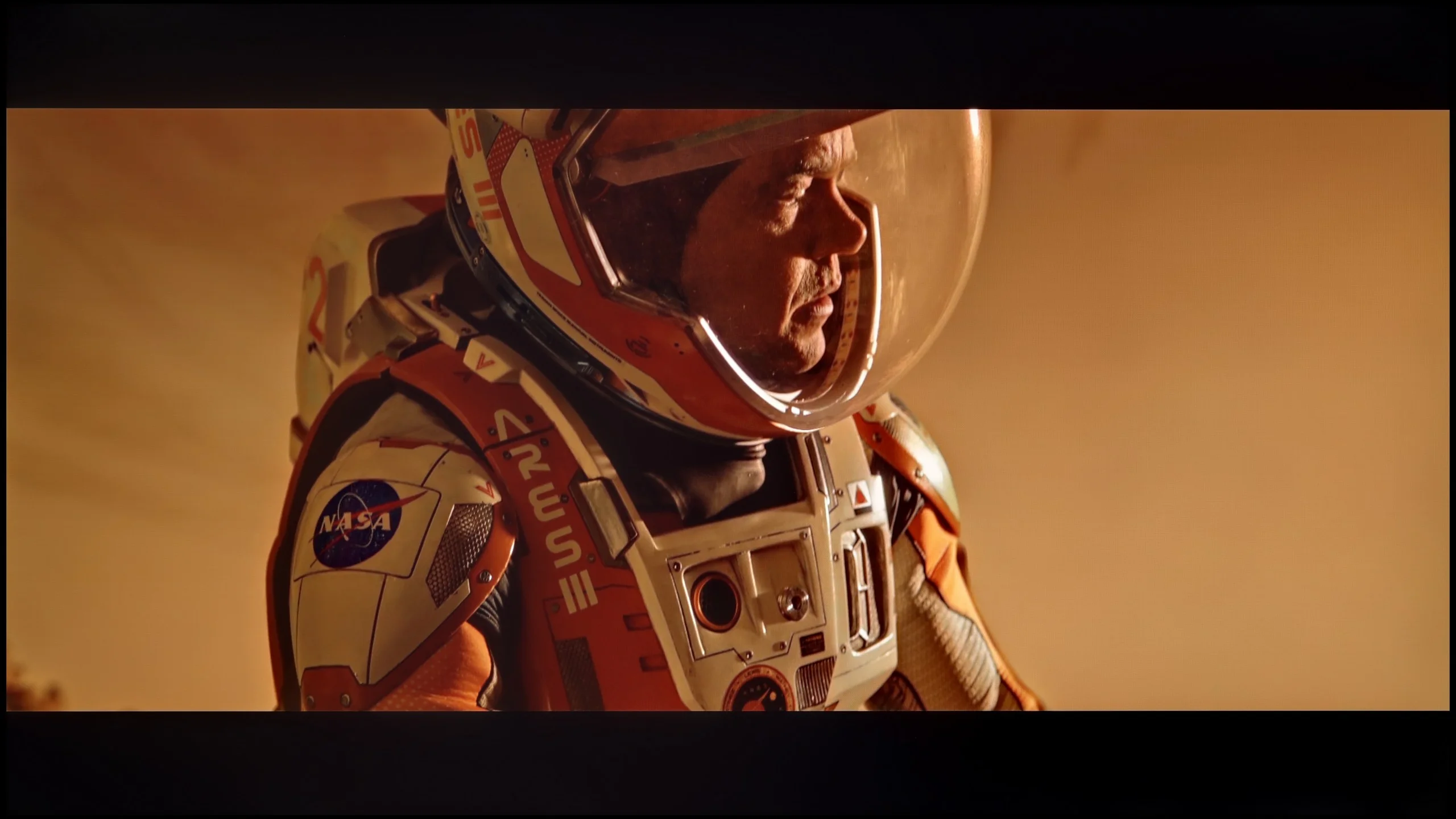
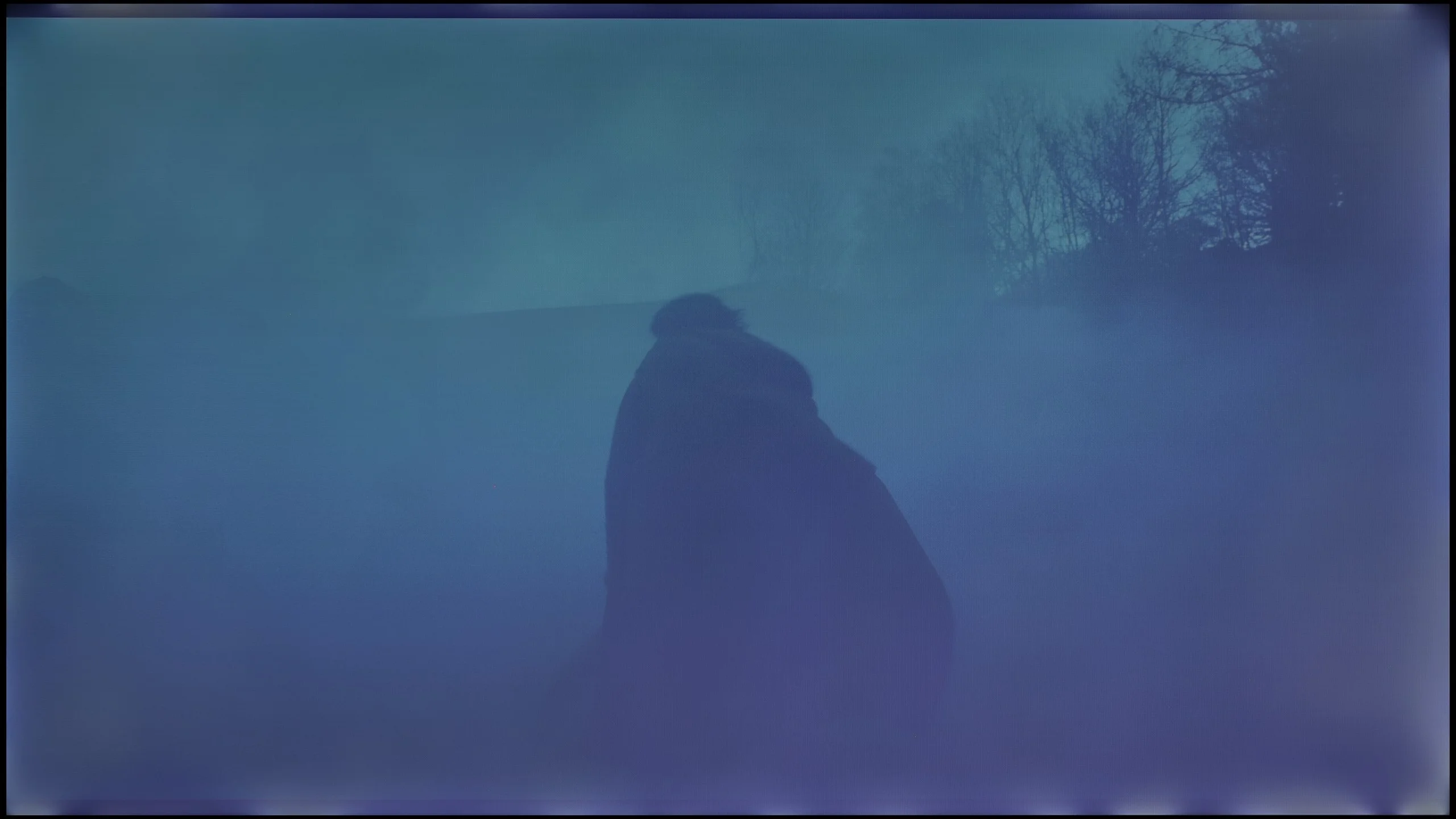
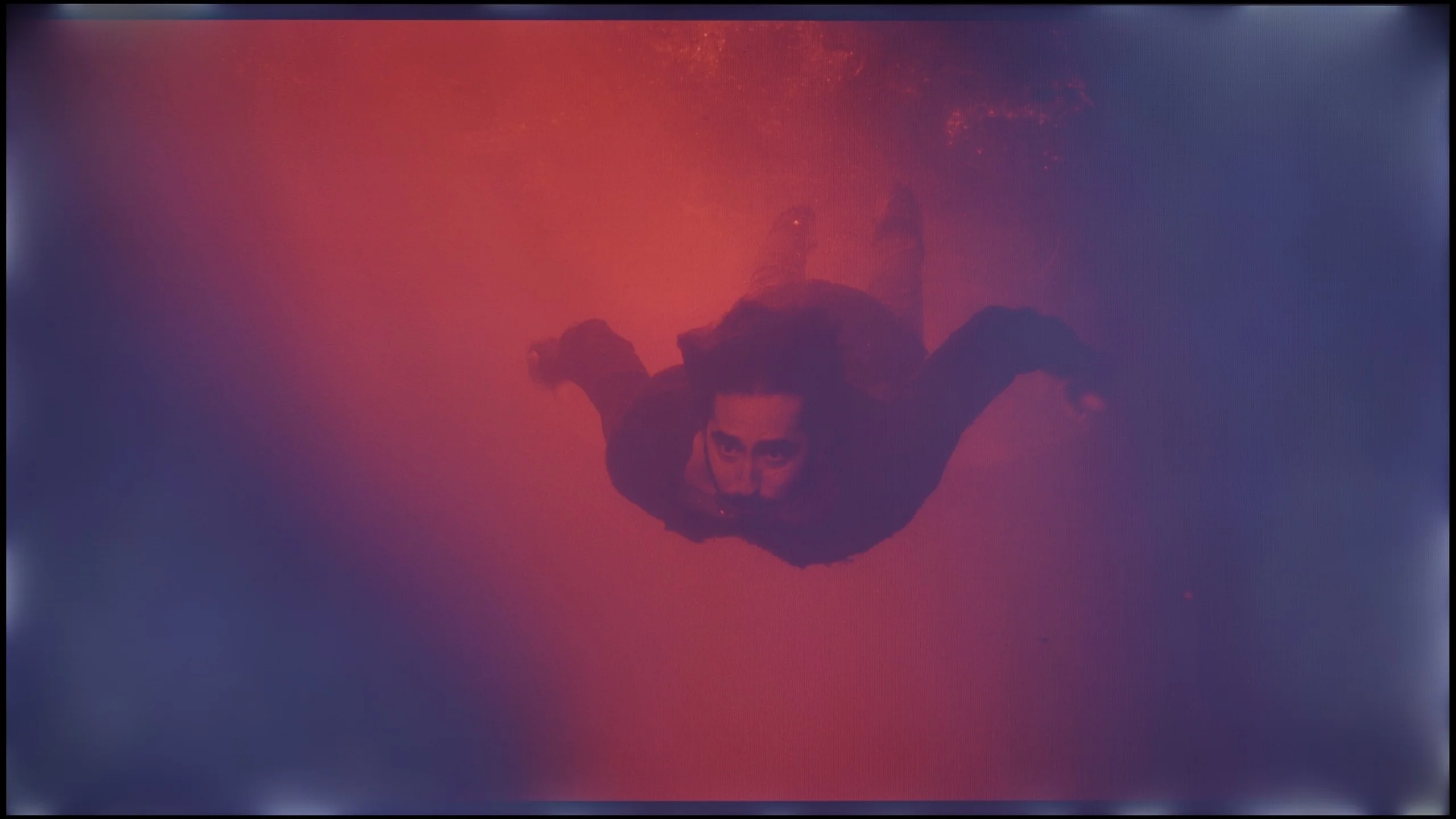
Image scaling and smoothness of tonal transitions
6/10
 Smooth transition function
Image without overscan on the SD signal

Upscaling in the Bravia 2 II performs quite well, and in that respect the TV maintains the standard Sony has accustomed us to. Lower-resolution content is sensibly scaled to 4K, with the image slightly smoothed and without over-sharpening edges. It’s a different story when it comes to improving content with visible compression. That’s handled by the "Digital Noise Reduction" feature, which on the "High" setting can indeed smooth out some ugly tonal banding. The problem is it does so fairly aggressively, removing a lot of fine detail along with the imperfections, including natural film grain. Moreover, when there’s more motion on screen its effectiveness drops significantly and the improvement becomes minimal. So we generally avoided using this feature in everyday viewing.
SONY BRAVIA 2 II - Blur and motion smoothness
5/10
Maximum refresh rate of the panel: 60Hz
Film motion smoothing option: Yes
Blur reduction option: No
BFI function 60Hz: Yes, 120Hz (double contours)
BFI function 120Hz: No
Brightness drop with BFI: 25%
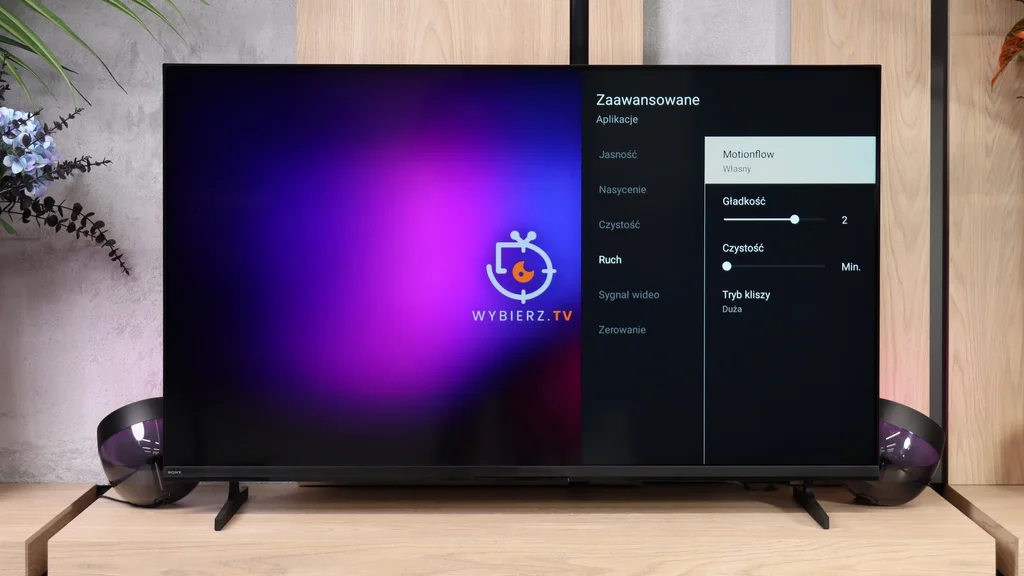
The Bravia 2 II uses a 60 Hz panel and, given its capabilities, handles motion quite well. However, keep in mind this is a basic panel, and its limitations are already noticeable, especially with sports. The TV cannot interpolate 50/60 fps content to a higher refresh rate, so it can't further improve the sharpness of fast-moving objects. For movies and series, you get a standard motion smoother that can reduce the characteristic judder of material shot at 24 fps.
Blur (native resolution, maximum refresh rate):
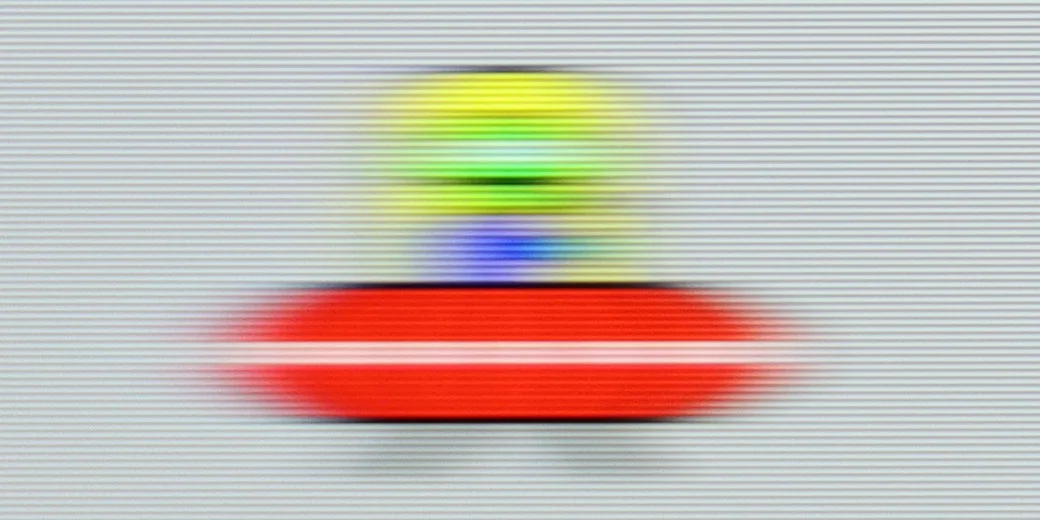
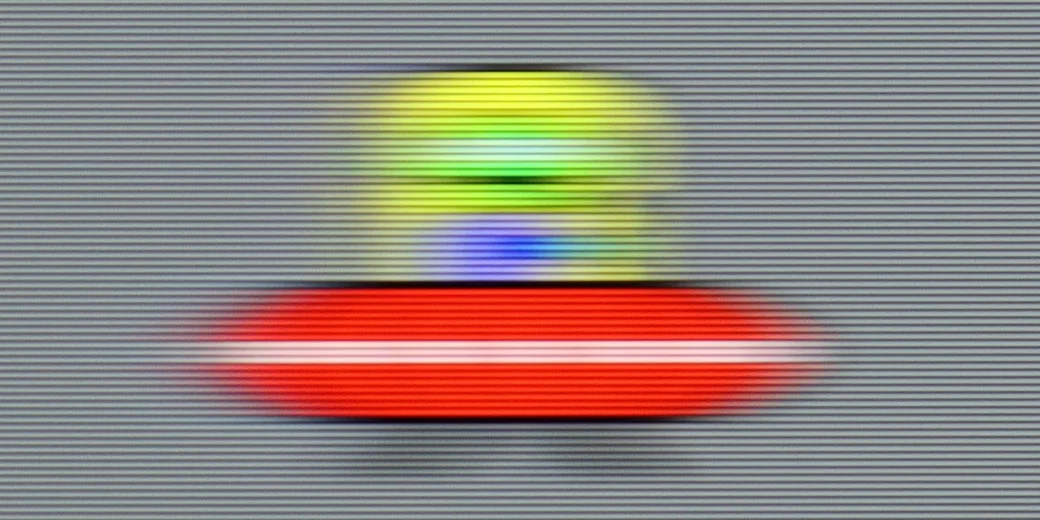
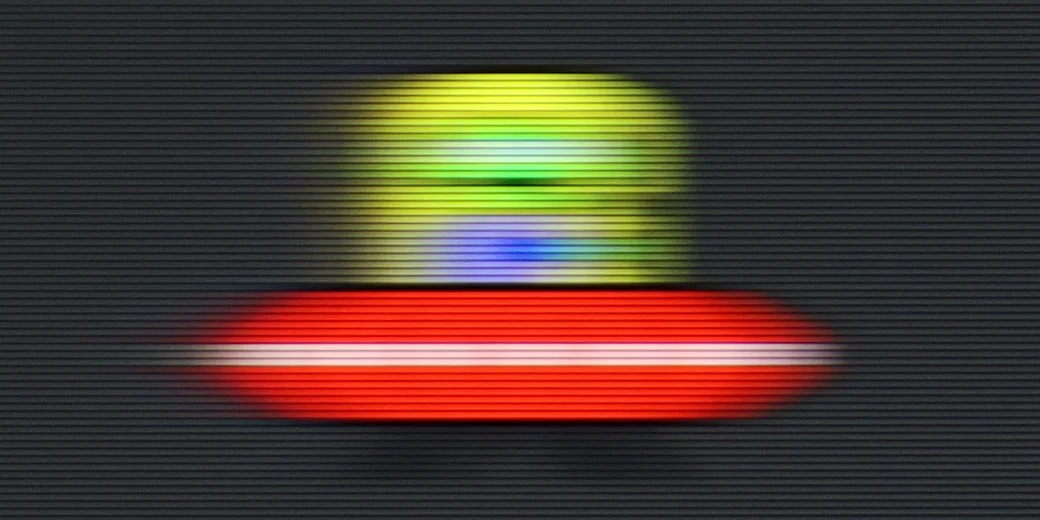
Blur (BFI function enabled):
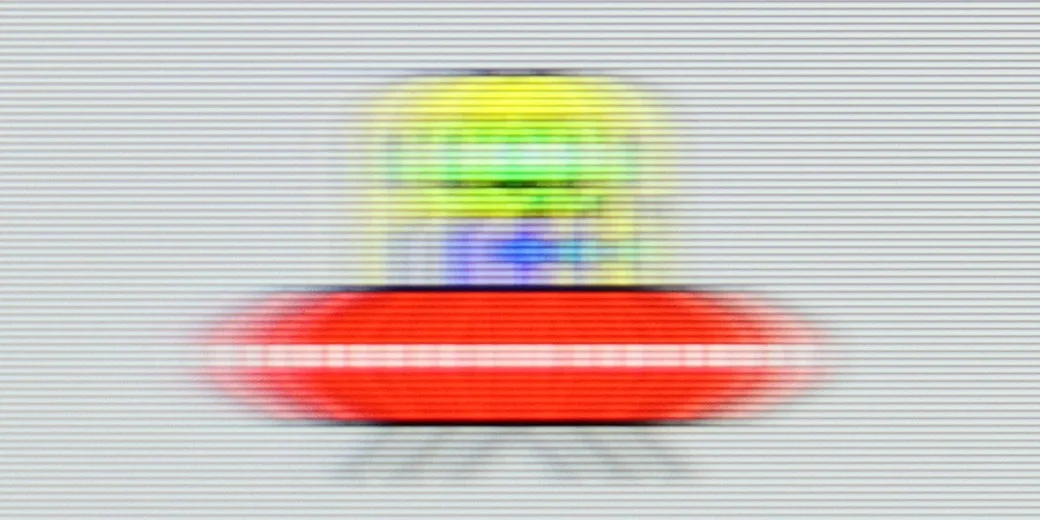
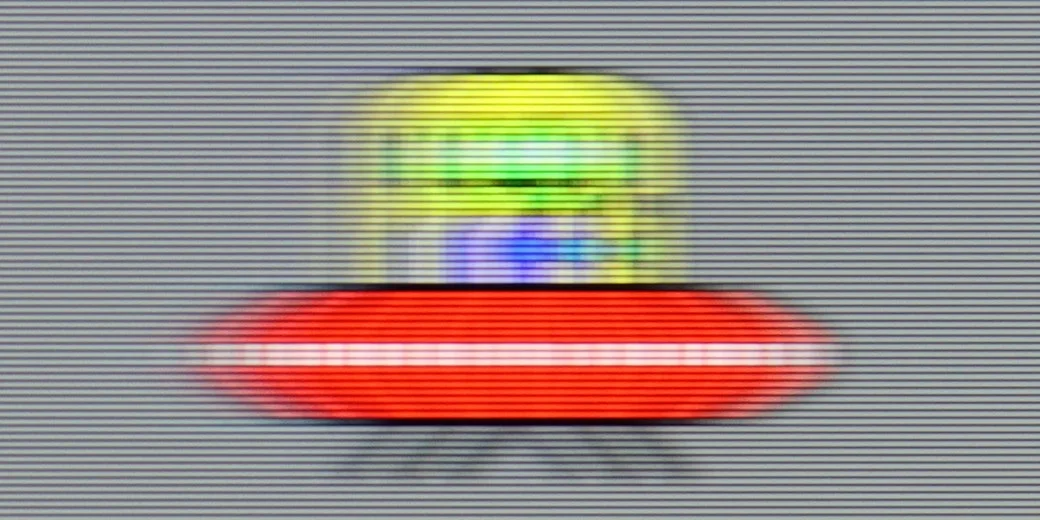
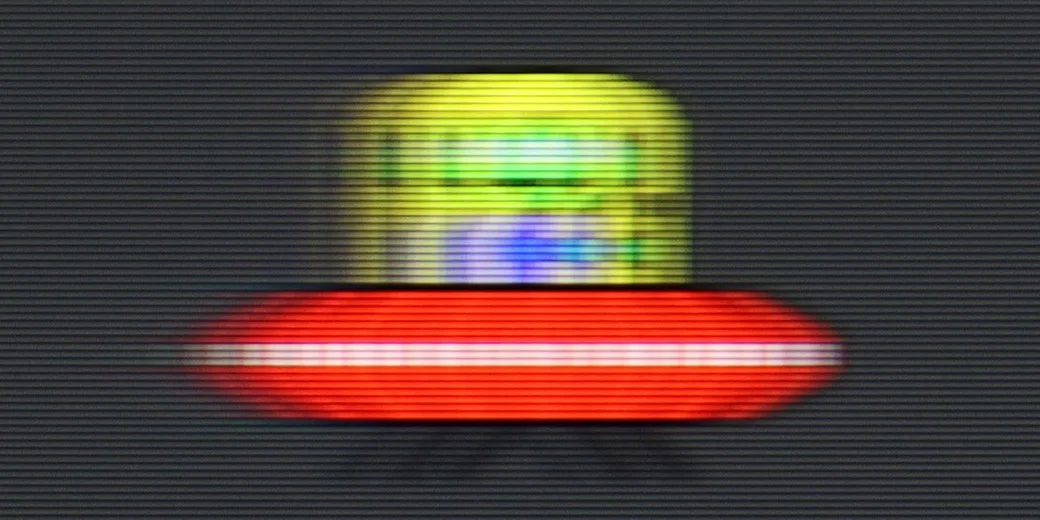
Sony also offers a BFI feature hidden under the "Purity" setting. Theoretically it's meant to improve motion clarity by inserting black frames, but combined with a 60 Hz panel the effect isn't very good. The contours of moving objects become noticeably doubled, and the improvement in sharpness is minimal. Therefore, in our view, it's not a feature worth accepting the side effects for.
SONY BRAVIA 2 II - Console compatibility and gaming features
3.3/10
- ALLM:
Yes
 VRR:
No
VRR:
No - VRR range:
No
- Dolby Vision Game Mode:
No
- Correct implementation of HGIG:
No
- 1080p@120Hz:
No
- 1440p@120Hz:
No
- 4K@120Hz:
No
- Game bar:
Yes
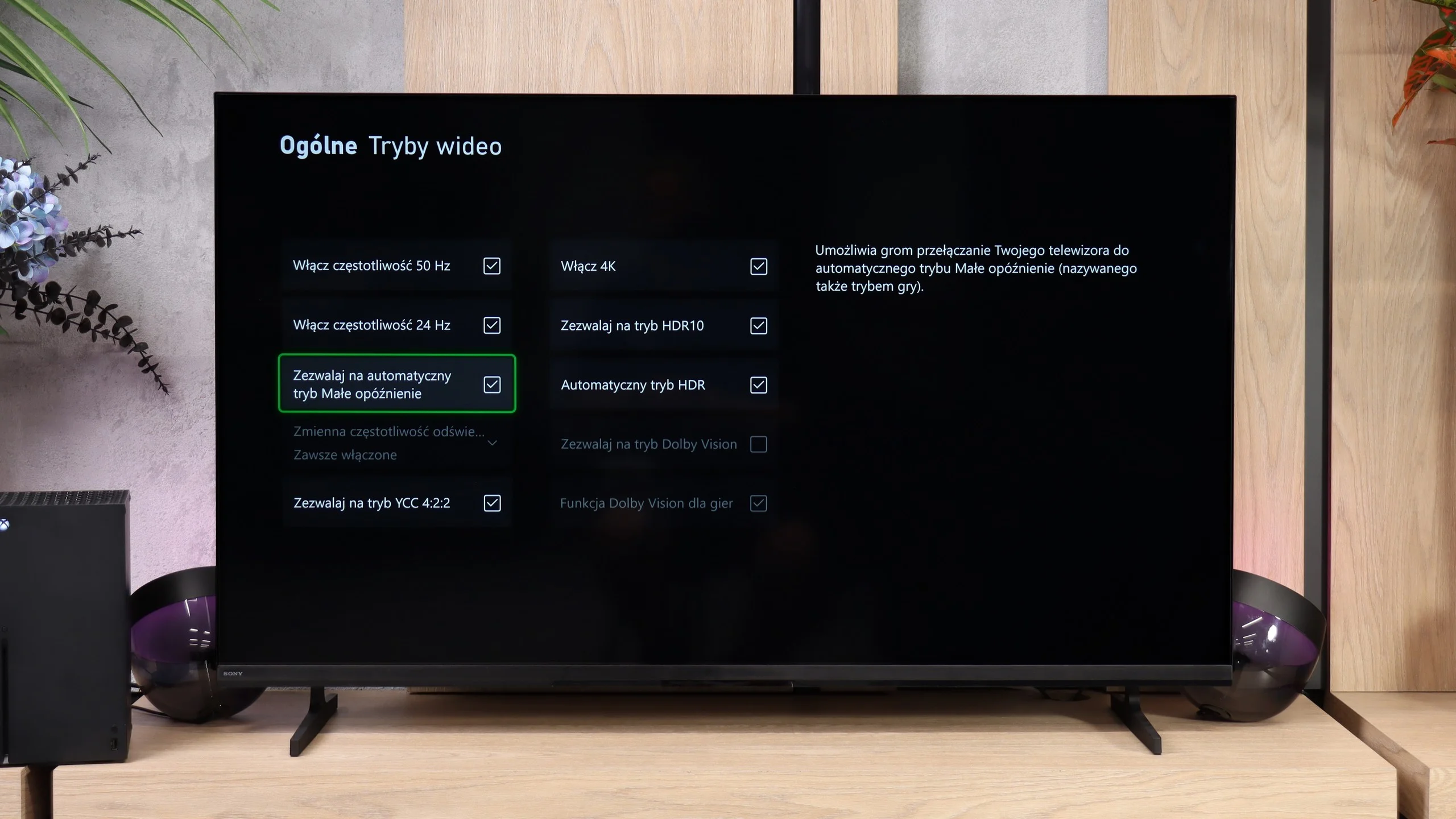
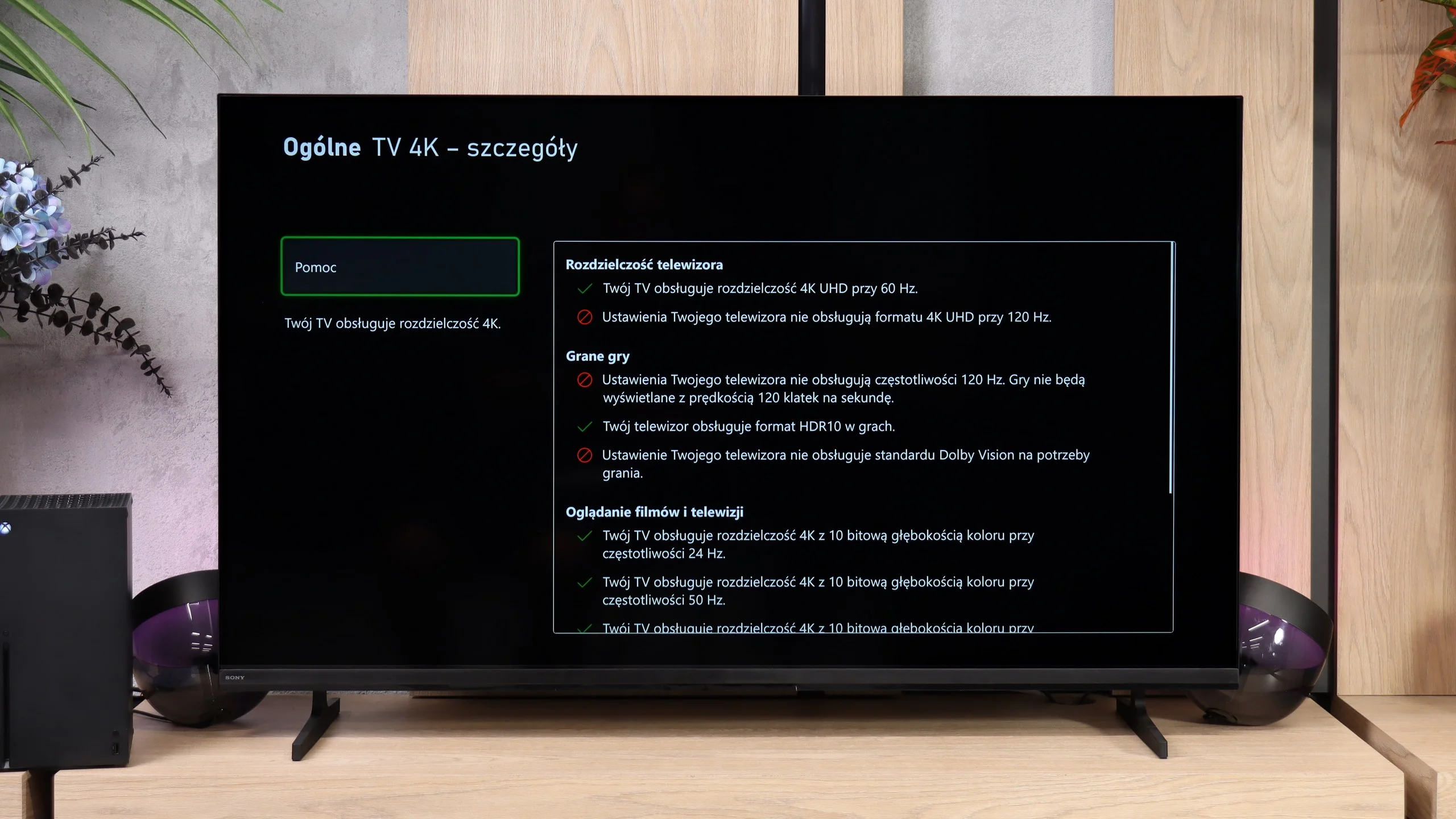
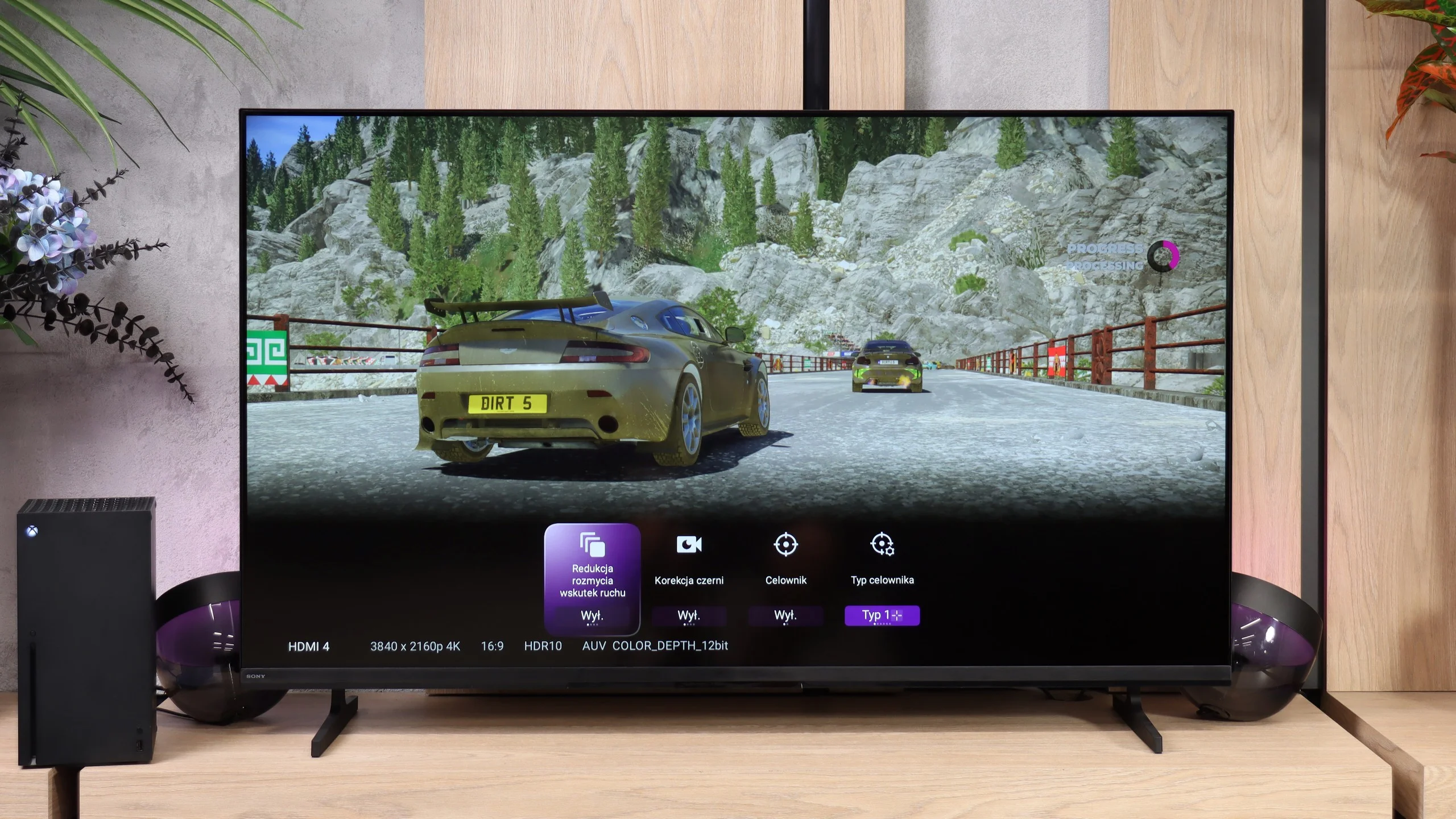
The Bravia 2 II is not a TV particularly well suited for gaming, and the feature list makes that clear pretty quickly. You basically only get automatic low-latency mode (ALLM) and a simple Game Bar where you can view basic signal information and change a few settings. But that's where the list of advantages ends. The TV doesn't support VRR or 120 Hz (not even at lower resolutions), and on top of that it has problems with a proper implementation of the HDR HGIG format. It can, of course, be used for occasional console gaming, and thanks to low input lag controls stay responsive, but if you're mainly looking for a TV for gaming, the Bravia 2 II will simply be a very limited choice.

SONY BRAVIA 2 II - Input lag
10/10
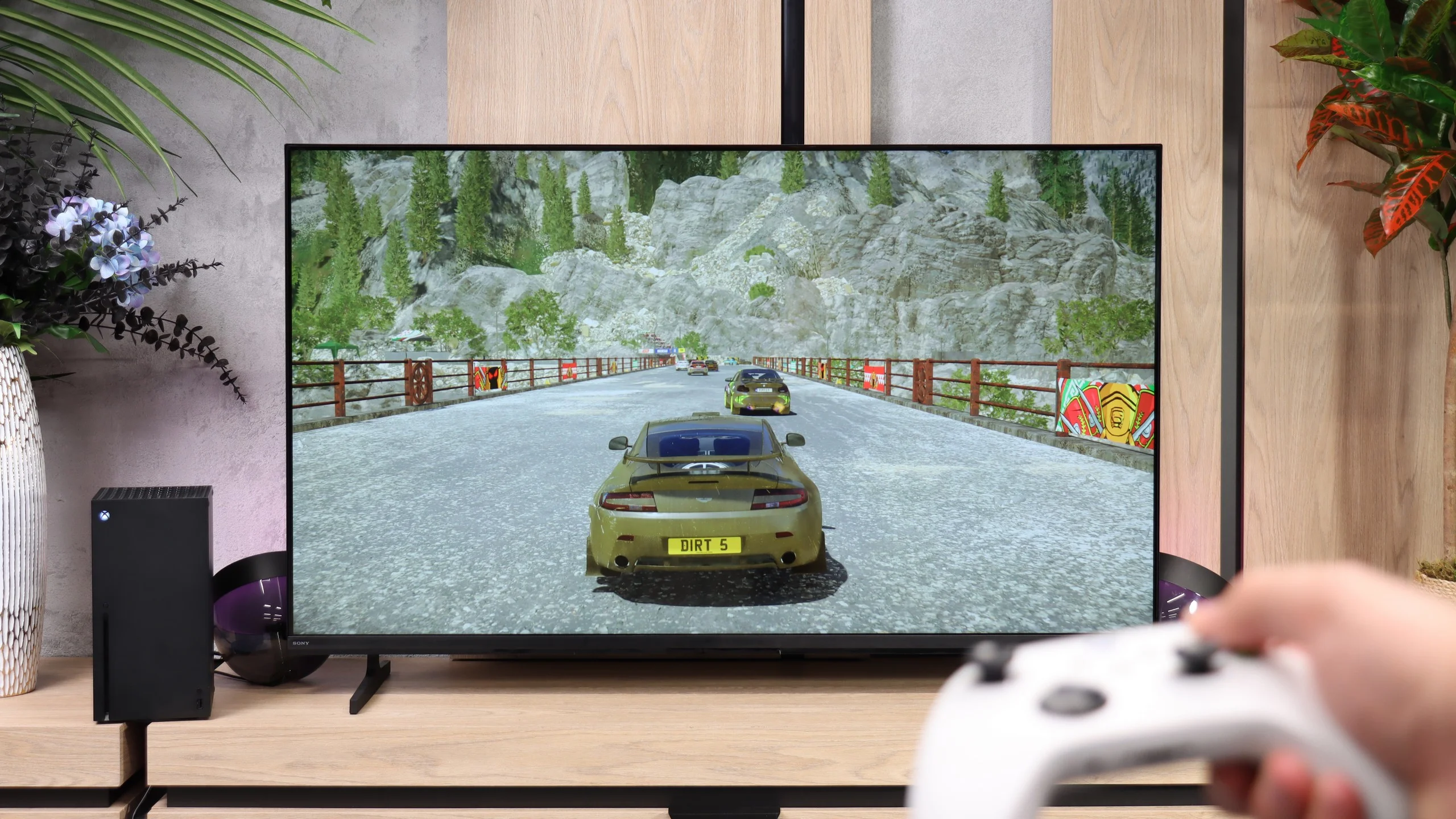
Here the Bravia 2 II performs significantly better. Its input lag is only about 11 ms, low enough that you can hardly notice any delay while gaming. Even with a modest set of gaming features, the TV will handle regular console gaming without any major problems.
| SDR | HDR | Dolby Vision |
|---|---|---|
| 1080p60: 12 ms | 2160p60: 11 ms | |
| 2160p60: 12 ms |

SONY BRAVIA 2 II - Compatibility with PC
6/10
Chroma 444 (max. resolution and refresh rate): Yes
Font clarity: Very Good
Readability of dark text and shapes: Very Good
Input lag in PC mode (4K, max. refresh rate): 11ms
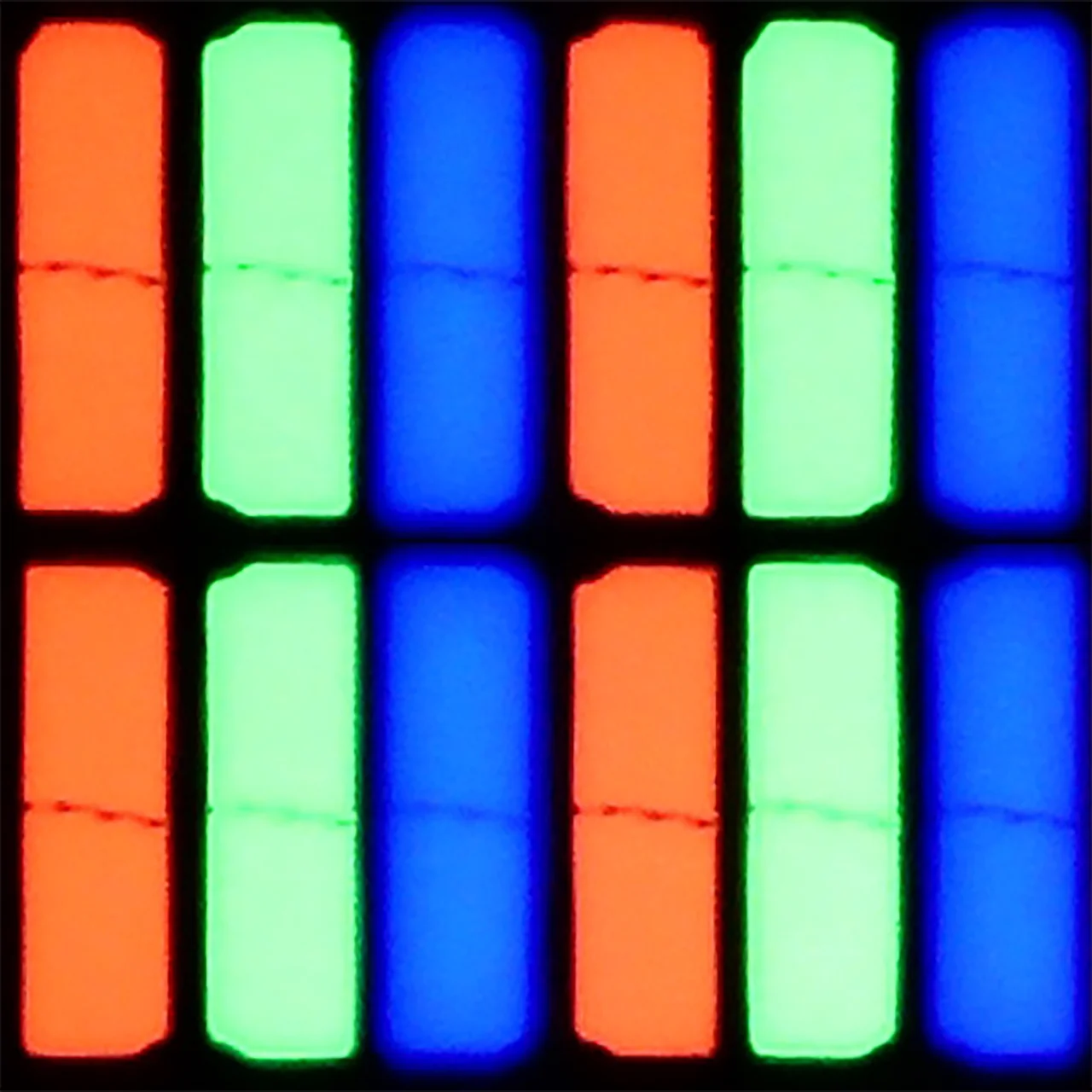
Matrix subpixel arrangement: RGB
Max refresh rate: 60Hz
G-Sync: No
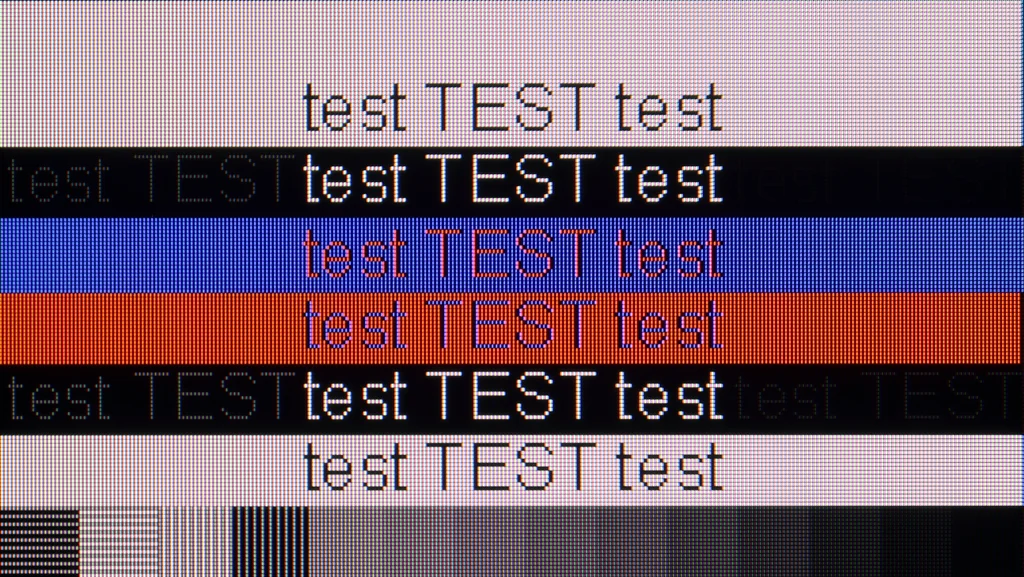
Bravia 2 II handles a computer very well, at least if you think of it as a work display. Thanks to the IPS panel and accurate 4:4:4 chroma reproduction, fonts are sharp and readable regardless of their size, shape, or color. That's especially good news for people considering the smaller model and placing it on their desk instead of using a traditional monitor. It's much worse, however, when it comes to gaming. The TV doesn't offer 120 Hz, VRR, or other features that might interest more demanding PC gamers. So it's excellent for office work or watching content from a computer, but as a gaming display it has quite a few limitations.
SONY BRAVIA 2 II - Viewing angles
6.5/10
Brightness drop at an angle of 45 degrees: 62%
Viewing angles are one of the stronger points of the Bravia 2 II. Thanks to the IPS panel, the picture maintains accurate colors and brightness for quite a while even when you’re not sitting directly in front of the TV. In this area Sony therefore recovers some of the points it lost earlier when it comes to black levels and contrast. As a result, the Bravia 2 II can be better suited to a larger living room or a room where some viewers watch from the side, especially if it’s mainly used for everyday TV.
SONY BRAVIA 2 II - Daytime performance
4.8/10
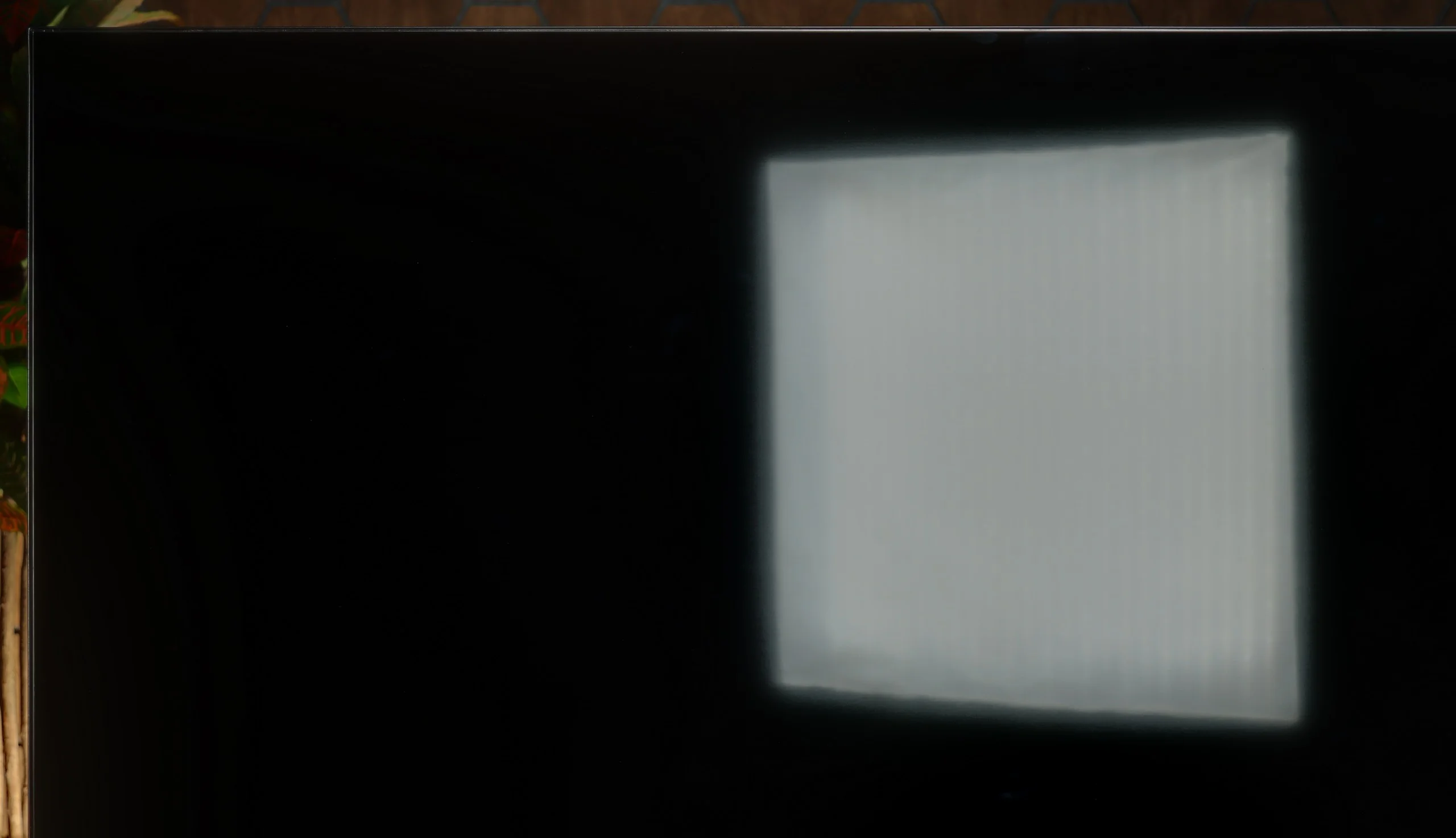
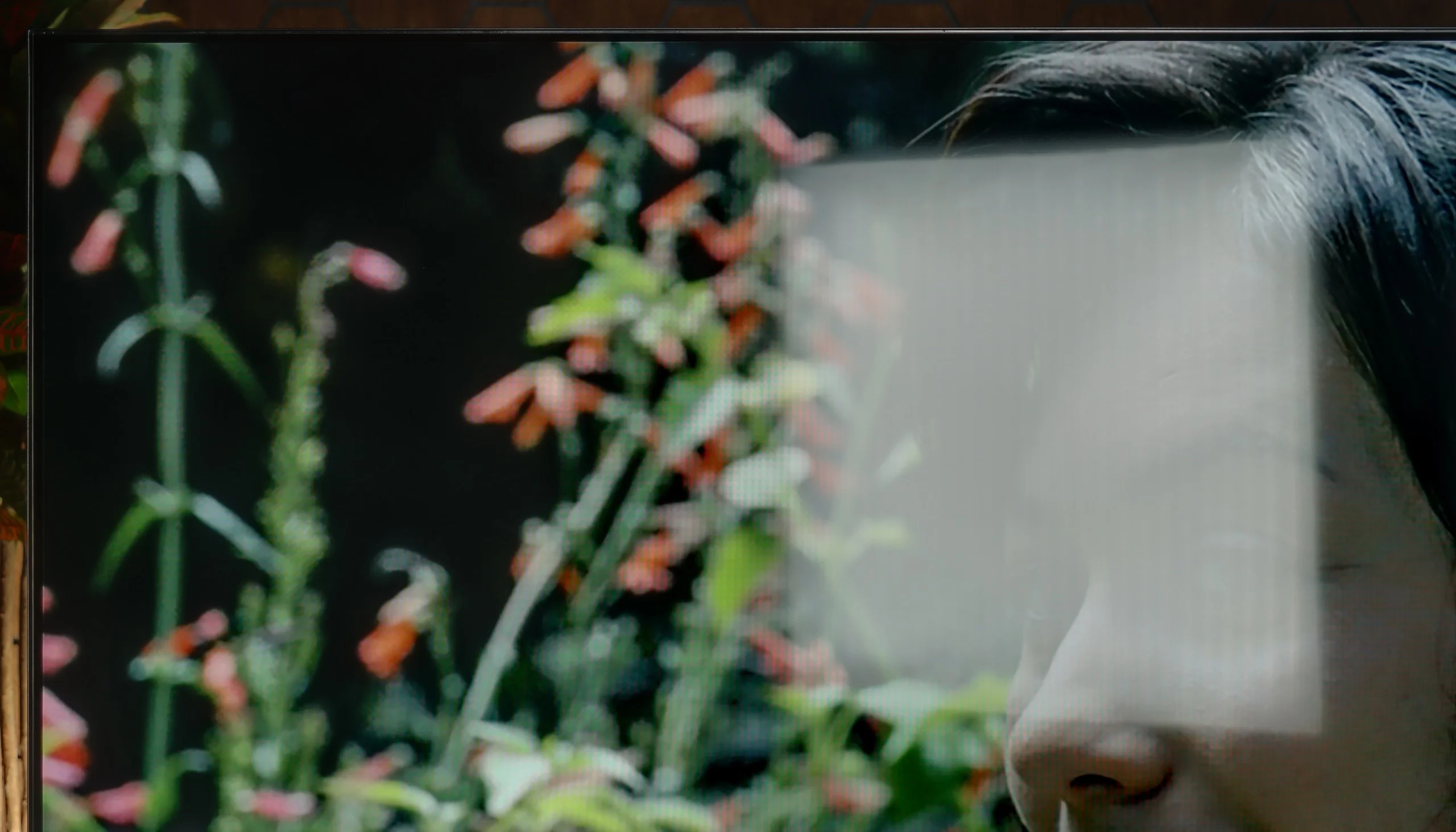
Panel finish: Satin
Reflection suppression: Decent
Black levels during daytime: Good
During the day the Bravia 2 II is rather average. Brightness of around 320 nits doesn't leave much headroom, but in a typical, moderately bright living room it's still enough to keep the picture clear. The matte screen coating does a fairly good job of reducing reflections, though it can't hide them completely. With strong light falling directly on the screen there's simply not enough brightness to effectively cut through the glare. So it'll be fine for ordinary daytime viewing, but in a very bright room with lots of windows you may already notice the limitations of this model.
Panel brightness
Sony BRAVIA 2 II (S25M2): 319 cd/m2
SONY BRAVIA 2 II - TV features
6.6/10
System: Google TV
System performance: Decent
- HDMI inputs: 4 x HDMI 2.0, 0 x HDMI 2.1
- Outputs: Toslink (Optical audio), eARC (HDMI), ARC (HDMI)
- Network Interfaces: Wi-Fi 2.4GHz, Wi-Fi 5GHz, Ethernet (LAN) 100Mbps
- TV reception: DVB-T, DVB-T2, DVB-S, DVB-S2, DVB-C
Classic features:
- Recording to USB (terrestrial TV): No
- Recording programming: No
- Picture in Picture (PiP): No
- RF remote control (no need to aim): RF
- Backlit remote control: No
- Teletext: Yes
- Audio only mode: Yes
- Bluetooth headphones support: Yes
- Simultaneous Bluetooth headphones & TV audio: No
Smart features:
- AirPlay: Yes
- Screen mirroring (Windows Miracast): No
- Voice search: Yes
- Voice search in native language: Yes
- Ability to connect a keyboard and mouse: Yes
Google TV
The Bravia 2 II runs Google TV, and that's definitely one of the model's stronger points. You get a huge selection of apps, so access to popular streaming services is no problem. It also has Chromecast and AirPlay, letting you easily cast content from your phone or other devices. Voice search with Google Assistant/Gemini also works very well, including in Polish. The system itself isn't among the fastest versions of Google TV we've used, and sometimes you have to wait a moment for it to respond, but overall it performs decently. In terms of capabilities, there's little to complain about, especially for one of Sony's most affordable TVs.
TV features
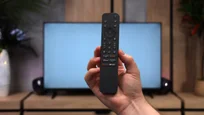
When it comes to classic TV features, the Bravia 2 II is rather modest. You won't find, for example, the ability to record programs to USB or other more advanced extras, so in that respect it's pretty basic. On the plus side, it comes with two remotes. One is modern and simpler, aimed mainly at controlling the Smart TV, while the other is a traditional remote with more buttons, which may be more convenient for people who frequently watch regular TV. The smaller one works via radio, so you don't have to point it directly at the screen, which is simply convenient in everyday use.
Sound connection options
HDMI audio:
Other audio outputs:
- Toslink: Yes
Wireless audio:
- Bluetooth: Yes
Supported audio formats (external HDMI eARC audio):
- Dolby Digital Plus 7.1: Yes
- Dolby True HD 7.1: Yes
- Dolby Atmos in Dolby Digital Plus (JOC): Yes
- Dolby Atmos in Dolby True HD: Yes
- DTS:X in DTS-HD MA: Yes
- DTS-HD Master Audio: Yes
Senior accessibility
- Numeric keyboard on TV: Yes
- Font size adjustment: No
- Audio description: Yes
SONY BRAVIA 2 II - Apps
9.6/10






















SONY BRAVIA 2 II - Playing files from USB
9.4/10
| Maximum photo resolution: | Supported photo formats: |
|---|---|
| 4 Mpix | JPEG |
| 6 Mpix | HEIC |
| 8 Mpix | PNG |
| 10 Mpix | GIF |
| 12 Mpix | WebP |
| 16 Mpix | TIFF |
| 20 Mpix | BMP |
| 24 Mpix | SVG |
| 28 Mpix | |
| 32 Mpix |
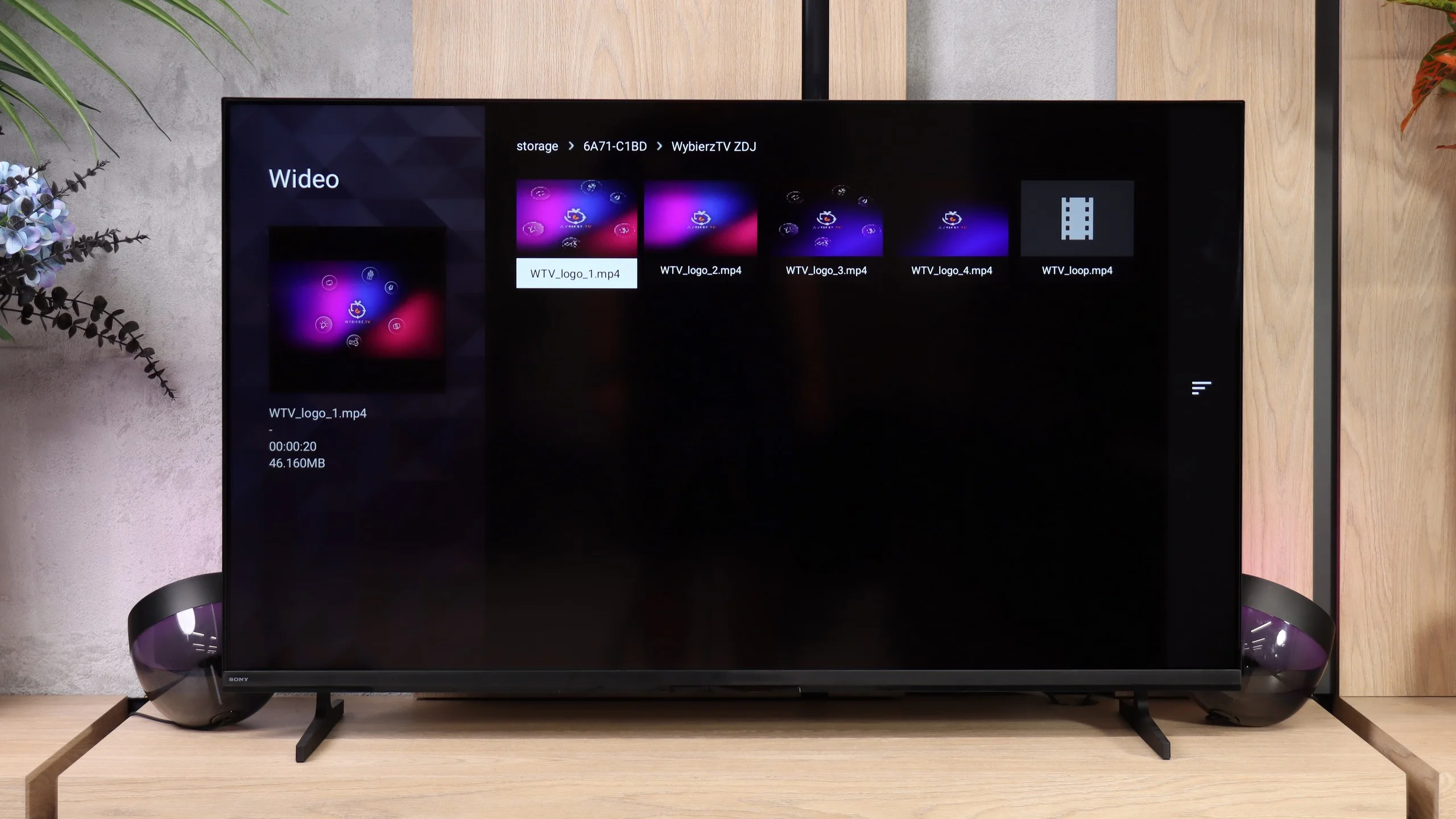
The built-in media player performs very well. The Bravia 2 II plays almost anything we throw at it, from common video files and subtitles to photos and music. Importantly, it also handles more demanding 4K material encoded in HEVC or AV1 without problems. Of course, there are a few isolated formats the TV doesn’t support, such as VVC and some less common audio and image files. These are things few people are likely to try to play directly on the TV.
SONY BRAVIA 2 II - Sound
6.1/10
92dB
Maximum volume

Supported codecs (TV speakers)
Dolby Digital Plus 7.1
Dolby True HD 7.1
Dolby Atmos in Dolby Digital Plus (JOC)
Dolby Atmos in Dolby True HD
DTS:X in DTS-HD MA
DTS-HD Master Audio
The sound in the Bravia 2 II is simply adequate for a basic TV. It's more than enough for watching regular TV, like the news, but as usual with this kind of design it primarily lacks bass. You notice it fairly quickly with music, and even more so in action movies, where explosions or other heavier effects don't have much weight. That said, Sony deserves praise for its support of audio formats. When you connect a soundbar or a home theater system, the TV will pass the main formats through over eARC without problems, including Dolby Atmos, Dolby TrueHD, DTS-HD Master Audio and DTS:X. It's especially nice to see DTS present, which you can't always take for granted in competing TVs (even the most expensive ones).
Sound Quality Test:
Acoustic Measurements
92dBC (Max)
75dBC
SONY BRAVIA 2 II - Panel details
Software version during testing: 6120800301
Image processor: mt5896 2,5gb RAM
Subpixel Structure:
Panel uniformity and thermal imaging:

Backlight Type: White LED

Founder and originator of the "ChooseTV" portal

Journalist, reviewer, and columnist for the "ChooseTV" portal

michal-woloszyn-title
Reader comments
Comments are provided by the external service Disqus (Zeta Global). Once loaded, Disqus may set cookies and process data about your activity.
We will remember your choice on this device. Provider's privacy policy
See articles related to Sony BRAVIA 2 II (S25M2):
Our YouTube channel
Picture comparison: Sony Bravia 9 II vs TCL X11L vs Hisense ... 7/15/2026