 Redakcja Choose TV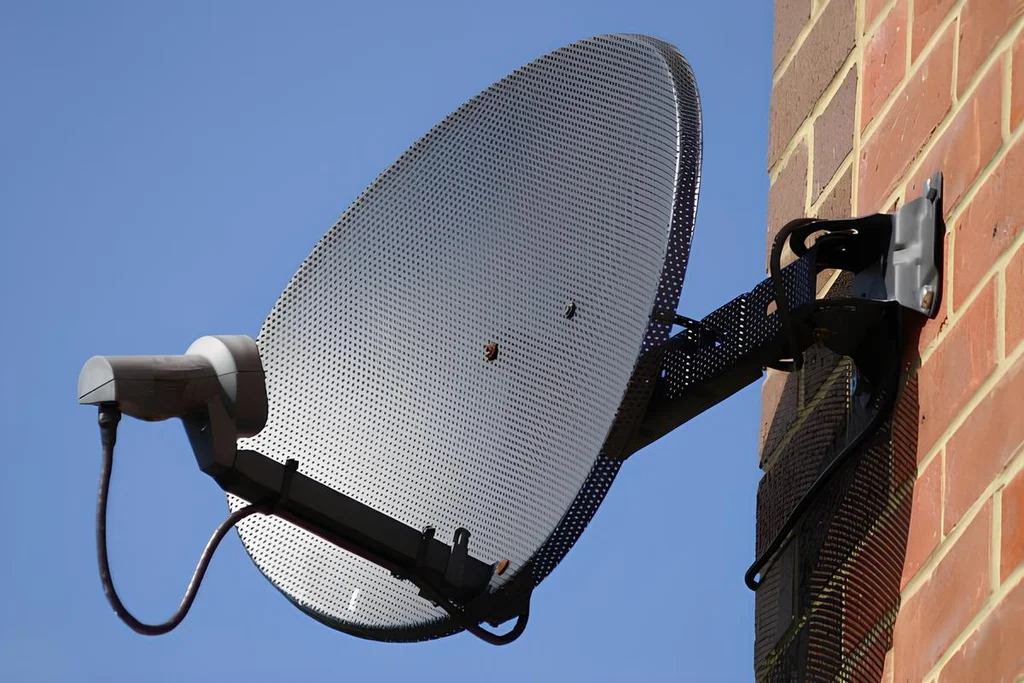
It seems that Sky is increasingly preparing to say goodbye to satellite television. Although this process is occurring quietly and without official statements, the company's recent decisions clearly show the direction of the changes.
Sky Begins to Withdraw Sky Q for New Customers
Satellite television has just taken another step towards extinction. Sky has stopped selling the Sky Q service to new customers online. This means that it is no longer possible to order the classic satellite offer through the website or app. Current customers can still manage their accounts through My Sky or the Sky website, but new customers are automatically directed elsewhere.
Sky Q is a traditional satellite television offer that requires the installation of a satellite dish on the building and a regular subscription fee. The service is not disappearing completely yet. As noted by What HiFi, new customers can still order it in physical Sky stores or… by calling the hotline. However, this is an increasingly less promoted and more niche path.
Sky Stream instead of an antenna and installer
Anyone trying to sign up for Sky online today is directed straight to Sky Stream, which is an offer entirely based on streaming over the internet. The basic package costs £15 per month with a 24-month contract and includes selected Sky channels as well as access to Netflix. Optional add-ons such as Sky Kids, Sky Movies, Disney+, Sky Sports, or TNT Sports can be purchased.
The whole thing works on a small device called a puck, which connects directly to the TV. The installation is quick and incredibly simple. There’s no antenna, no drilling, no technician visit with a ladder. All you need is internet, a remote control, and you're good to go.
Satellite is losing to convenience
Considering the simplicity of Sky Stream, it's not surprising that Sky is gradually phasing out Sky Q. The company is not currently putting much pressure on existing satellite customers, but it's easy to predict the moment when it will stop installing antennas altogether. At that point, a natural step will be migrating users to the streaming offer. From Sky's perspective, this makes sense. Streaming is cheaper to maintain, easier to manage, and does not require servicing infrastructure on rooftops. Antennas break down, require adjustments, and generate costs. The internet does not.
Sky Glass as an alternative, but without the "wow" effect
An alternative to Sky Stream is Sky Glass, a television with the Sky service built-in. This year, the second generation of Sky Glass was presented, but the reactions were rather lukewarm. It is still a fairly average LCD television with HDR, lacking Mini LED and OLED. It's hard to talk about premium here. A plus is the possibility of purchasing in installments, which may be attractive to some customers. An even cheaper option is Sky Glass Air, a simplified version costing from 6 pounds a month, devoid of some features and extras.
The end of the antenna era is only a matter of time
Sky has not officially announced the end of satellite television, but all signs in the sky and on the roof indicate it. Sky Q is slowly disappearing from the offer, and the future of the company clearly belongs to streaming. Satellite antennas will be with us for a little while longer, but it seems that their days are numbered.