 Katarzyna Petru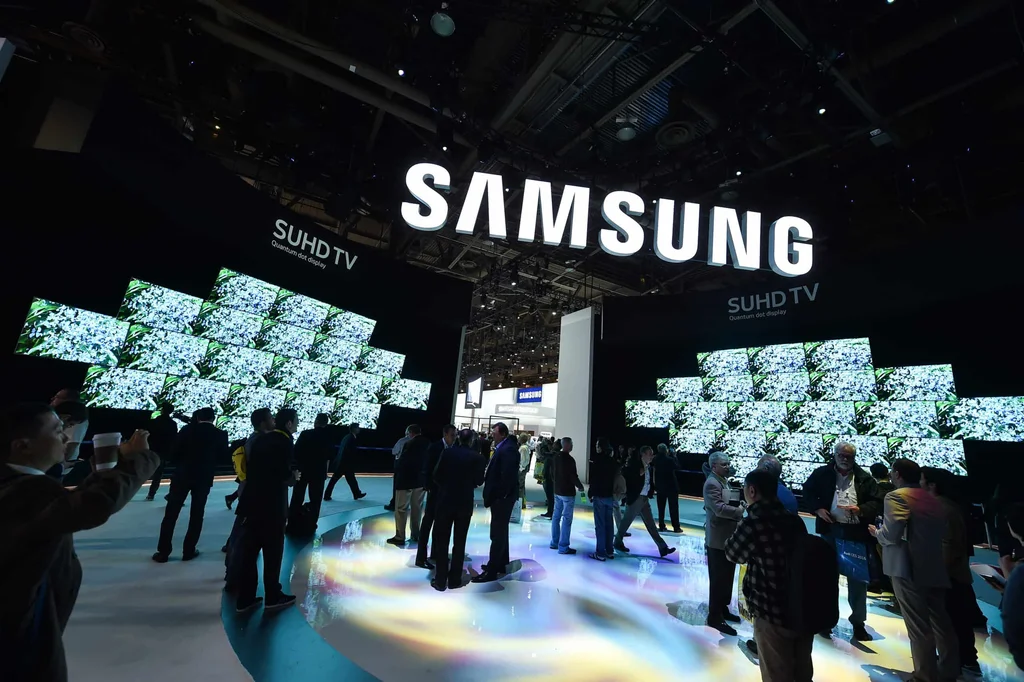
Samsung is preparing consumers for potential price increases on electronics, including televisions. The reason is the escalating crisis in the DRAM and NAND memory market, which has hit the entire consumer technology industry in recent months.
According to information provided by Samsung management during CES 2026 in Las Vegas, the prices of DRAM and NAND have doubled, and in some cases even tripled in the last 3–5 months. The main culprit is the explosion in demand for AI-related hardware and infrastructure, which has diverted production capacity away from consumer electronics.
In short: algorithms, data centers, and "AI slop" on social media are beginning to have a real impact on equipment prices in showrooms.
A Crisis That Will Affect Everyone
Samsung has no doubts – the situation is unprecedented and no one will be immune to its effects.
– “This is a situation we have never encountered before. No company is immune to its consequences” – said TM Roh, co-CEO of Samsung, to Reuters. – “The problem concerns not only smartphones but all consumer electronics, from televisions to home appliances”.
Although televisions do not use the high-performance DRAM memory found in AI servers or graphics cards, they are still dependent on the supply of basic memory components. And these are becoming more expensive at an alarming rate.
When will TV prices go up?
So far, there are no sharp price increases in stores. TV manufacturers mainly operate based on long-term contracts for components, which temporarily cushion the rise in costs. However, the problem will arise during their renegotiation and with the premieres of new models.
– “There will be problems with the availability of semiconductors, and they will affect everyone” – admitted Wonjin Lee, head of global marketing at Samsung, in an interview with Bloomberg. – “Prices are already rising. We do not want to pass this burden onto consumers, but we will reach a point where we will have to consider changing prices”.
What do analysts say?
The research firm Omdia warned on December 18, 2025, that the prices of DRAM used in televisions have doubled compared to the first half of 2025. Of course, memory is just one of many components of a television – the most expensive component remains the panel – but with the current margins, every increase in costs matters.
And those margins are brutally low.
The cheapest models are the most threatened
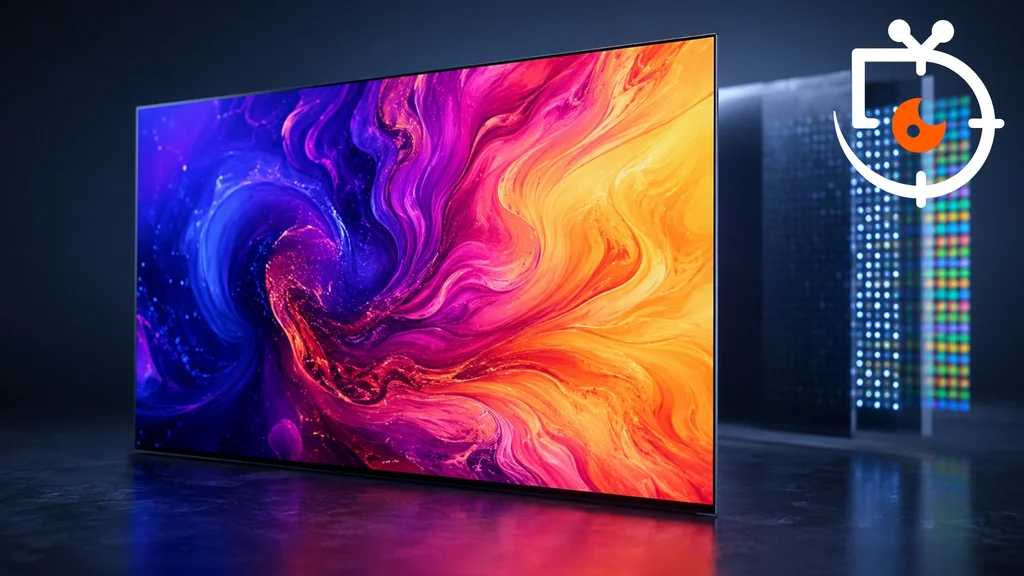
The television market has been operating on extremely thin margins for years, especially in the budget and mid-range segments. It is precisely there that any potential price increases could be most noticeable. Premium models – OLED, QD-OLED, or Mini LED – have more room to absorb costs, at least in the short term. If the memory crisis persists into 2026, and everything indicates that it will, televisions may become the next category of equipment to quietly increase in price. Not abruptly, not overnight, but consistently – model by model, generation by generation.
This time it's not about marketing, but about the hard math of components.