 Redakcja Choose TV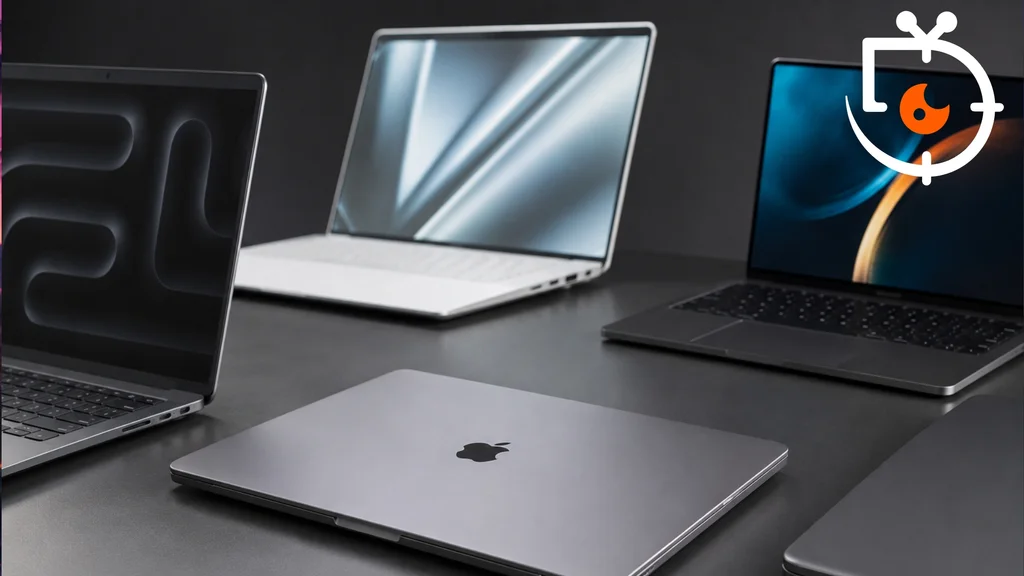
Apple has been setting trends in the premium laptop market for years with its thin designs and energy-efficient Apple Silicon chips. However, more and more Windows computer manufacturers are trying to copy this style, which is starting to lead to serious compromises.
Razer Blade 16 has issues due to its overly thin construction
According to new tests, Razer has gone very far towards an ultra-thin design with the Razer Blade 16 model. The problem is that the laptop still uses extremely powerful components like the RTX 5090, which generate enormous amounts of heat. Testers noted, among other things, that the laptop's rear cover may flex slightly under pressure and rub against the fans. In extreme cases, this can even lead to faster bearing wear and cooling damage. There have also been issues with very high temperatures on the case. One area of the laptop was reported to get so hot that it was difficult to touch during intense load.
Apple Silicon still gives Apple a huge advantage
The situation shows how much of an advantage Apple still has thanks to its own Apple Silicon chips. The MacBook Pro can maintain a thin design partly because Apple processors offer significantly better energy efficiency than top gaming configurations on Windows. Tests also revealed an issue with power consumption by the Blade 16. The laptop was reported to consume up to 30–40 W at idle, likely due to issues related to the RTX 5090. In comparison, MacBooks can last up to 24 hours on battery thanks to their much lower energy consumption.
Higher prices do not always mean better quality
However, the most controversial aspect is the price of the device. The Blade 16 in a strong configuration costs around 4900 dollars, which is more than the top versions of the MacBook Pro with Apple Silicon chips. There are increasing voices that premium laptop manufacturers are too focused on copying the thin appearance of MacBooks instead of designing constructions better suited to very powerful gaming components.
New tests suggest that some premium laptop manufacturers are starting to excessively slim down their devices, leading to problems with temperatures and construction. Apple still maintains an edge with its energy-efficient Apple Silicon chips.
source: wccftech