 Redakcja Choose TV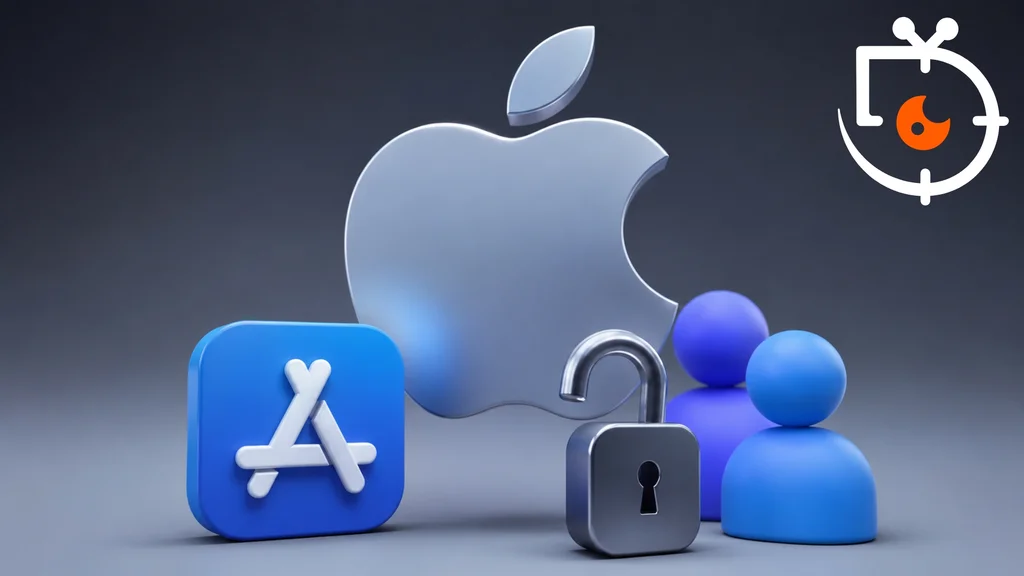
Apple must once again adjust its ecosystem to meet the requirements of local regulators. This time the changes affect Brazil, where the company reached an agreement with the country’s antitrust authority. As a result, developers will have new options for app distribution and payment processing. At the same time, the iPhone maker stresses that the new rules could introduce additional risks to user security. Therefore, the company has put in place a number of safeguards intended to limit potential risk.
Alternative app stores will come to iPhones in Brazil
The biggest change is opening iOS to alternative app stores. Until now iPhone users could download apps only through the App Store, which remained fully controlled by Apple. The new rules, however, mean developers will be able to offer their apps via other distribution platforms as well. That does not mean Apple is giving up oversight entirely. The company plans to introduce a mandatory authorization process for such stores and a special app verification system.
Every app available outside the App Store will have to undergo so‑called notarization. This process is meant to detect potential threats, malware and other security issues. Apple stresses that it will be a less stringent check than the one used in the official store. The company warns that using alternative sources may increase the risk of exposure to inappropriate content, scams or apps that violate users' privacy. Apple pays particular attention to protecting younger users. That is why additional safeguards have been prepared to protect children from dangerous content and unauthorized purchases. Apple notes that despite the new regulations the App Store will remain the safest place to download apps on the iPhone. The company also says that in its view the forced changes may negatively affect the overall security of the iOS ecosystem.
End of the payments monopoly. Developers will get new options
The second major change is new options for digital payments. Until now, app creators had to use Apple's In-App Purchase system when selling digital content and subscriptions. That will change. Developers will be able to integrate their own payment systems or redirect users to external websites to complete purchases. That means more freedom for app companies and potentially lower operating costs. Apple will still offer its own payment system and plans to clearly label transactions completed outside its ecosystem. Users who use Apple's In-App Purchase will retain access to purchase history, refunds and convenient subscription management.
With alternative payment methods, some of those features will no longer be available. The company also warns of potential risks associated with sharing payment data with additional parties. At the same time, Apple introduced a new commission model for developers operating in the Brazilian market. In many cases fees are to be reduced compared with current rates. The maker emphasizes that most app creators will pay the same or less than before. The changes will take effect with the release of iOS 26.5 and represent one of the biggest steps toward opening Apple's ecosystem beyond Europe. Similar rules may appear in other markets in the future.
Apple announced significant changes for users and developers in Brazil. The new rules will allow the use of alternative app stores and external payment systems, which will end the App Store's previous monopoly in the region. At the same time, the company is rolling out additional safeguards meant to reduce the risks associated with the new rules.
source: Apple