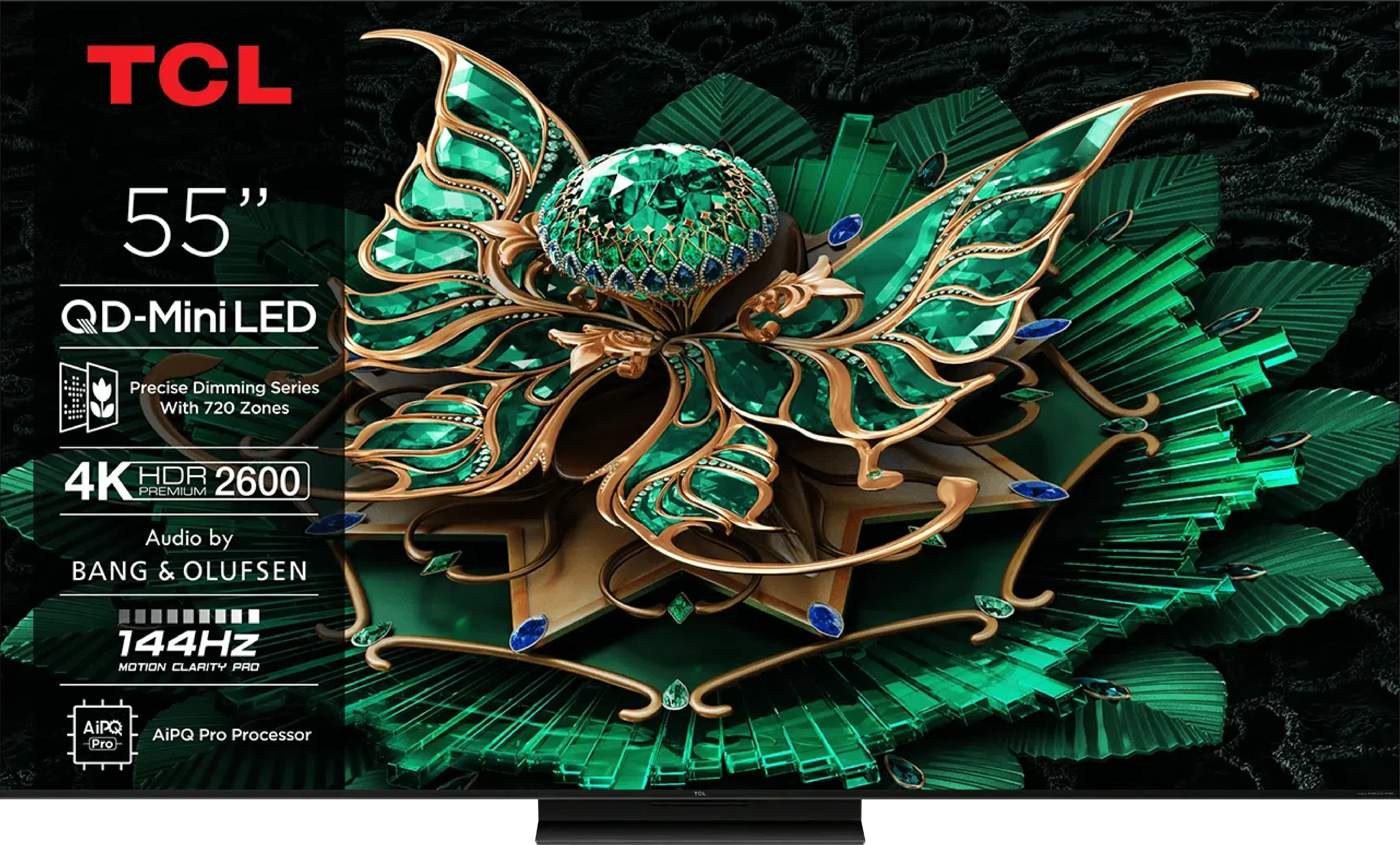
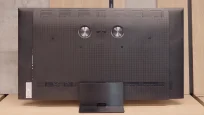
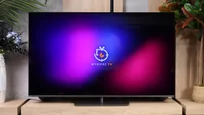
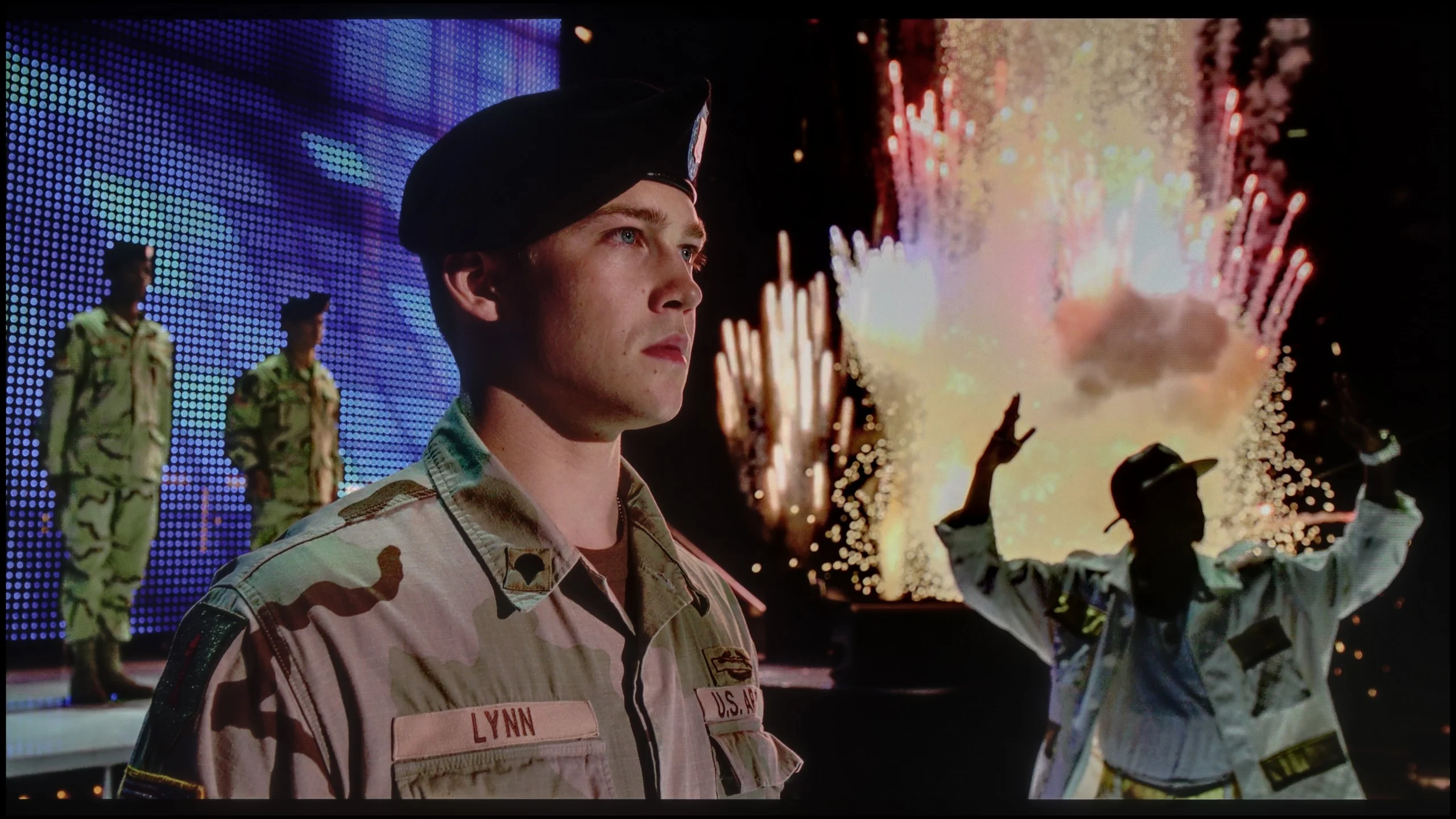
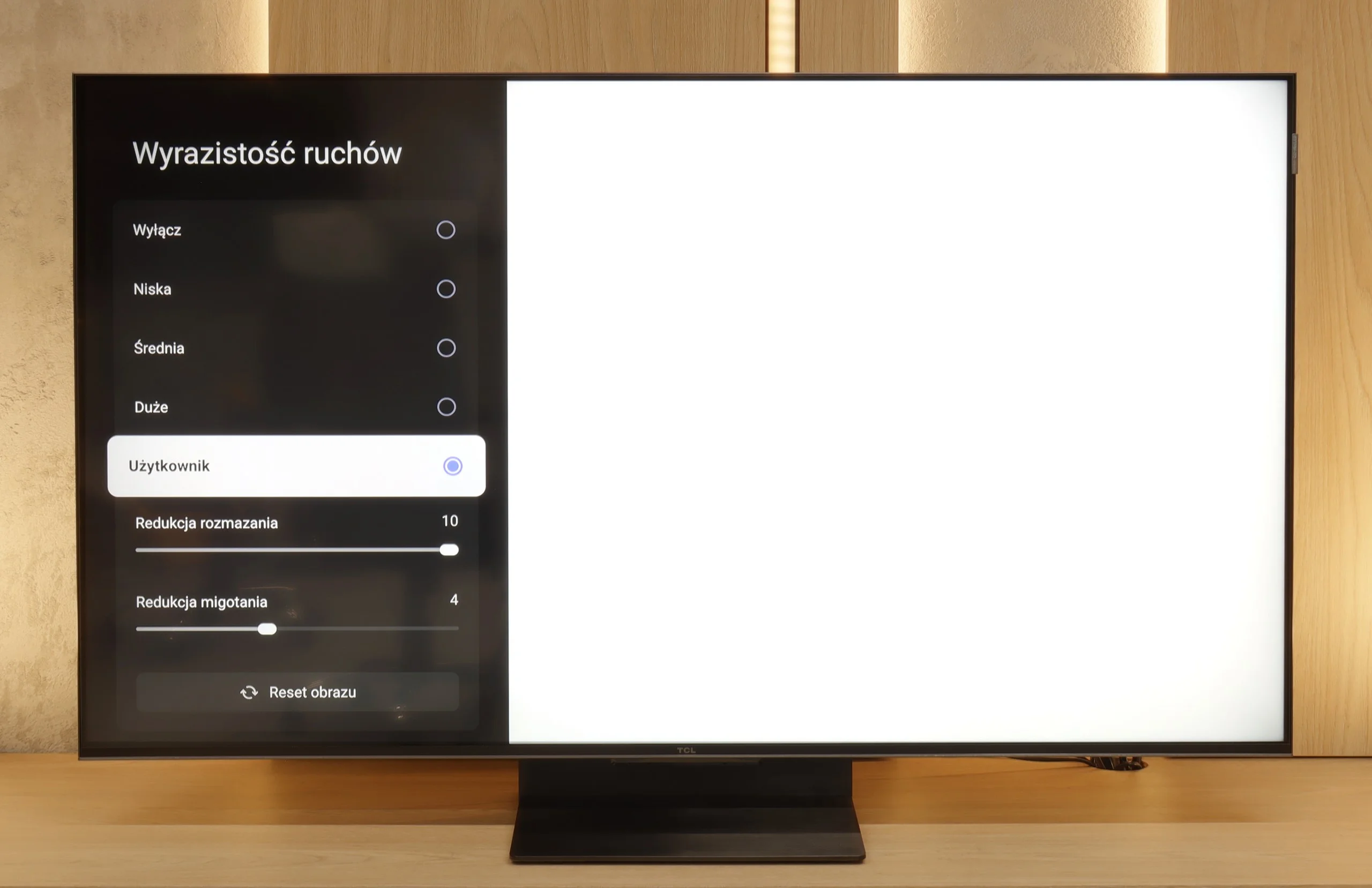
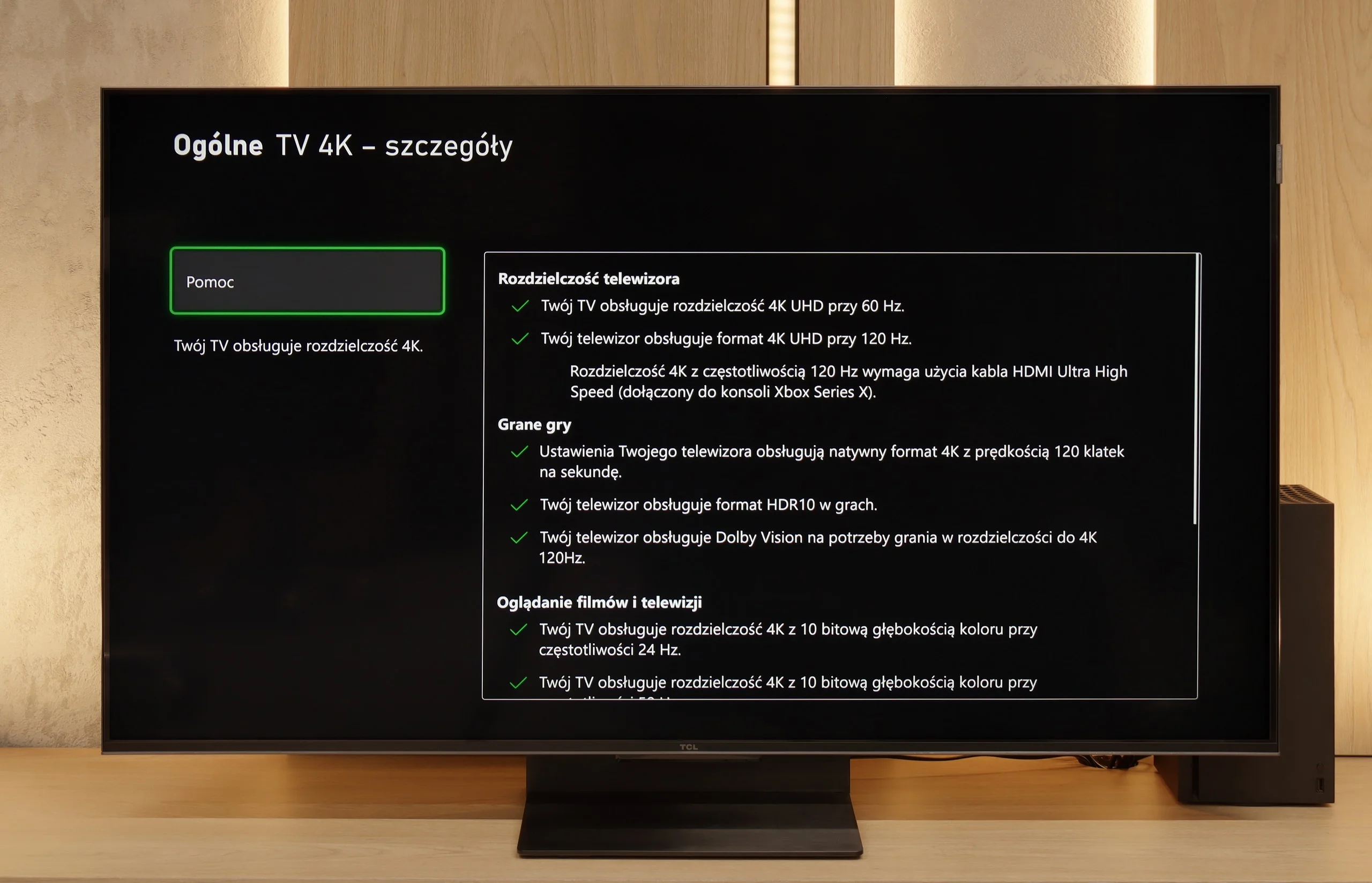
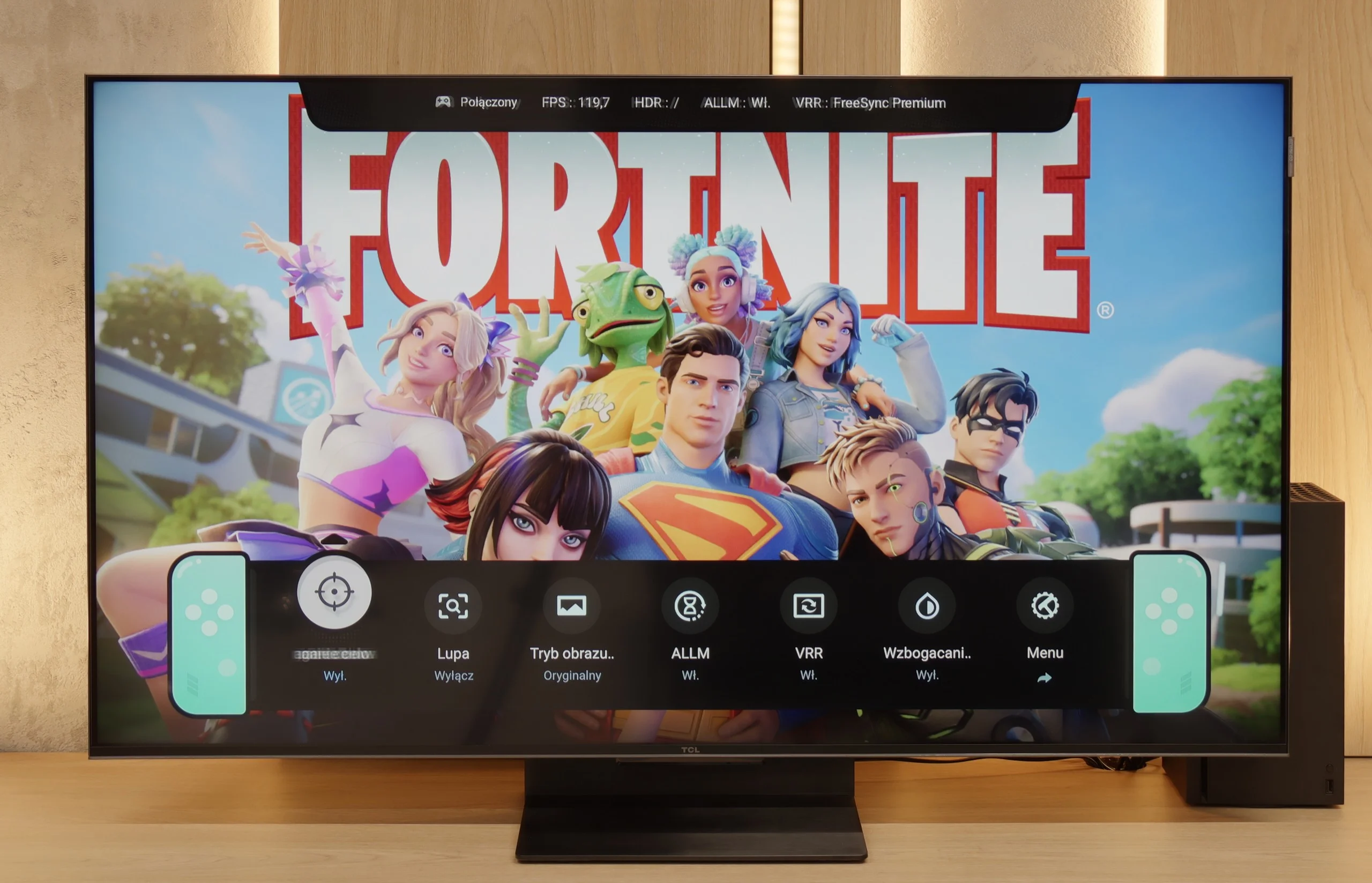
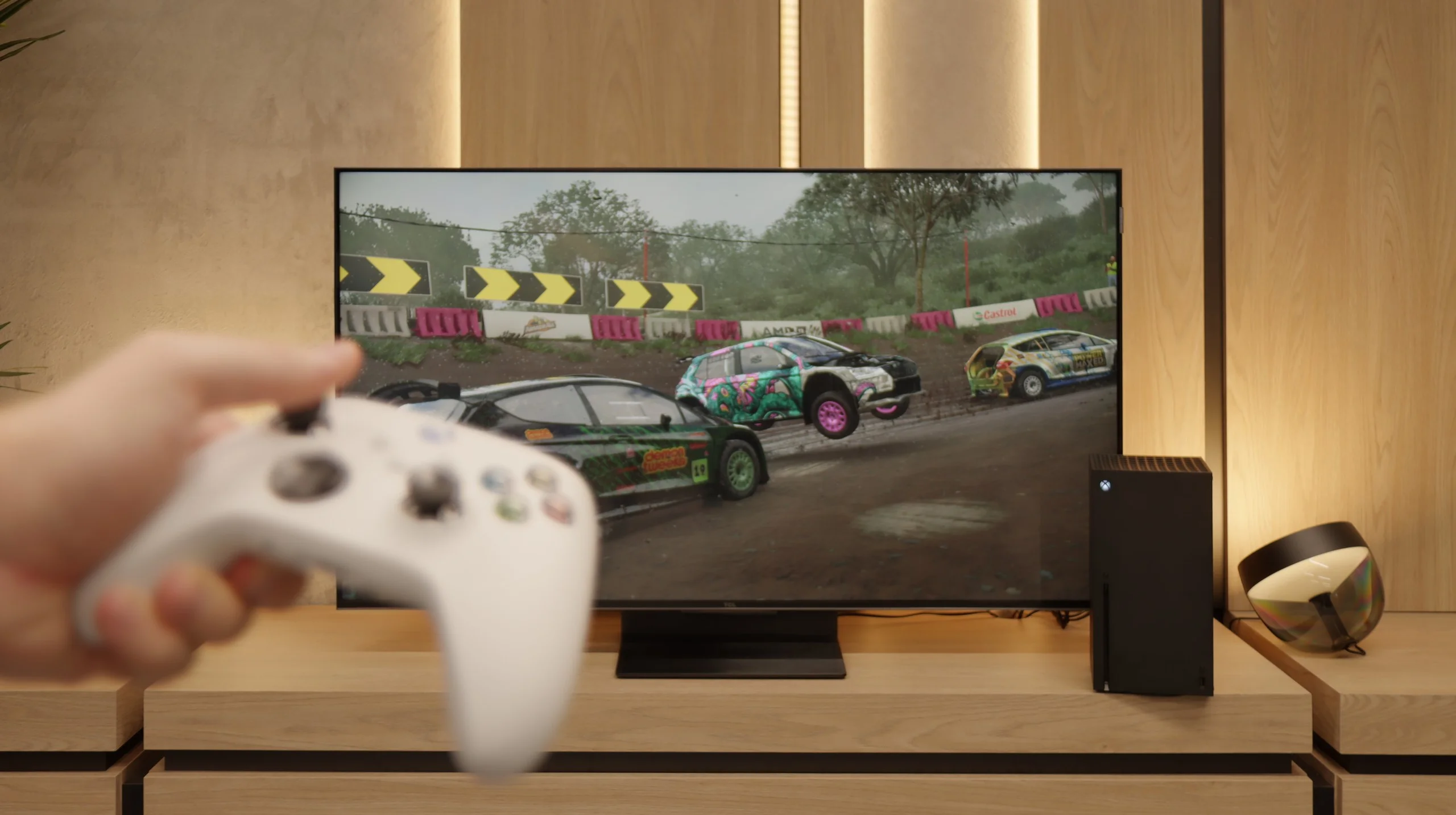
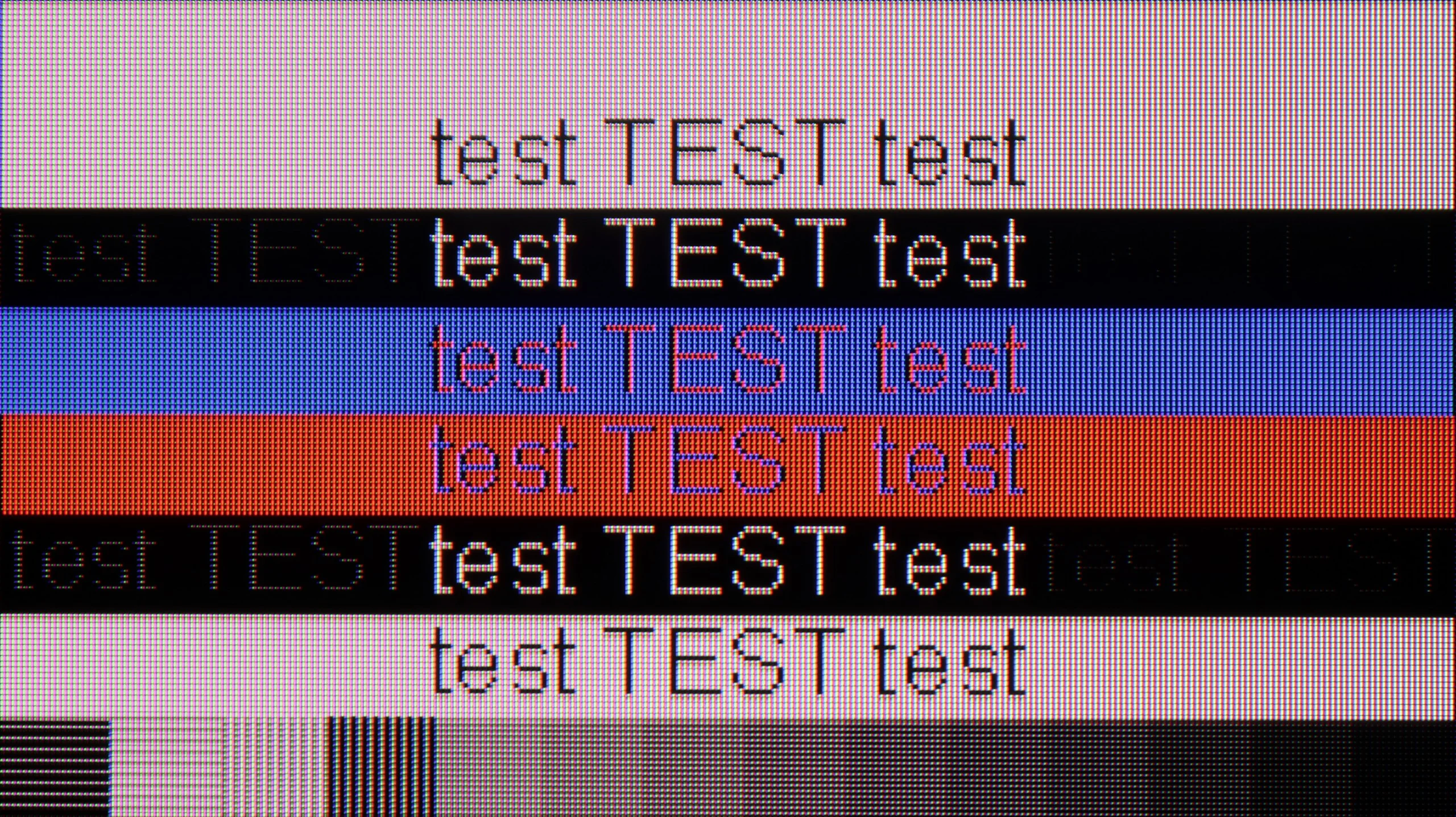
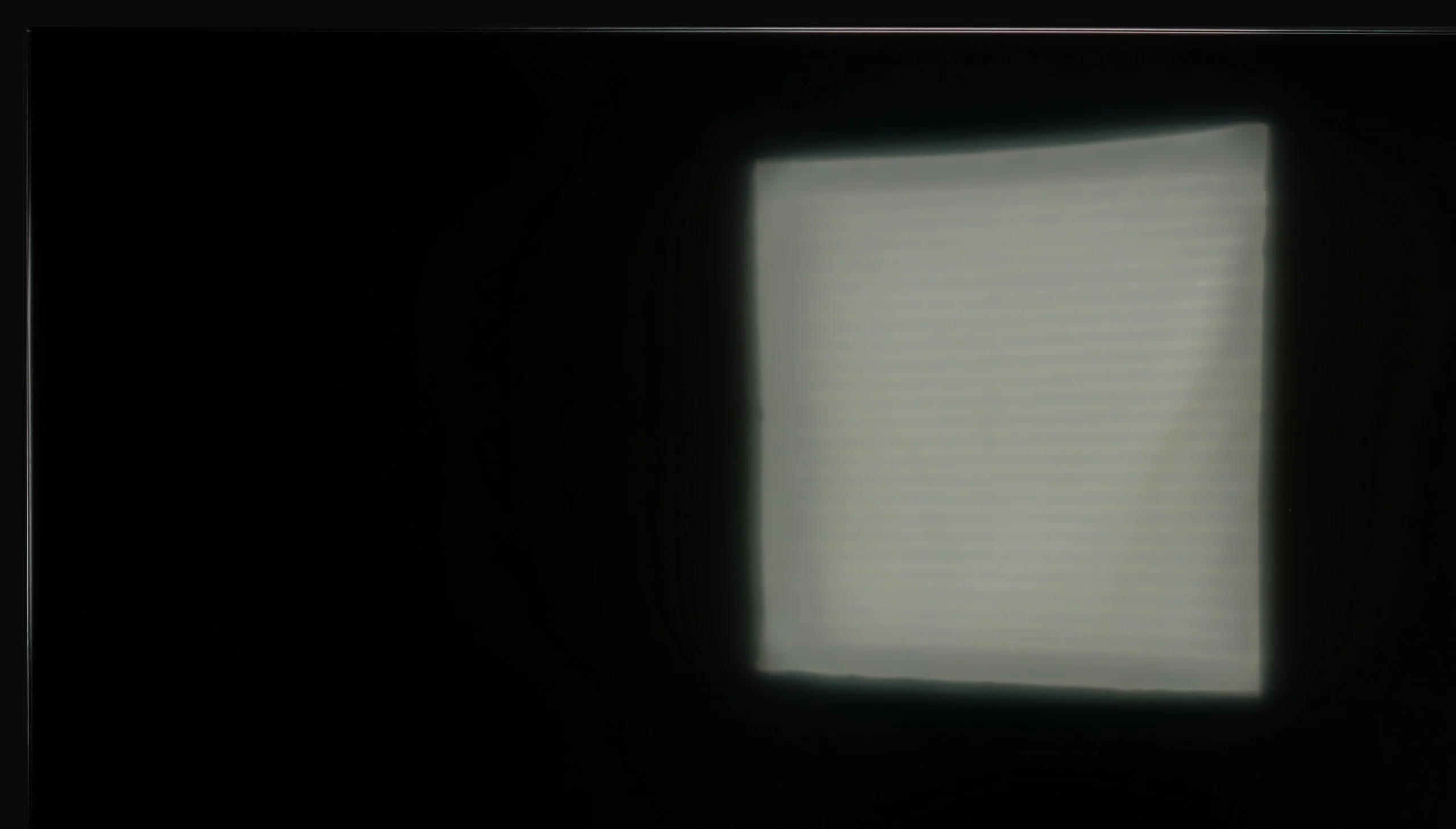
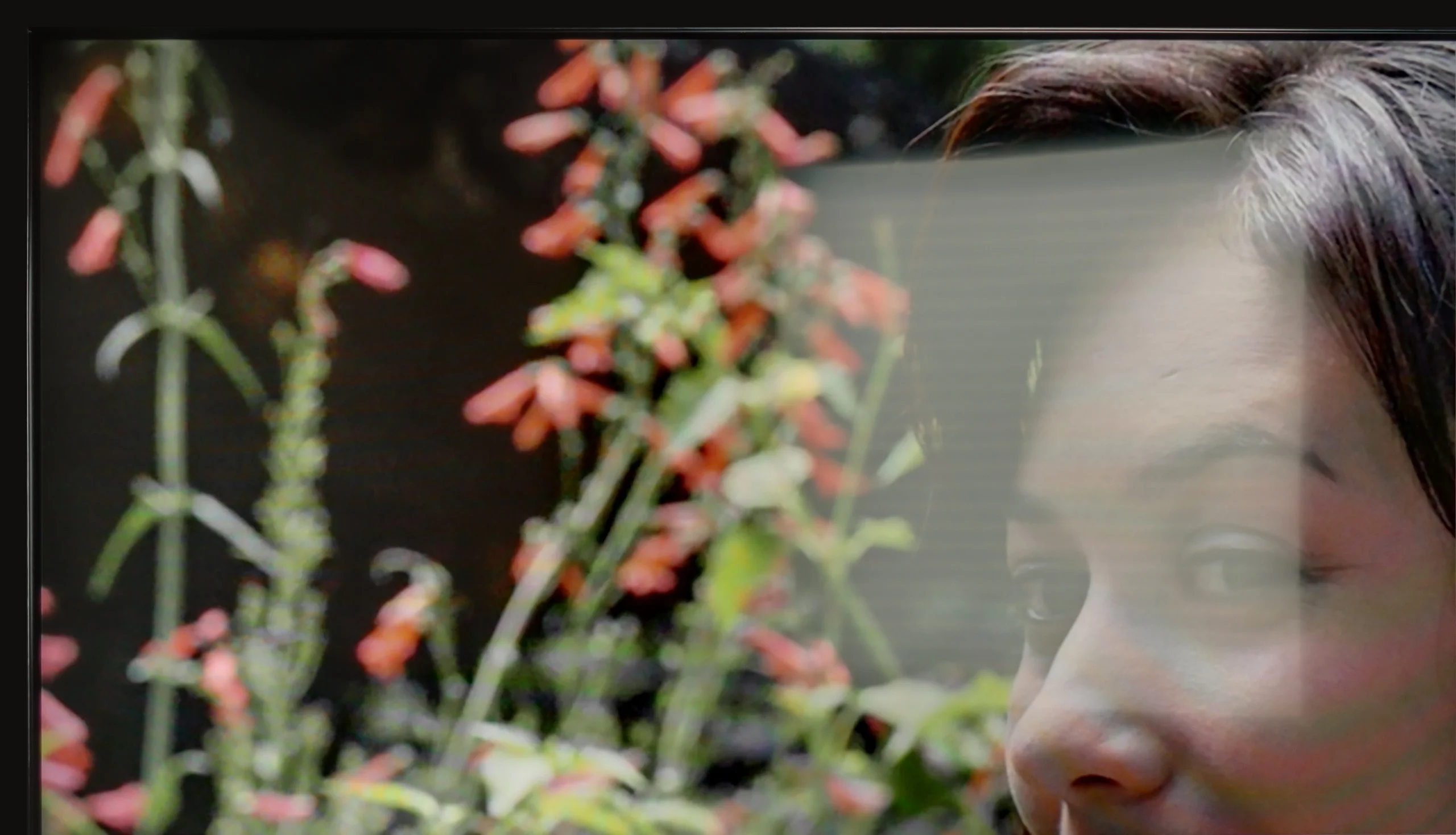
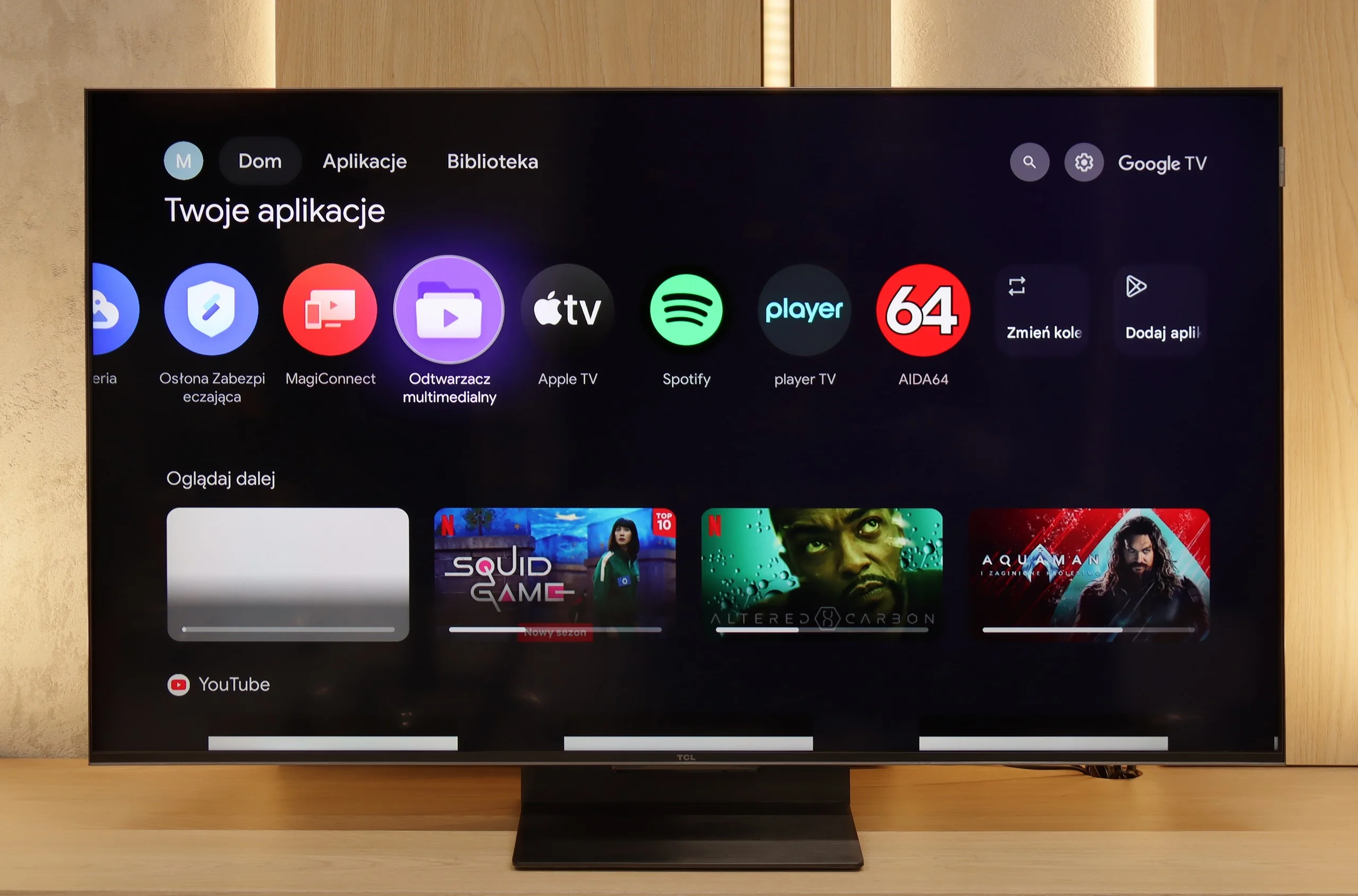
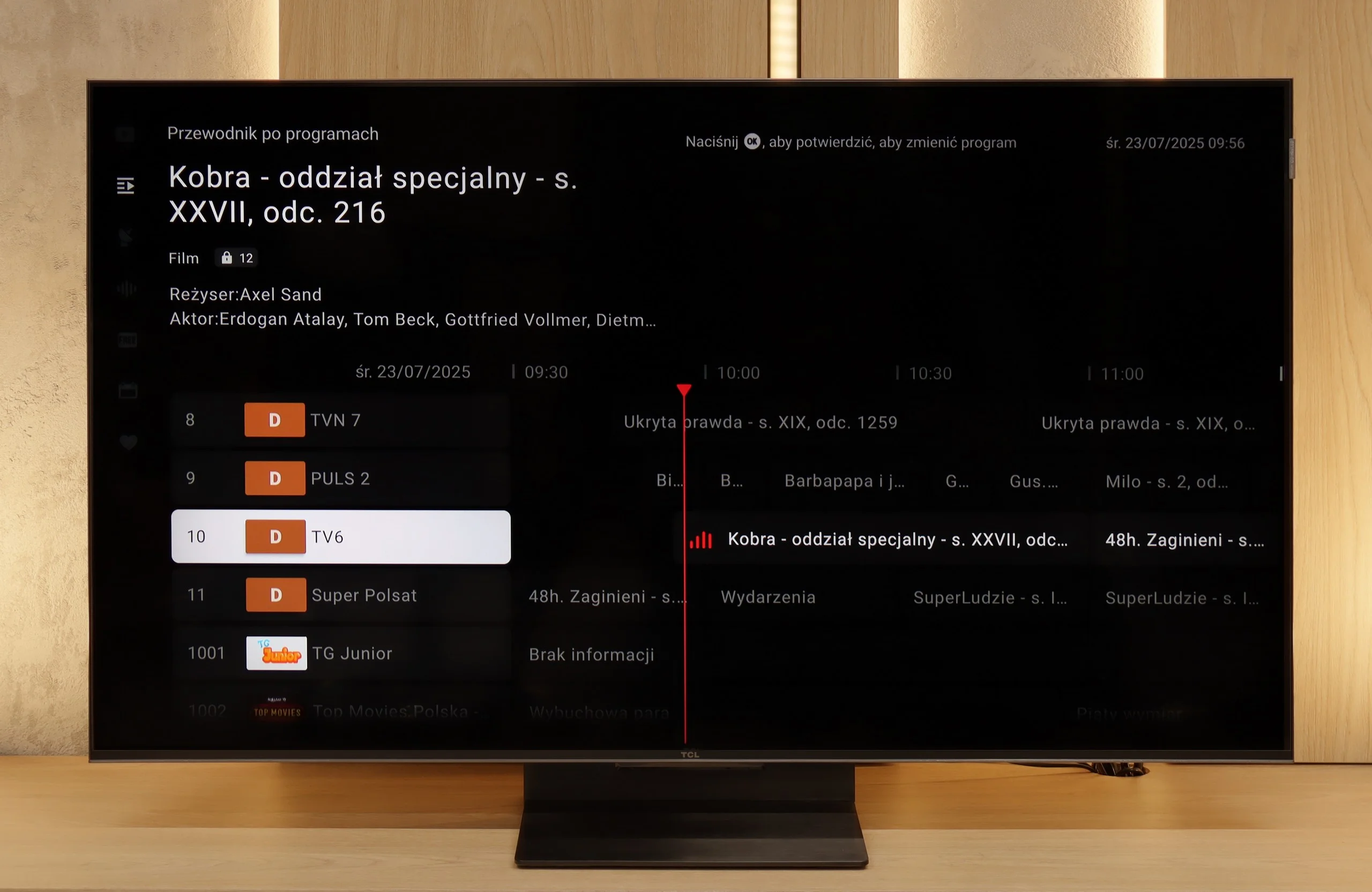
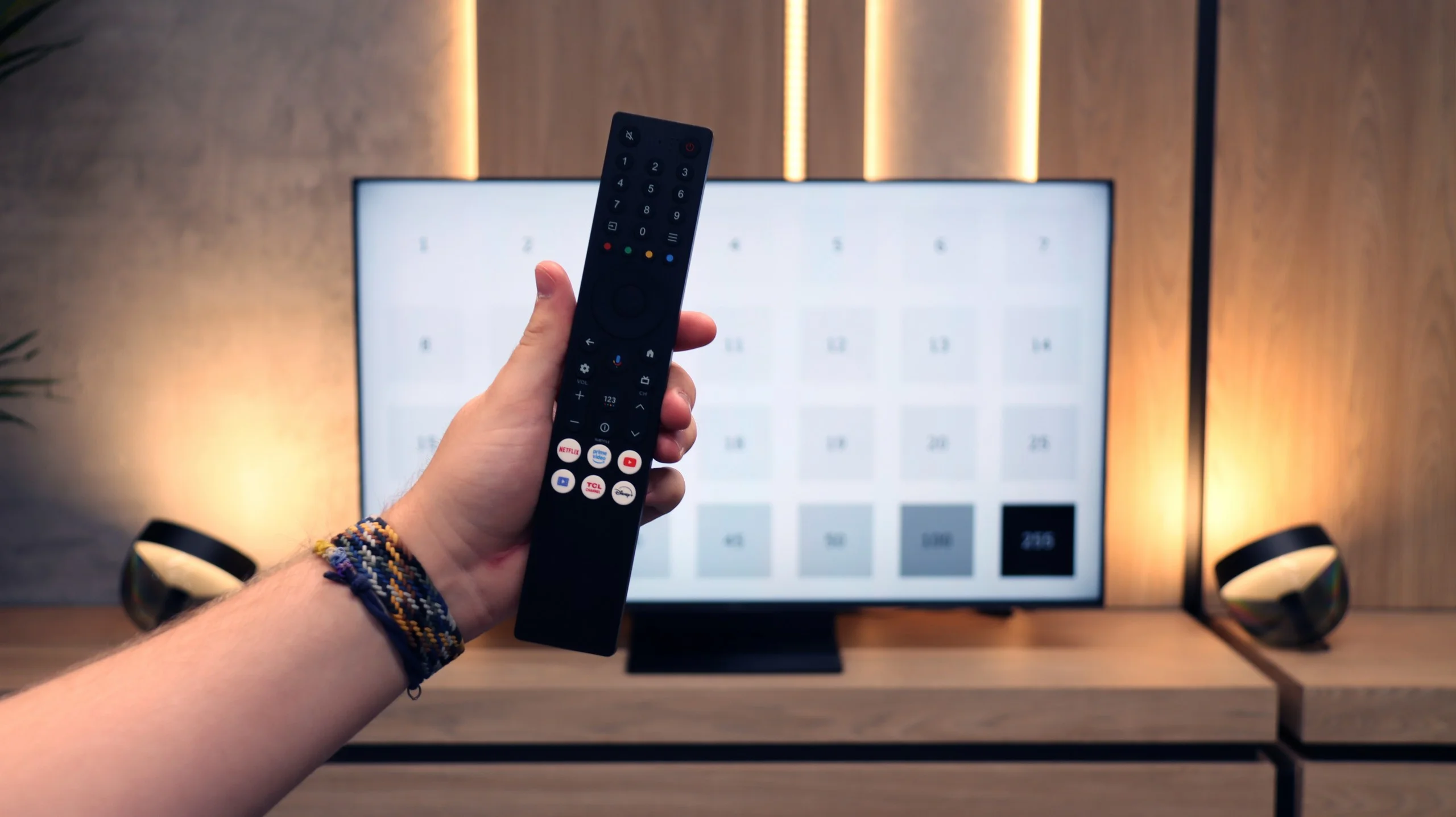
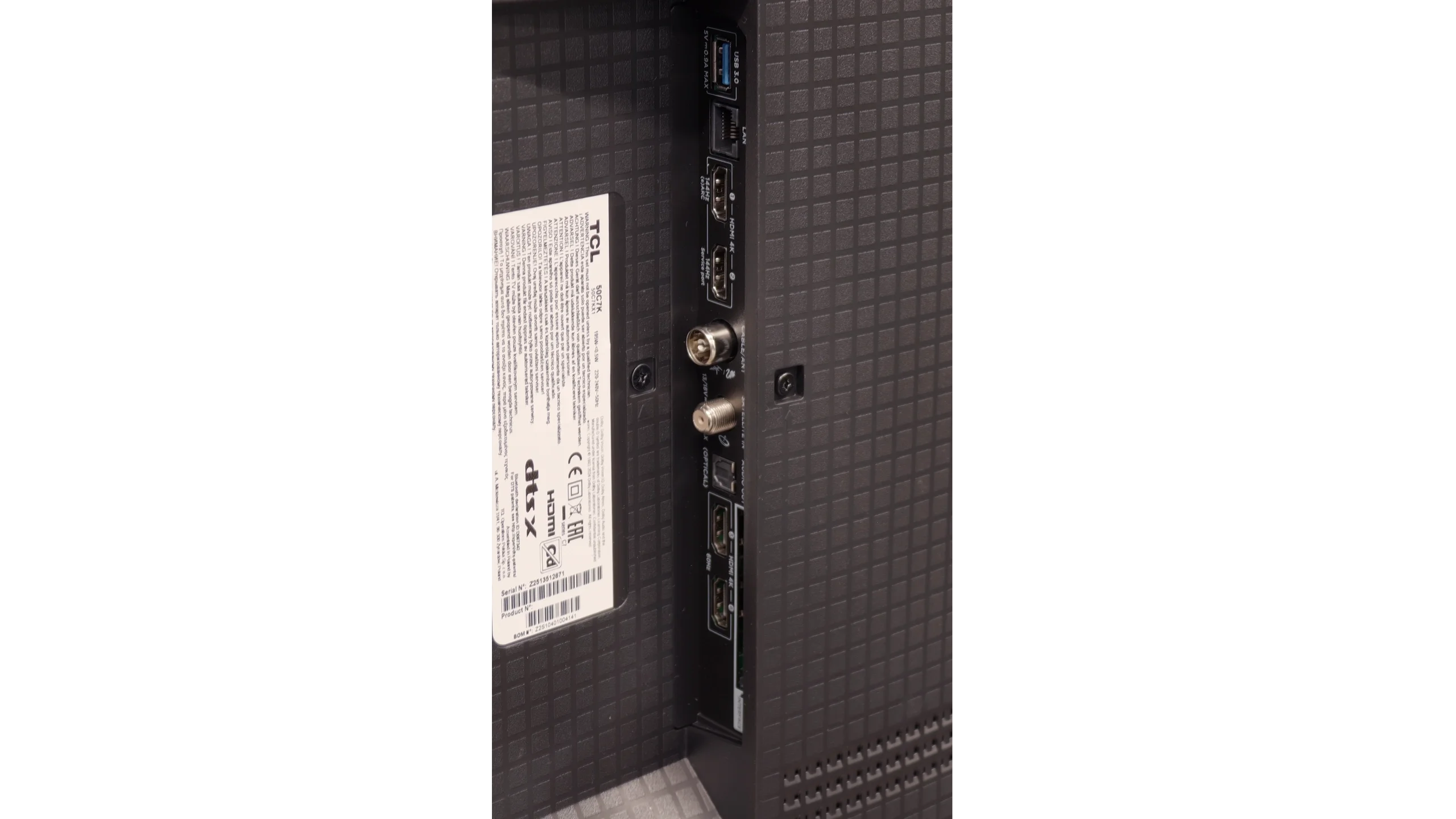
There are televisions that come in for testing and at first glance seem like just another "average" model. The TCL C7K looks just that way – without grand claims of revolution, without ambitions to dethrone OLEDs. Yet after spending a few days with this model, it's hard not to conclude that it's actually a well-made product. Its greatest strengths? Very good picture quality at a reasonable price. MiniLED combined with QLED filtering provides vibrant colours, high brightness, and contrast that really impresses in this class. Motion in sports or gaming looks smooth, and the presence of HDMI 2.1 and 144 Hz refresh rate makes gaming on this model a pure delight. Additionally, there's the Google TV system – it offers a vast range of possibilities: from voice control to AirPlay support, and access to all the most important applications.
Are there any drawbacks? Certainly. MiniLED still has its limitations, and in the most challenging cinematic scenes, compromises in dimming can be noticed. Google TV also doesn't always run perfectly smoothly. However, these are rather minor issues that don't overshadow the overall picture – which is indeed very positive. It's also worth highlighting the difference between versions. The 50-inch version we tested can surprise, but the 55–85 inch models perform significantly better – they have more lighting zones, even higher contrast quality, and better sound. So if you're considering purchasing the C7K, it's definitely worth opting for a larger size.
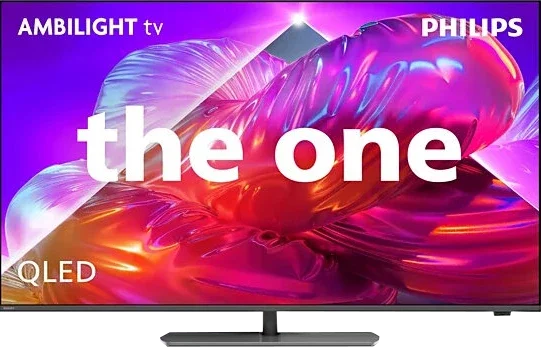
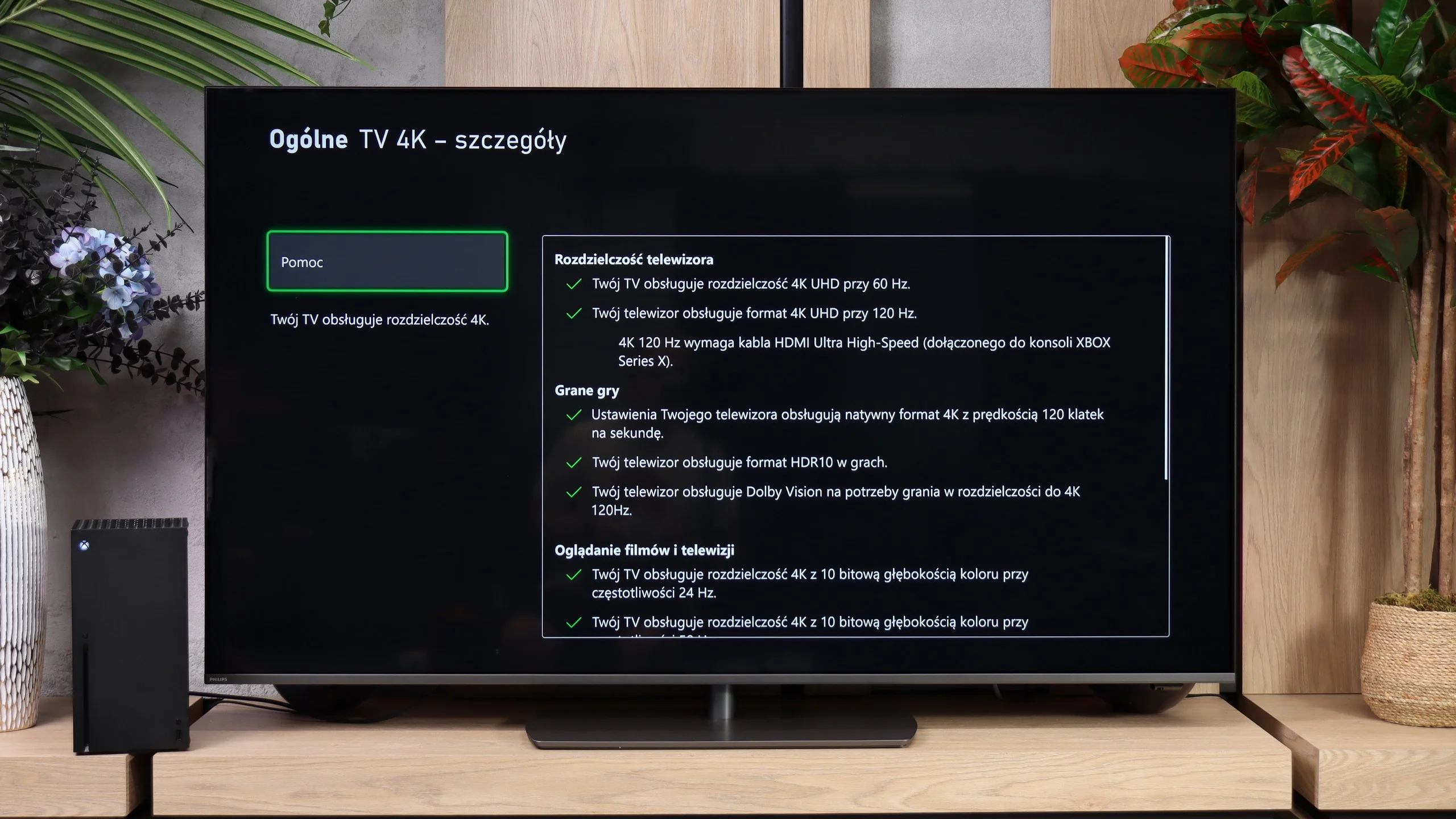
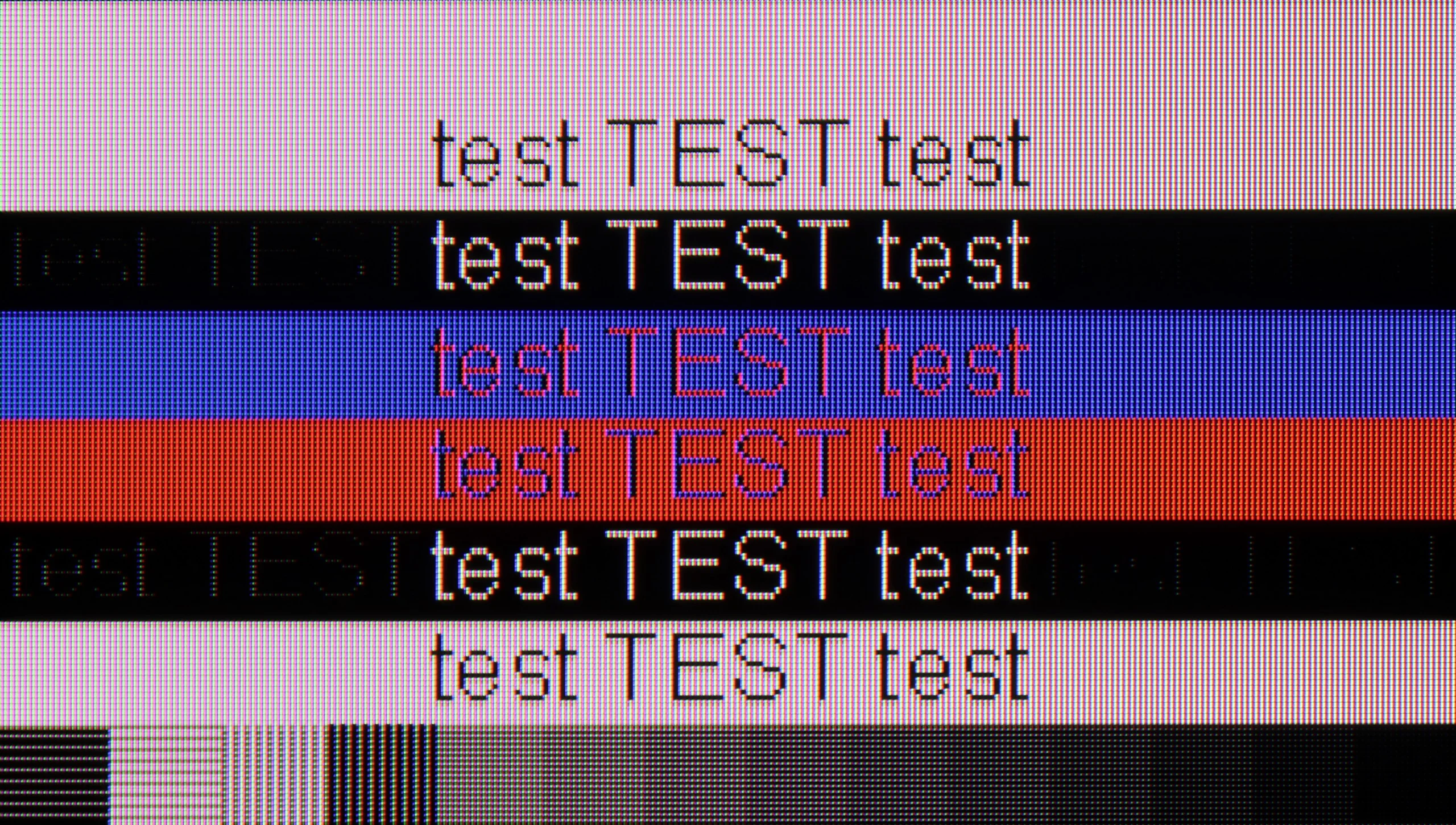
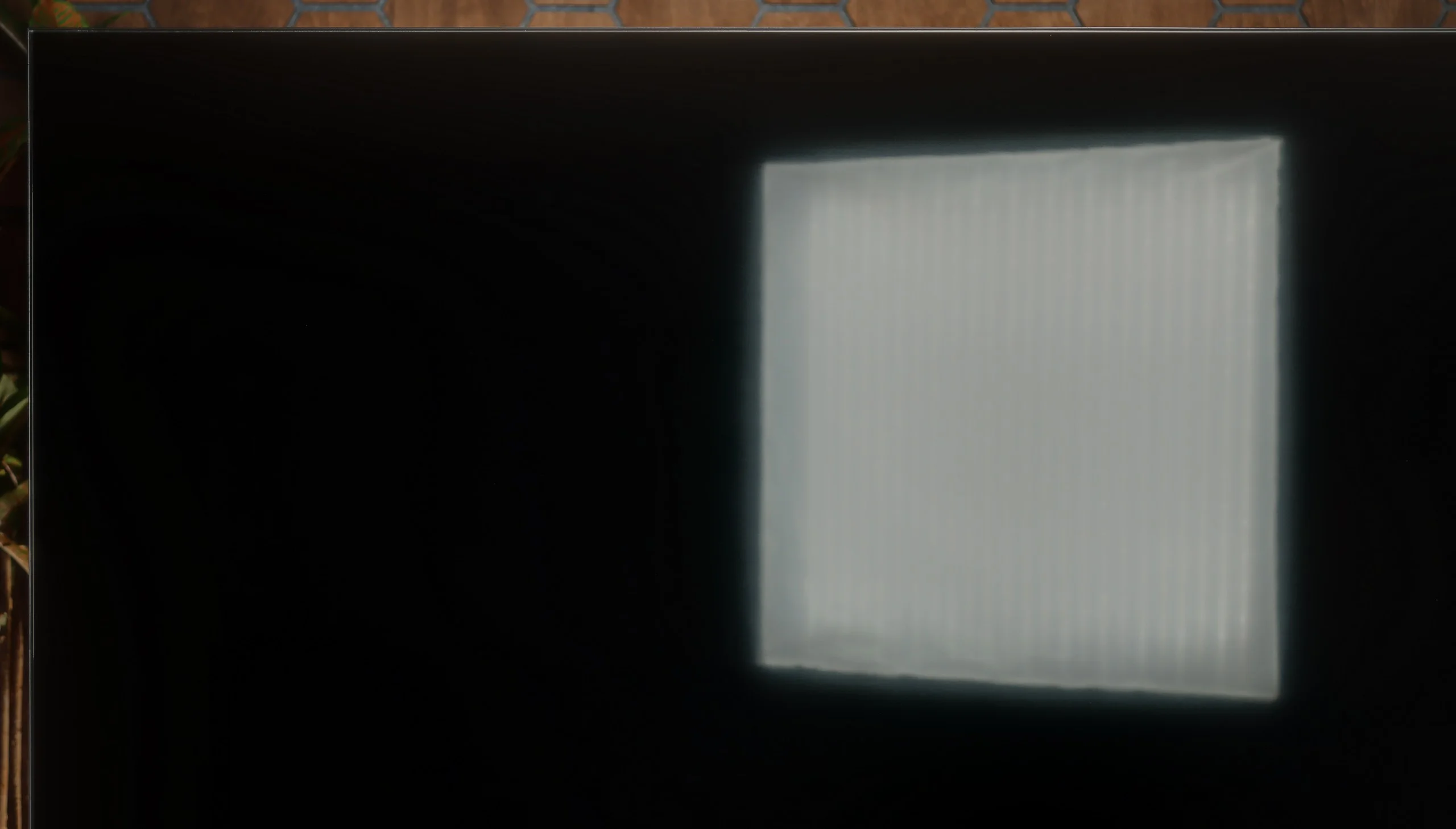
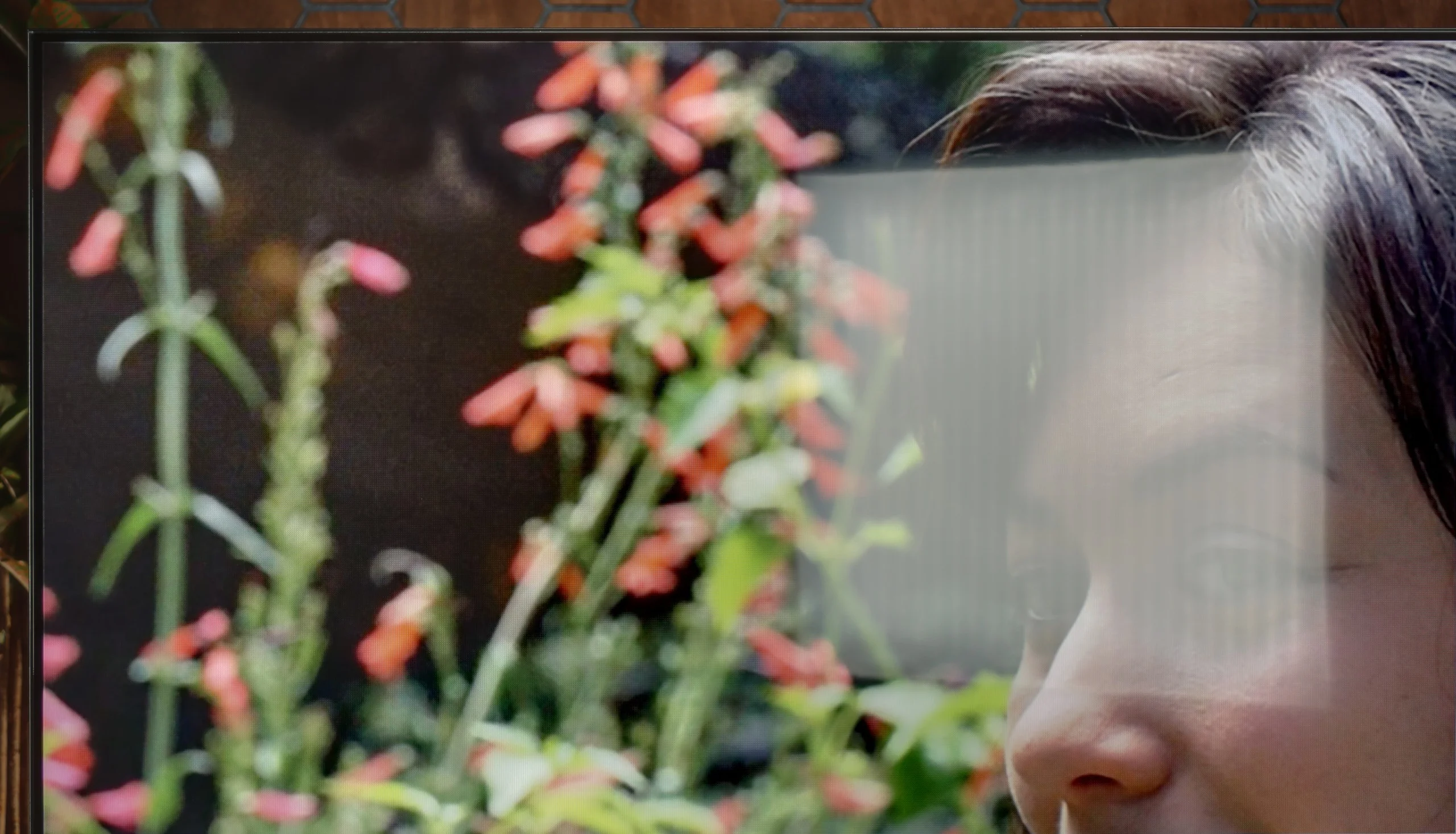
The idea behind The One has hardly changed over the years and with the Philips PQS9001 this is both a strength and its biggest drawback. You still get a versatile mid-range television whose main distinguishing feature is Ambilight. The light that follows the picture can change the atmosphere of an evening viewing and for many people will be the main reason to buy it. It's easy to see why: once you like that effect, you often don't want to go back to watching without it. The picture quality itself is good, but a very similar level has been seen in this series in previous years. The VA panel delivers decent blacks, colours are nicely saturated and the brightness is sufficient for comfortable viewing in a typical living room. It's a pity, though, that Philips didn't take another step and at least implement some form of local dimming. In a dark room you can see a navy-black rather than true black, and HDR, though noticeable, is less impressive as a result. After so many years of The One on the market we'd expect more.
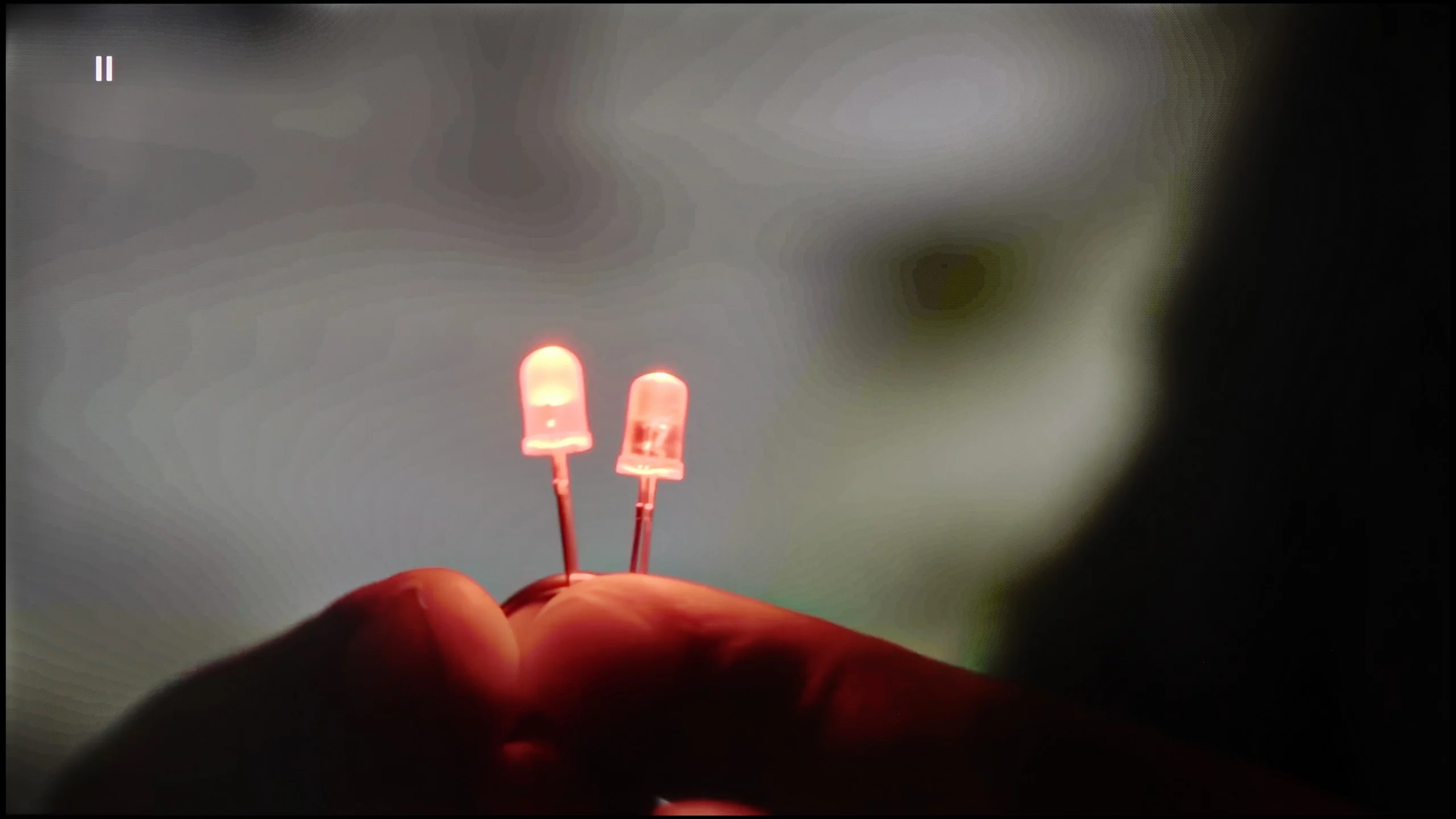
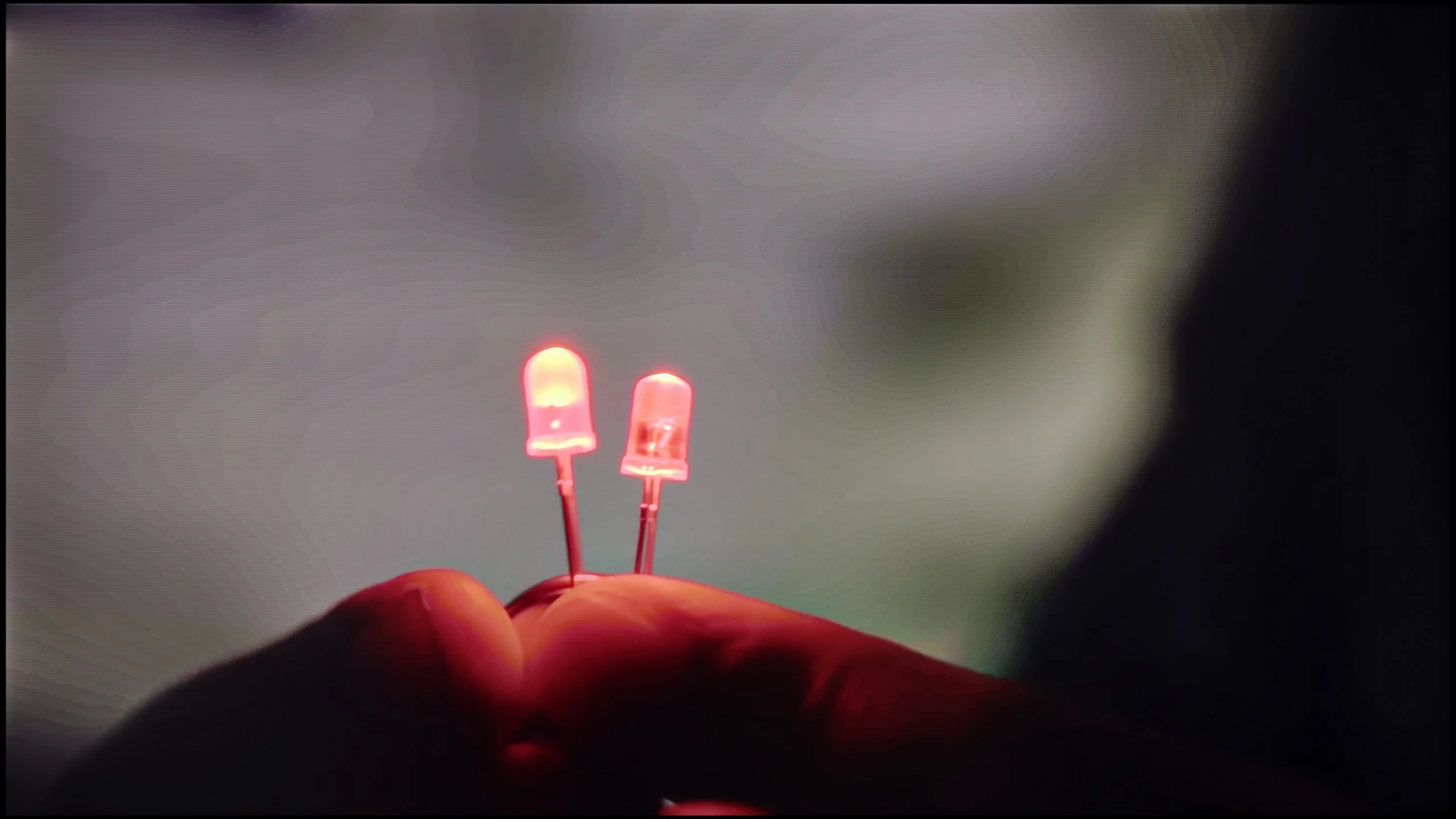
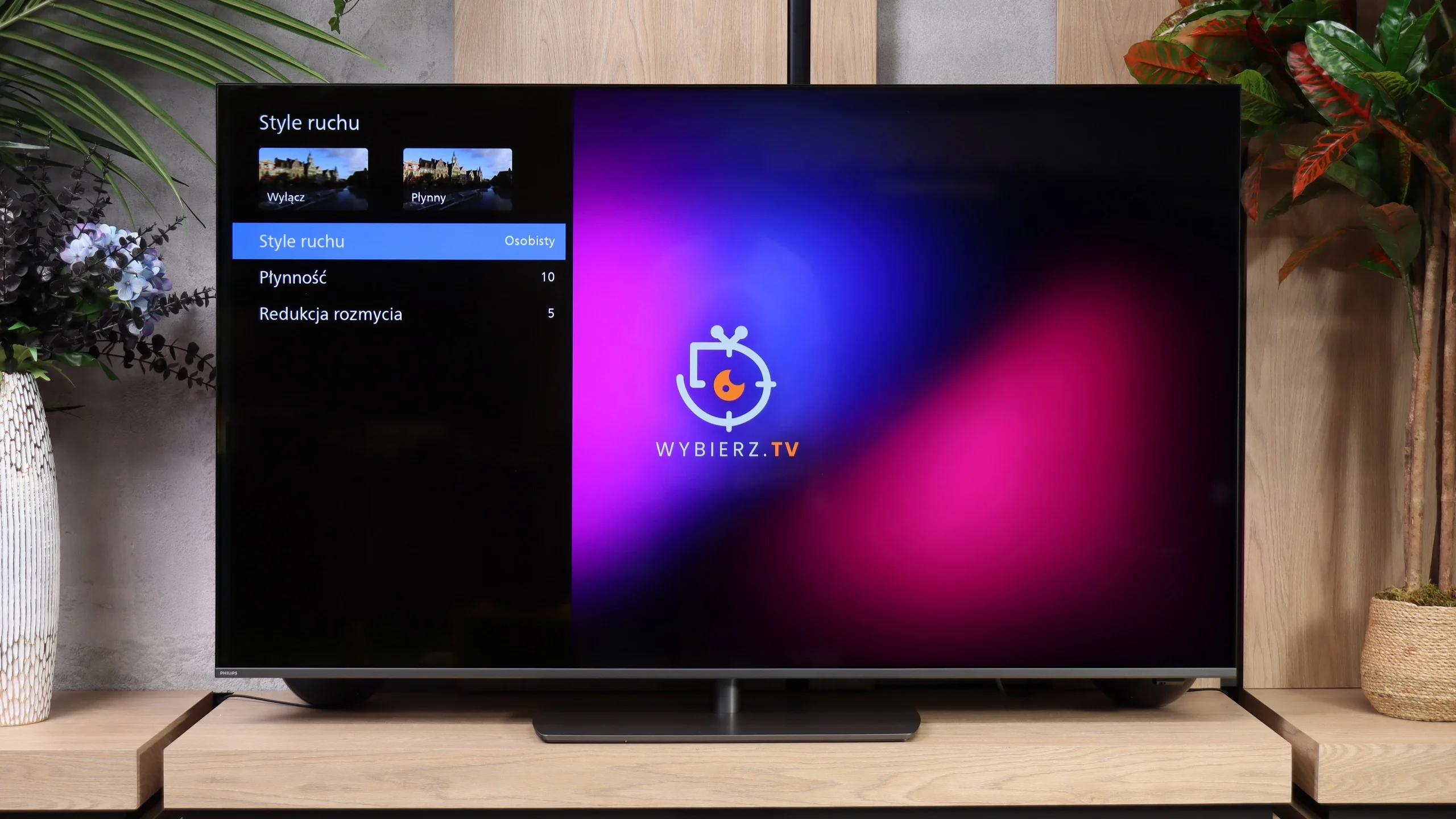
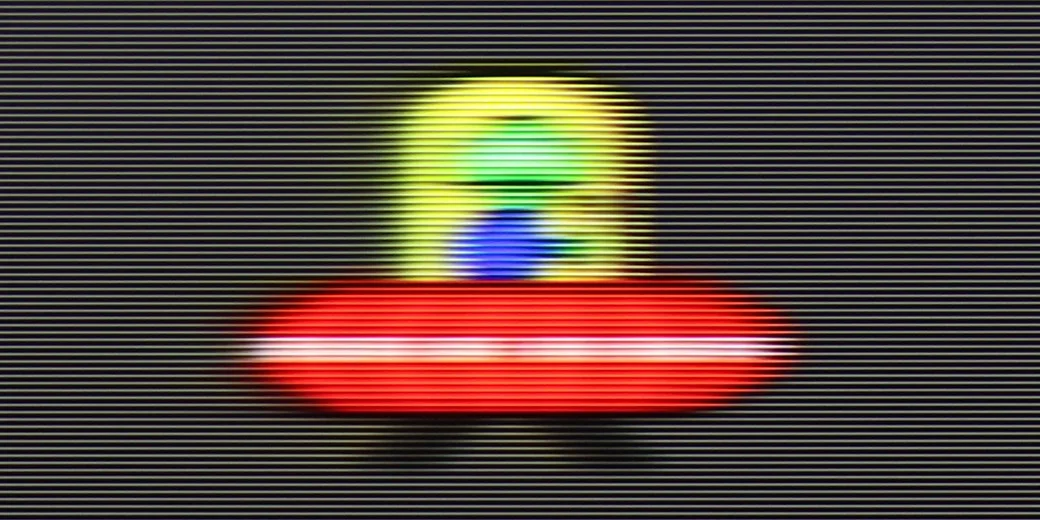
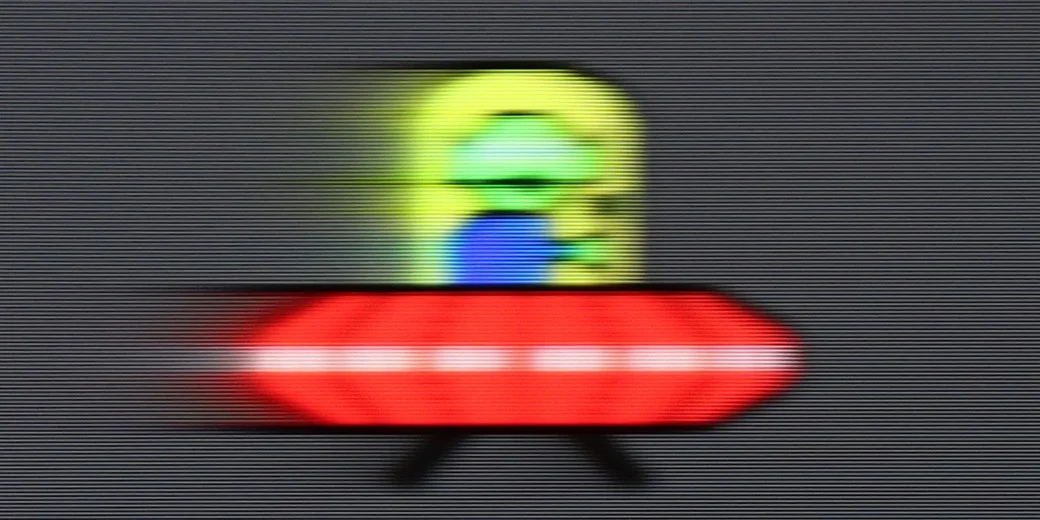
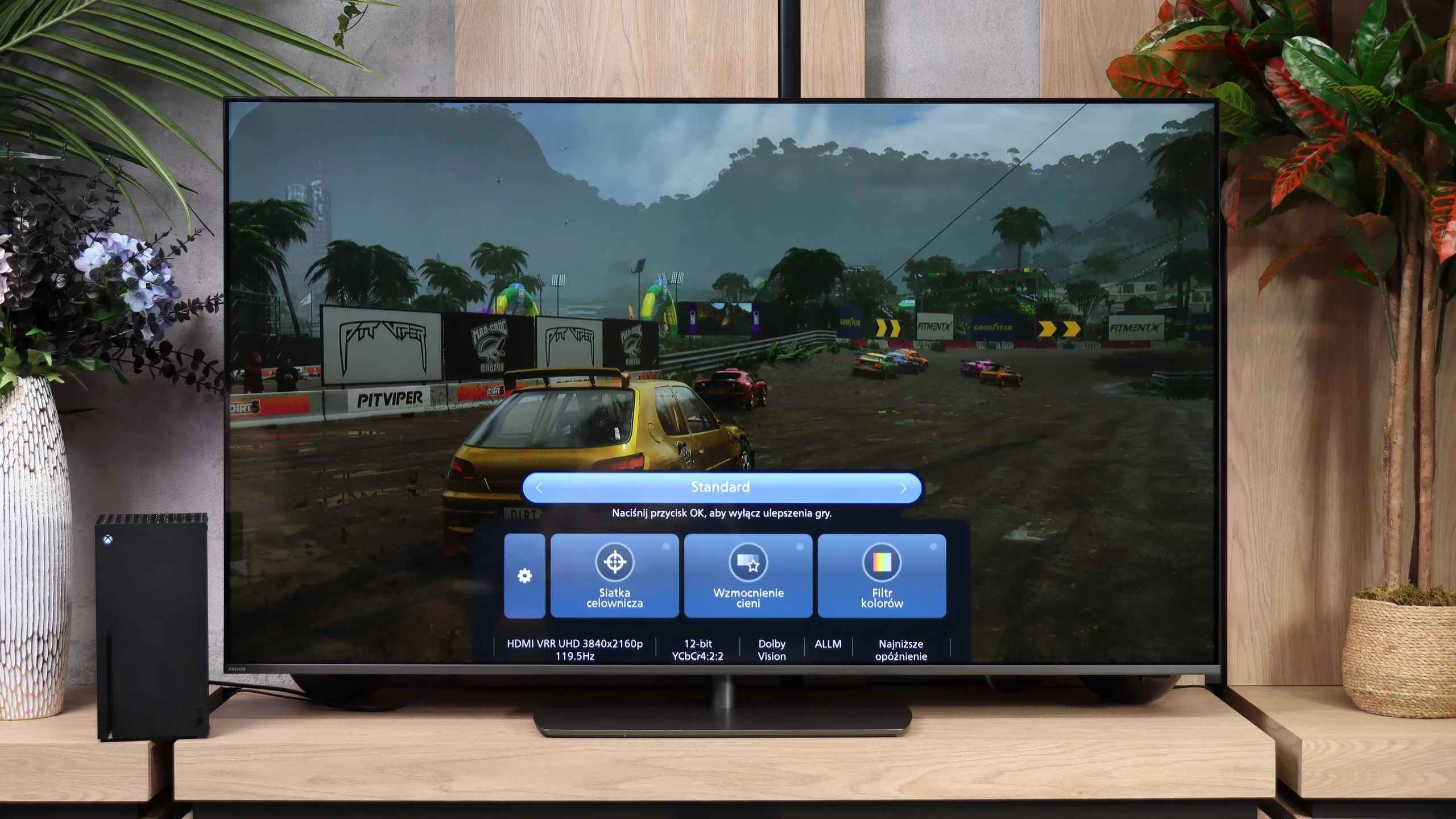
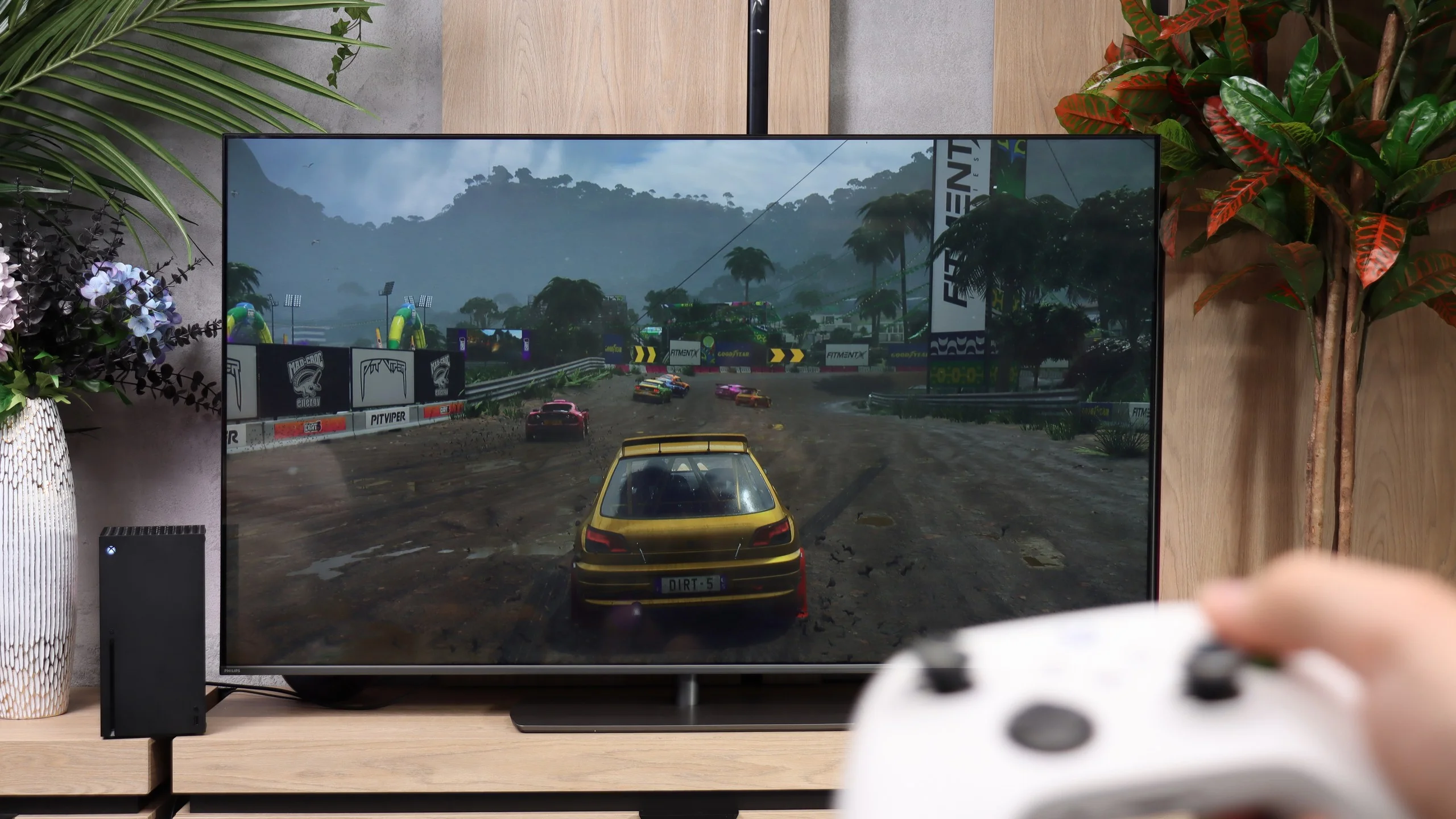
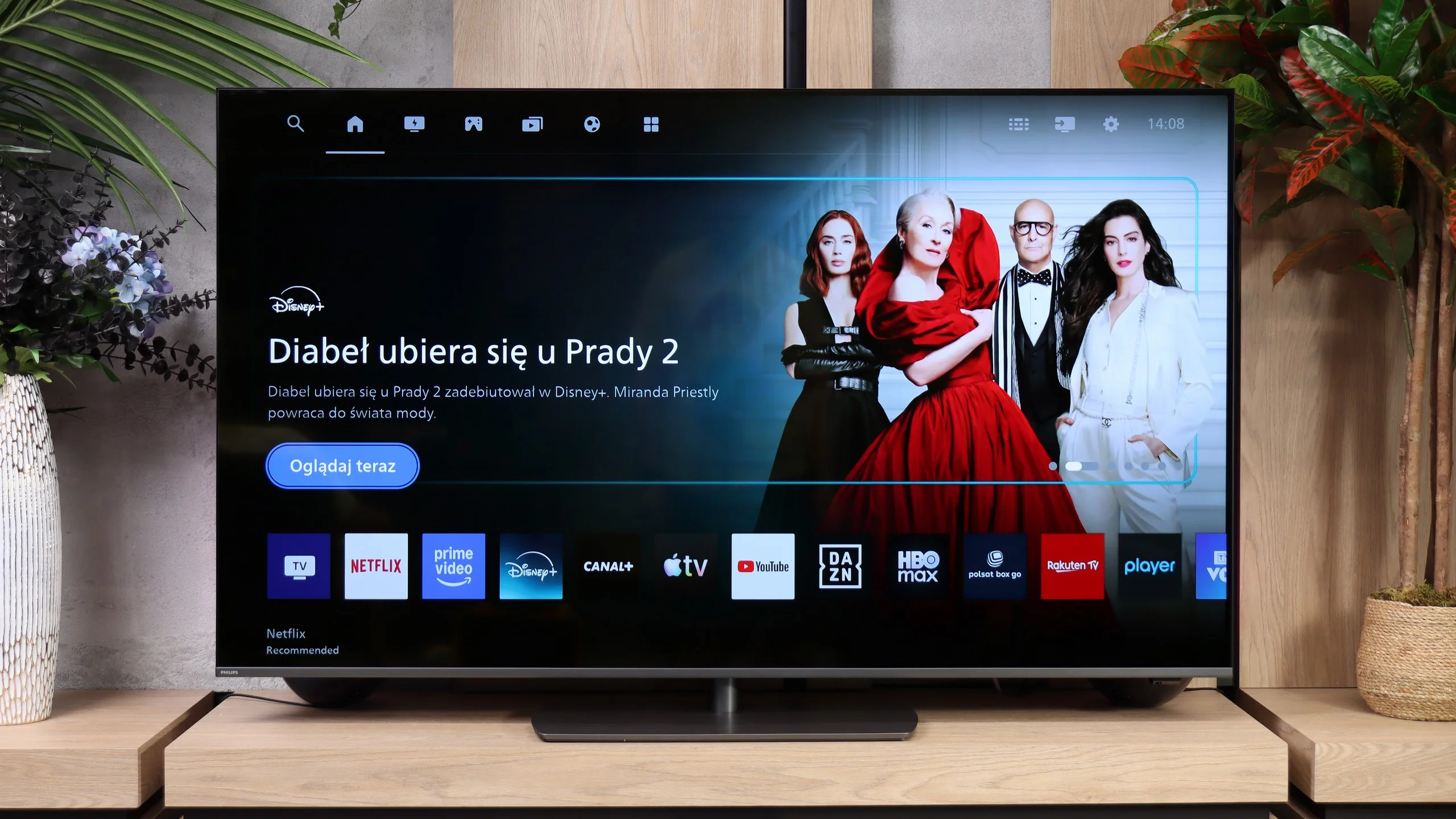
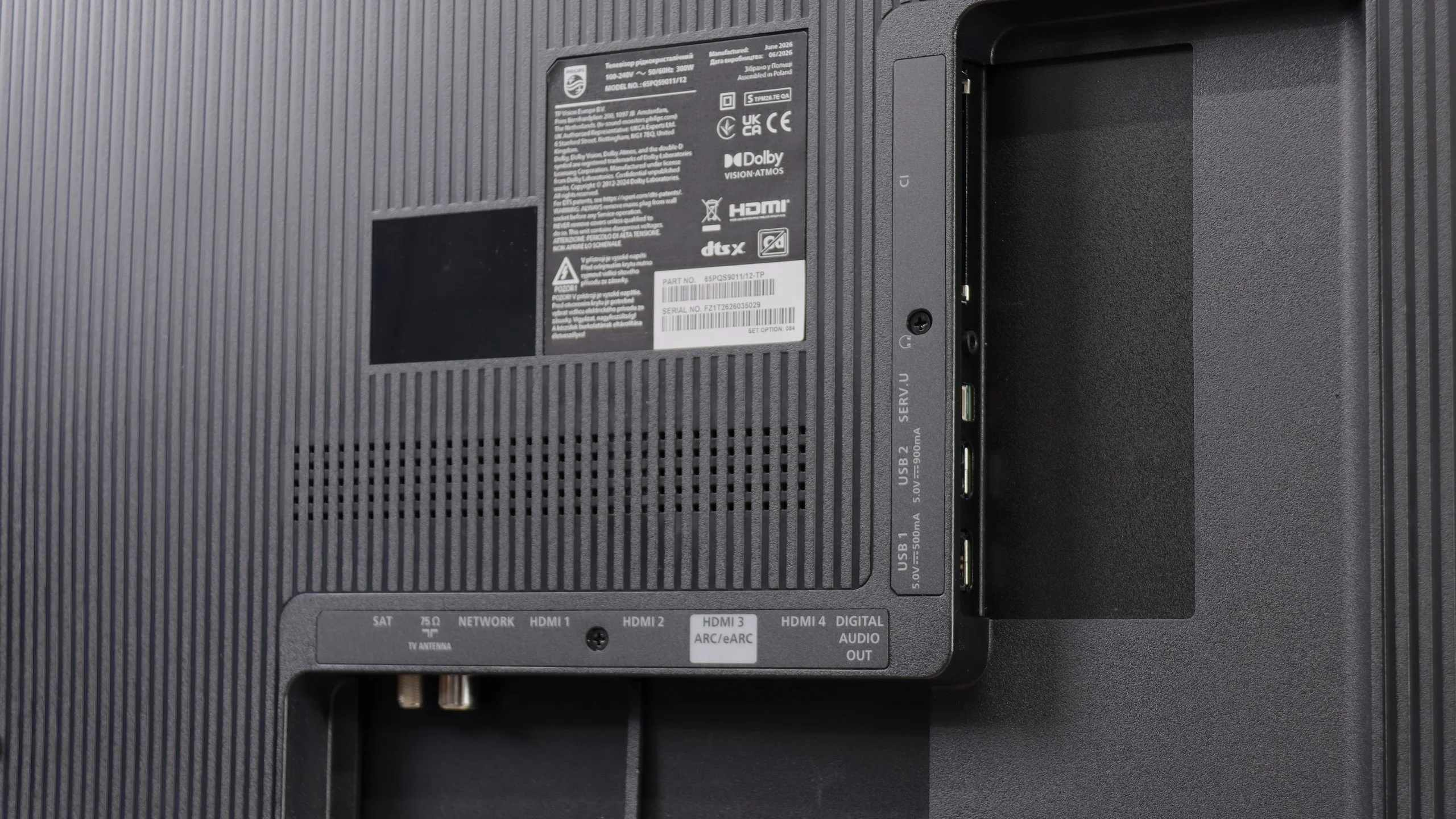
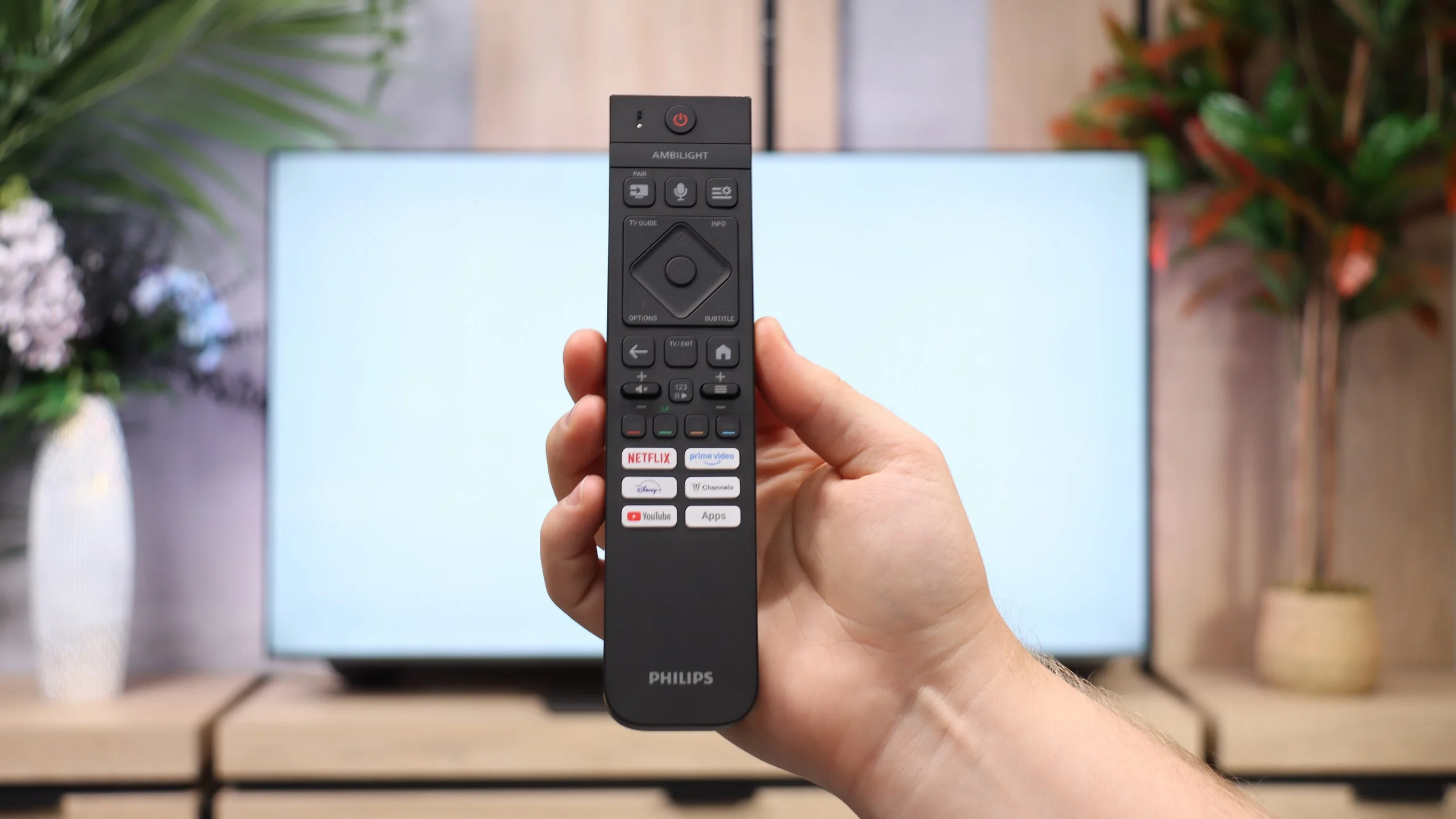
There is a clear step forward in Titan OS. Compared with last year, and especially the version from two years ago, the system has become much more pleasant to use. A few apps have been added, many small functions improved and the annoying bugs we complained about before have been fixed. Overall it runs respectably, although we're again bothered by a remote that has to be pointed at the television. Philips stubbornly sticks with infrared for basic control, even though voice control uses radio connectivity. That makes it harder to understand why radio wasn't also used for menu navigation. The One also has a lot to offer gamers. Four HDMI 2.1 ports and extensive features are one thing, but what impressed us most was the panel's response time. Our unit showed virtually no smearing, even on dark backgrounds, which is rare for LCD TVs with a VA panel. That deserves considerable praise. The ability to play in 4K at 144 Hz or in Full HD at 240 Hz further encourages connecting a PC. Unfortunately there's an unfinished element here too: Dolby Vision when gaming on Xbox incurs very high input lag.
The PQS9000 therefore leaves mixed impressions. It can surprise with excellent motion handling and shows that Philips has worked on the system, but the image quality lacks a similar step forward. This is a television we can recommend primarily to Ambilight fans. If that lighting is what convinces you to choose Philips, buying The One makes a lot of sense. It's worth checking, though, whether you can't find a Mini LED model with good local dimming at a similar price, which would offer deeper blacks and more striking HDR. Then you need to decide what matters more to you: the ambience created by Ambilight or better image quality itself.
 Direct comparison