TCL C7K / QM7K 55"-85" vs Philips PQS9011 / PQS9001 (The One 2026)

Direct comparison

C7K / Q7C / MQLED85K / C79K / C71K / QM7K

Info

PQS9011 / PQS9001 / the one 2026

Info

Available screen sizes: 55”65”75”85”98”

Available screen sizes: 43”50”55”65”75”

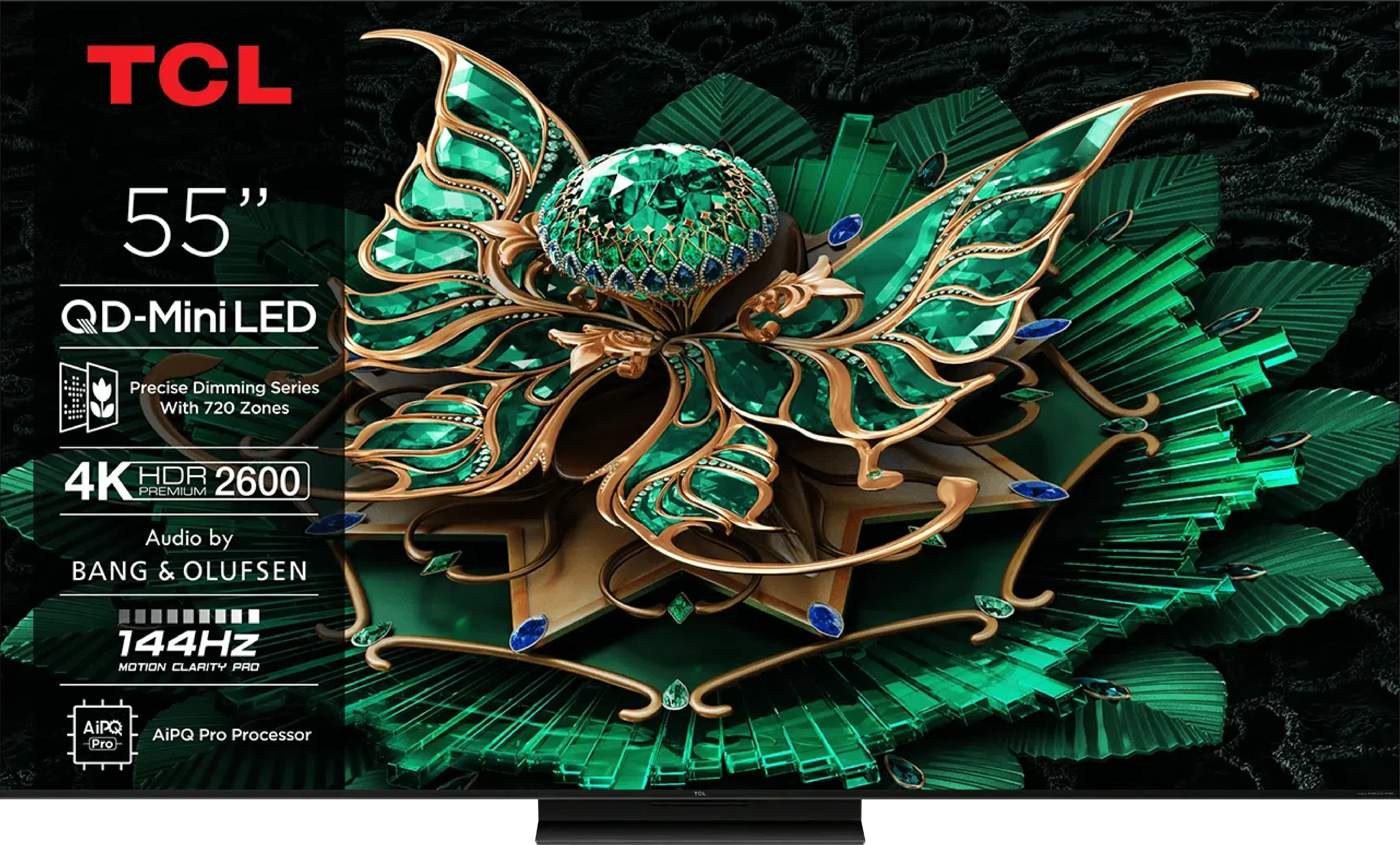
Review TCL C7K / QM7K 55"-85" Main photo
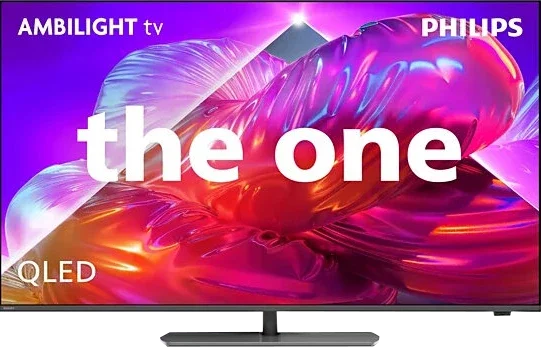
Review Philips PQS9011 / PQS9001 (The One 2026) Main photo

Panel type: LCD VA

Resolution: 3840x2160

System: Google TV

Model year: 2025

Complete the survey to find out the result

Panel type: LCD VA

Resolution: 3840x2160

System: Titan OS

Model year: 2026

Complete the survey to find out the result

Overall rating

7.4

6.8

  • Movies and series in UHD quality

    7.2

    6.4

  • Classic TV, YouTube

    6.9

    6.3

  • Sports broadcasts (TV and apps)

    6.8

    6.8

  • Gaming on console

    8.7

    7.4

  • TV as a computer monitor

    8.4

    8.6

  • Watching in bright light

    6.4

    6.1

  • Utility functions

    7.3

    7.6

  • Apps

    9.6

    7.2

  • Sound quality

    7.7

    6.9

Advantages

  • Very good black - VA panel with a large number of Mini-LED zones

  • High brightness in HDR - over 1000 nits

  • Great for gamers - HDMI 2.1, low input lag, VRR, ALLM, etc.

  • Good motion smoothness - 144Hz panel

  • Supports multiple HDR formats: HDR10, HDR10+, Dolby Vision

  • Google TV operating system with access to a vast application base

  • Pleasant sound from built-in speakers (6.2.2) Bang & Olufsen

  • Ambilight, which gives evening viewing sessions a distinctive atmosphere and improves the perceived native contrast of the VA panel

  • Excellent panel response time: minimal motion blur of moving objects

  • Many gaming features: four HDMI 2.1 ports, VRR, ALLM, HGiG

  • 144 Hz refresh at 4K and 240 Hz at Full HD from a PC

  • Good coverage of a wide colour gamut: PFS LED

  • Dolby Vision, which genuinely helps the TV with HDR content

  • Respectable brightness of around 500 nits, useful for daytime viewing

  • Swivelling base

Disadvantages

No like
  • Google TV can work with minor stutters

  • No USB recording and PiP function

  • No local dimming: average blacks in the evening and limited HDR effect

  • Smaller app library than the competition

  • Poor viewing angles (can be mitigated with a swivel stand)

  • Very high input lag in games with Dolby Vision

  • Significant errors in HDR colour reproduction (no CMS adjustment available)

  • Infrared remote requiring direct aiming

Our verdict

There are televisions that come in for testing and at first glance seem like just another "average" model. The TCL C7K looks just that way – without grand claims of revolution, without ambitions to dethrone OLEDs. Yet after spending a few days with this model, it's hard not to conclude that it's actually a well-made product. Its greatest strengths? Very good picture quality at a reasonable price. MiniLED combined with QLED filtering provides vibrant colours, high brightness, and contrast that really impresses in this class. Motion in sports or gaming looks smooth, and the presence of HDMI 2.1 and 144 Hz refresh rate makes gaming on this model a pure delight. Additionally, there's the Google TV system – it offers a vast range of possibilities: from voice control to AirPlay support, and access to all the most important applications.

Are there any drawbacks? Certainly. MiniLED still has its limitations, and in the most challenging cinematic scenes, compromises in dimming can be noticed. Google TV also doesn't always run perfectly smoothly. However, these are rather minor issues that don't overshadow the overall picture – which is indeed very positive. It's also worth highlighting the difference between versions. The 50-inch version we tested can surprise, but the 55–85 inch models perform significantly better – they have more lighting zones, even higher contrast quality, and better sound. So if you're considering purchasing the C7K, it's definitely worth opting for a larger size.

The idea behind The One has hardly changed over the years and with the Philips PQS9001 this is both a strength and its biggest drawback. You still get a versatile mid-range television whose main distinguishing feature is Ambilight. The light that follows the picture can change the atmosphere of an evening viewing and for many people will be the main reason to buy it. It's easy to see why: once you like that effect, you often don't want to go back to watching without it. The picture quality itself is good, but a very similar level has been seen in this series in previous years. The VA panel delivers decent blacks, colours are nicely saturated and the brightness is sufficient for comfortable viewing in a typical living room. It's a pity, though, that Philips didn't take another step and at least implement some form of local dimming. In a dark room you can see a navy-black rather than true black, and HDR, though noticeable, is less impressive as a result. After so many years of The One on the market we'd expect more.

There is a clear step forward in Titan OS. Compared with last year, and especially the version from two years ago, the system has become much more pleasant to use. A few apps have been added, many small functions improved and the annoying bugs we complained about before have been fixed. Overall it runs respectably, although we're again bothered by a remote that has to be pointed at the television. Philips stubbornly sticks with infrared for basic control, even though voice control uses radio connectivity. That makes it harder to understand why radio wasn't also used for menu navigation. The One also has a lot to offer gamers. Four HDMI 2.1 ports and extensive features are one thing, but what impressed us most was the panel's response time. Our unit showed virtually no smearing, even on dark backgrounds, which is rare for LCD TVs with a VA panel. That deserves considerable praise. The ability to play in 4K at 144 Hz or in Full HD at 240 Hz further encourages connecting a PC. Unfortunately there's an unfinished element here too: Dolby Vision when gaming on Xbox incurs very high input lag.

The PQS9000 therefore leaves mixed impressions. It can surprise with excellent motion handling and shows that Philips has worked on the system, but the image quality lacks a similar step forward. This is a television we can recommend primarily to Ambilight fans. If that lighting is what convinces you to choose Philips, buying The One makes a lot of sense. It's worth checking, though, whether you can't find a Mini LED model with good local dimming at a similar price, which would offer deeper blacks and more striking HDR. Then you need to decide what matters more to you: the ambience created by Ambilight or better image quality itself.

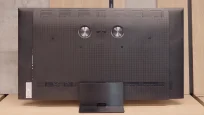
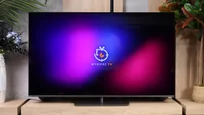
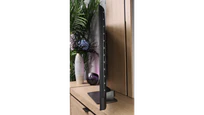
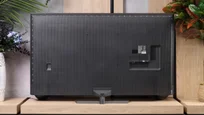
TV appearance

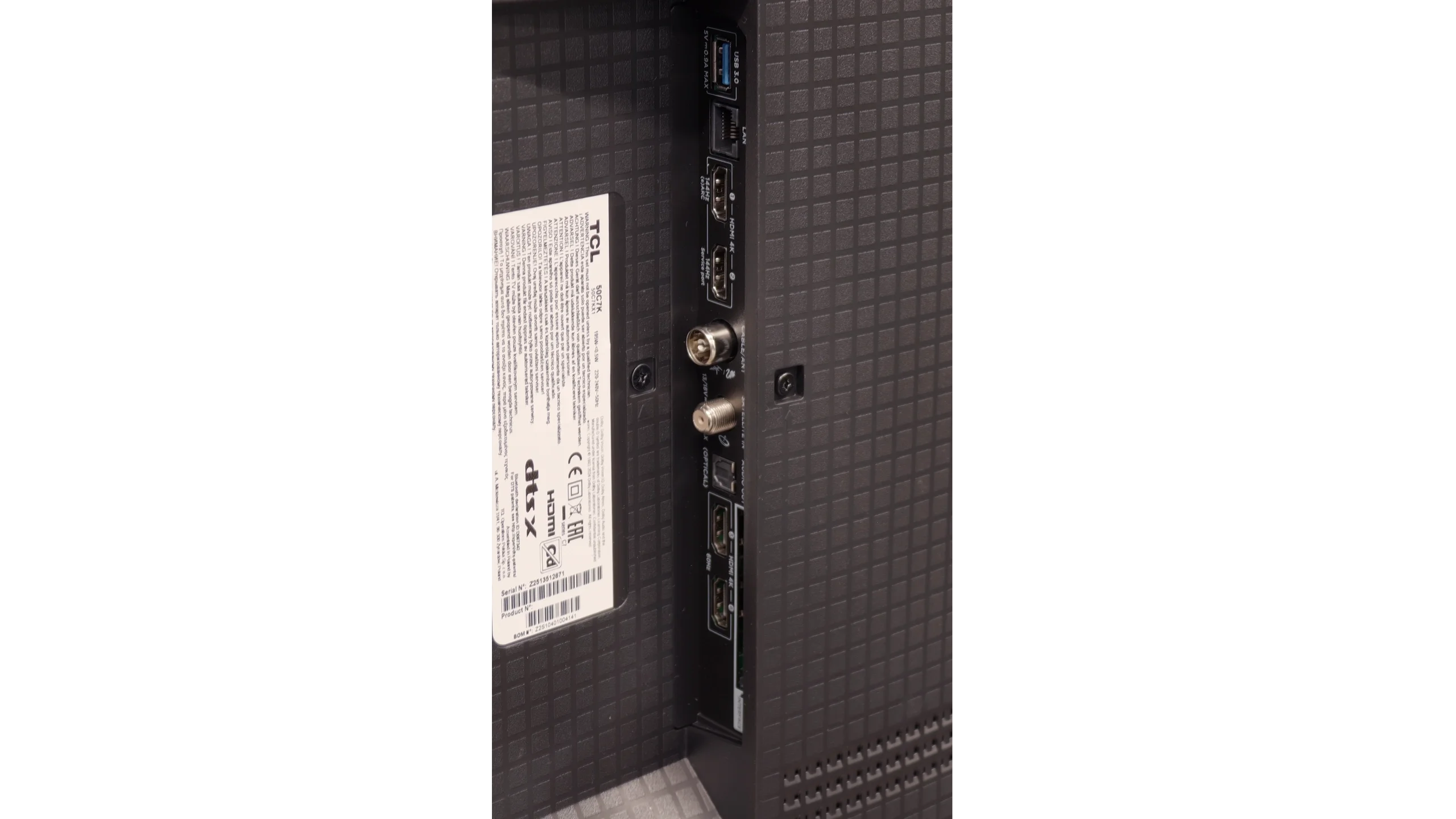
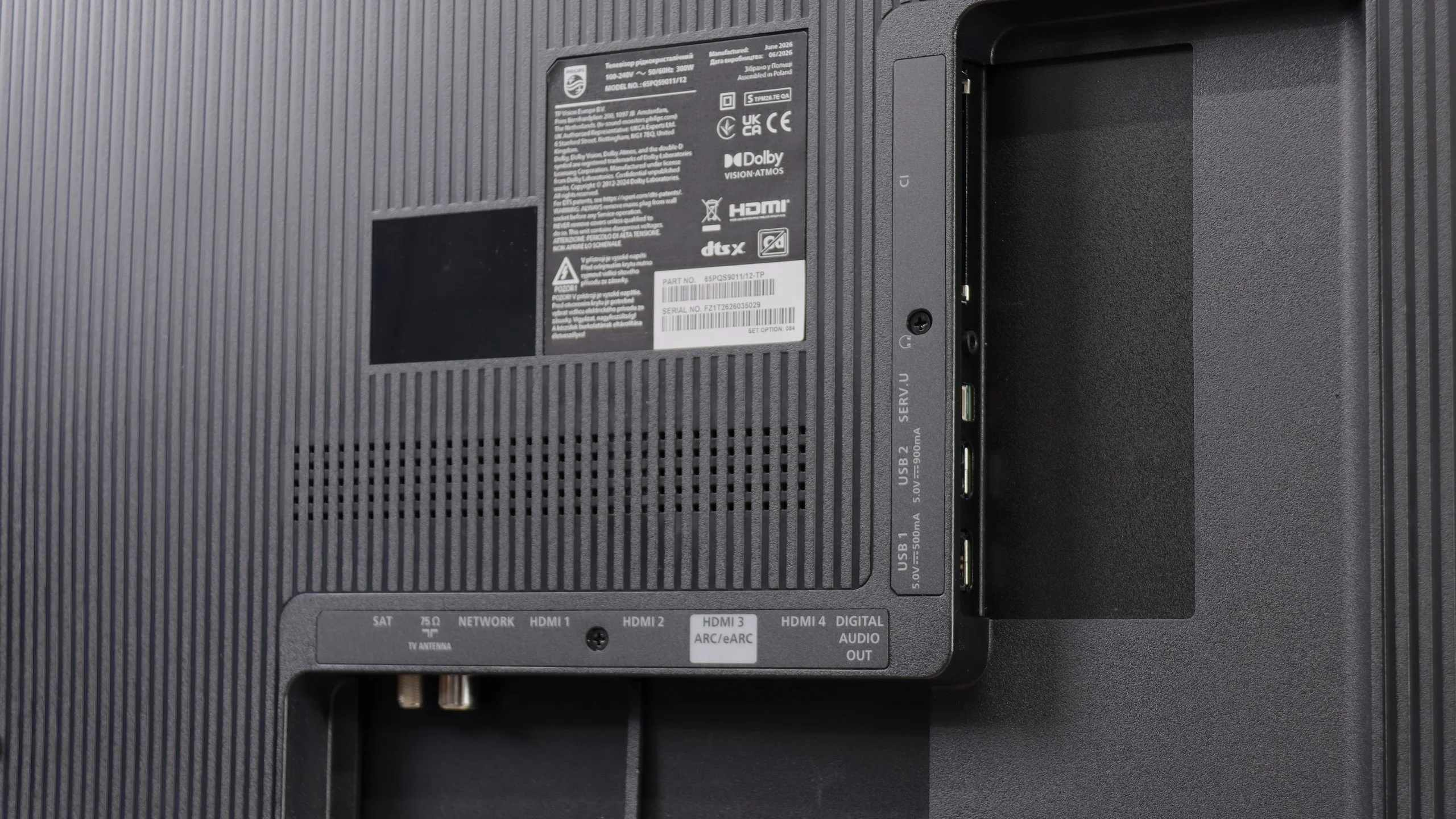
HDMI inputs
2 x HDMI 2.0, 2 x HDMI 2.1 (48Gbps)
0 x HDMI 2.0, 4 x HDMI 2.1 (48Gbps)
Other inputs
Outputs
Toslink (Optical audio), eARC (HDMI), ARC (HDMI)
Toslink (Optical audio), eARC (HDMI), ARC (HDMI), Mini-Jack (Headphones)
Network Interfaces
Wi-Fi 2.4GHz, Wi-Fi 5GHz, Ethernet (LAN) 100Mbps
Build quality
Good
Good
Stand type
Central
Central
Bezel color
Graphite
Graphite
Stand
Fixed
Fixed
Accessories
Stand
Stand

Contrast and black detail

8.1/10

5.8/10

Local dimming function: Yes, number of zones: 1008 (42 x 24)

Local dimming function: No

Contrast:

Review TCL C7K / QM7K 55"-85" Contrast and black detail

Result

256,000:1

Review TCL C7K / QM7K 55"-85" Contrast and black detail

Result

59,850:1

Review TCL C7K / QM7K 55"-85" Contrast and black detail

Result

22,200:1

Review TCL C7K / QM7K 55"-85" Contrast and black detail

Result

16,850:1

Review TCL C7K / QM7K 55"-85" Contrast and black detail

Result

11,400:1

Review Philips PQS9011 / PQS9001 (The One 2026) Contrast and black detail

Result

5,500:1

Review Philips PQS9011 / PQS9001 (The One 2026) Contrast and black detail

Result

3,950:1

Review Philips PQS9011 / PQS9001 (The One 2026) Contrast and black detail

Result

5,600:1

Review Philips PQS9011 / PQS9001 (The One 2026) Contrast and black detail

Result

5,750:1

Review Philips PQS9011 / PQS9001 (The One 2026) Contrast and black detail

Result

4,500:1

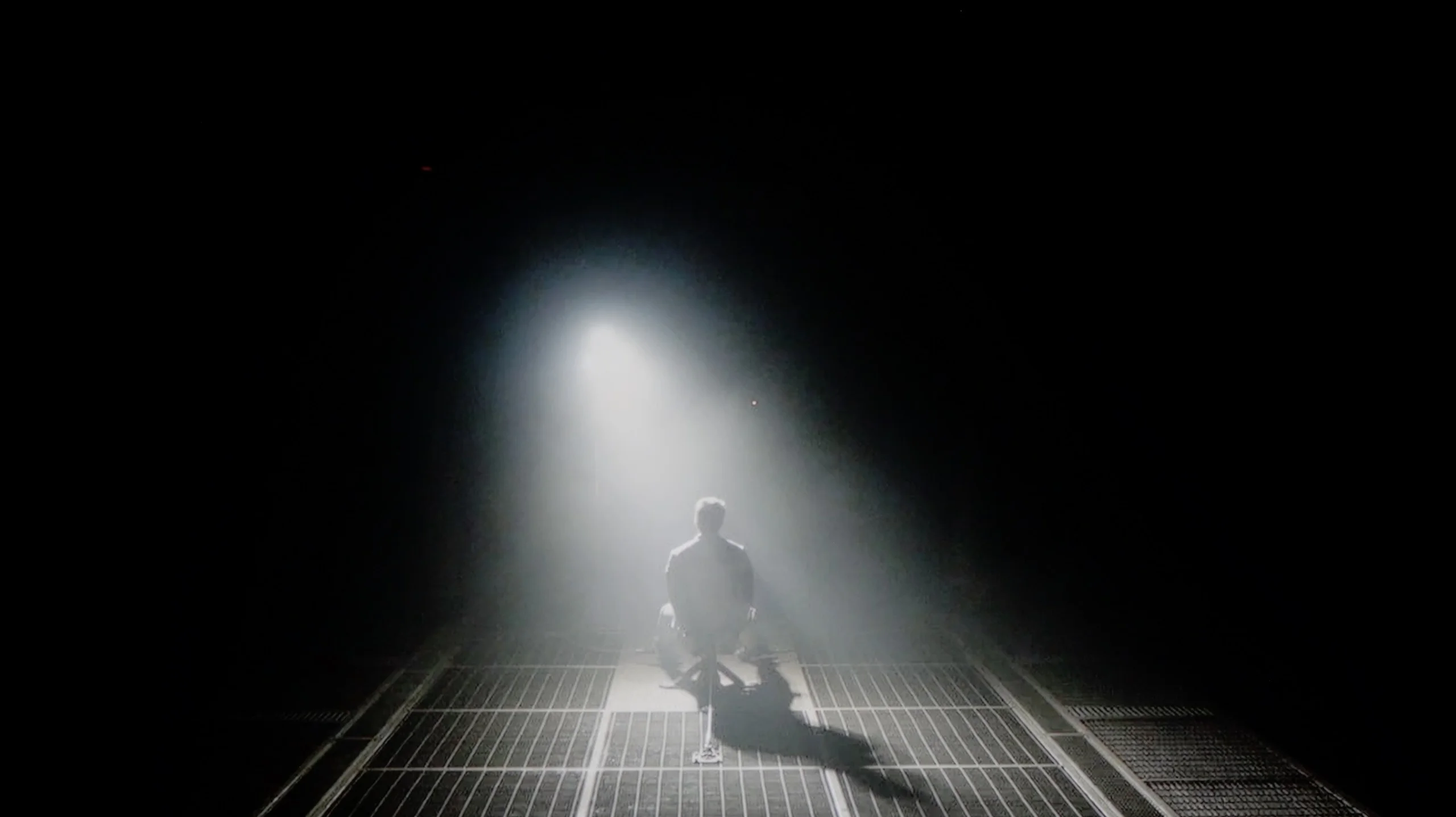
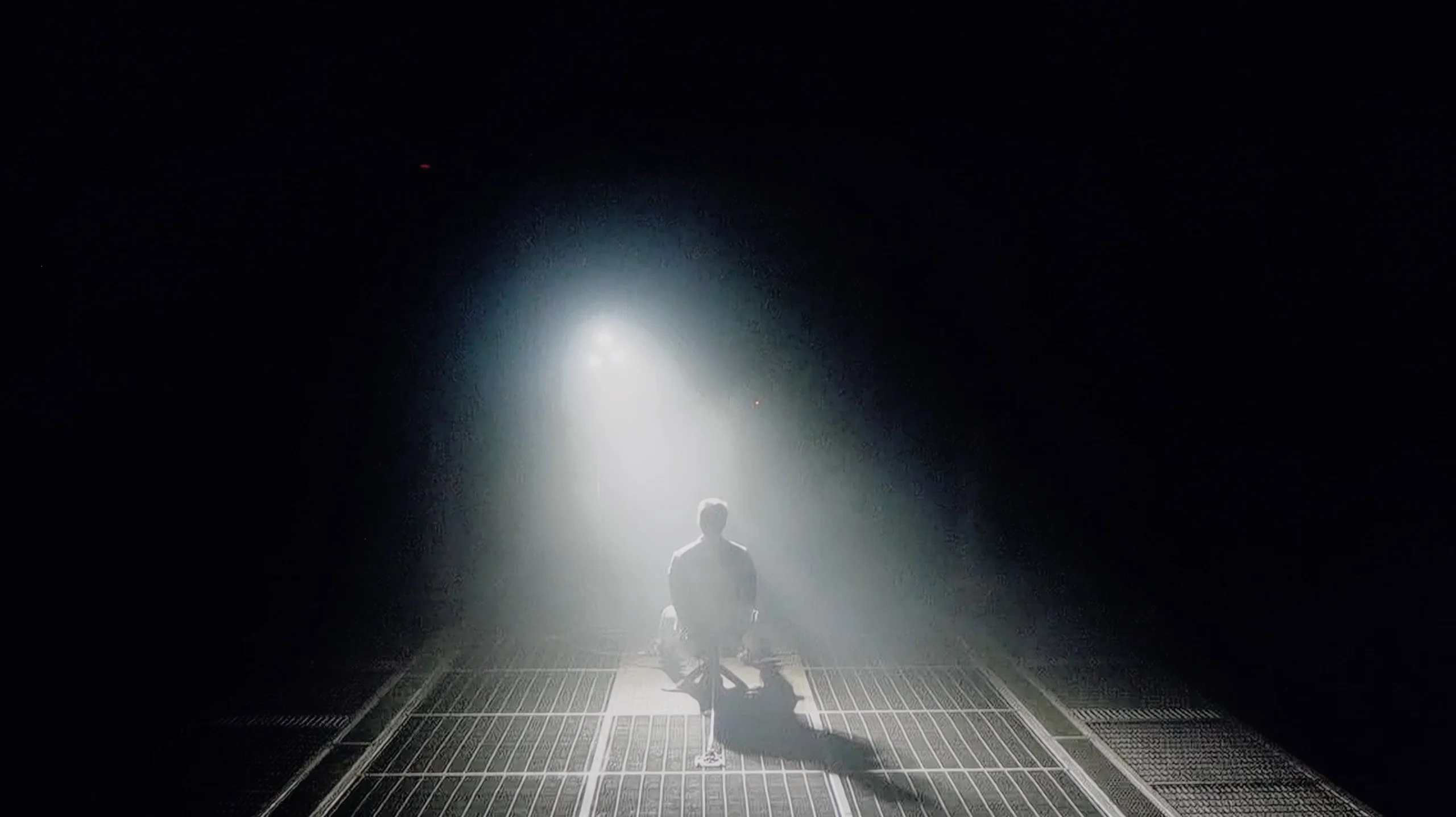
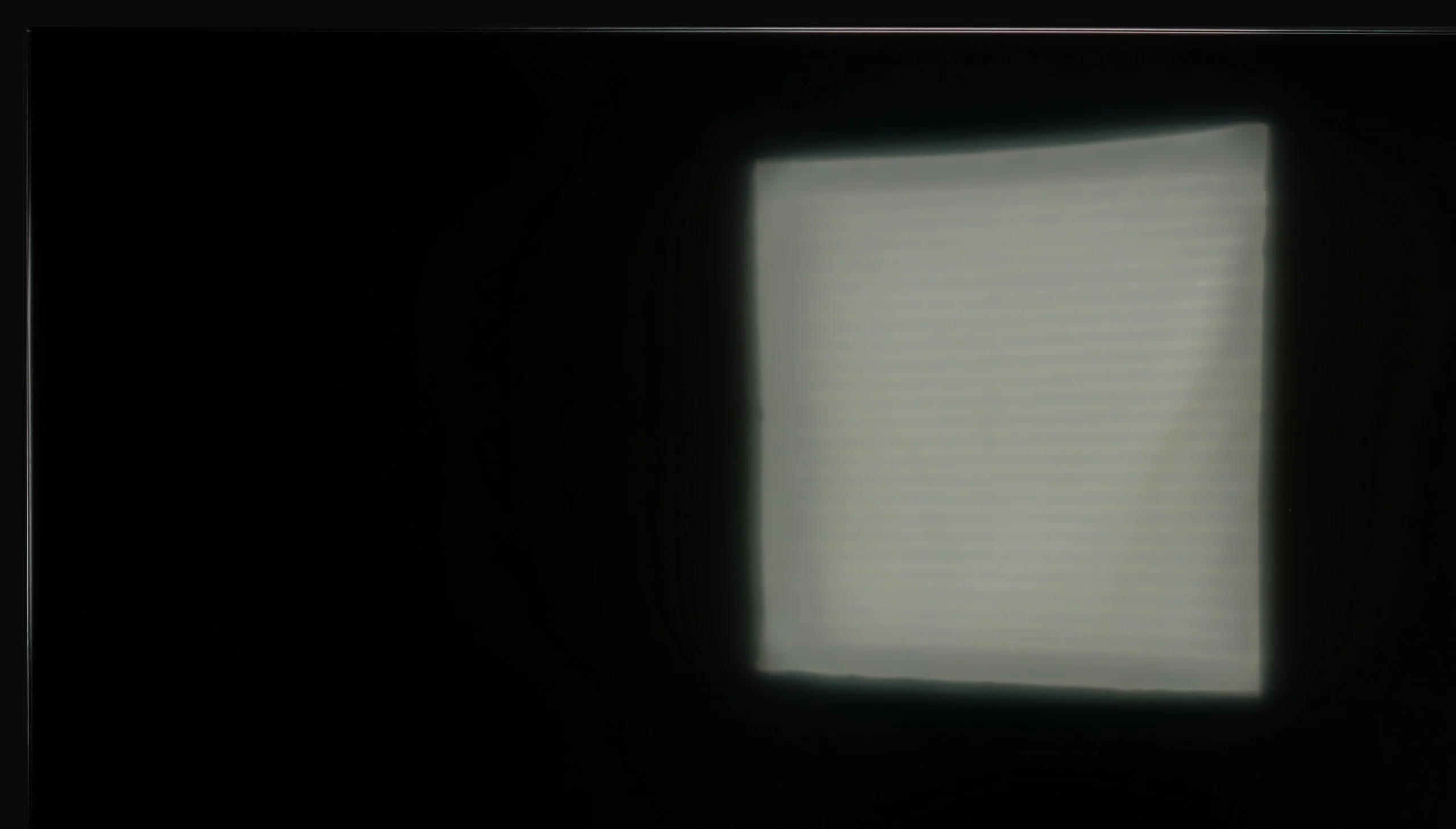
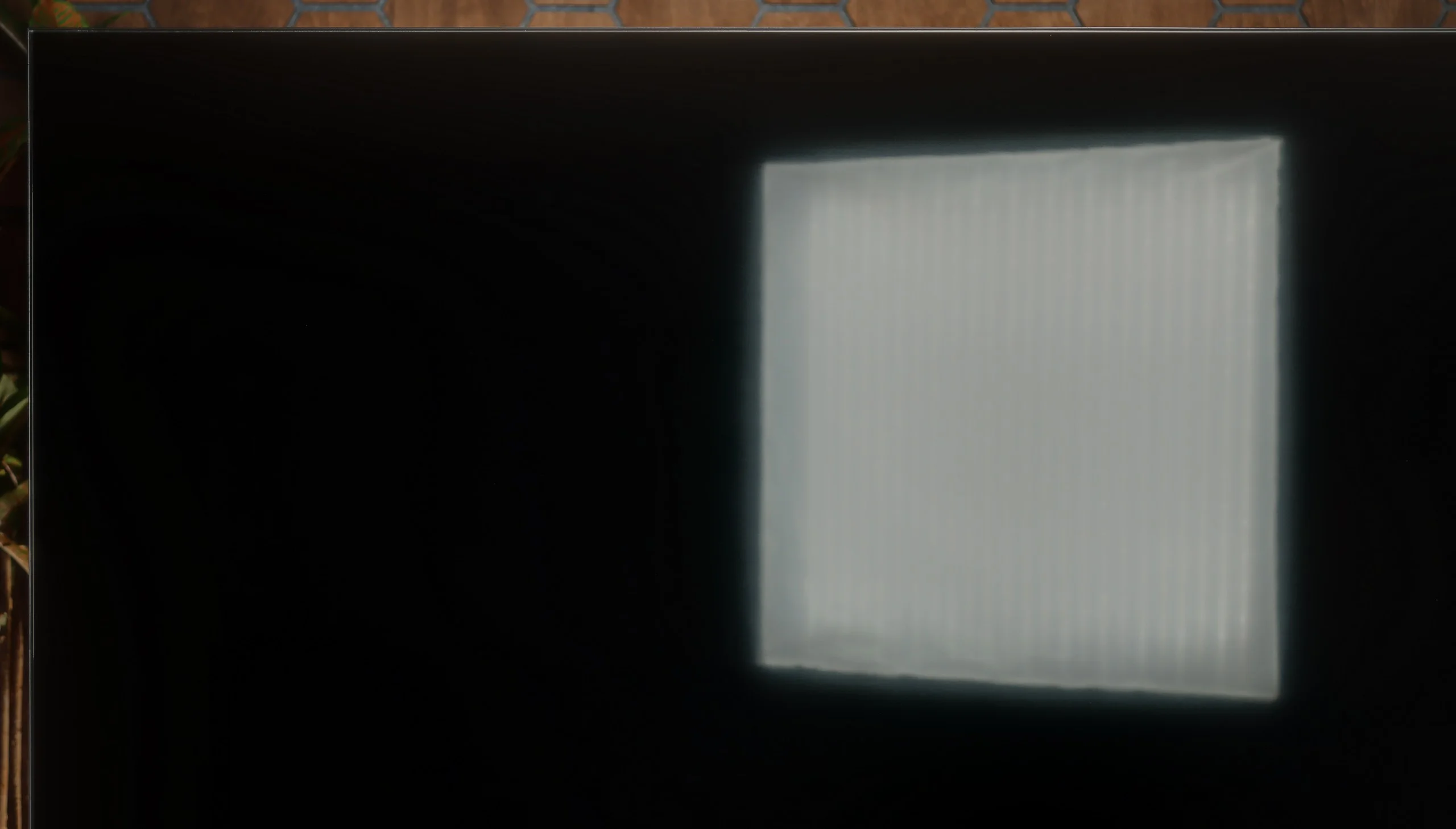
Halo effect and black detail visibility:

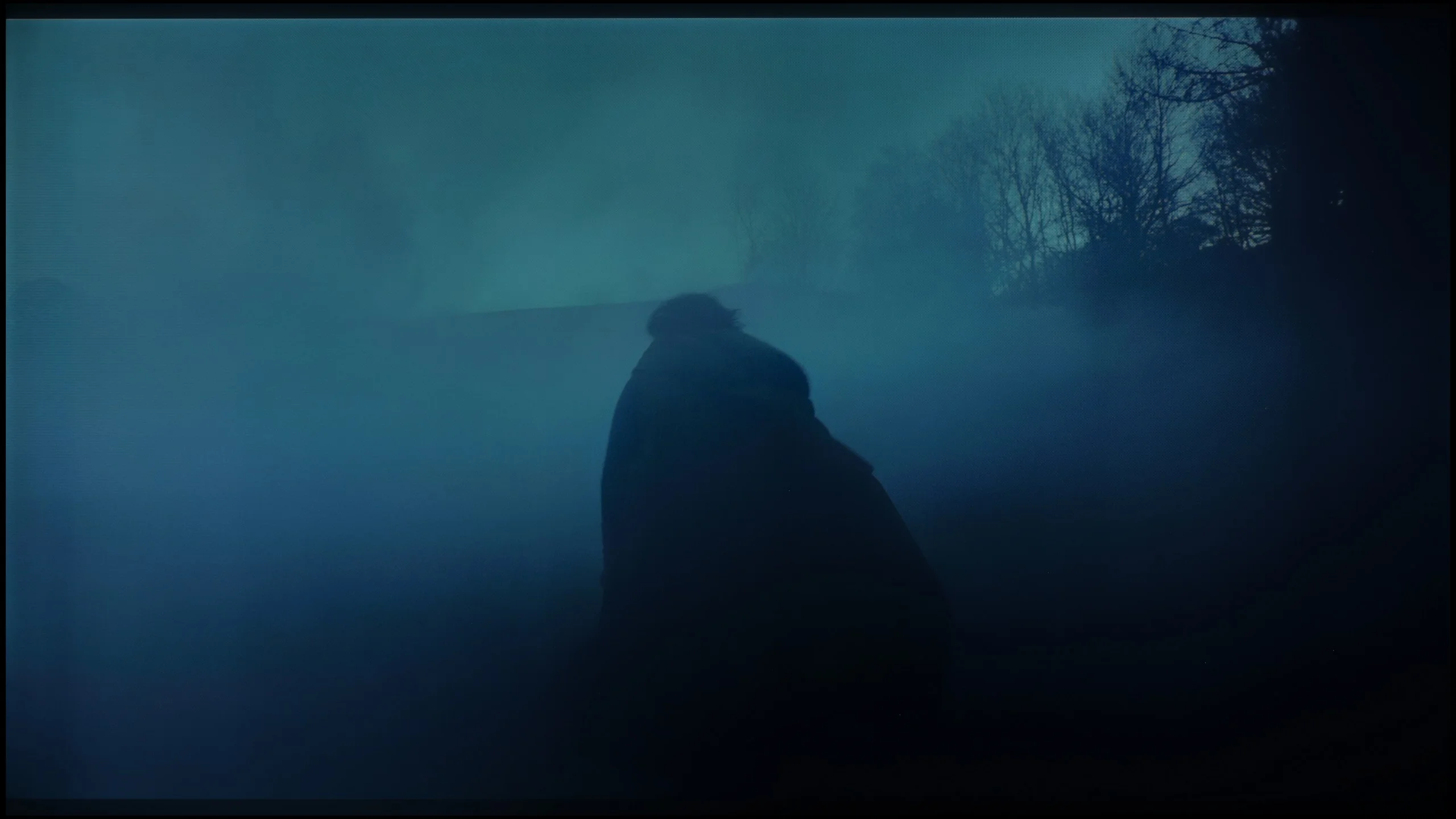
Check the visibility of bright lights on a dark background. Mini-LEDs often struggle with this. The photo does not compare black levels – that’s what the video below is for.

The video accurately shows differences in contrast and black levels between TVs, as well as potential issues: halo around bright objects or Mini-LED zone operation visible as brightness jumps.

The results of black and contrast tests in models ranging from 55 to 85 inches are very similar, which is why in the main part of the evaluation we refer to the 65-inch version. It is a natural phenomenon that larger sizes mean a greater number of local dimming zones, and in the case of 65 inches, we counted over 1000. The effect is very good – the contrast is at a high level and performs definitely better than in the smallest, 50-inch variant. Typical MiniLED limitations are still visible, such as the halo effect or slightly too aggressive dimming of the image, however, here they are less noticeable than in the smaller model.

For comparison, it is worth recalling that the 50-inch TCL C7K, despite surprising with the use of as many as 336 dimming zones, had difficulties managing the backlight in more complex scenes – overexposures or loss of detail occurred. In larger sizes, this problem does not completely disappear, but thanks to the greater number of zones, its impact on the perception of the image is less bothersome.

Black levels and contrast on the Philips PQS9000 are decent for an LCD TV without local dimming. That's mainly thanks to the VA panel; in our film scenes contrast often exceeded 5000:1, and in weaker results dropped to around 4000:1. That delivers an image with quite good depth and a clear advantage over typical IPS panels, where blacks are much more prone to looking grey. Unfortunately that's basically where the panel's strengths end. The TV has no local dimming, so it can't dim dark areas separately while retaining strong highlights elsewhere on the screen. All it has is global dimming, which brightens or dims the entire backlight at once. In a completely dark room these limitations become apparent: blacks take on a dark navy hue, and shadowy scenes lack the depth of a good screen with local dimming. Fortunately Ambilight helps here. The light on the wall makes the on-screen blacks appear deeper and slightly masks the panel's glow. That doesn't change the TV's actual contrast, but it affects how our eyes perceive it. In this case Ambilight is therefore not just decorative, as it can also make evening viewing more pleasant.

HDR effect quality

6.2/10

5.5/10

Supported formats
HDR10, HDR10+, Dolby Vision, Dolby Vision IQ, HLG
HDR10, HDR10+, Dolby Vision, HLG
Color gamut coverage
DCI P3: 94.0%, BT.2020: 73.5%
DCI P3: 94.5%, BT.2020: 75.5%

Luminance measurements in HDR:

Review TCL C7K / QM7K 55"-85" Brightness measurement

Result

1108 nit

Review TCL C7K / QM7K 55"-85" Brightness measurement

Result

405 nit

Review TCL C7K / QM7K 55"-85" Brightness measurement

Result

865 nit

Review TCL C7K / QM7K 55"-85" Brightness measurement

Result

290 nit

Review TCL C7K / QM7K 55"-85" Brightness measurement

Result

848 nit

Review Philips PQS9011 / PQS9001 (The One 2026) Brightness measurement

Result

449 nit

Review Philips PQS9011 / PQS9001 (The One 2026) Brightness measurement

Result

467 nit

Review Philips PQS9011 / PQS9001 (The One 2026) Brightness measurement

Result

487 nit

Review Philips PQS9011 / PQS9001 (The One 2026) Brightness measurement

Result

486 nit

Review Philips PQS9011 / PQS9001 (The One 2026) Brightness measurement

Result

507 nit

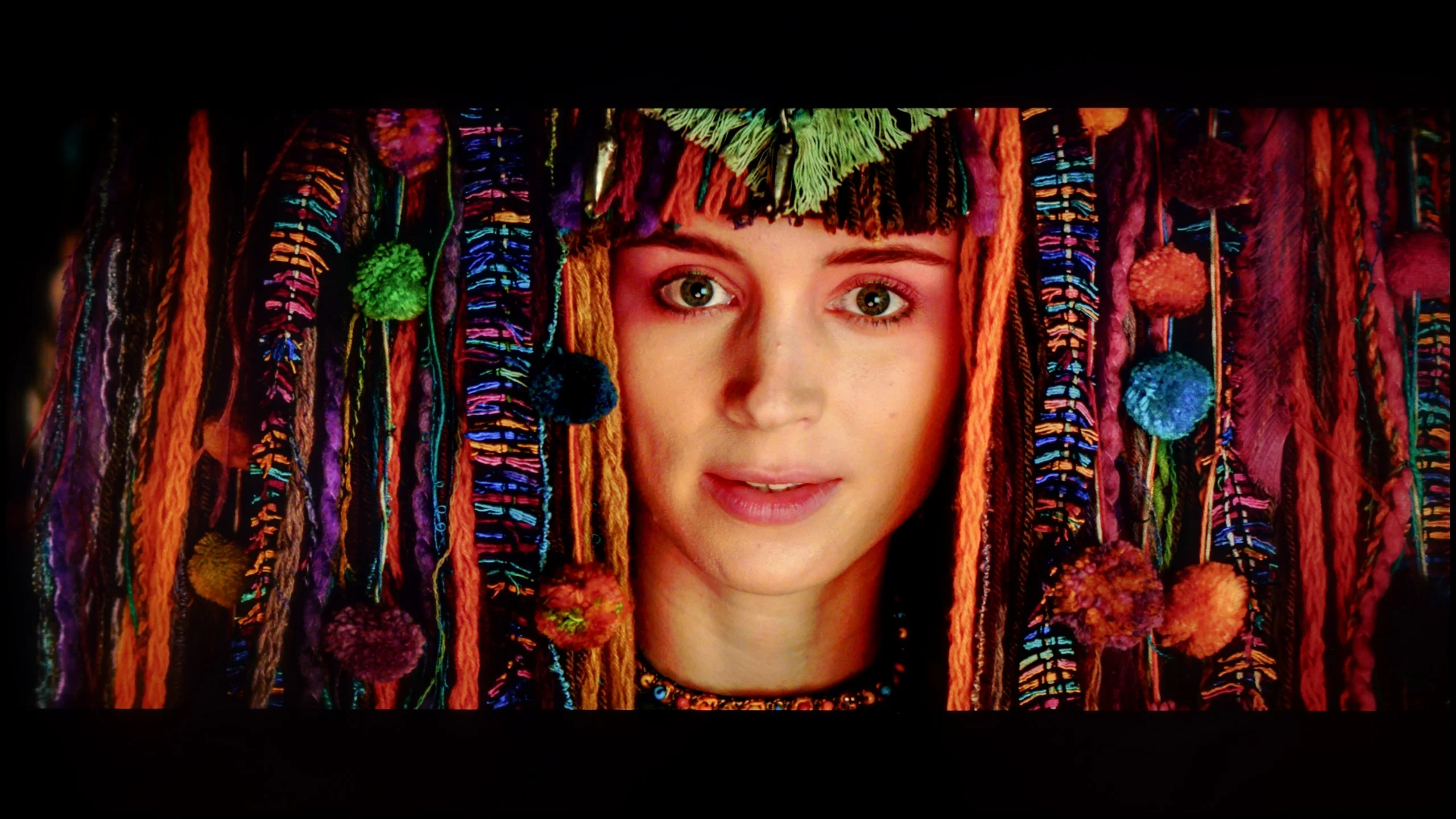
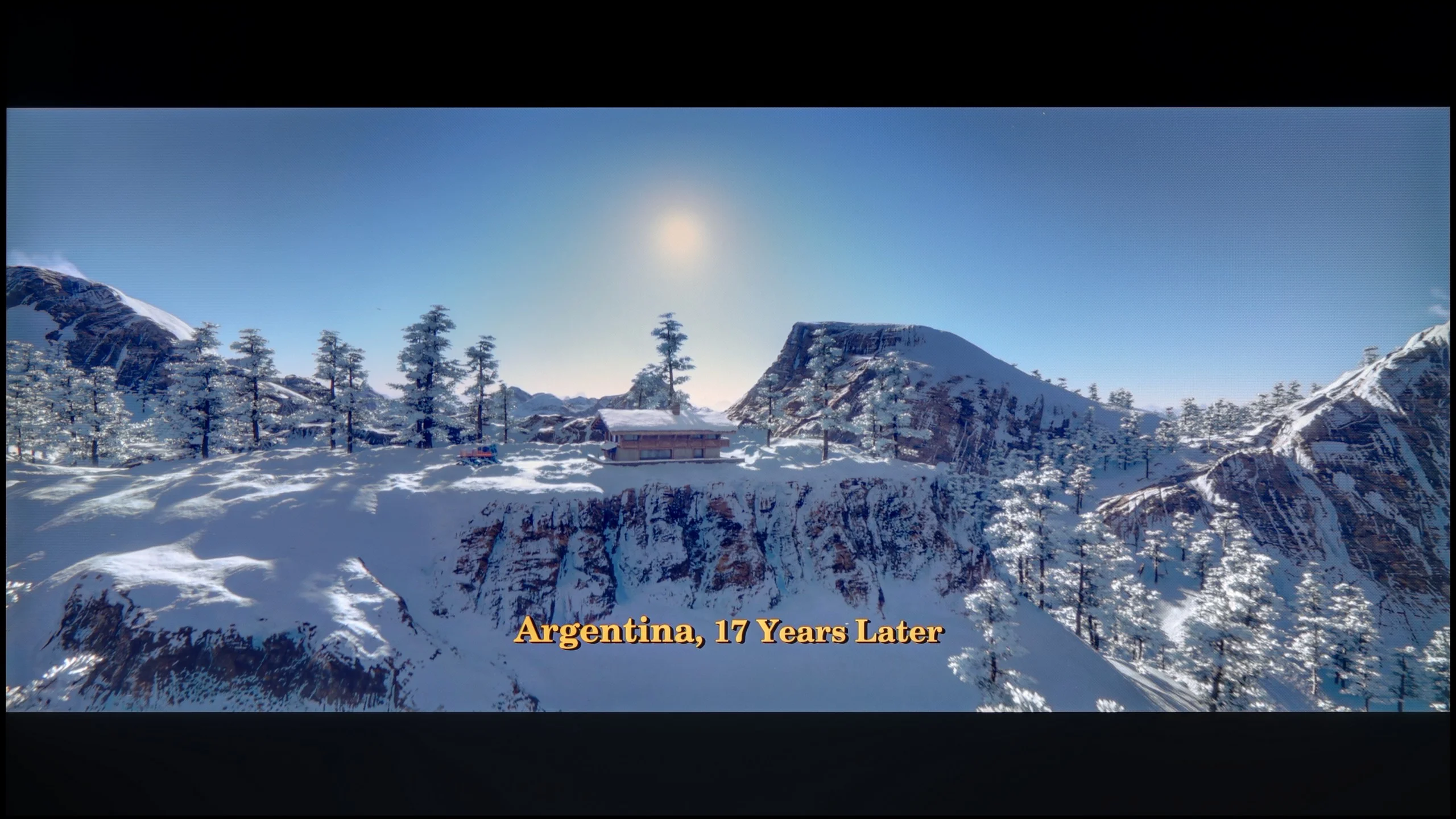
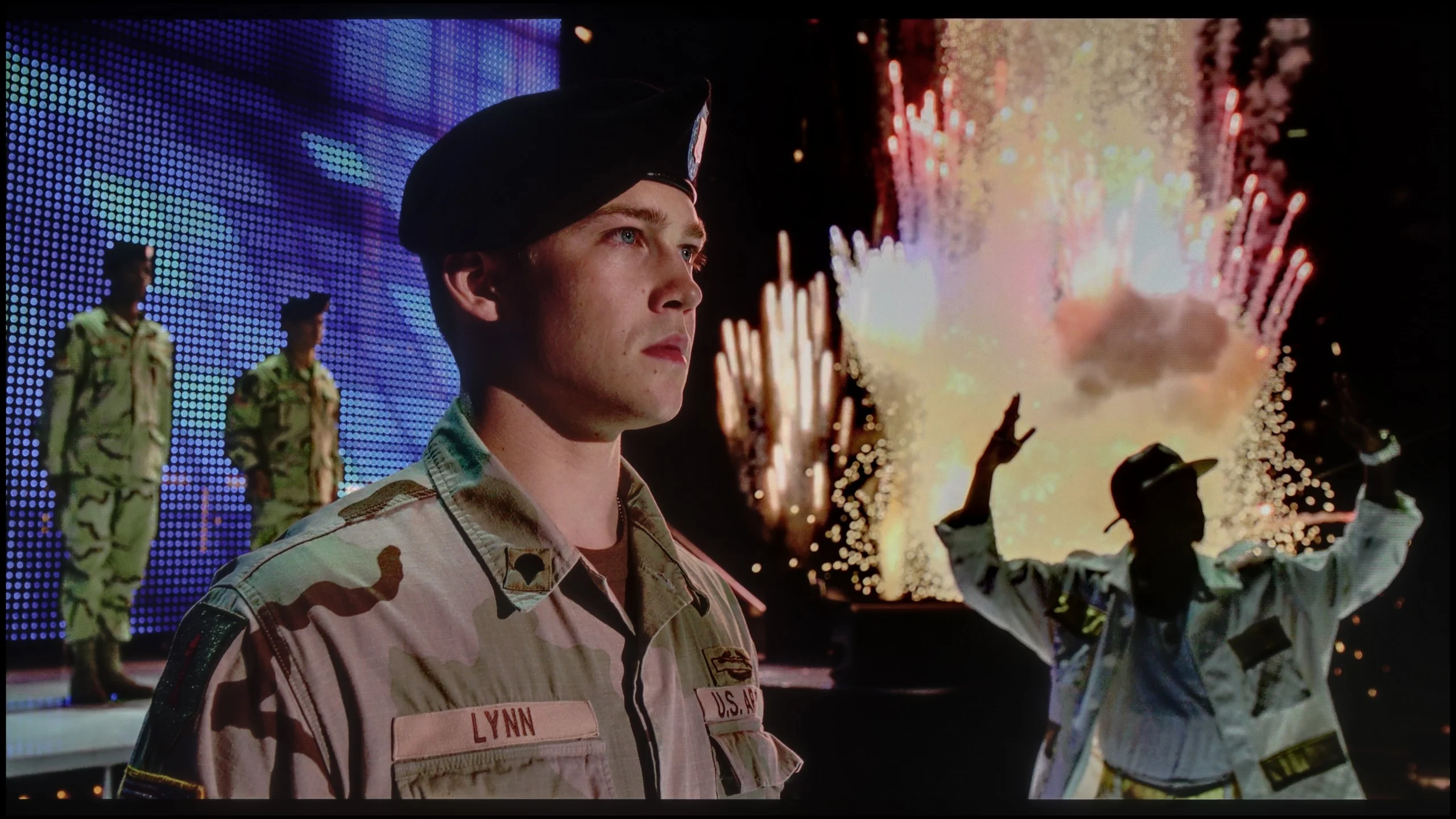
Scene from the movie “Pan” (about 2800 nits)

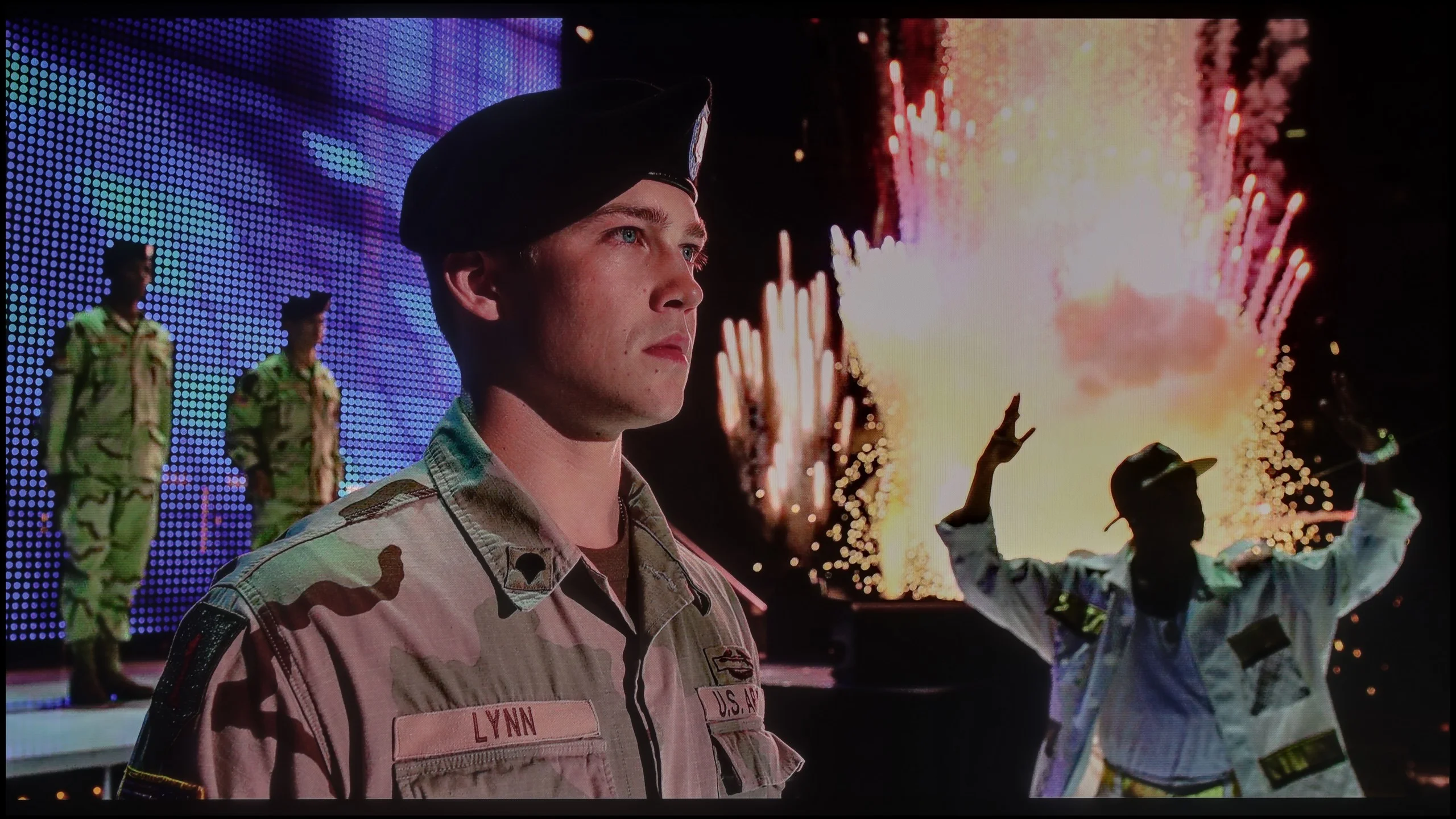
Scene from the movie “Billy Lynn” (about 1100 nits)

The photos show two HDR10 movies. 'Pan' is one of the brightest productions ever made, while 'Billy Lynn' (soldier) has brightness typical of streaming (Netflix, Prime, HBO MAX). Notice the intensity of effects and detail in whites.

Static HDR10

The photos present the visibility of white details in various HDR formats. They do not show brightness differences between TVs (these can be compared in the previous gallery).

Dynamic: Dolby Vision

Dynamic: Dolby Vision

The photos present the visibility of white details in various HDR formats. They do not show brightness differences between TVs (these can be compared in the previous gallery).

HDR luminance chart:

Philips PQS9011 / PQS9001 (The One 2026)

TCL C7K / QM7K 55"-85"

In terms of brightness, the models ranging from 55 to 85 inches in the C7K series are truly impressive. Under the best testing conditions, the 65-inch screen reached over 1200 nits, which in practice means that the brightest scenes can shine with almost cinematic brilliance. These are not just dry numbers from measurements – during viewings, the white skies, explosions or reflections of light on water looked extraordinarily striking, often giving the impression that the television exceeded its price class. This is particularly effective in scenes with large areas of brightness, where the screen is filled with intense light – such as in sunlit shots or during dynamic action sequences. Viewers seeking strong HDR will definitely be satisfied.

However, scenes that require precise control of the backlighting – with small points of light on a dark background – prove to be more challenging. Here, the C7K, despite having over a thousand zones, still dims the brightness to maintain deep blacks. The effect is that in films like Sicario 2 or Life of Pi, some details, like a distant lantern or single reflections, can be less distinct or blend into the surroundings. This is a compromise inherent in MiniLED technology – it provides excellent image depth and blacks at a level that ordinary LCDs do not offer, but this comes at the cost of limited visibility of the finest lights.

Philips PQS9000 is a moderately bright TV. In our HDR scenes it reached roughly 450 to just over 500 nits. That's enough to notice a difference compared with SDR. Reflections of the sun, lamps or flares have a bit more sparkle than on basic TVs, whose brightness often tops out around 300 nits. However, it is not a level at which bright elements make a particularly strong impression. The biggest limitation remains contrast. Without local dimming, when the TV brightens a bright object it also raises the black level around it. There is therefore no clear separation of strong highlights from a dark background, and it is that contrast that can show what HDR can do. The PQS9000 offers more than the cheapest models, but despite decent brightness the effect remains fairly basic.

Colours

Philips deserves praise for the colours. Although the manufacturer calls this model QLED, in reality a PFS phosphor is used here instead of quantum dots. That choice does not prevent the TV from achieving good results. On both test patterns and in measurements of film scenes we recorded about 94% coverage of DCI-P3 and 75% of BT.2020. For this class of TV that is really good. In practice this means that the vast majority of colours used in HDR films and series will have appropriate saturation. Vibrant green or intense red are not much of an issue and add appeal to the picture. Limitations are easier to notice in some games and in rarer content that use the most saturated shades of the wide BT.2020 gamut. In such situations, displays with wider colour coverage, such as SQD or RGB LED, can show more. In its price bracket, however, the PQS9000 has nothing to be ashamed of.

Factory color reproduction

6/10

5.1/10

This gallery shows how colors change after professional TV calibration. If you notice the difference, we recommend ordering this service at SkalibrujTV.com.

Factory Mode

After calibration

This gallery shows how colors change after professional TV calibration. If you notice the difference, we recommend ordering this service at SkalibrujTV.com.

Factory Mode

After calibration

A new feature in TCL televisions for 2025 is the long-awaited Filmmaker mode, which until now could be found in most competing brands. This is great news, as this mode is considered the one that most accurately represents the original vision of the creators and is often recommended by enthusiasts of good picture quality. Unfortunately – as is often the case – the mere presence of it does not guarantee perfection. The Filmmaker mode in the TCL C7K is not without its flaws. One can point out the incorrect white balance, particularly the slight dominance of blue, which resulted in cool, somewhat greyish skin tones. But that was not the biggest issue. The main complaint was excessive brightness exposure, which was clearly visible on gamma and EOTF charts. The image was simply too bright, at times even overexposed, which affected not only the texture of the scenes but also the overall viewing experience. Some details were simply lost, and the entire image looked like someone had slightly overdone the brightness slider. As always, we decided to see what could be squeezed out of it after calibration. And that’s where it started to get really interesting…

Unfortunately, the factory picture settings for Film mode on the PQS9000 need refinement. In SDR the most noticeable problem is an excess of red in the white balance, which makes whites, greys and skin tones too warm, sometimes even slightly pinkish. On top of that the gamma runs below the reference across most of the range. The TV therefore brightens midtones and highlights, making the overall image look flatter than it should.

In HDR the white balance itself is much better. Apart from minor deviations the RGB components track closely, so there is no pronounced colour cast as in SDR. However, the EOTF curve shows a slight brightening of parts of the image, and the biggest issue appears in measurements of the wide colour gamut. Many hues deviate significantly from the target, with errors reaching levels of 8–9. The good gamut coverage we praised earlier therefore does not mean the TV hits specific colours equally well. It can display a wide colour range, but out of the box it does not use it very precisely.

Color reproduction after calibration

7.5/10

7.7/10

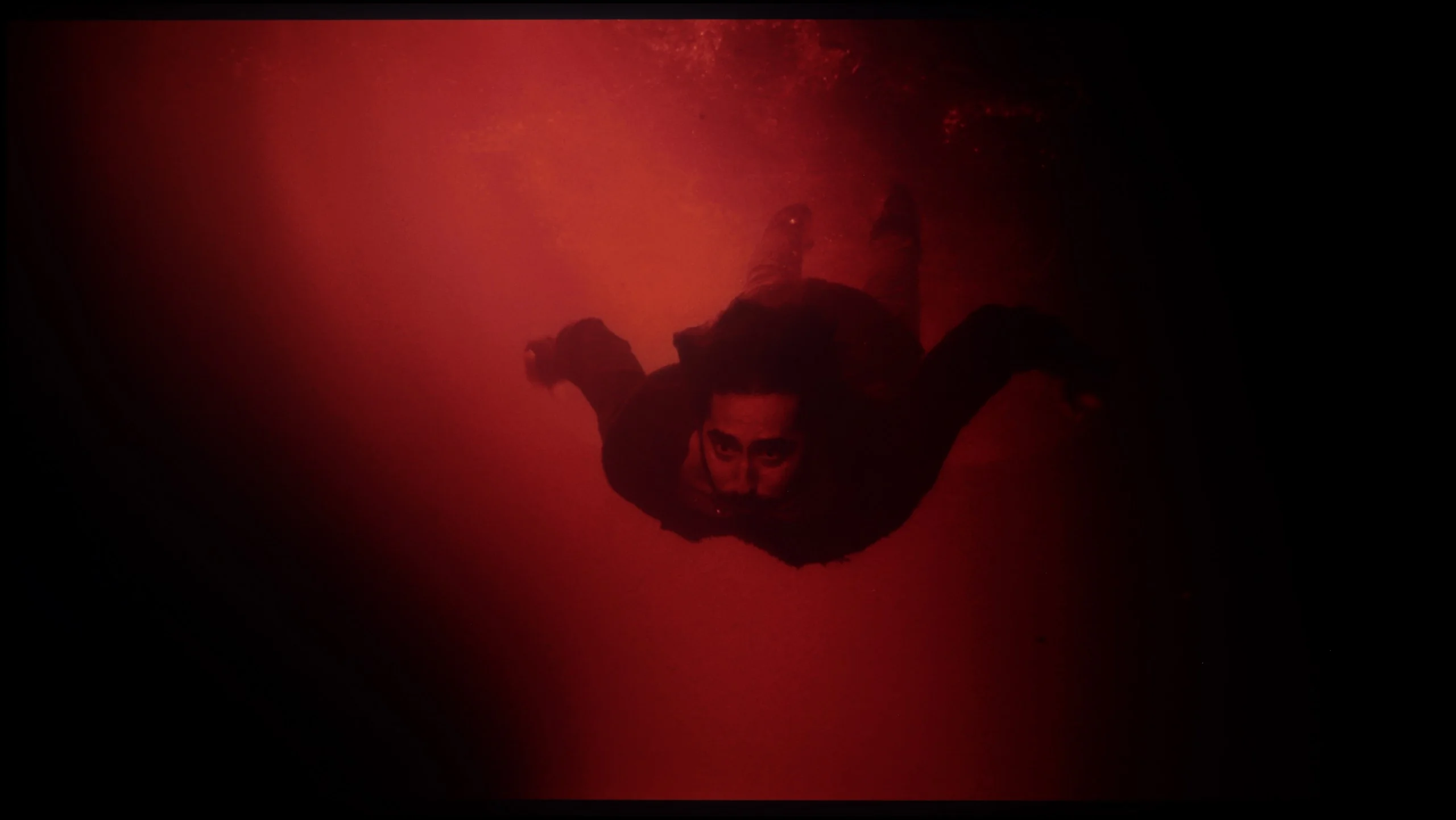
The photos show how movies look on the TV. Pay attention to black detail visibility, colors, and shadow tint.

The photos show how movies look on the TV. Pay attention to black detail visibility, colors, and shadow tint.

After calibration, the TCL C7K presented itself in a really good light, especially when it comes to SDR content. We managed to precisely tune the white balance, colour gamut, and brightness characteristics so that the colour errors on the ColorChecker palette fell below a value of 2. For the uninitiated – this is nearly a perfect result, indicating that the image closely resembles what the creators intended. Unfortunately, it looked worse with 4K HDR content. While we slightly managed to calm the white balance and correct its previous errors, it still shows that the TV has some “MiniLED traits”, particularly in brightness management. When we checked how the C7K copes with the EOTF curve on real film scenes, rather than just synthetic test patterns, it turned out that the screen still tends to slightly brighten the entire image. This affects the overall impression – the black loses some depth, and the image becomes less contrasty than it should be. Despite these minor shortcomings in HDR content, the overall reception of materials – especially in SDR – is truly very good. After calibration, the C7K is capable of displaying an image that can successfully compete with much more expensive models. Good colour tuning, natural skin tones, and pleasant brightness ensure that movie sessions and everyday content viewing are more than satisfactory.

Calibration brought a significant improvement, especially in SDR material. We managed to even out the white balance and remove the previous colour cast, and the Color Checker measurements now look really very good. Colours are much closer to what should be on screen, so with ordinary TV or SDR films we can be satisfied with the outcome. Unfortunately HDR somewhat spoils that result. On the one hand it is limited by the panel itself, because calibration won't improve contrast or replace local dimming. On the other hand there remain colour errors that we couldn't correct because the CMS settings, that is the colour management controls, were greyed out and inactive. That costs Philips points with us. The white balance can be fine‑tuned, but without access to wide‑gamut adjustments it's not possible to order HDR colours equally well. It's a shame, because the SDR results show the potential is there, but we weren't allowed to make full use of it everywhere.

Smoothness of tonal transitions

8.6/10

8.6/10

These are selected scenes that show smooth tonal transitions from one color to another. If you see distinct banding, it’s the TV panel’s fault.

These are selected scenes that show smooth tonal transitions from one color to another. If you see distinct banding, it’s the TV panel’s fault.

These are selected scenes that show smooth tonal transitions from one color to another. If you see distinct banding, it’s the TV panel’s fault.

These are selected scenes that show smooth tonal transitions from one color to another. If you see distinct banding, it’s the TV panel’s fault.

TCL C7K performs very well with colour gradation – in most of the tested scenes, the tonal transitions were smooth, and the colours blended together without visible outlines or the artificial effect of “blobs”. In everyday use, it is difficult to find fault with anything – the picture looks natural, without irritating transitions or digital artefacts. Certain limitations only appear in very dark tones – particularly in a heavily muted grey palette, where the television may struggle to reproduce an ideal gradation. But this is absolutely understandable, as even many significantly more expensive models in this range simply falter. Fortunately, these situations are rare and do not significantly affect the overall impression.

The Philips PQS9000 handles tonal transitions very well. This is especially evident in dark scenes, where shades flow smoothly into one another without visible banding or distinct boundaries between colours. As a result, even on large, uniform areas the image looks smooth. Minor imperfections only appear in lighter tones, but you have to look closely to notice them. During normal viewing they are unlikely to distract from the film. In this category Philips performs really well.

Image scaling and smoothness of tonal transitions

5.5/10

7/10

Image without overscan on the SD signal
OK
OK
Smooth transition function
OK
OK

Smooth transition function

The match photo shows how the TV smooths weak tonal transitions in low-quality video.

Image scaling SD (576i)

The model photo shows how it handles upscaling of SD material.

The TCL C7K features a function that, according to the manufacturer, is designed to smooth out unwanted colour transitions – a sort of rescue for less successful tonal shifts. It's called "Gradual Smoothing" and... well, it sounds ambitious, but in practice, it works very poorly. Regardless of whether we set it to low or high, the difference is minimal. What's worse, the function can cut out elements from the image that should remain. Fortunately, the film grain remains untouched, so at least it doesn't smooth everything indiscriminately, but still – it's better to simply turn this option off.

When it comes to scaling lower resolution content, it’s much better. SD and HD materials look quite decent, although at times we had the impression that the image was losing sharpness and becoming too soft – as if something was detracting from its clarity. Fortunately, with very low sources (e.g. 576p), there was no overscan effect, meaning the image was not artificially cropped – everything fit on the screen as it should.

Digital picture processing in the Philips PQS9000 performs well, though we have a few reservations. The "Distortion Reduction" function helps to smooth tonal transitions in lower-quality material, but it works rather unevenly. It can improve one part of the image, only to seem to lose its effect a moment later, still in the same scene, and show banding between shades again. A plus is that it doesn't remove film grain or fine noise, so the image retains its texture. We found the 'Medium' setting worked best and we recommend it. The upscaling to 4K itself is acceptable, although the image is very soft. Edges are heavily smoothed, which may leave some viewers feeling the picture lacks definition. In that case, it's worth slightly increasing the sharpness in the TV's menu, as this will make edges appear more defined. However, don't overdo the sharpening slider, otherwise artificial halos may appear instead of an improvement.

Blur and motion smoothness

8.1/10

8.1/10

Maximum refresh rate of the panel
144Hz
144Hz
Film motion smoothing option
OK
OK
Blur reduction option
OK
OK
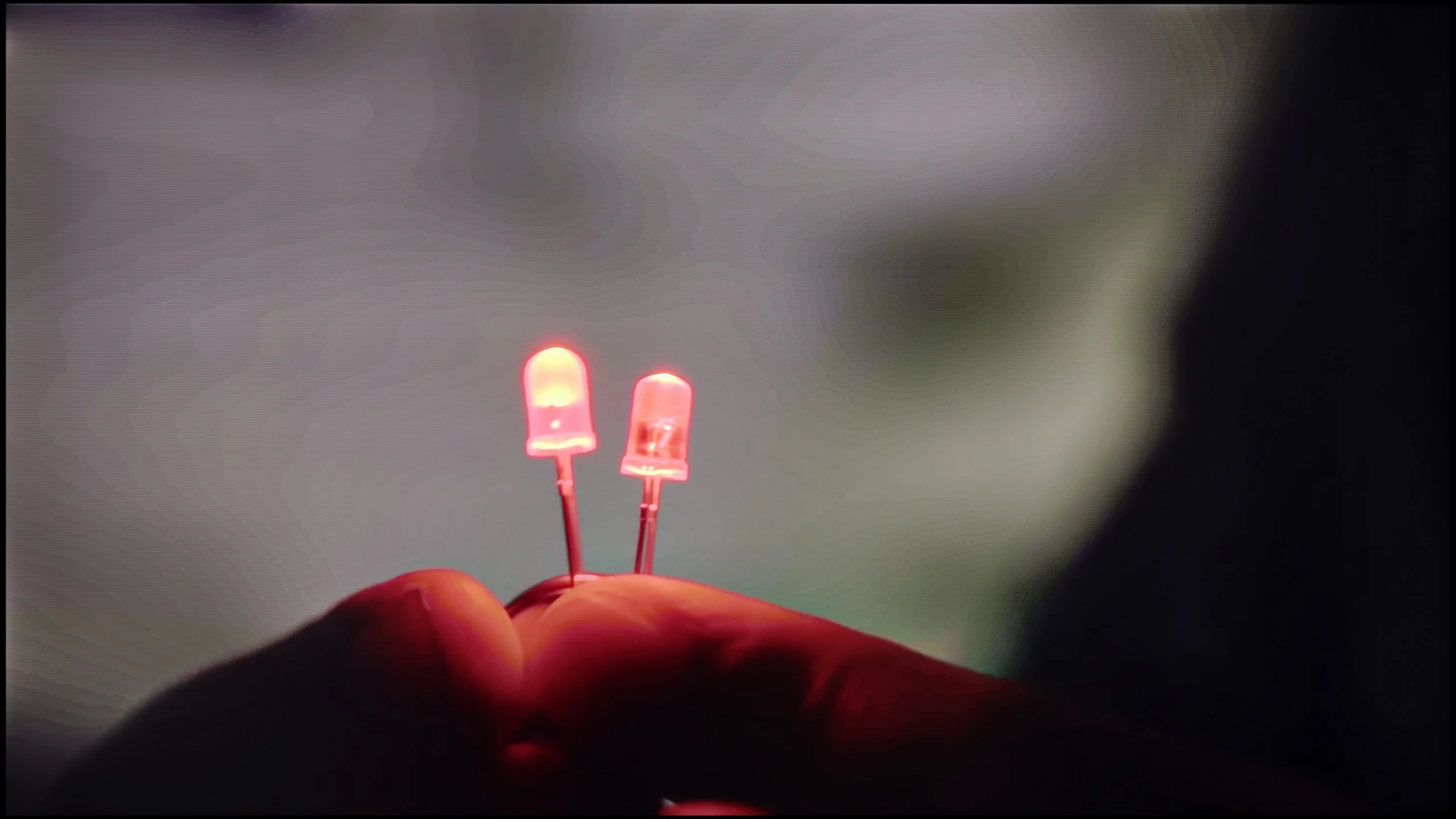
BFI function 60Hz
Yes, 120Hz (double contours)
No
BFI function 120Hz
Yes, 120Hz
No
Brightness drop with BFI
31%
0%

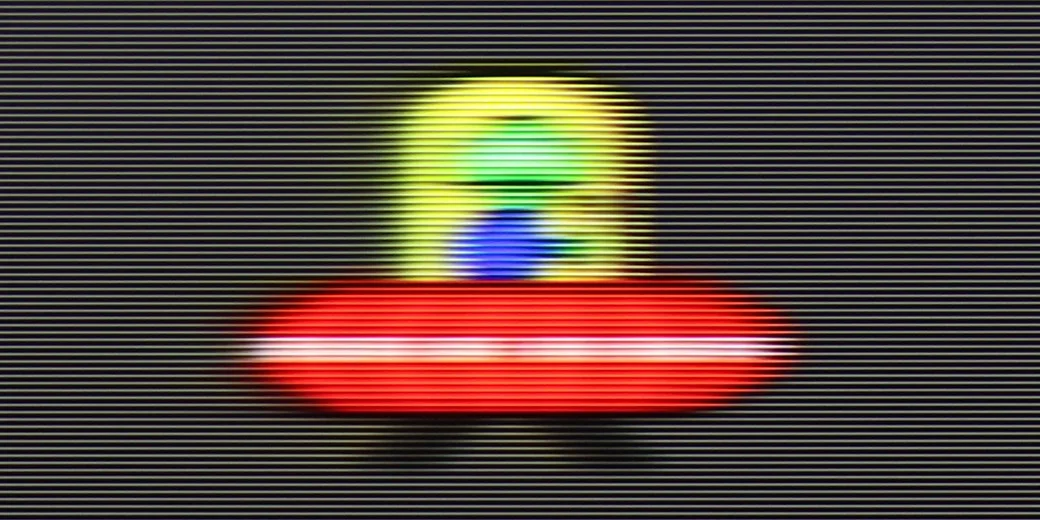
Blur (native resolution, maximum refresh rate):

Blur (BFI function enabled):

Blur (4K@144Hz):

Blur (1080p@240Hz):

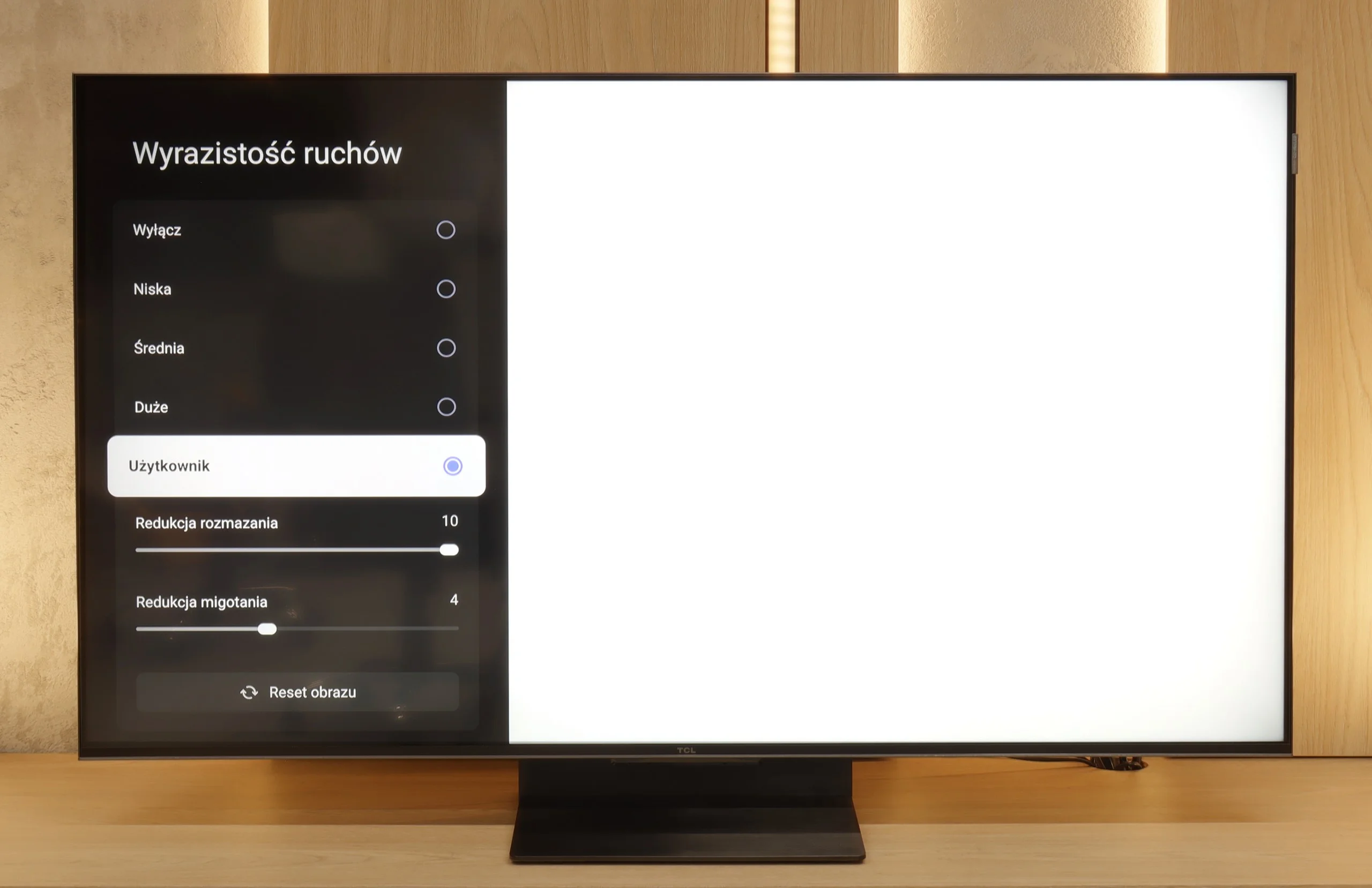
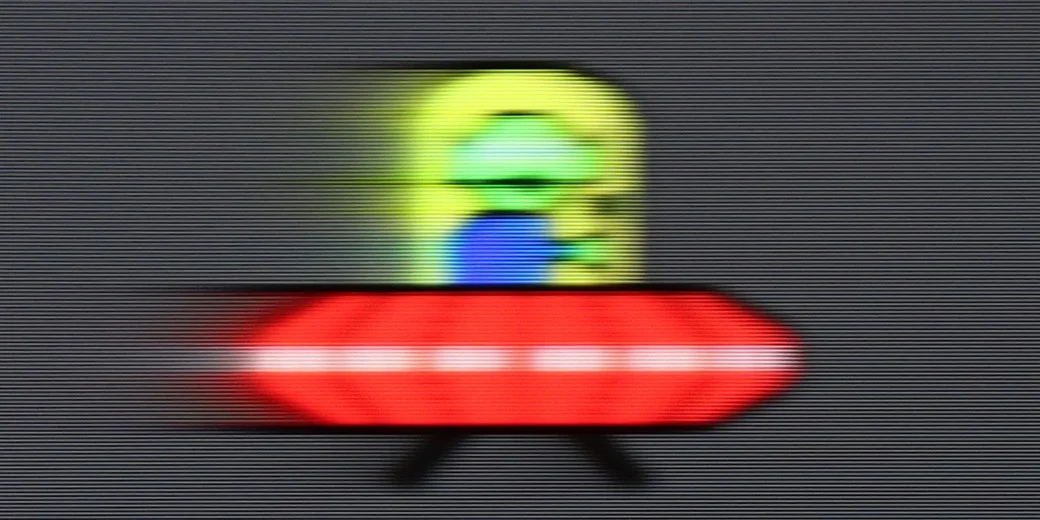
The TCL C7K handles motion smoothness really very well. The matrix used in it offers a refresh rate of 144 Hz, which in itself suggests that this television is something more than a regular "60 Hz" panel. What's more – if we connect the C7K to a computer and set the resolution to Full HD. But we will write more about this in the section for gamers and cooperation with PCs. Returning to everyday use – both sports and films look very good here. Thanks to the fast panel and well-functioning motion smoother, the C7K is great for watching matches, as well as for film screenings. In the menu, we find two sliders – blur reduction and flicker reduction – which allow you to adjust the smoothness effect to your own preferences. At lower settings, we get a more cinematic effect, with a slight choppy motion. At higher settings – the image becomes more theatrical, overly smooth. Everyone can set it to their liking.

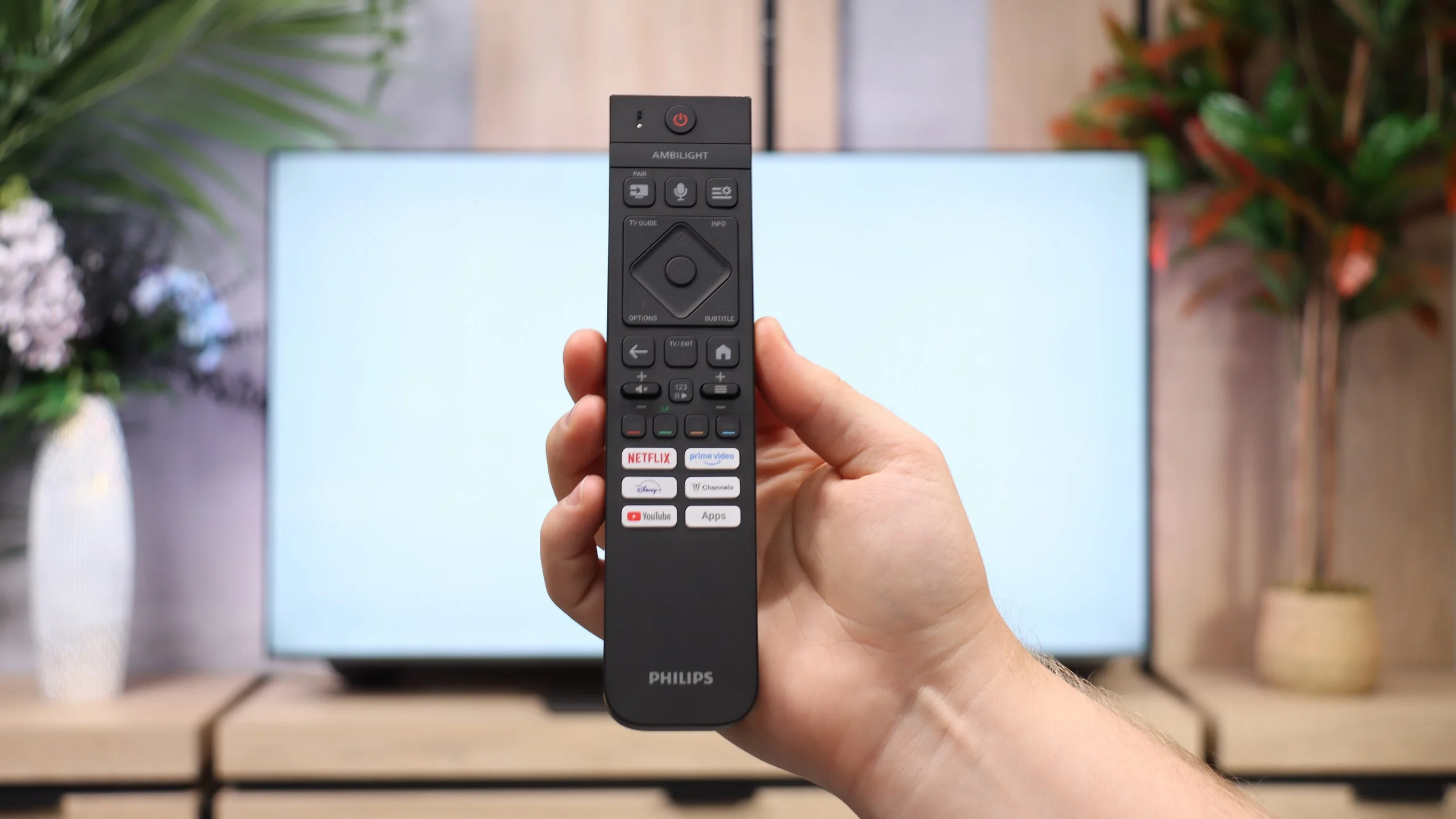
In terms of motion handling the Philips PQS9000 performs exceptionally well for an LCD TV. It's not just the 144 Hz refresh rate, but above all how quickly the panel itself responds. At 120 Hz there are virtually no typical trailing smears behind moving objects. What is particularly pleasing is that this also applies to darker scenes, where many VA panels clearly struggle. Here motion remains clear and, in this respect, Philips pleasantly surprised us.

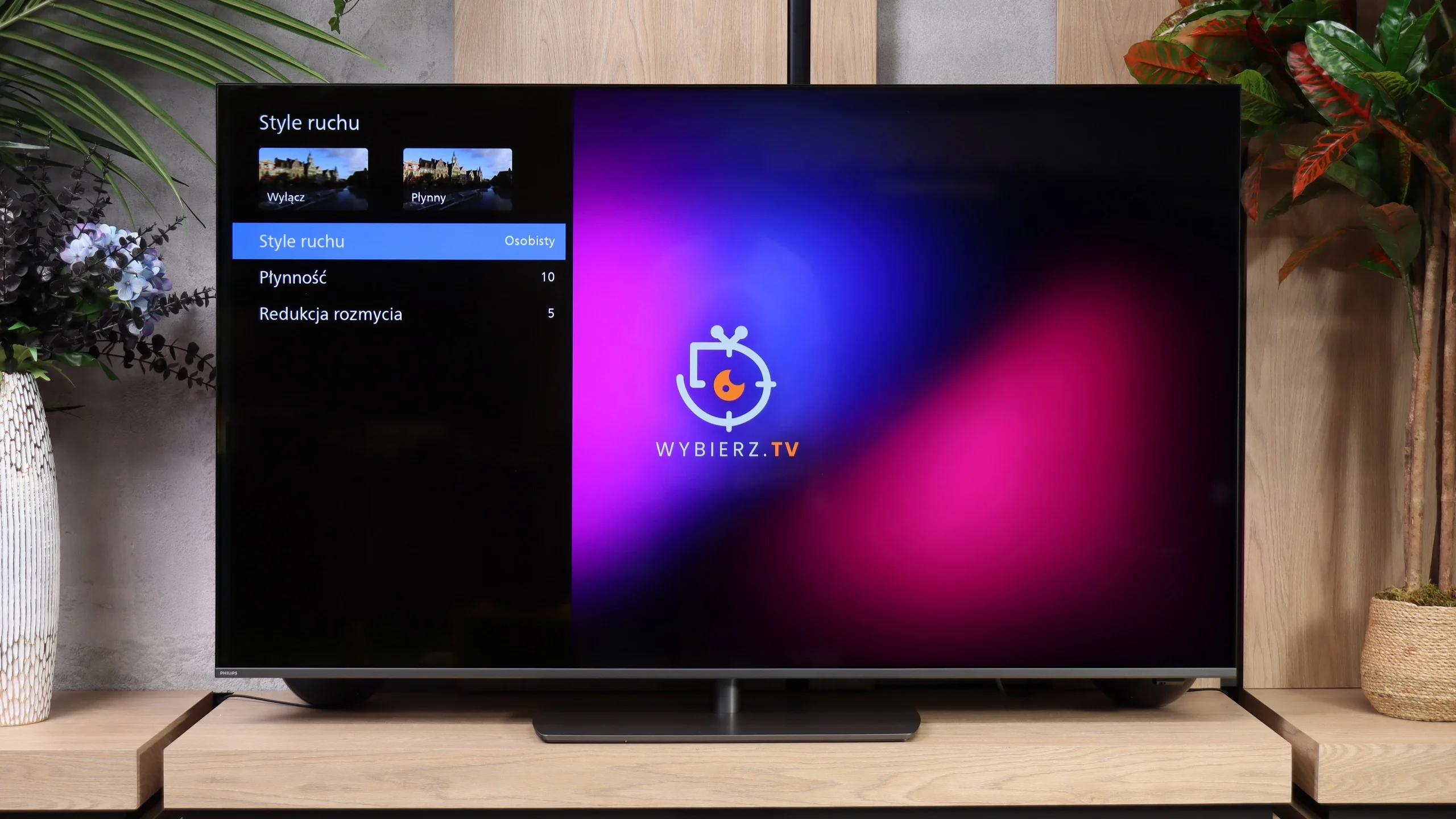
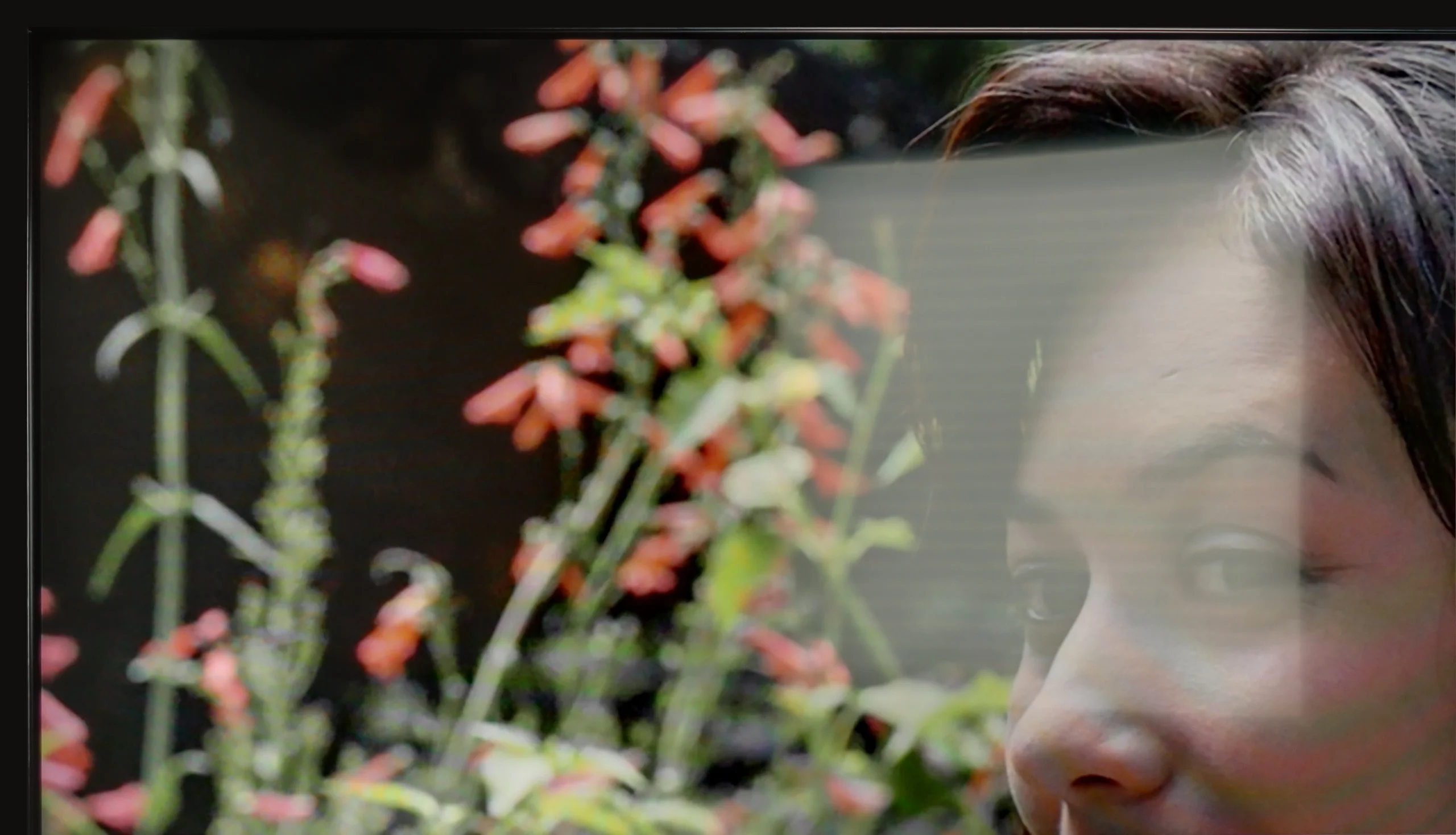
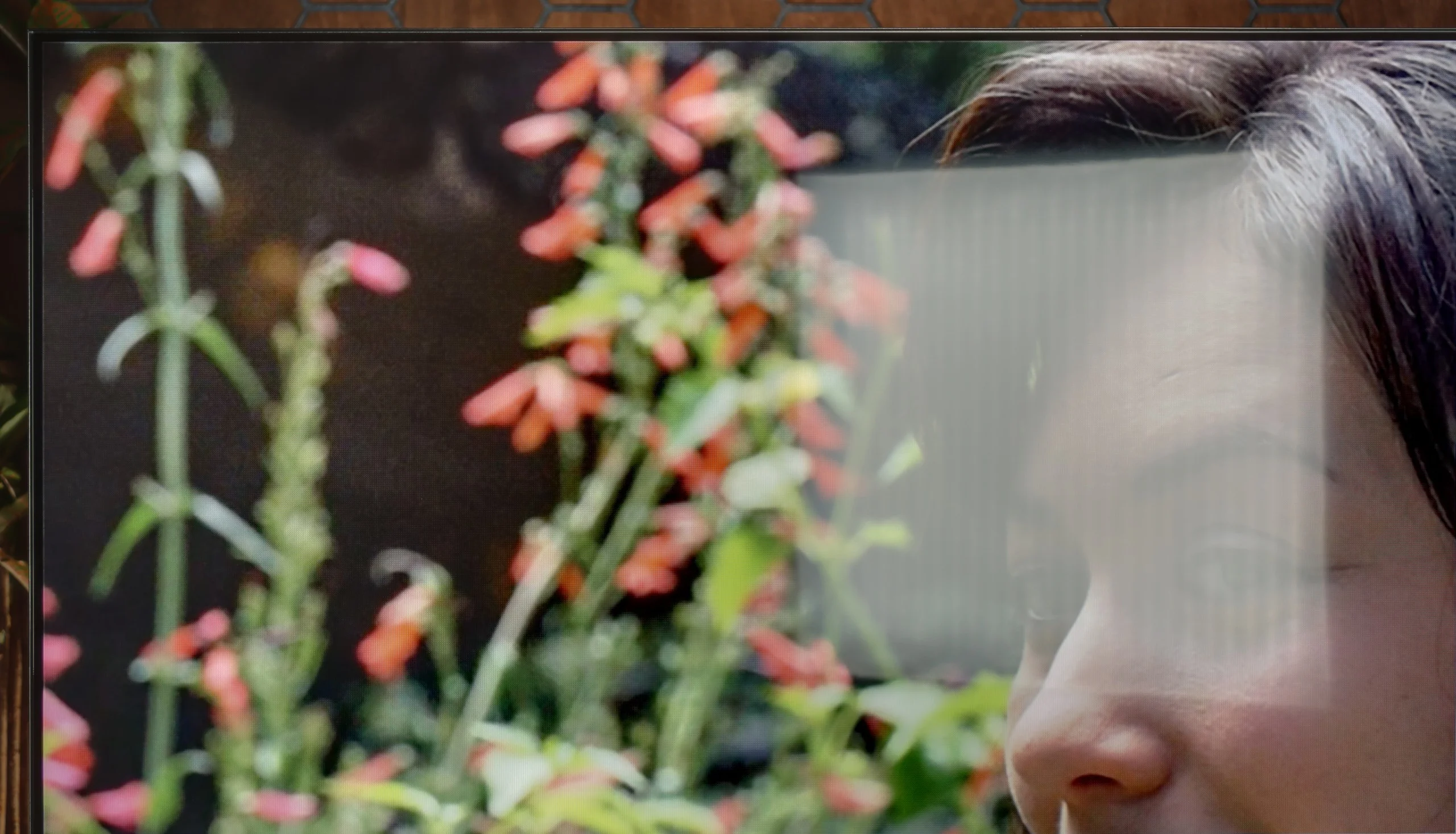
The "Motion Styles" feature lets you adjust how motion is displayed. It includes two sliders: "Smoothness" and "Blur Reduction", allowing you to tailor the effect to the content you're watching and your own preferences. Our suggested settings are shown in the photo. Treat them as a starting point and try to find the level of smoothing that suits you best.

Console compatibility and gaming features

9.8/10

9.5/10

  • ALLM
    Yes
    Yes
  • VRR
    Yes
    Yes
  • VRR range
    48 - 240Hz
    48 - 240Hz
  • Dolby Vision Game Mode
    Yes
    Warning Yes, high input lag
  • Correct implementation of HGIG
    Yes
    Yes
  • 1080p@120Hz
    Yes
    Yes
  • 1440p@120Hz
    Yes
    Yes
  • 4K@120Hz
    Yes
    Yes
  • Game bar
    Yes
    Yes

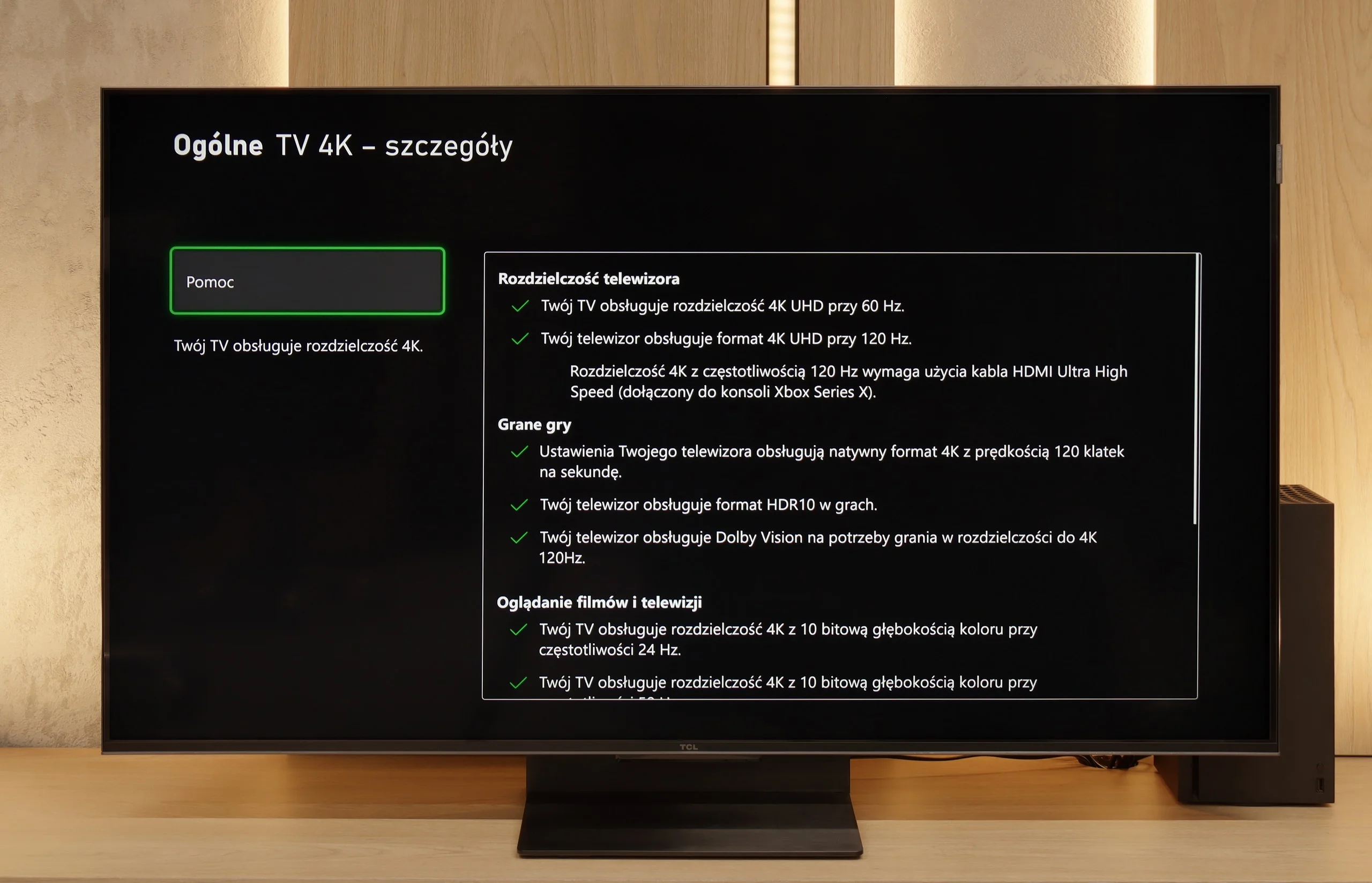
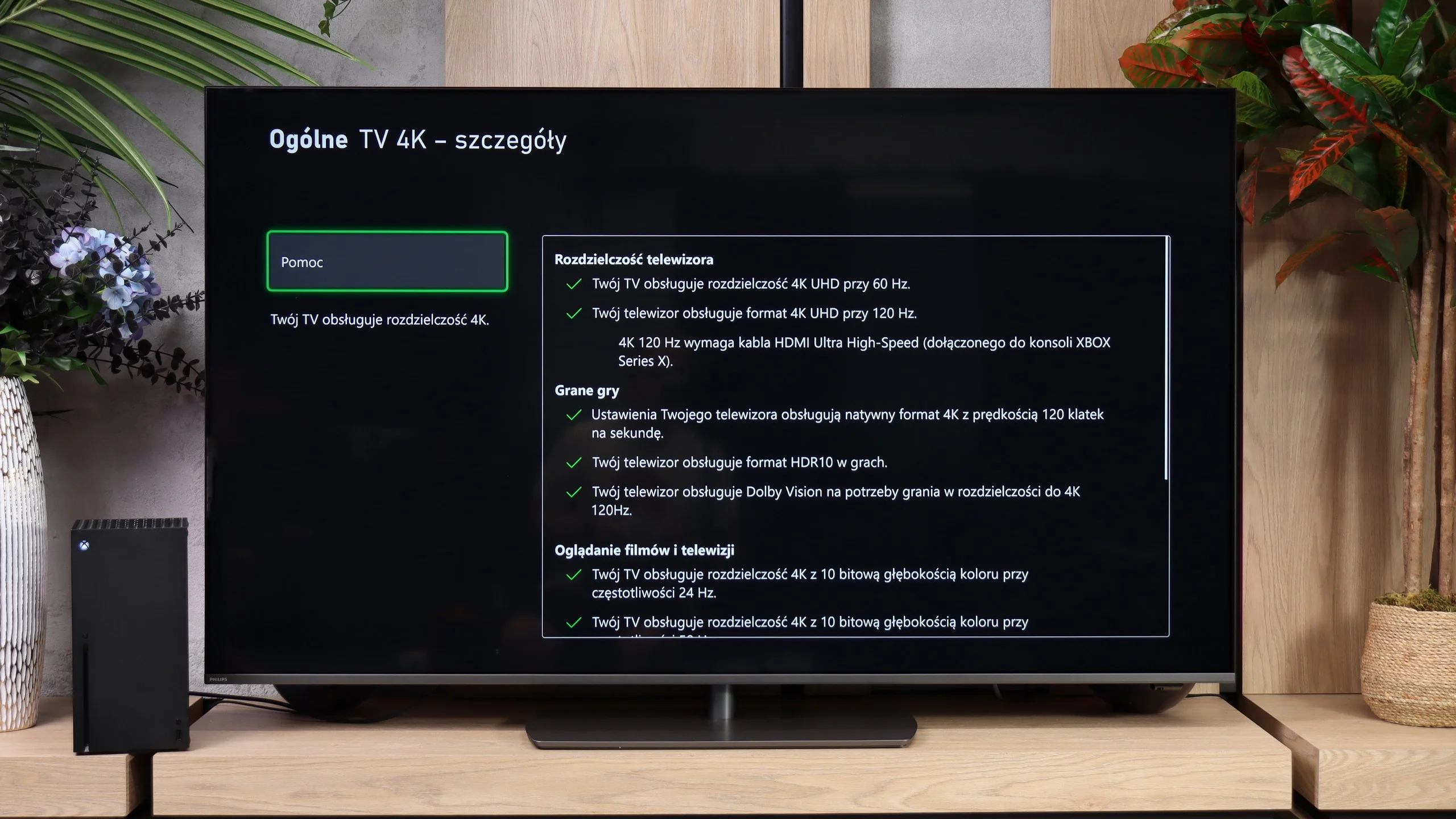
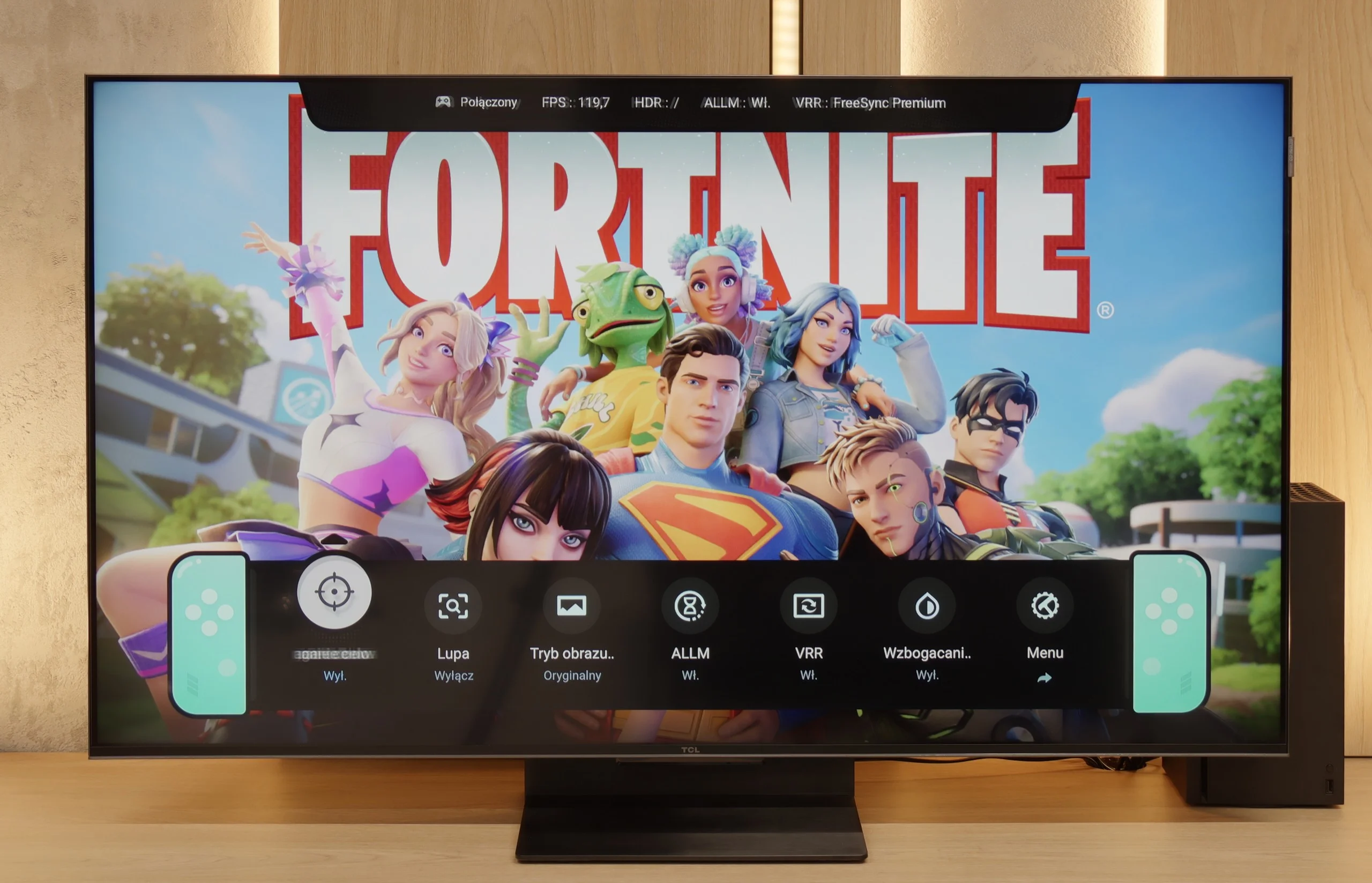
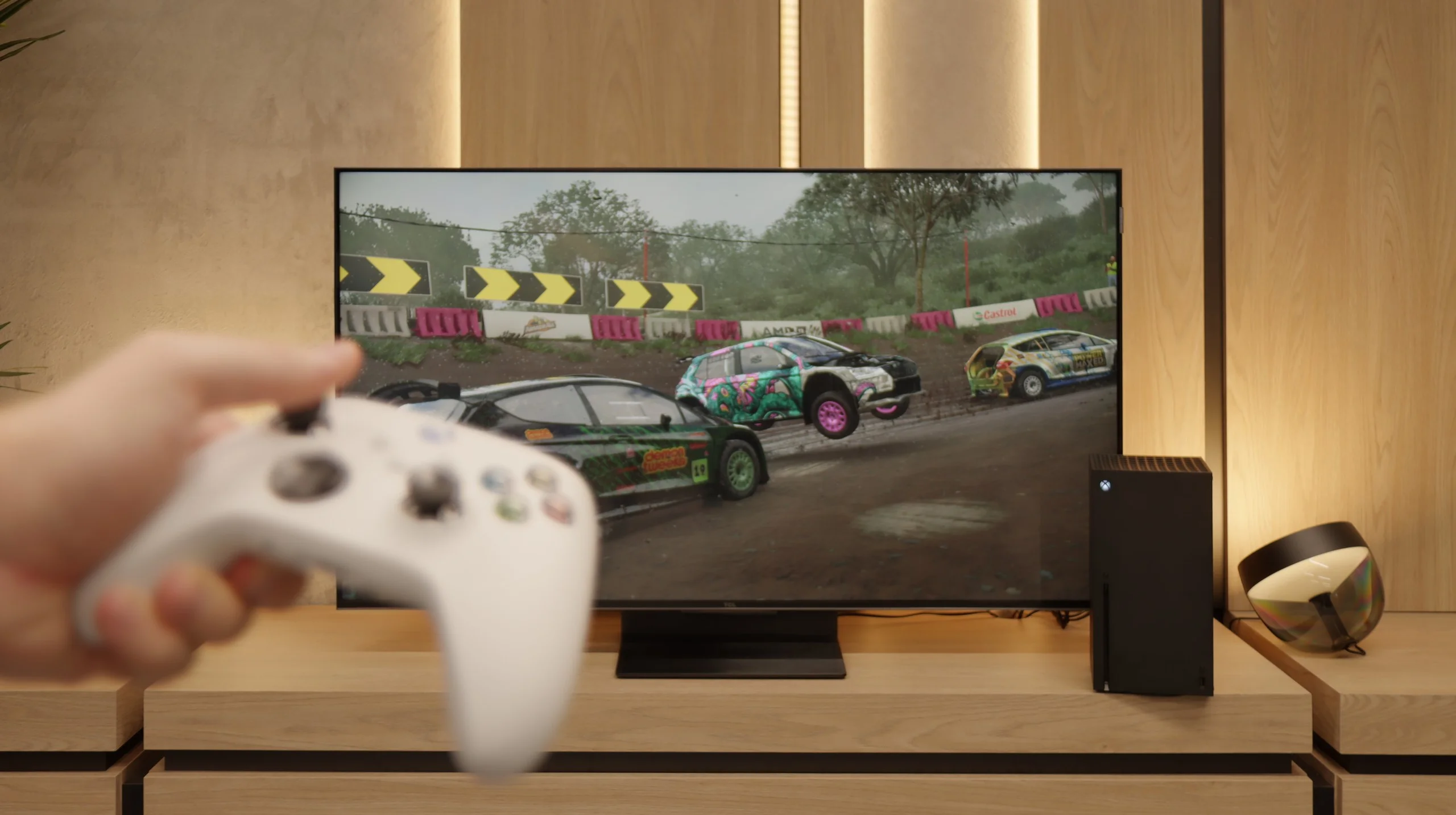
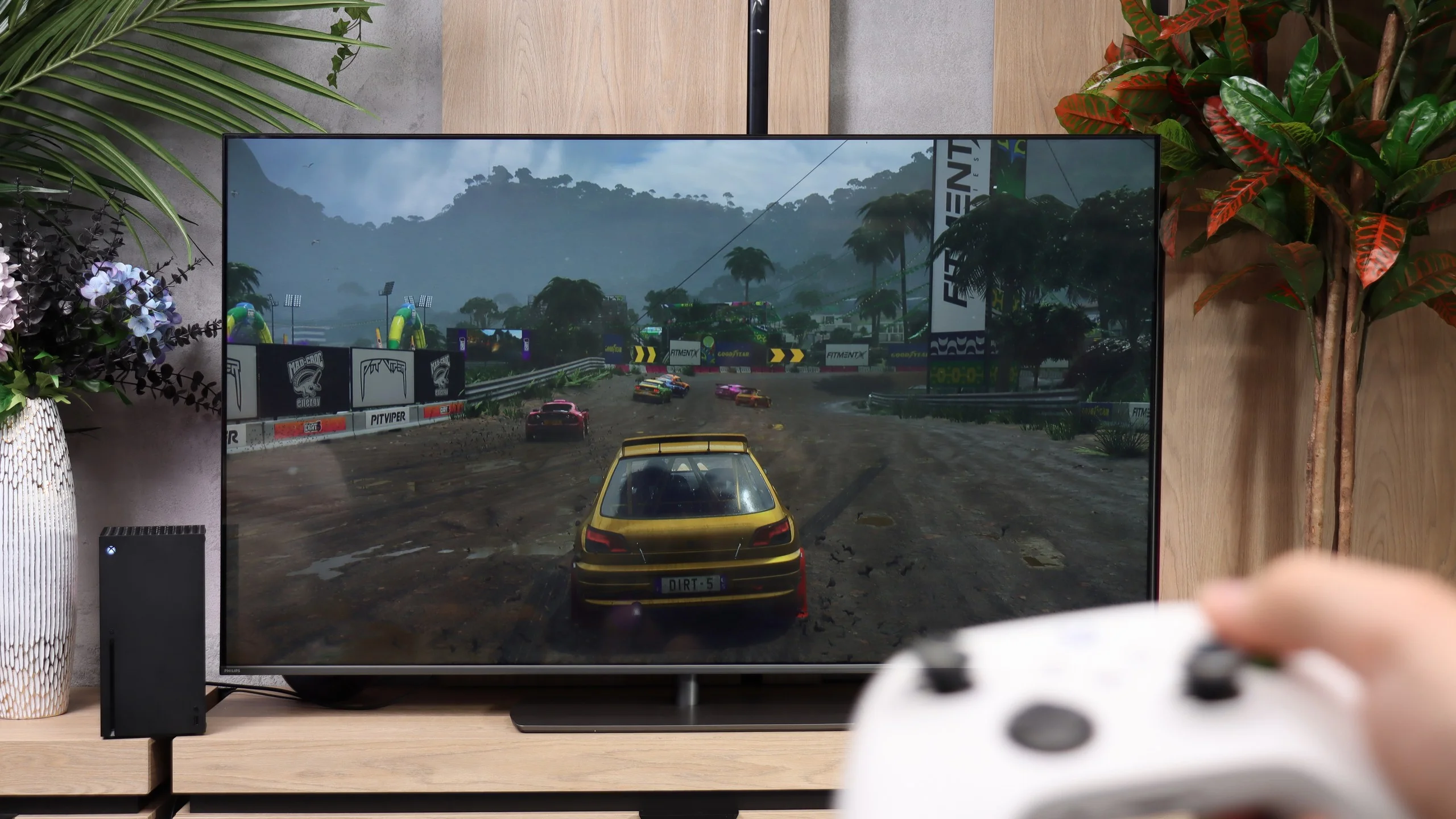
The TCL C7K is a television that on paper appears to be the dream equipment for gamers – and most importantly, it also holds up in practice. To start with the good news: there are two full-bandwidth HDMI 2.1 ports, so we can easily connect both a console and a computer, making full use of their capabilities. The panel itself supports a refresh rate of 144 Hz, which provides a significant advantage in fast-paced games. Additionally, it comes with a complete set of gaming features: VRR (Variable Refresh Rate), ALLM (Auto Low Latency Mode), and support for Dolby Vision in games. There is also an HGiG mode that allows for an HDR effect in line with the creators' intentions. GameBar, which is an information bar for gamers. It works quickly, looks clear (like a Nintendo console👌), and shows the most important information: the current frame rate, VRR status, and even HDR parameters.

Gaming features

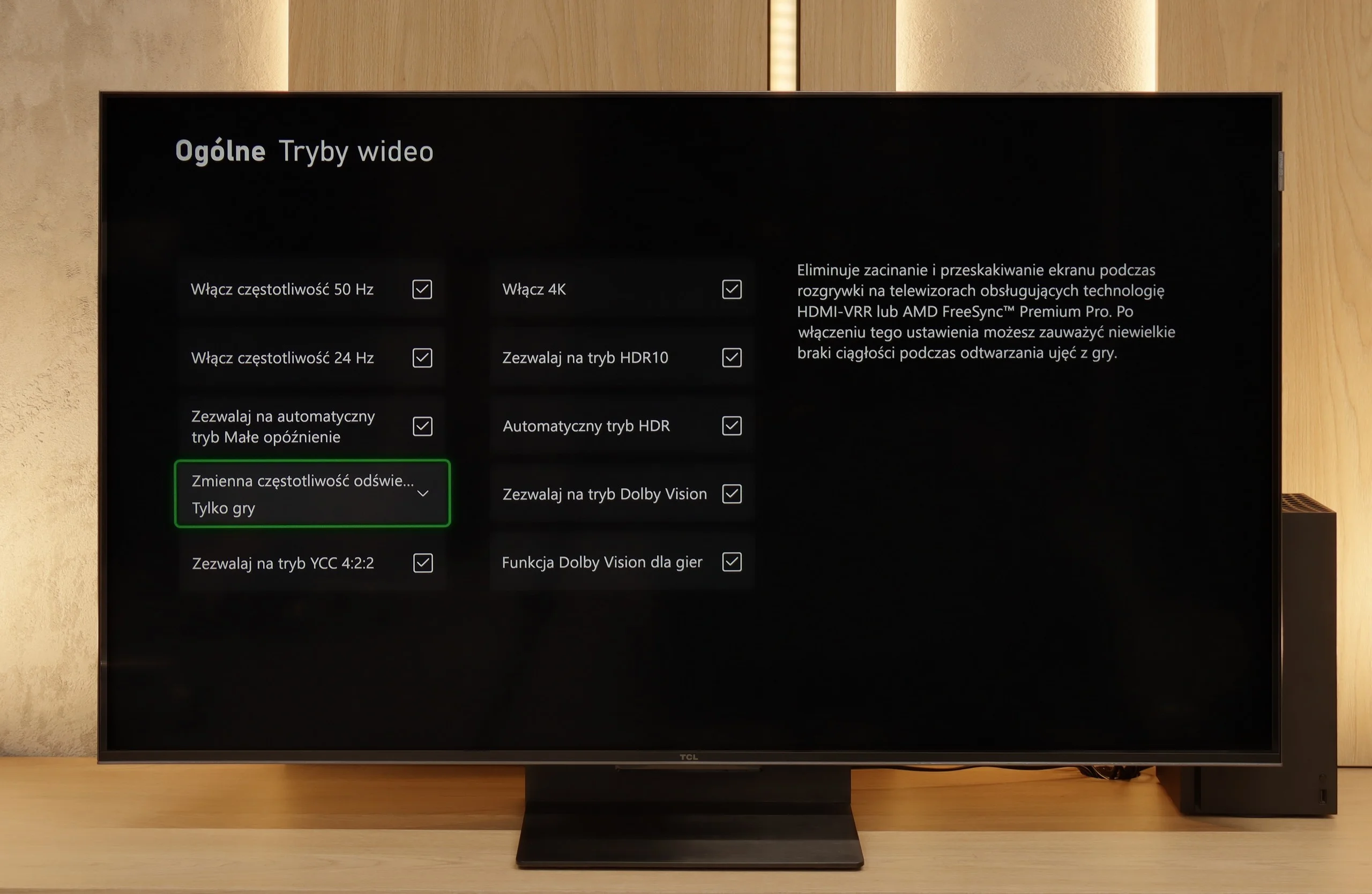
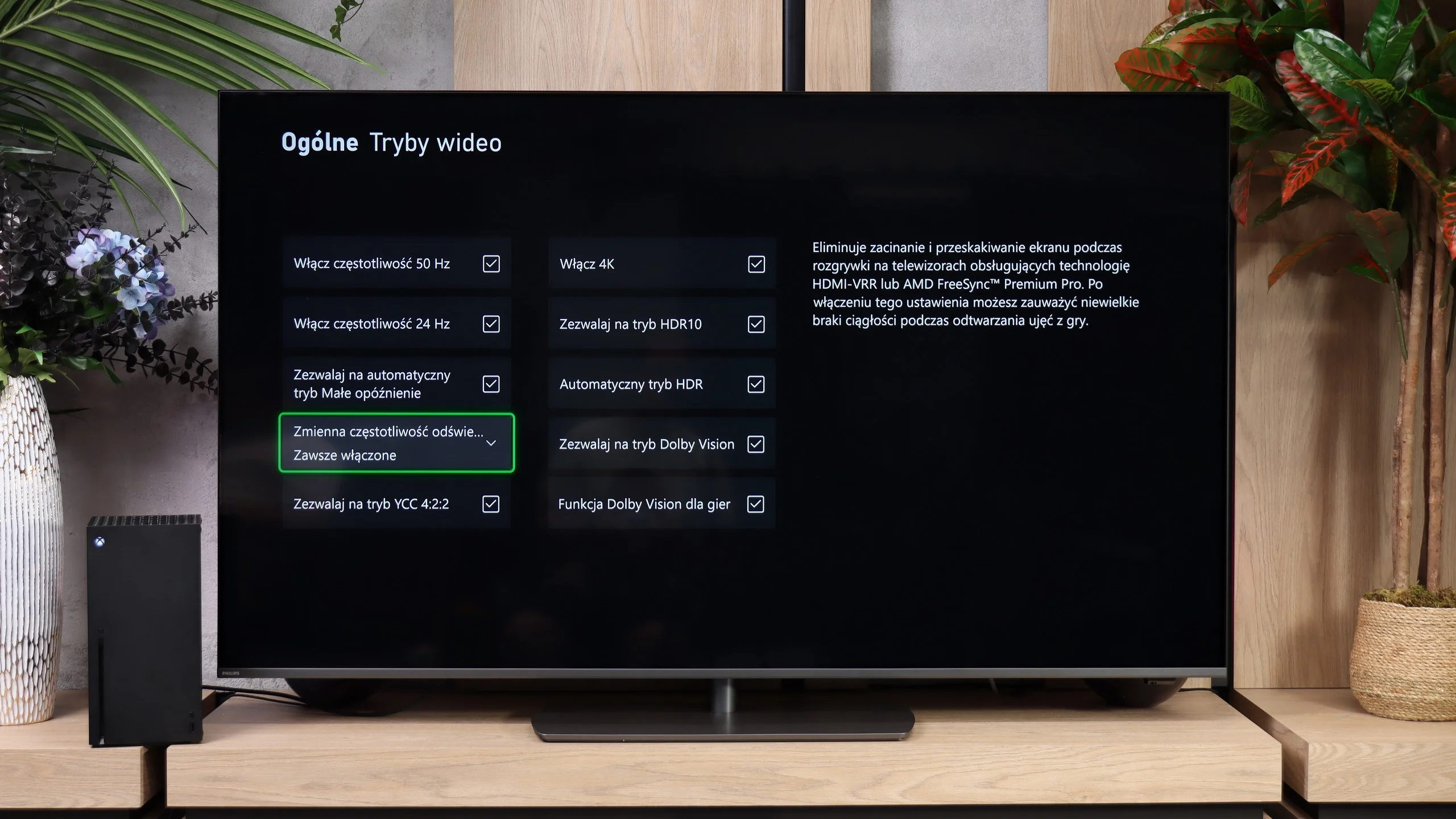
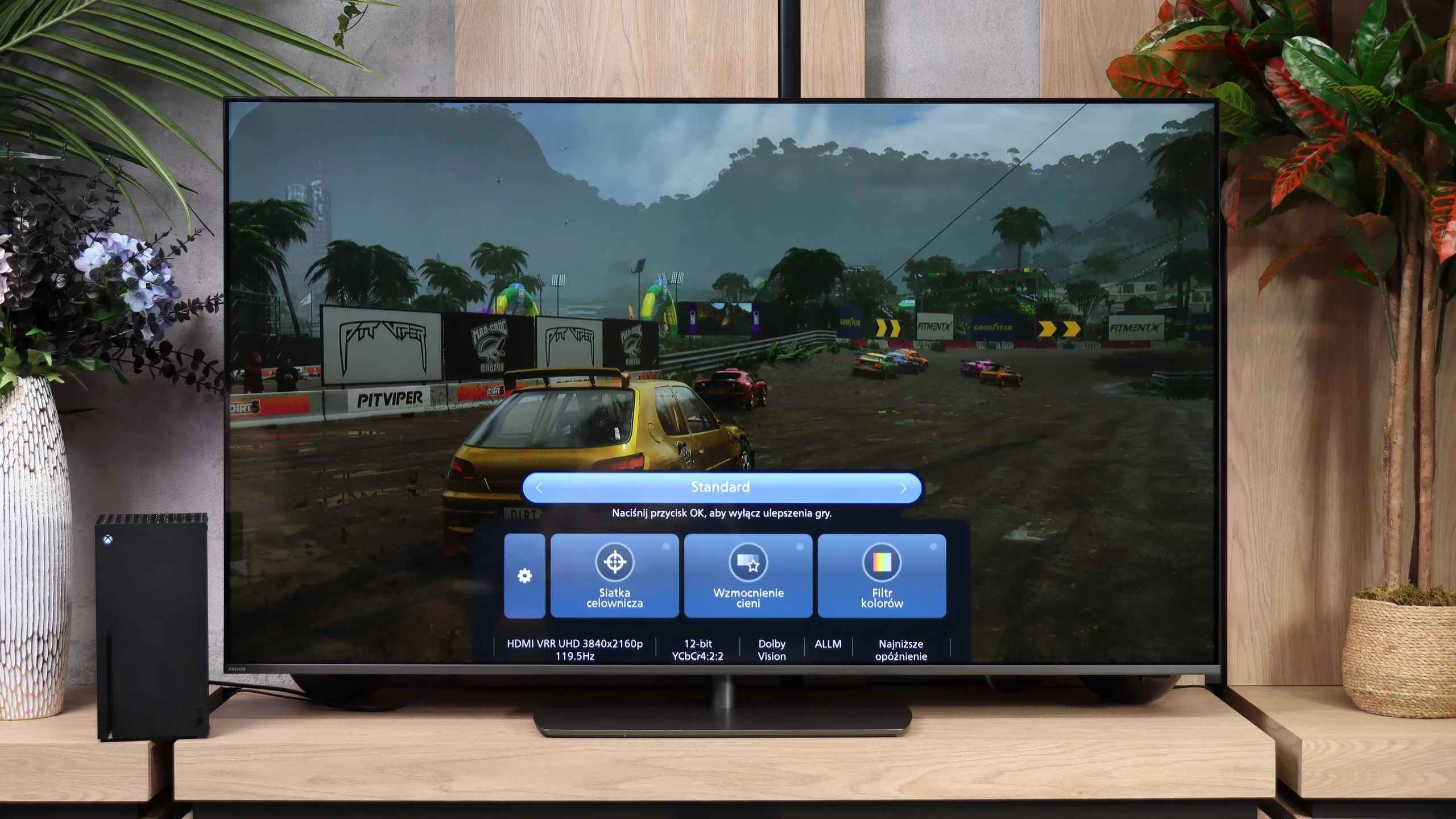
In terms of gaming features, the Philips PQS9000 has a lot to offer. Four HDMI 2.1 ports let you connect several devices without having to choose which one gets the full-capability port. Consoles can use 120 Hz at Full HD, 1440p and 4K, while a PC can also make use of 144 Hz at 4K or 240 Hz if you drop to Full HD. There's also VRR, which matches the refresh rate to the frame rate and prevents screen tearing. Its range is 48 to 240 Hz, with the upper limit applying in Full HD mode.

ALLM is present, so the TV automatically switches to game mode, and HGiG works properly, which is useful when setting HDR on a console. There's also a Game Bar for quick access to settings and signal information. The list even includes Dolby Vision gaming, but it's hard to enjoy this option because of very high input lag. Aside from that caveat, the feature set is really solid.

Input lag

9.6/10

7.2/10

SDR

1080p60
18 ms
32 ms
1080p120
12 ms
16 ms
2160p60
18 ms
32 ms
2160p120
12 ms
16 ms

HDR

2160p60
18 ms
32 ms
2160p120
12 ms
16 ms
4320p60

Dolby Vision

2160p60 DV
18 ms
213 ms
2160p120 DV
12 ms
106 ms

When it comes to delays, the C7K gives no reason to complain. In games at 120 Hz, the input lag is around 10 ms, meaning the television responds really quickly. Interestingly, even in Dolby Vision mode, the result is very similar, which is not always the standard. Well done, TCL. At 60 Hz, the lag obviously increases a bit, but that's completely normal and applies to practically every television with a 120 Hz refresh rate or higher. The most important thing is that everything still runs smoothly and there is no sense that something is not responding to our actions.

Input lag is already less impressive than the gaming features themselves. At 60 Hz we measured 32 ms, both in SDR and HDR. That result is fine for more relaxed games, but in fast-paced shooters you can feel a slight lag. At 120 Hz the delay drops to 16 ms and gaming is noticeably more enjoyable, though the competition can respond even faster.

The biggest problem appears when Dolby Vision is enabled. At 60 Hz the delay is as much as 213 ms, and at 120 Hz it reaches 106 ms. The response to controller input is then clearly delayed, which seriously disrupts gameplay. Therefore, on the PQS9000 it is definitely better to stick with HDR10. Dolby Vision is supported for games, but its practical usefulness remains limited.

Compatibility with PC

8.4/10

8.6/10

Chroma 444 (max. resolution and refresh rate)
Yes
Yes
Font clarity
Good
Very Good
Readability of dark text and shapes
Good
Average
Input lag in PC mode (4K, max. refresh rate)
12ms
16ms
Matrix subpixel arrangement
BGR
BGR
Max refresh rate
144Hz
144Hz
G-Sync
Yes
Yes

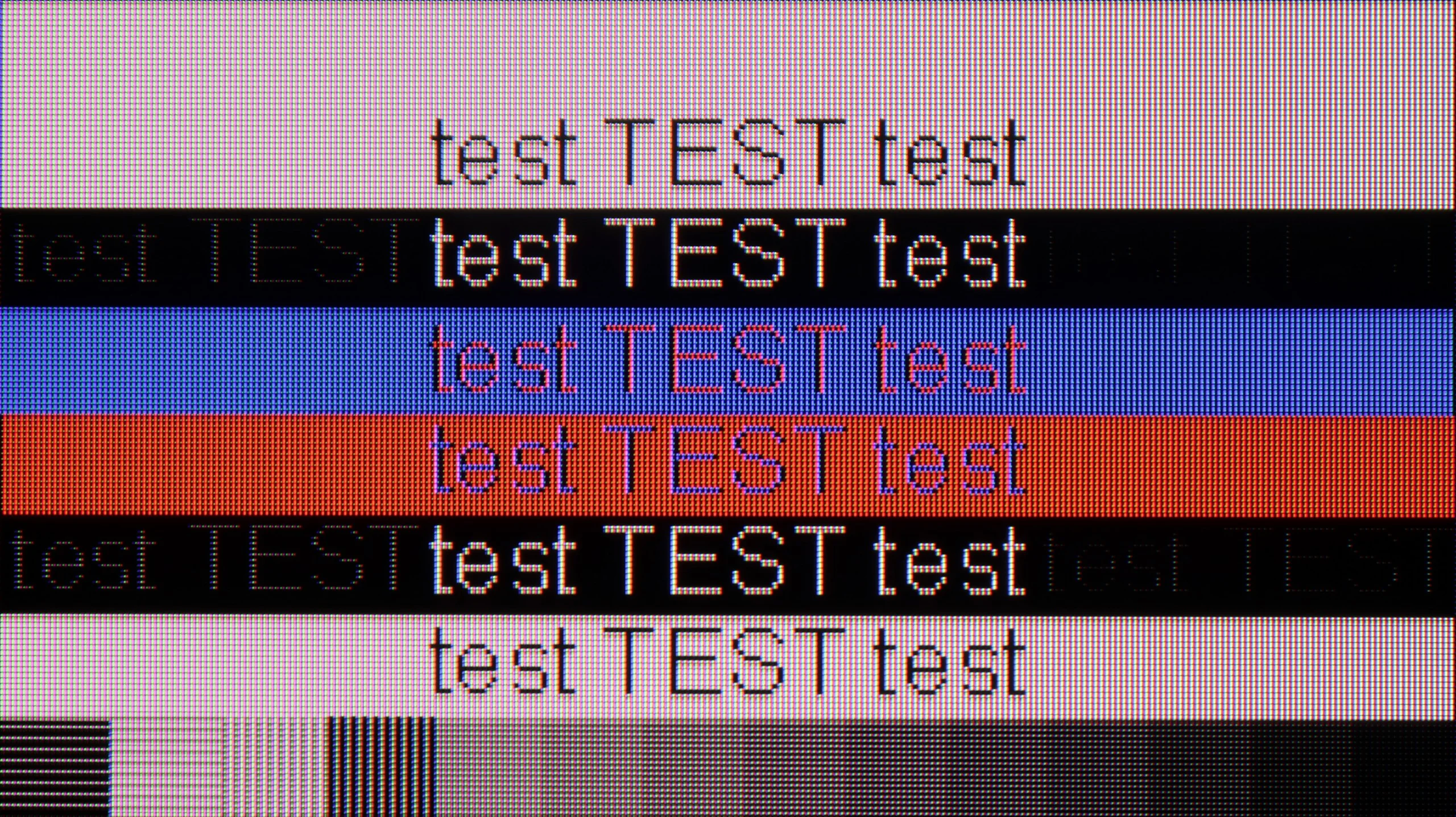
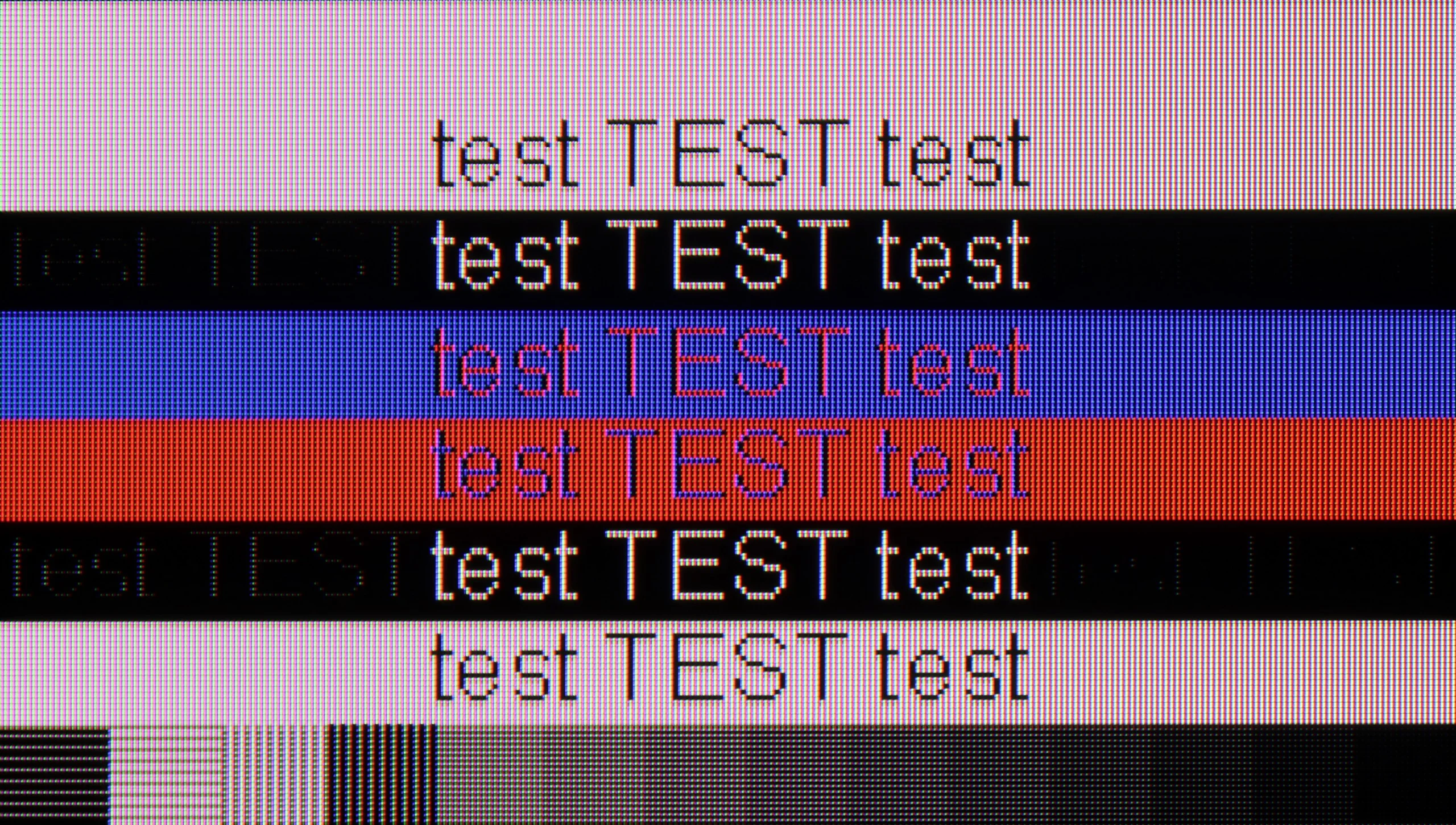
The photo shows the legibility of small fonts. Ideally, lines should be the same thickness on both light and dark text, with minimal pixel gaps.

If we intend to connect the C7K to a computer – especially for gaming – there is really a lot to play for. Here we have 4K at 144 Hz, which sounds great in itself, but if we lower the resolution, the TV can display even 280 Hz. In e-sports, where every fraction of a second counts, that really makes a difference. Added to this is support for G-Sync and FreeSync, so no matter what graphics card we have – the image will be smooth, without any stutters or tearing.

However, if we plan to place the C7K on a desk and use it like a monitor, it’s a bit less "rosy". True, it supports chroma 4:4:4, so fonts should be sharp, but with very dark letters, there is a slight blurring and dimming of edges. This is not something that immediately jumps out at you during gaming or watching, but when working with text – it can be distracting. In everyday use – rather without concern, but if we plan to place 50 inches a metre from our face, it's worth keeping this in mind.

The PQS9000 scores highly for PC compatibility, mainly thanks to its gaming capabilities. A 144 Hz refresh rate at 4K and support for G-Sync Compatible and AMD FreeSync Premium Pro allow frame-rate synchronisation on compatible NVIDIA and AMD cards. Working with text is also good. Regular fonts are sharp and legible, and thanks to proper 4:4:4 chroma handling coloured letters, icons and small desktop elements retain their clarity. The main reservation concerns very small, dark text: the horizontal strokes of letters are noticeably darker than the verticals, which makes some characters look uneven. You probably won't notice this from the sofa, but if someone plans to put The One on a desk and work up close, this flaw may become annoying.

Viewing angles

3.2/10

3.2/10

Brightness drop at an angle of 45 degrees
78%
68%

There are no surprises here – the C7K has classic viewing angles for a VA panel. That is: sitting directly opposite – it’s great. The colours look good, the contrast is strong, everything is in place. But just shifting slightly to the side and it starts to get worse – the picture loses saturation, the black becomes greyish and the overall impression diminishes somewhat. So if we are planning to watch together with several people or have a sofa that takes up half the living room – it’s worth seating everyone more centrally. You can watch from the side, but don’t expect miracles – it’s simply a characteristic of the VA panel.

Viewing angles are one of the weakest points of the Philips PQS9001. Simply moving to the side is enough for the colours to lose saturation noticeably, and for the picture to look washed out and less contrasty. When watching with several people, seats directly in front of the screen will therefore be by far the best.

Unfortunately this is a typical characteristic of VA panels, where good contrast when viewed head-on comes at the cost of poorer off-axis performance. Most TVs with such a panel suffer the same problem and The One is no exception. The swivelling stand helps a little, allowing you to angle the screen towards the viewer, but it won't solve the issue when seats are widely spaced.

Daytime performance

6.4/10

6.1/10

Panel finish
Satin
Satin
Reflection suppression
Good
Decent
Black levels during daytime
Very Good
Good

Panel brightness

Philips PQS9011 / PQS9001 (The One 2026): 502 cd/m2

TCL C7K / QM7K 55"-85": 529 cd/m2

Fortunately, the TCL C7K performs quite well in a bright room. The applied matrix has a satin finish that effectively suppresses reflections, meaning we don't have to worry about reflections from lamps or windows even on sunny days. Importantly, the colours maintain their intensity and do not wash out, as can happen with weaker matte panels. As for the brightness itself, the average for content like YouTube or regular television reaches just below 500 nits. This is not a record-breaking result – for example, the MQLED85 (C765) performs better in this regard. However, it should work without major issues for everyday viewing during the day, as long as we do not plan to place it opposite a south-facing window without curtains.

The Philips PQS9001 performs quite well for daytime viewing. The main advantage is a stable brightness of around 500 nits, regardless of how many bright elements appear on the screen. Even when watching winter sports or a scene full of white, the image does not dim. In a typical living room that level is more than enough to watch television comfortably without having to draw the curtains.

The satin finish does a decent job of suppressing reflections, though it does not eliminate them completely. A window opposite the screen will be visible and can be distracting, especially in darker scenes. Black holds up well in daylight, so the picture does not become overly washed out. For everyday viewing, it's therefore quite good, as long as the sun is not shining directly on the screen.

Panel details

Backlight Type
Mini-LED QLED
PFS LED
Software version during testing
V8.0012T01-LF1V531.002396
TPM267E_V167.002.054.151
Image processor
MT5896 2,5GB RAM

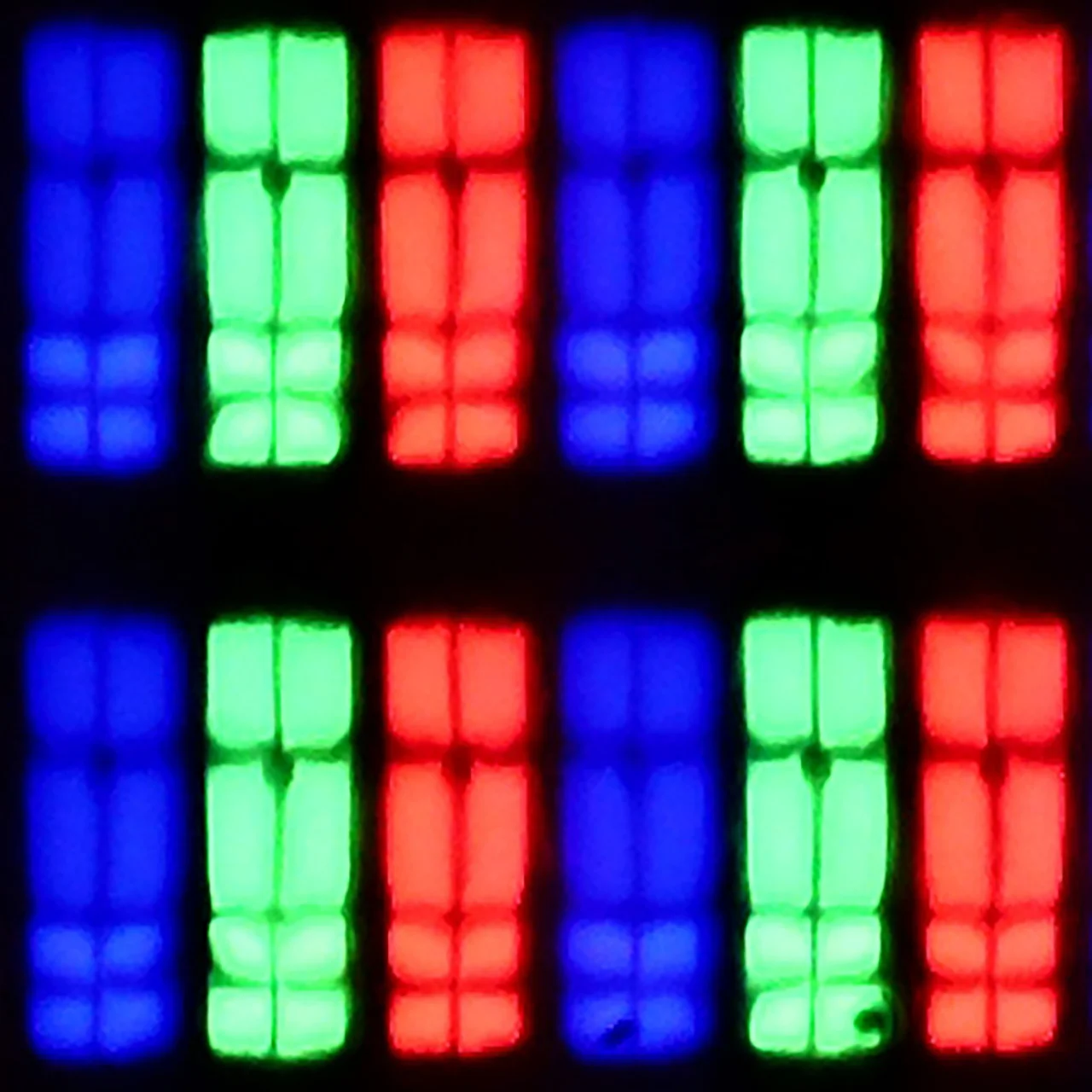
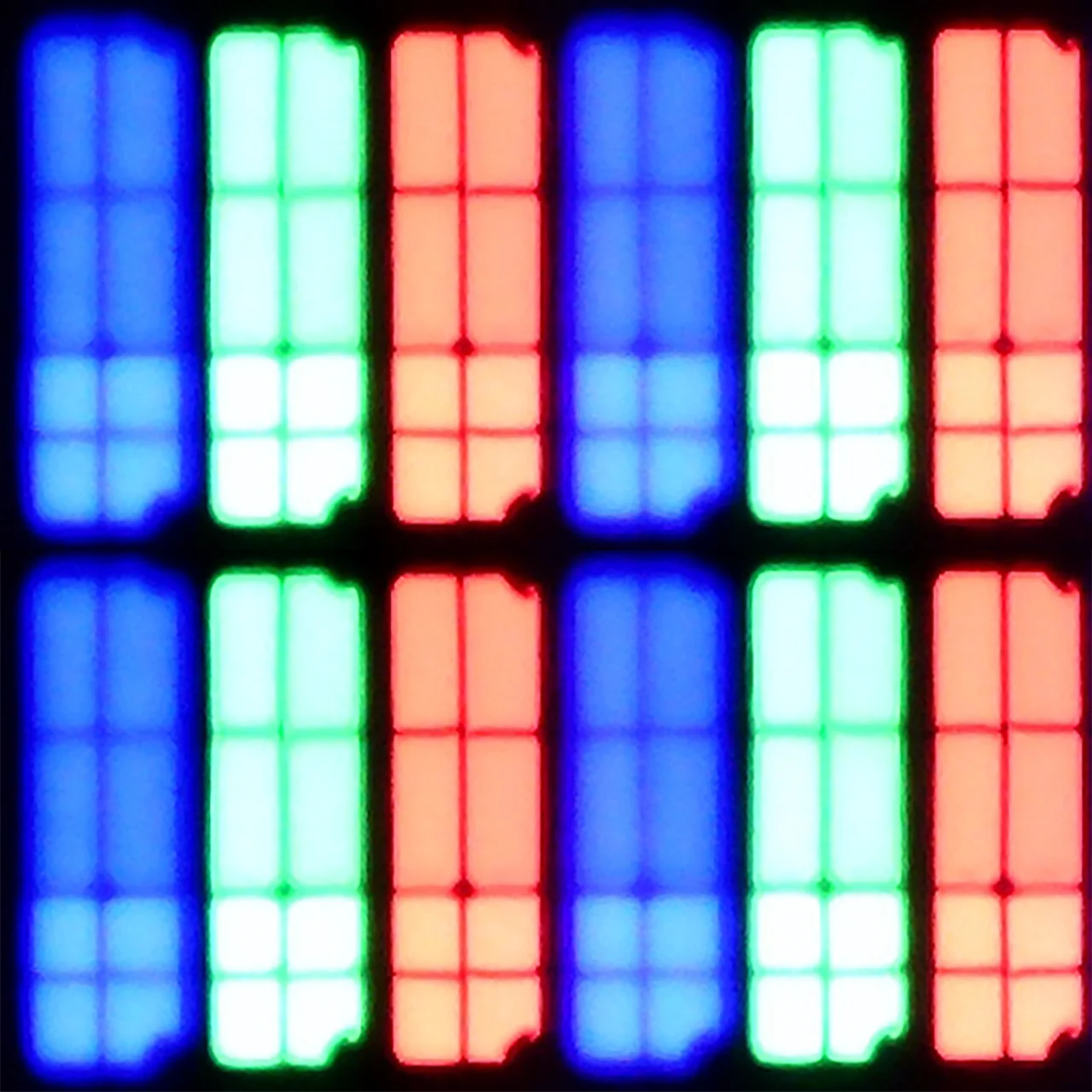
Subpixel Structure:

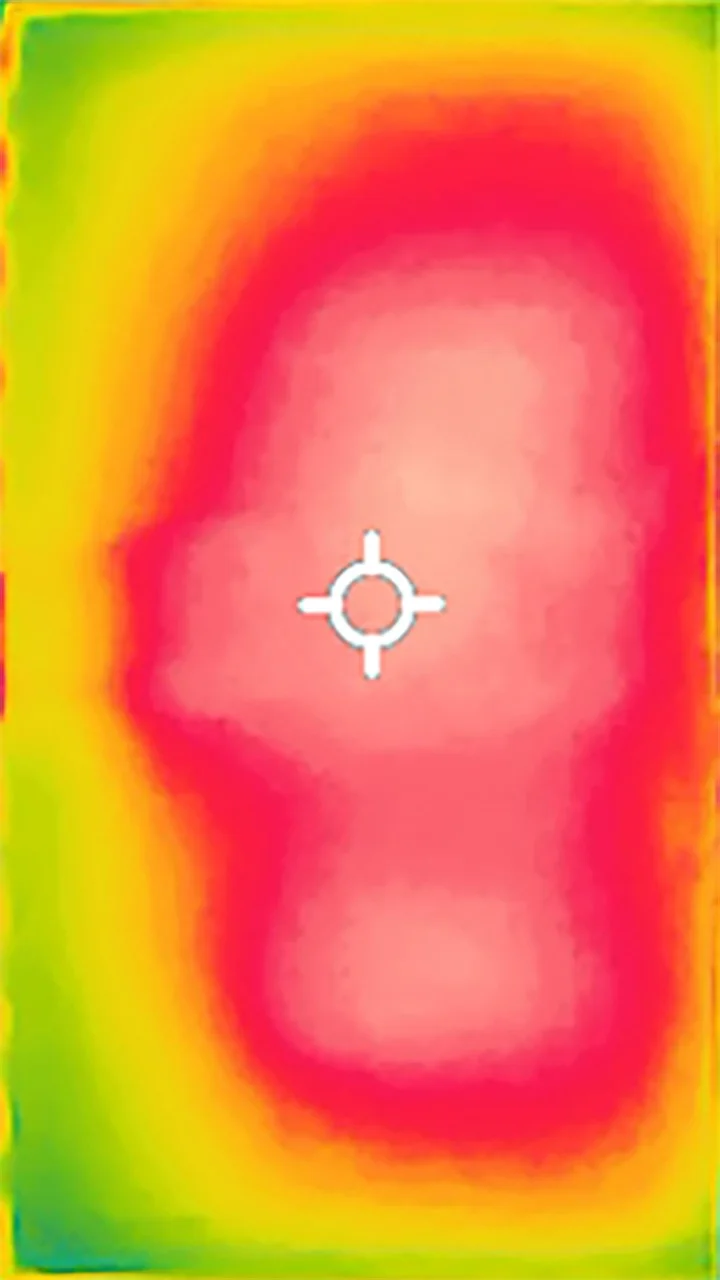
Panel uniformity and thermal imaging:

Review TCL C7K / QM7K 55"-85" TV Panel details
Review Philips PQS9011 / PQS9001 (The One 2026) TV Panel details
Review TCL C7K / QM7K 55"-85" TV Panel details
Review Philips PQS9011 / PQS9001 (The One 2026) TV Panel details

TCL C7K / QM7K 55"-85"

Philips PQS9011 / PQS9001 (The One 2026)

TV features

7.3/10

7.6/10

  • System
    Google TV
    Titan OS
  • System performance
    Good
    Decent
  • HDMI inputs
    2 x HDMI 2.0, 2 x HDMI 2.1 48Gbps
    0 x HDMI 2.0, 4 x HDMI 2.1 48Gbps
  • Outputs
    Toslink (Optical audio), eARC (HDMI), ARC (HDMI)
    Toslink (Optical audio), eARC (HDMI), ARC (HDMI), Mini-Jack (Headphones)
  • Network Interfaces
    Wi-Fi 2.4GHz, Wi-Fi 5GHz, Ethernet (LAN) 100Mbps
    Wi-Fi 2.4GHz, Wi-Fi 5GHz, Ethernet (LAN) 100Mbps
  • TV reception
    DVB-T, DVB-T2, DVB-S, DVB-S2, DVB-C
    DVB-T, DVB-T2, DVB-S, DVB-S2, DVB-C

Classic features:

  • Recording to USB (terrestrial TV)
    No
    No
  • Recording programming
    No
    No
  • Picture in Picture (PiP)
    No
    No
  • RF remote control (no need to aim)
    Yes
    No
  • Backlit remote control
    No
    Yes
  • Teletext
    Yes
    Yes
  • Audio only mode
    Yes
    Yes
  • Bluetooth headphones support
    Yes
    Yes
  • Simultaneous Bluetooth headphones & TV audio
    Yes
    Yes

Smart features:

  • AirPlay
    Yes
    Yes
  • Screen mirroring (Windows Miracast)
    Yes
    Yes
  • Voice search
    Yes
    Yes
  • Voice search in native language
    Yes
    Yes
  • Ability to connect a keyboard and mouse
    Yes
    Yes
Review TCL C7K / QM7K 55"-85" TV features
Review Philips PQS9011 / PQS9001 (The One 2026) TV features

Sound connection options

  • HDMI audio
    eARC (HDMI), ARC (HDMI)
    eARC (HDMI), ARC (HDMI)
  • Other audio outputs
    Toslink (Optical audio)
    Toslink (Optical audio), Mini-Jack (Headphones)
  • Wireless audio
    Bluetooth, Atmos Flex Connect
    Bluetooth, Atmos Flex Connect

Supported audio formats (external HDMI eARC audio):

  • Dolby Digital Plus 7.1
    Yes
    Yes
  • Dolby True HD 7.1
    No
    Yes
  • Dolby Atmos in Dolby Digital Plus (JOC)
    Yes
    Yes
  • Dolby Atmos in Dolby True HD
    No
    Yes
  • DTS:X in DTS-HD MA
    Yes
    Yes
  • DTS-HD Master Audio
    Yes
    Yes

Senior accessibility

  • Numeric keyboard on TV
    Yes
    Yes
  • Font size adjustment
    No
    Yes
  • Audio description
    Yes
    Yes

SmartTV: GoogleTV

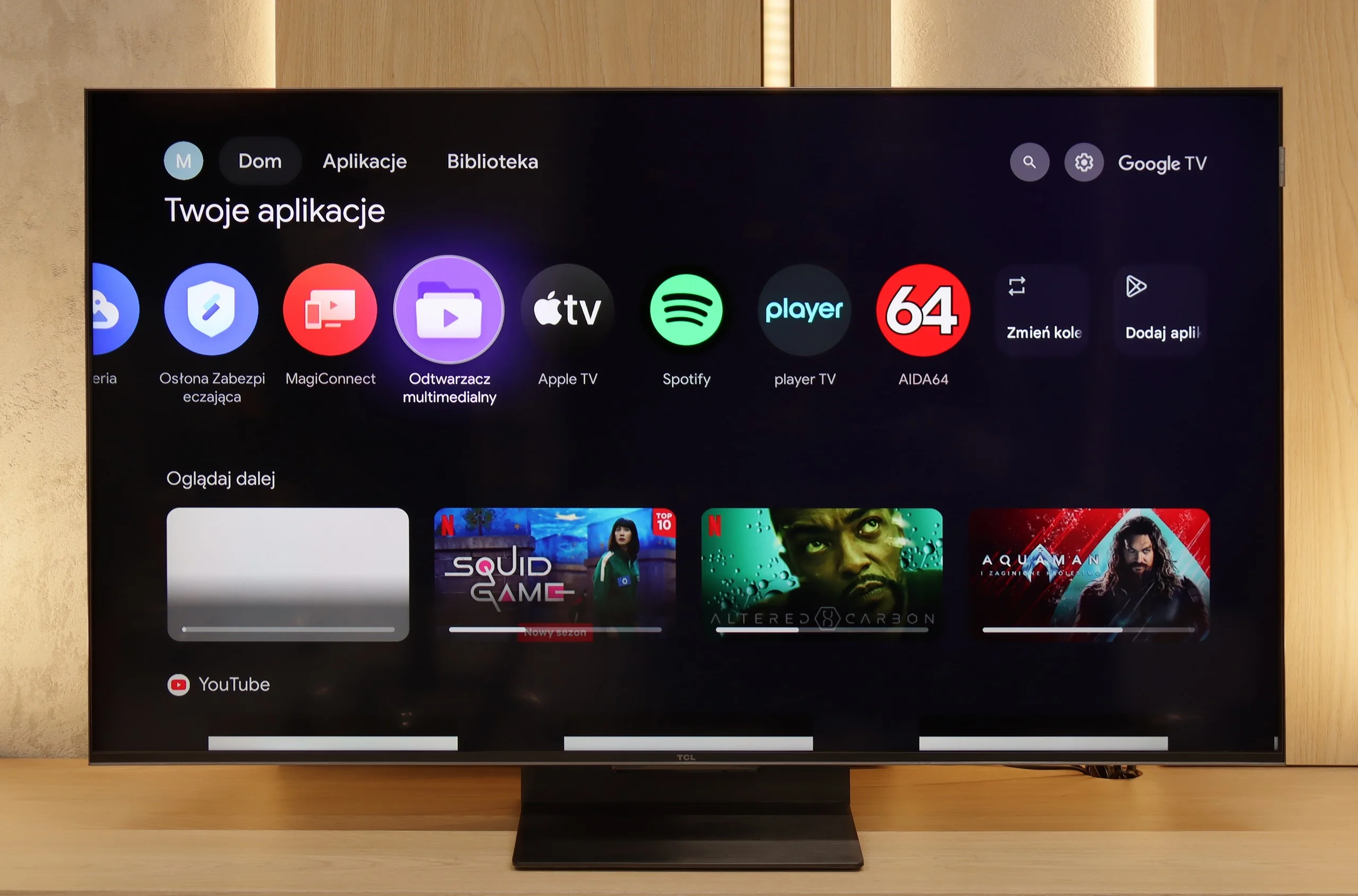
The greatest strength of the TCL C7K in everyday use is undoubtedly the Google TV system. Thanks to it, we have access to an almost endless library of apps, including some more niche ones that are often unavailable on other platforms. The built-in Google Assistant understands Polish, so we can easily ask what is on TV, what the weather is like, and even issue a few voice commands to control the television. The presence of Chromecast and AirPlay is also a plus, as they work seamlessly and make life easier.

User Features

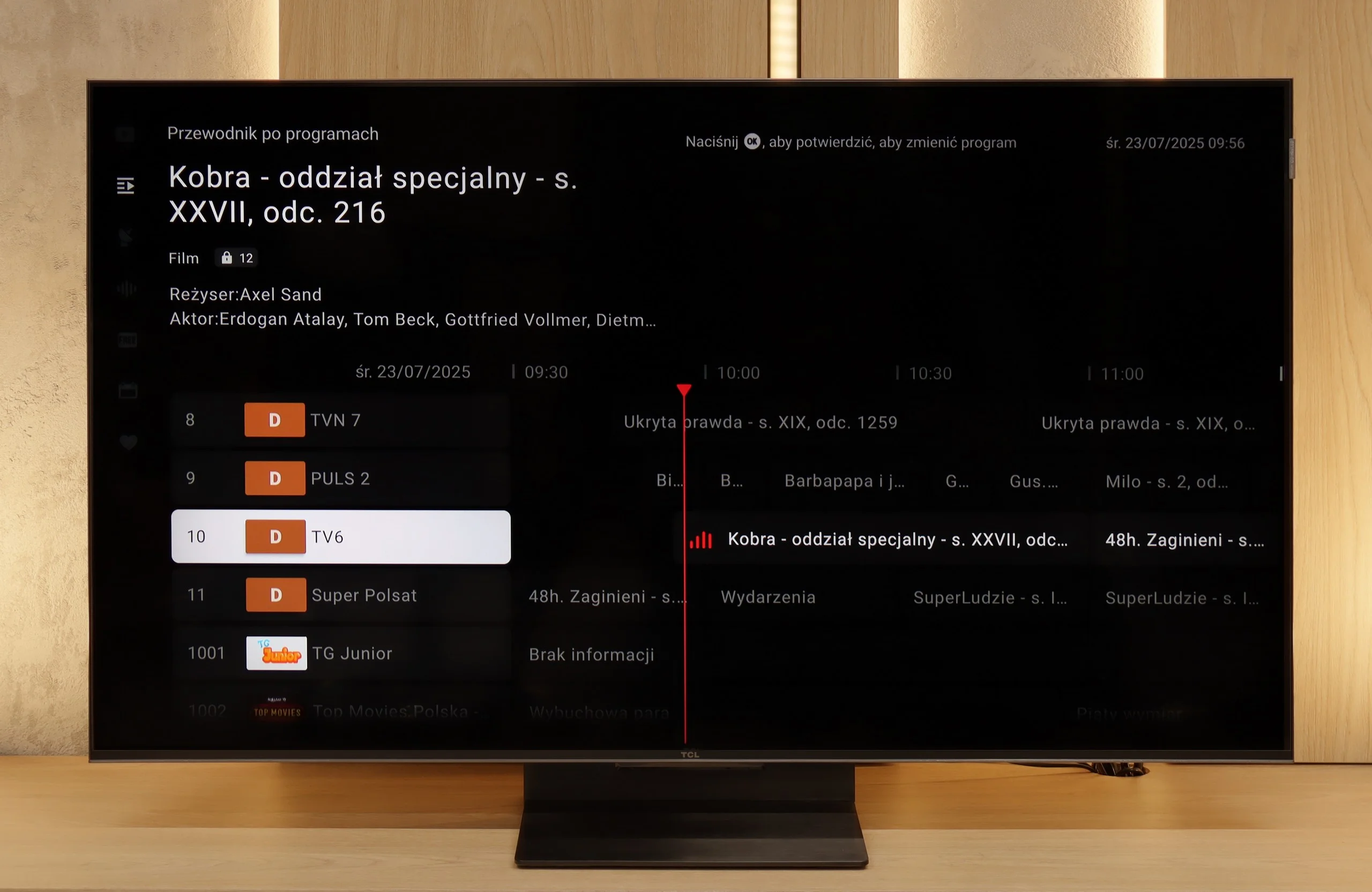
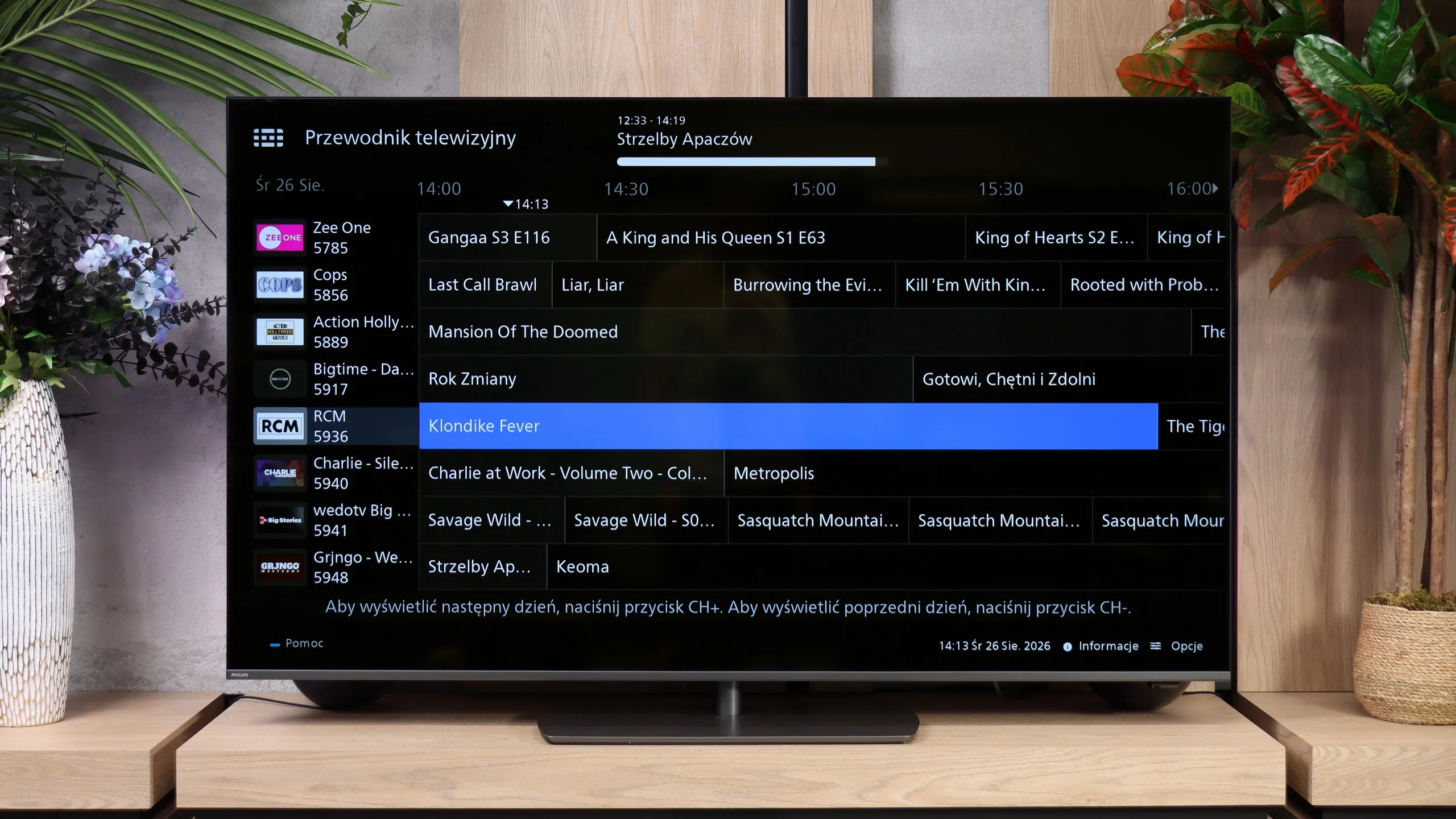
However, the classic features leave something to be desired. Here we will find the basics – teletext, EPG, or the option to connect headphones – but that's about it. There is a lack of USB recording functionality or picture-in-picture (PiP) mode, which can still be found with some competitors. It is also worth noting that Google TV in the TCL version can sometimes have oddly translated parts of the menu or minor errors in the interface. These are not things that interfere with everyday use, but those sensitive to details may notice them.

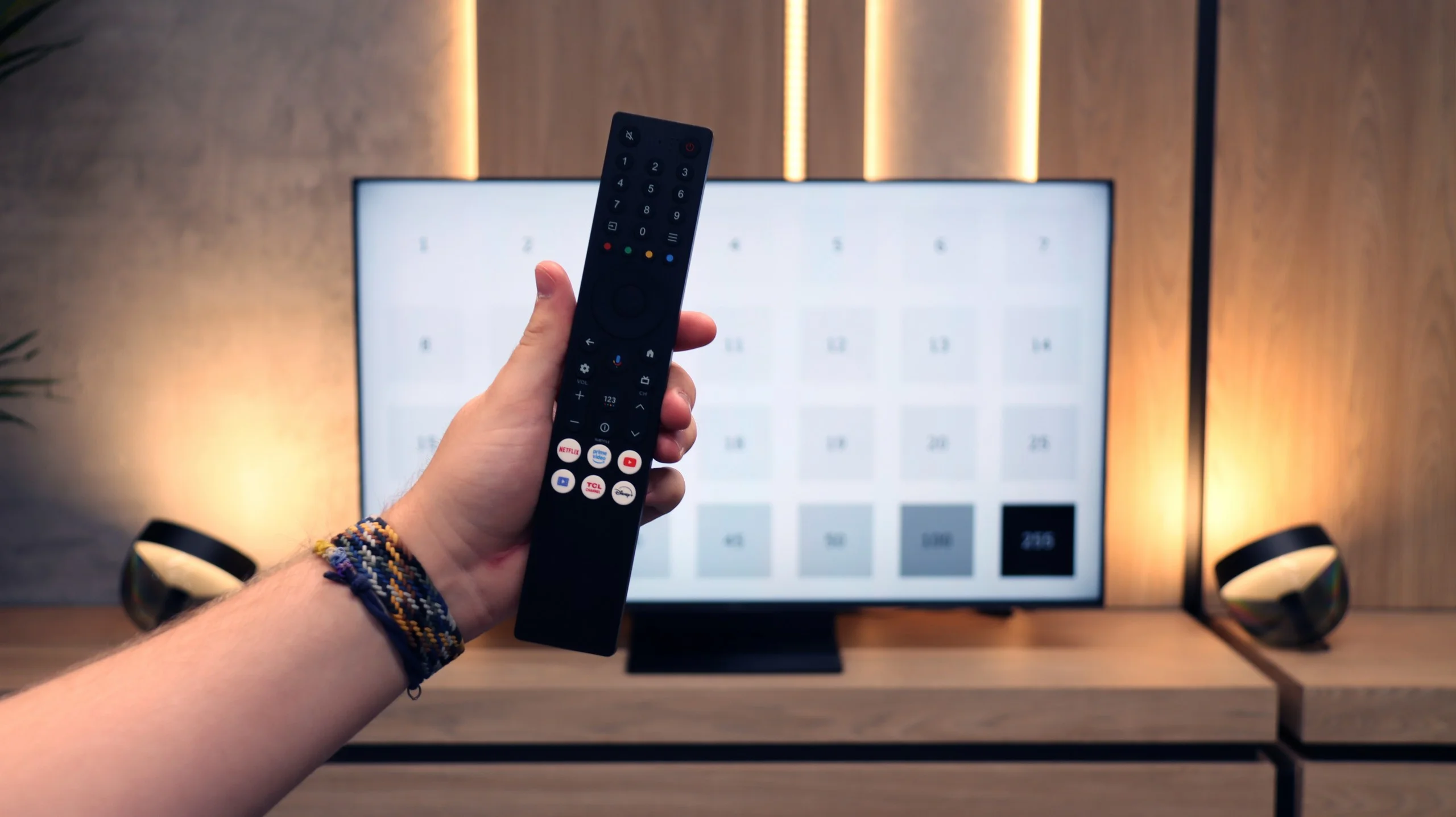
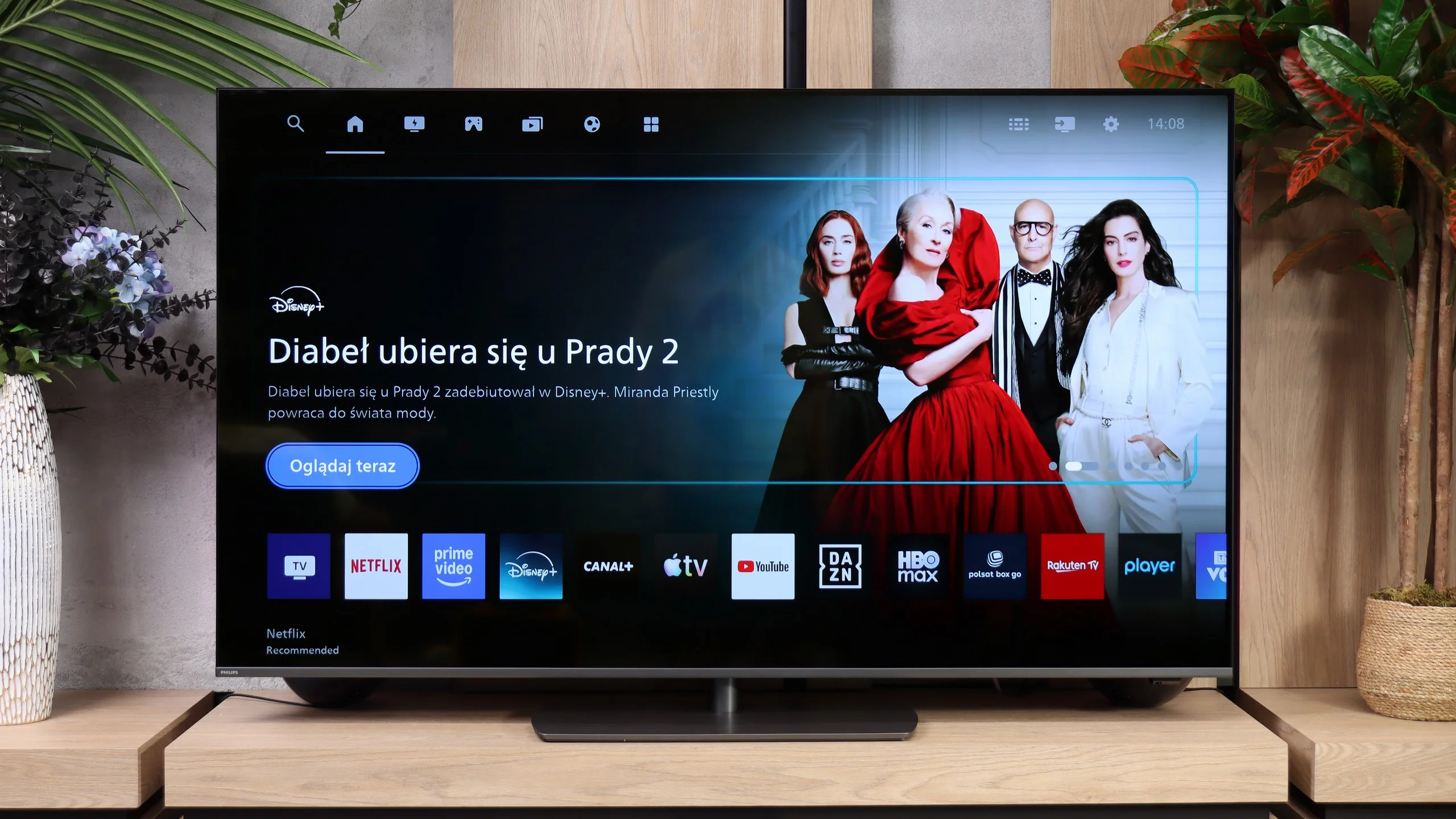
Titan OS in this year’s The One shows that Philips has worked on its system. Compared with last year’s version many small details and functions that previously did not behave as they should have been fixed. Now you can use AirPlay without problems, stream the picture from a computer via Miracast or search for something by voice in Polish. The system itself runs decently, though it is certainly not among the fastest. The app library has also grown, with Netflix, Prime Video, Disney+, CANAL+, Apple TV and YouTube available. The selection is still smaller than on Google TV, but when using popular services Titan gives fewer reasons to complain. Everyday convenience has improved in the basic features as well. You can connect Bluetooth headphones and listen through them at the same time as the TV’s speakers, and there is a mode that lets you switch the screen off and leave only the audio playing. USB recording and picture-in-picture (PiP) are missing. What’s most disappointing is the remote — despite its backlit buttons it still controls the TV via infrared, so you have to point it at the screen. The system has gained many useful tweaks, but that part of the operation has stayed the same and can be irritating in daily use.

Apps

9.6/10

7.2/10

OK
Disney_Plus
OK
Amazon_Prime_Video
OK
Player_TVN
OK
Polsat_Box_Go
OK
Canal_Plus_Online
OK
TVP_VOD
OK
Apple_TV_Plus
OK
SkyShowtime
OK
Rakuten
OK
CDA_Premium_Browser
OK
Spotify
OK
Tidal
OK
Netflix
OK
YouTube
OK
HBO_MAX
OK
Kodi
No
Apple_music
OK
Eleven_sports
No
Xbox Game Pass
OK
GeForce NOW
No
Amazon Luna
OK
Boosteroid
OK
Steam Link
OK
Disney_Plus
OK
Amazon_Prime_Video
OK
Player_TVN
OK
Polsat_Box_Go
OK
Canal_Plus_Online
OK
TVP_VOD
OK
Apple_TV_Plus
No
SkyShowtime
OK
Rakuten
OK
CDA_Premium_Browser
No
Spotify
No
Tidal
OK
Netflix
OK
YouTube
OK
HBO_MAX
No
Kodi
No
Apple_music
No
Eleven_sports
No
Xbox Game Pass
No
GeForce NOW
No
Amazon Luna
OK
Boosteroid
No
Steam Link

Playing files from USB

9.2/10

8.6/10

Supported photo formats:

JPEG
Yes
Yes
HEIC
No
Yes
PNG
Yes
Yes
GIF
Yes
Yes
WebP
Yes
No
TIFF
No
No
BMP
Yes
Yes
SVG
No
No

Maximum photo resolution:

4 Mpix
Yes
No
6 Mpix
Yes
No
8 Mpix
Yes
Yes
10 Mpix
Yes
No
12 Mpix
Yes
No
16 Mpix
Yes
Yes
20 Mpix
Yes
No
24 Mpix
Yes
No
28 Mpix
Yes
No
32 Mpix
Yes
Yes

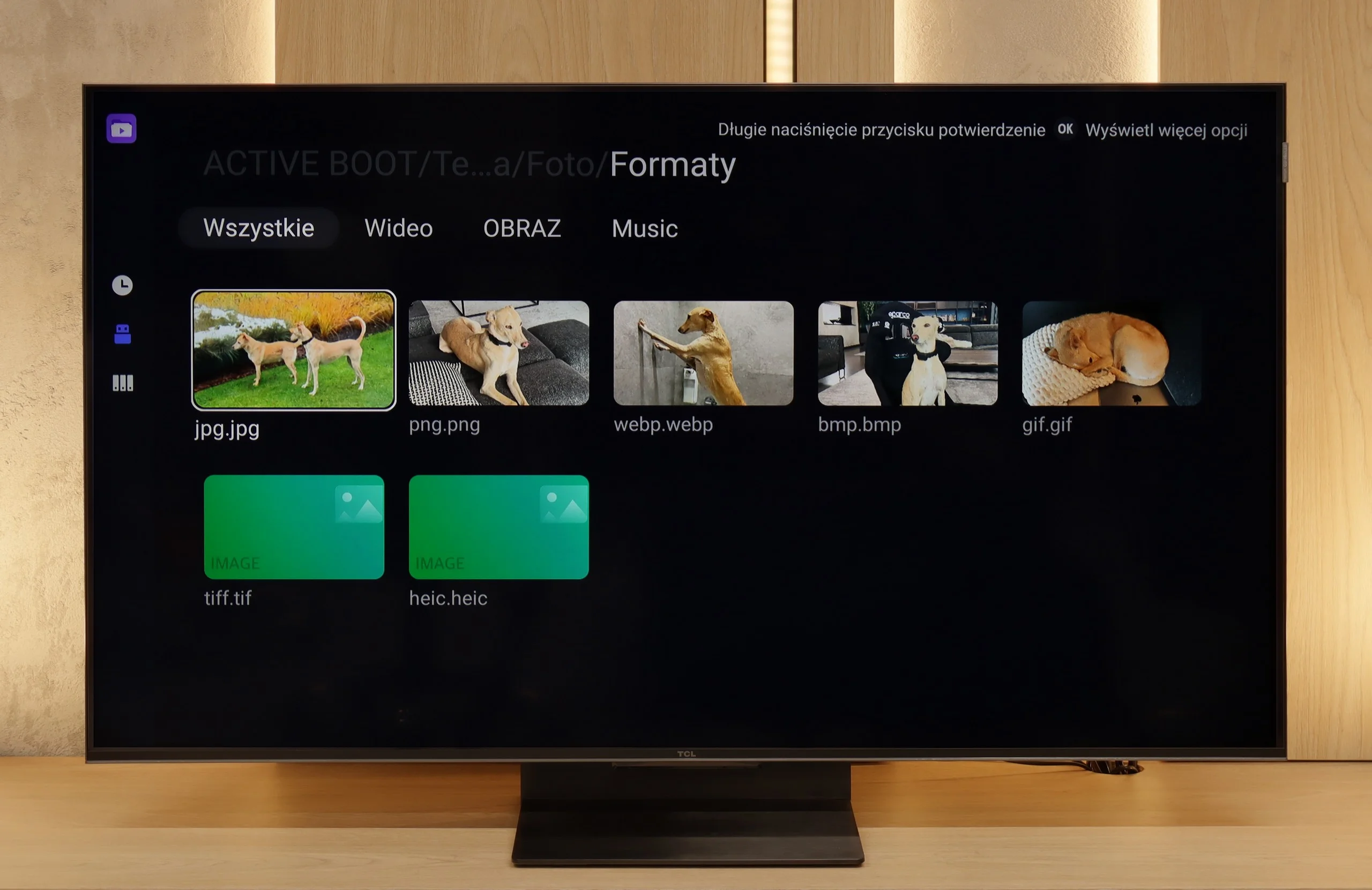
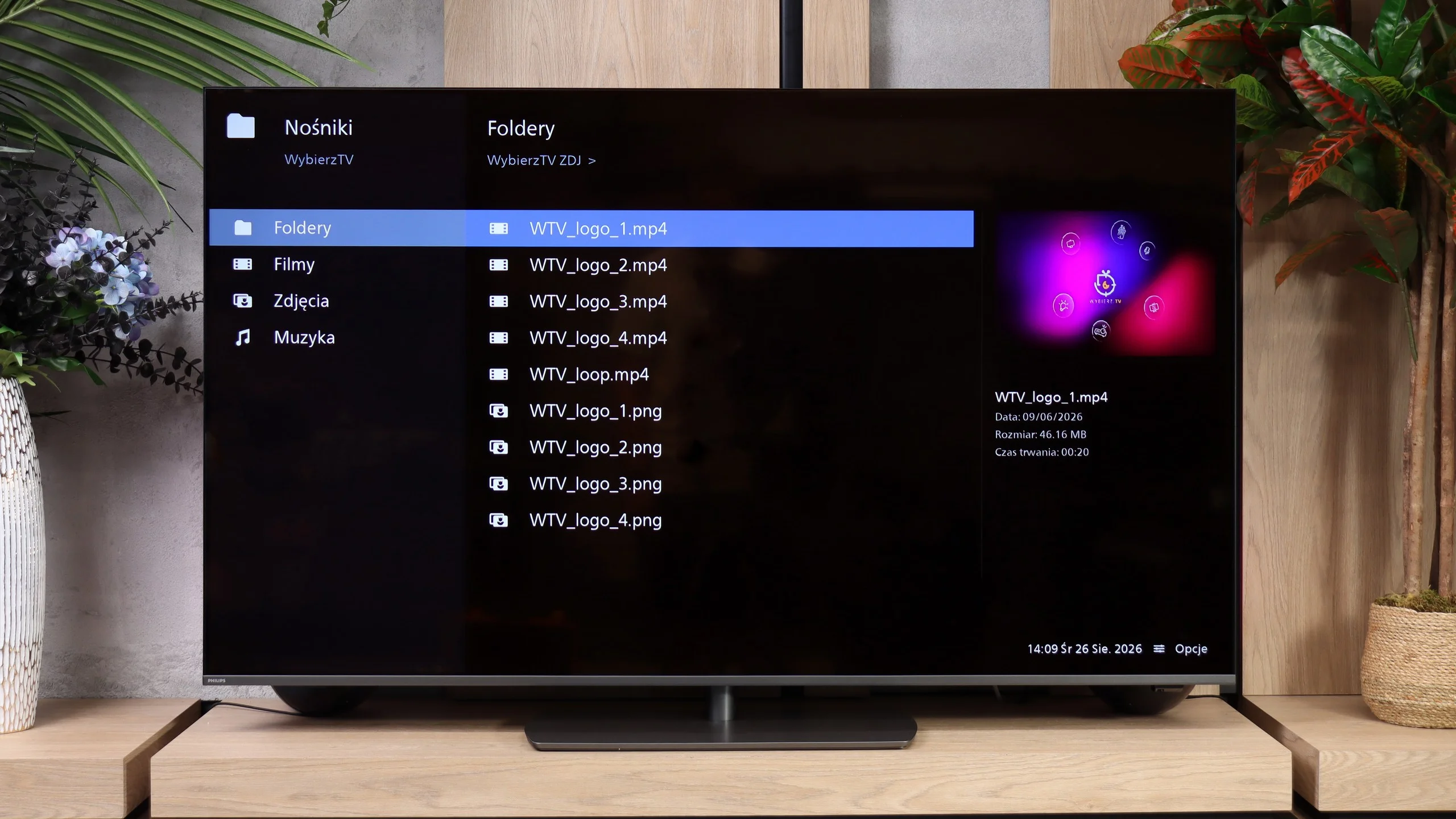
The built-in media player on the TCL C7K performs really very well. It supports most of the most popular audio and video formats, so if we want to quickly throw something on from a USB drive and play it, there shouldn't be any problem. Of course, as is often the case, you can find some minor shortcomings – not every exotic codec will work (Apple's HEIC), not all subtitles will be perfectly synchronised (txt.). However, the biggest advantage of this television comes to the rescue, which is Google TV. With access to the Google Play store, we can easily install an alternative player, such as VLC, and then no files will be daunting.

The built-in USB player works quickly and smoothly and handles most of the files we tested without a problem. Music playback is good, from popular MP3s to FLAC files, including 96 kHz/24-bit. It's perfectly adequate for everyday playback of media from a USB stick. However, our main reservations again concern photo handling. The player is rather selective about image resolution: it opened our 8, 16 and 32 MP files, but failed with, among others, 4, 12 and 24 MP files. It's hard to see the logic in that when a larger photo works but a smaller one doesn't. That can be irritating when browsing holiday photos.

Sound

7.7/10

6.9/10

  • Maximum volume
    -
    96dB
  • Dolby Digital Plus 7.1
    Yes
    Yes
  • Dolby True HD 7.1
    No
    Yes
  • Dolby Atmos in Dolby Digital Plus (JOC)
    Yes
    Yes
  • Dolby Atmos in Dolby True HD
    No
    No
  • DTS:X in DTS-HD MA
    Yes
    Yes
  • DTS-HD Master Audio
    Yes
    Yes

In the larger versions of the C7K (from 55 inches upwards), the sound is even more impressive than in the smallest 50-inch variant. This is due to the greater number of built-in speakers and additional channels that allow for a fuller, more spacious sound. The bass becomes more pronounced, dialogues gain clarity, and the film effects can really fill the room.

It is worth mentioning the collaboration between TCL and the Bang & Olufsen brand, which appeared in the 2025 models. Even if we do not have a hundred percent certainty that original transducers from the Danish company are inside, the final effect surprises very positively. For a television without an additional soundbar, the larger C7K models deliver sound that can be enjoyed even during longer film screenings.

The Philips PQS9001 has a 2.0 audio system with a total power output of 40 W, which is two 10 W drivers on each side. It performs quite well and noticeably better than most budget TVs. There's plenty of volume, but the sound itself lacks depth. The biggest issue is the lack of low bass, so explosions in films and the heavier parts of music don't have the proper weight.

Higher frequencies aren't reproduced evenly either. Measurements show a clear dip around 2 kHz, a boost at 6-7 kHz and a drop above roughly 8 kHz. This can emphasise sibilant consonants and give the sound an edge, despite the roll-off of the highest treble. It's adequate for everyday viewing, but for films and music it's worth considering additional audio equipment, all the more so given that the TV supports surround sound formats, including Dolby Atmos and DTS. A compatible soundbar or AV receiver will make better use of those formats than the built-in speakers.

Sound Quality Test

Acoustic Measurements

No acoustic data

96dBC (Max)

75dBC

Reader comments

Comments are provided by the external service Disqus (Zeta Global). Once loaded, Disqus may set cookies and process data about your activity.

We will remember your choice on this device. Provider's privacy policy