 Redakcja Choose TV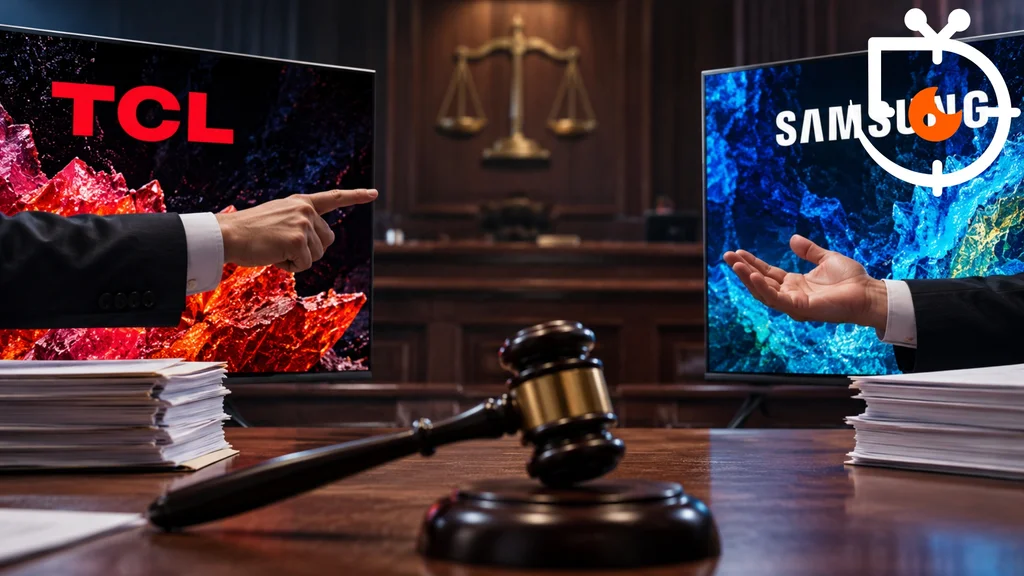
TCL has sued Samsung in the United States, accusing the rival of misleading advertising by marketing the M-series televisions as Mini LED models. According to TCL, the main issue is the way the technology used in the new Samsung M80H and M70H televisions is presented. The Chinese manufacturer argues that the edge-lit Mini LED backlighting used in them does not provide the key functionality associated with this technology. Samsung disagrees with the allegations and says it will defend its position in court. The case also shows how significant the definition of terms such as LED, QLED or Mini LED is in the television industry today.
TCL challenges the way Samsung uses the name Mini LED
At the heart of the dispute are Samsung’s new M80H and M70H TVs, which use an LCD panel with edge-lit Mini LED backlighting. In typical Mini LED designs the backlight LEDs are placed behind the panel and operate with zoned local dimming. It is those dimming zones that allow independent control of different backlight areas. This enables higher contrast and brightness and improves overall picture quality. TCL argues that labelling TVs that lack such a system as Mini LED may suggest to consumers capabilities the devices do not actually offer. The company accuses Samsung of repurposing a cheaper model from an earlier product line and presenting it as an advanced Mini LED TV. TCL also says such devices lack the technological enhancements traditionally associated with Mini LED. Among other things, the firm wants to prevent Samsung from using the term "Mini LED" in relation to the disputed technology. The lawsuit also seeks damages, the exact amount of which has not been disclosed. Samsung rejects the claims and says it will defend itself in court. The company states it fully stands behind the quality of its products and the accuracy of their descriptions. The dispute therefore concerns not only a specific TV model but also how manufacturers may use technology names in marketing materials. TCL takes a stricter approach and uses the term "Mini LED" to refer to LCD TVs equipped with zoned local dimming.
Samsung and TCL have been arguing for years over TV technology names
Samsung calls LCD TVs with Mini LED and zoned local dimming Neo QLED, while TCL uses the Mini LED name directly for such designs. Samsung, however, began offering LCD TVs with edge-lit Mini LED last year with the launch of The Frame Pro. In 2026 the solution also reached budget models M80H and M70H. This is not the first dispute between the two companies over how to name technologies used in televisions. In the past Samsung accused TCL of improperly using the term QLED for models that, in its view, did not contain a sufficient amount of quantum dot material. Samsung has previously faced lawsuits over calling LCD TVs "LED TV". In practice, the names used by manufacturers can lead to arguments about what a specific term should actually mean. Mini LED itself is technically a term for a type of backlighting used in LCD televisions. A similar problem may affect TVs described as RGB LED, because in those cases both edge-lit backlights and designs with local dimming can be used. TCL's lawsuit against Samsung comes at a time of particularly intense competition among manufacturers in the Mini LED market. According to Counterpoint Research, TCL and Hisense already overtook Samsung in market share in this segment in 2024. The lawsuit was filed just before this year's IFA in Berlin, where manufacturers showcase new devices and technologies. The further course of the case will now be determined by the legal actions of both companies and the position of the US court.
TCL has launched legal proceedings in the US against Samsung, challenging the use of the term Mini LED in the new M80H and M70H TVs. The main point of dispute is the use of edge-lit backlighting without local dimming. Samsung rejects the claims and says the information about its products is accurate. The case could affect how manufacturers are able to describe and market backlighting technologies in future TVs.
source: flatpanelshd