 Redakcja Choose TV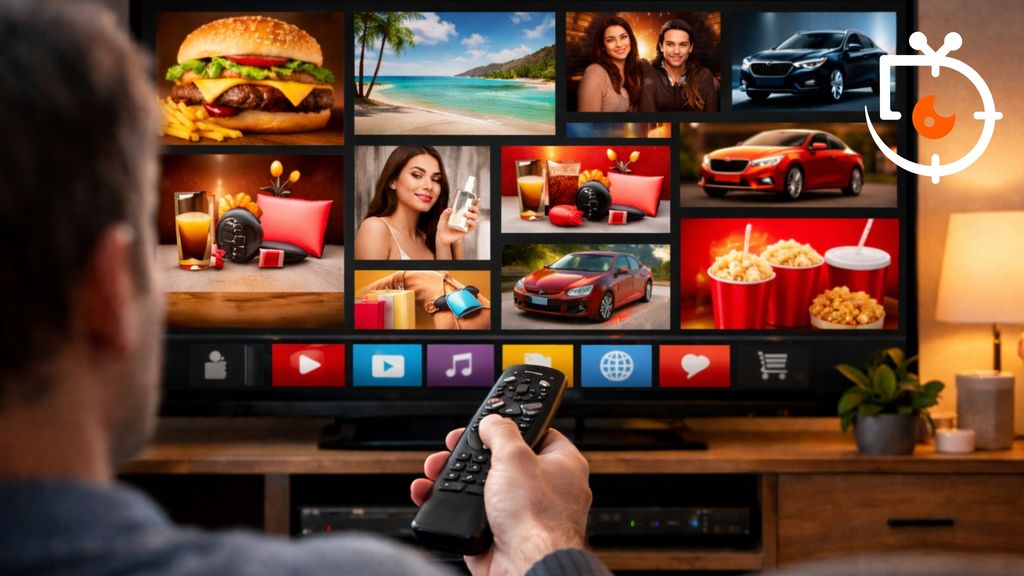
Modern Smart TVs offer access to a vast number of applications and content, but increasingly they also have their "hidden cost". According to new reports, devices with systems such as Google TV, webOS, or Tizen collect enormous amounts of data about users and mainly use it for advertising.
Your TV can see more than you think
One of the most controversial mechanisms is ACR, or content recognition technology. It allows the television to analyse what you are watching even if the signal comes from HDMI, e.g. from a console or a decoder. In practice, this means that the TV can take "snapshots" of the content being viewed and use them to build a user profile. Based on this, advertisements are tailored not only on the television itself but also on other devices, such as a phone or computer.
Ads are everywhere and there will be more of them
Producers are increasingly investing in advertising systems. Ads are now appearing not only in applications but also in the TV interface on the main screen, in recommendations, or even in screensaver mode. Companies like Amazon and Google are developing this model by combining data from various platforms. As a result, ads can 'track' users across devices and services.
Cheaper television at the cost of privacy
Manufacturers explain that thanks to advertisements they can offer televisions at lower prices. And indeed, the equipment is relatively cheap today for its capabilities. The problem is that the user is often not fully aware of how much data they are giving away in return. In extreme cases, there are even business models where the television is almost free, but in return requires full consent for tracking and advertisements.
Smart TV is becoming more of an advertising platform than a neutral device, and users are increasingly paying for the device… with their data.
source: flatpanelshd