 Redakcja Choose TV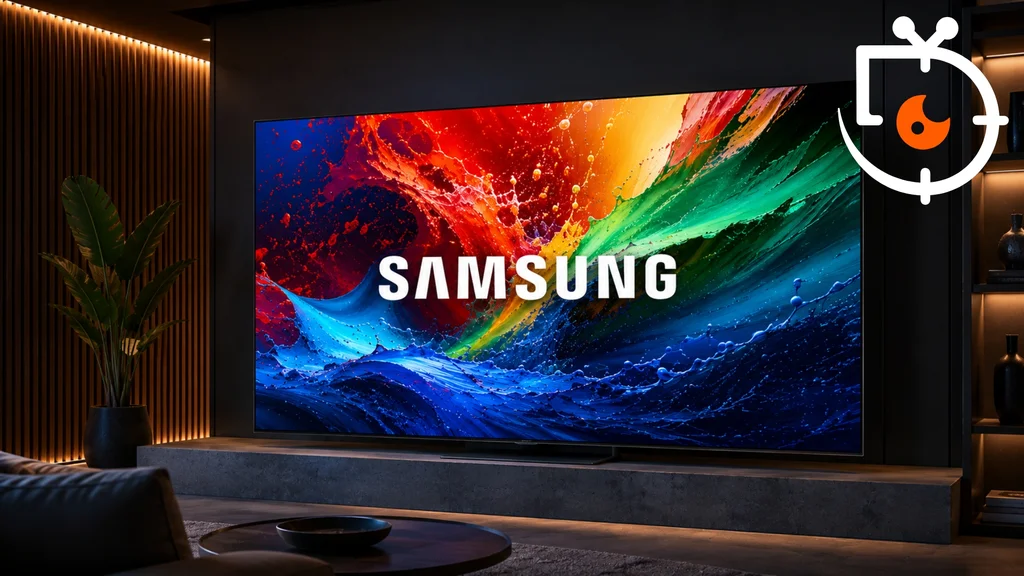
Samsung is launching a global push with a new display technology that is set to replace the company's previous emphasis on QLED TVs. After an initial debut in selected countries, models equipped with micro RGB backlighting are now going on sale in the United States, the United Kingdom and other European markets. The manufacturer says the new solution delivers even better colour reproduction and higher image quality in HDR content. At the same time, Samsung is making clear the direction it will take its LCD TVs in the coming years. All signs point to micro RGB becoming the new hallmark of the brand's flagship models.
Samsung stawia na micro RGB i odchodzi od dominacji technologii QLED
The new Samsung R95H and Samsung R85H TVs use a technology the manufacturer calls micro RGB. In practice this means a backlight made up of red, green and blue LEDs placed behind the LCD panel. This solution significantly expands the palette of displayed colours and brings it closer to the BT.2020 colour space, which underpins modern HDR picture standards. However, to fully exploit the capabilities of the new TVs, viewers must watch content produced in HDR format. Samsung also clearly signals a change in its marketing strategy. For many years the company primarily promoted the QLED brand, but it is now placing increasing emphasis on micro RGB and the concurrently developed range of OLED TVs. The new technology is set to become the main pillar of the manufacturer's LCD line-up. The top model remains the R95H, while the R85H offers some of its capabilities at a more accessible price. One of the most important differences between the TVs is the number of local dimming zones, which directly affects contrast and picture quality. However, Samsung traditionally does not disclose the exact number of zones used in its TVs. Interestingly, other companies have taken a similar direction. Firms such as Hisense, LG, Sony, Philips and TCL are developing their own designs using RGB backlighting, adopting names like True RGB, RGB miniLED or micro RGB. Samsung also stresses that this technology is unrelated to microLED, which does away with the LCD panel entirely. They are two completely different solutions despite the similar names.
The flagship model offers new features and lays the groundwork for Samsung’s next televisions
The most advanced Samsung R95H also received the Wireless One Connect Ready feature, which allows the TV’s capabilities to be extended by connecting an external module offering wireless connectivity and additional HDMI ports. Both models come with support for HDR10+ Advanced, Samsung’s alternative to Dolby Vision, which the company still does not plan to support in its televisions. Also included are four HDMI 2.1 ports, Dolby Atmos support, the Eclipsa Audio sound system, a matte screen coating and the Tizen platform, providing access to the most popular streaming apps. Samsung makes no secret that these models are intended to set the direction for LCD televisions over the next few years. The company is counting primarily on customers seeking high-quality HDR picture and large screen sizes. At the same time the manufacturer says a new generation of OLED televisions from its 2026 range will reach the market soon. This means Samsung will develop the two most important premium TV lines in parallel. Initial prices for the R95H and R85H are high, but as in previous years they are likely to fall gradually over the coming months. For consumers this means another alternative to traditional Mini LED TVs. The premium TV market is therefore becoming even more competitive, with manufacturers competing increasingly on not only specifications but also their own picture technologies. All signs point to micro RGB being one of the key trends in the LCD TV segment in the coming years.
Samsung has officially started global sales of the R95H and R85H televisions using the new micro RGB technology. The manufacturer is focusing on improved colour reproduction, developments in HDR picture performance and the gradual replacement of its previous strategy, which relied mainly on QLED televisions.
source: flatpanelshd