 Paweł Koper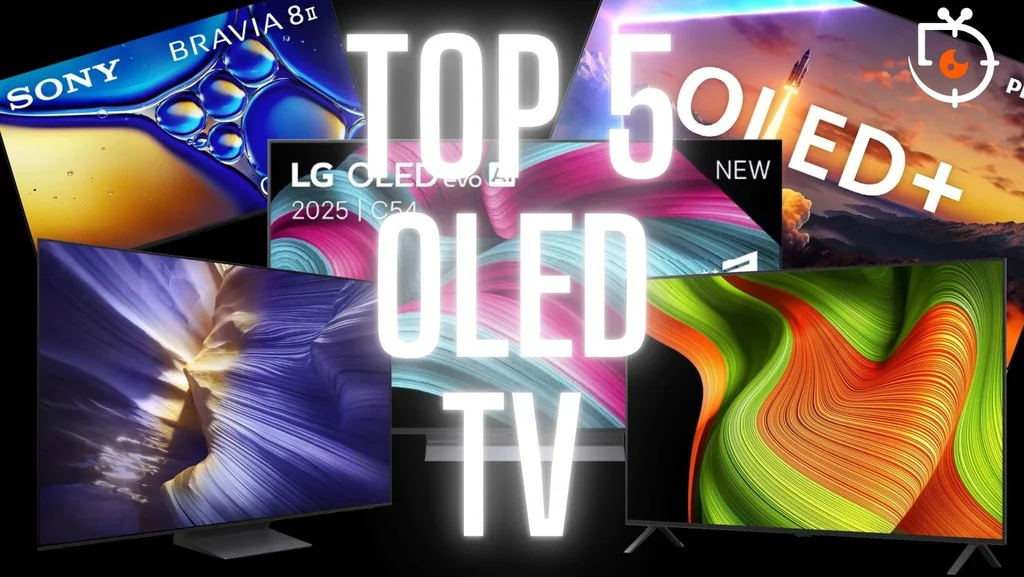
January is traditionally the time when stores need to make space for the new models showcased at CES 2026, so the prices of last year's hits are plummeting. If you've been dreaming of an OLED but don't want to spend a fortune on the "newness tax," these three models should be on your radar!
Which cheap OLED to buy in 2026? LG OLED B5
The line-up opens with the LG B5, which is currently emerging as the absolute king of value for money. This will likely be the cheapest way to enter the world of perfect black without spending a fortune. Although it is a budget model in LG's hierarchy, you wouldn't feel it at all during everyday use. Gamers get full 120Hz support and a host of gaming optimisation features that were recently reserved for the most expensive series. Of course, there's one catch – lower panel brightness. This is a typical "problem" with cheaper OLEDs, so the B5 performs best in controlled lighting conditions, such as in a bedroom. In every other respect, the picture is just as vibrant and deep as in higher-end models, making it definitely worth considering!
What's the Best 65 Inch OLED? Samsung S90F
The real revolution starts with the Samsung S90F, but we have a very important note for you: mainly look at the 65-inch model. In this specific size, Samsung has used a QD-OLED panel, which is a technological leap compared to the standard WOLED panels used by the competition. It offers a significantly wider colour gamut and much higher brightness, making colours more saturated and vivid even in bright scenes. However, it's worth knowing that in other sizes, Samsung uses the same panels as the LG C5, so the choice then comes down to preferences regarding the operating system. If you're aiming for 65 inches, the S90F is currently the unrivaled leader in image quality in its price class.
What is the most cost-effective OLED? LG OLED C5
For those looking for something more versatile for a bright living room, a natural choice during the January promotions is the LG C5. It's one of the most comprehensive televisions that came out last year. With the use of the OLED Evo panel, it offers significantly higher brightness than the mentioned B series, which makes a difference when watching movies during the day. The C5 is also a treat for fans of numbers, as when connected to a computer, the panel can refresh at a rate of up to 144Hz. The whole system is powered by a slightly more powerful processor, which handles motion smoothing and improves the quality of poorer video materials more efficiently.
Most Interesting OLED? Philips OLED910
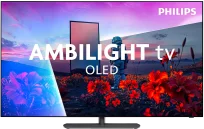
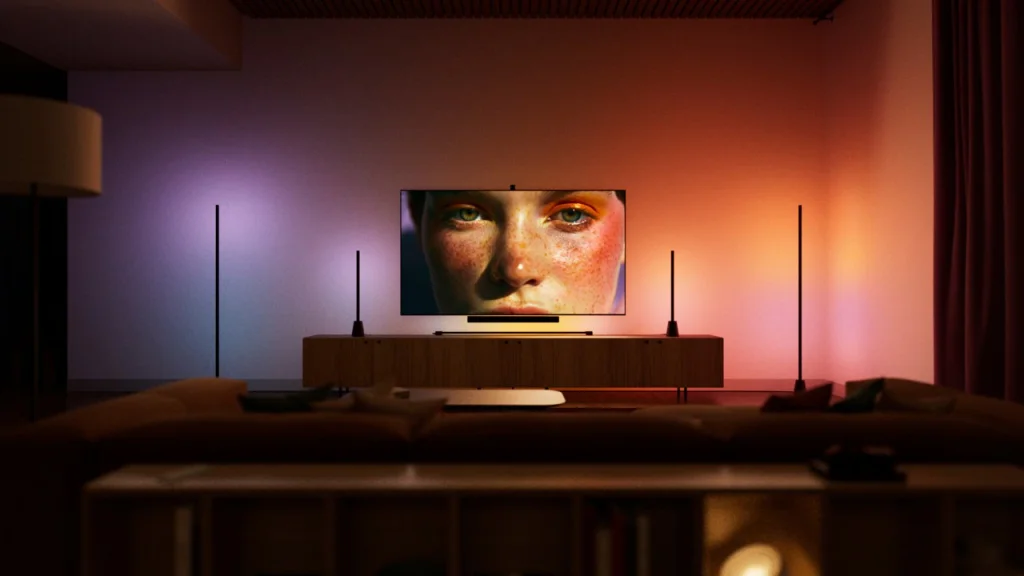
The most interesting option in the current lineup is the Philips OLED910. This model was overlooked at launch due to its terrible price-to-quality ratio – it simply cost way too much. However, the situation has changed 180 degrees now, as top models from competitors like Samsung S95F and LG G5 stubbornly maintain high prices and don’t want to hit (yet) the sales. At the moment, the OLED910 is the cheapest way to have a "top-tier" OLED at home. Its biggest ace up the sleeve is the Tandem OLED panel, which can generate over 2000 nits of brightness in movie scenes (literally leaves you glued to your seat). On top of that, it features the Google TV Android system, the already iconic Ambilight, and sound that – as confirmed by our tests – is currently the best factory-installed audio in televisions. By buying this model, you can comfortably forgo purchasing a basic soundbar, as Philips simply performs better. It used to be too expensive, but now it costs the same as competitors' models, so it's worth considering as it offers certain extras that are hard to find elsewhere.
Japanese OLED Sony Bravia 8 II
The perfect addition for fans of uncompromising quality is the Sony Bravia 8 II. Although Sony is rarely associated with low prices, looking at the current offers, this model does not fall behind the competition as much as one might expect. This is great news for fans of Japanese precision in image processing. The Bravia 8 II uses the same powerful QD-OLED panel as the flagship Samsung S95F, ensuring immense brightness in HDR films and stunning colours. Sony adds its legendary XR processor, known for the most natural reproduction of motion and details. Everything runs under the control of the Google TV system, which will be a huge advantage for many due to its convenience and the number of available apps. This is an option for those who want flagship technology at a slightly more accessible post-holiday price.
Overview of recommended OLED models for early 2026
Model | Panel (Technology) | Brightness (HDR) | Refresh Rate | Smart TV System | Why it's worth buying? |
LG B5 | OLED | 600 | 120 Hz | webOS | Best price |
LG C5 | OLED Evo | 1000 | 144 Hz | webOS | Most versatile |
Samsung S90F | QD-OLED (in 65") | 1500 | 144 Hz | Tizen | Quality/price ratio in 65" |
Sony Bravia 8 II | QD-OLED | 2200 | 120 Hz | Google TV | XR Image Processor |
Philips OLED910 | Tandem OLED | 2200 | 144 Hz | Google TV | Ambilight, best sound from TV. |
Developed based on prices 20/01/2026 in the Media Expert network