 Redakcja Choose TV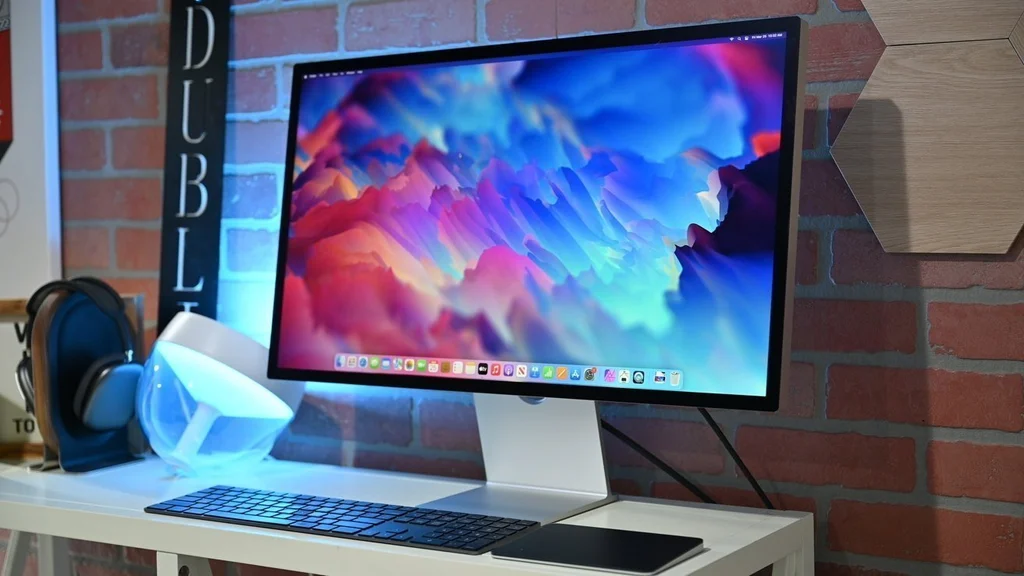
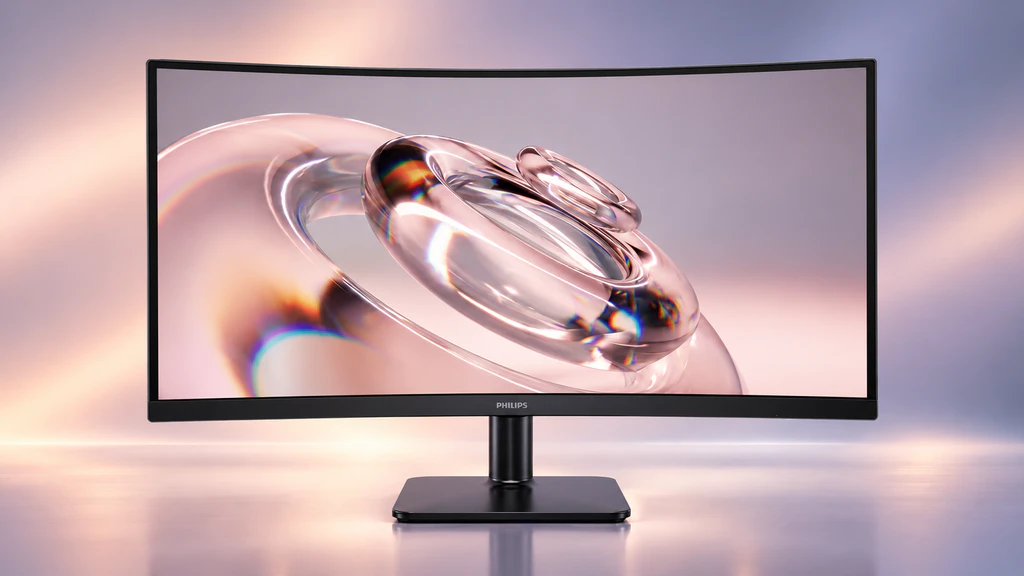
For decades, 60 Hz was the undisputed standard in the world of monitors. Whether we’re talking about office equipment, professional gear, or "prosumer" devices, the smoothness of the image has remained at a level that is increasingly deemed insufficient today. Visible stuttering during scrolling, poor motion readability, and a noticeable difference when returning from a 120 Hz screen have prompted the industry to start catching up on years of delays.
Dell is already openly communicating that 120 Hz is set to become the new standard in professional monitors. Now, everything indicates that Apple is finally preparing a similar move.
Apple i 60 Hz – a history full of consequences
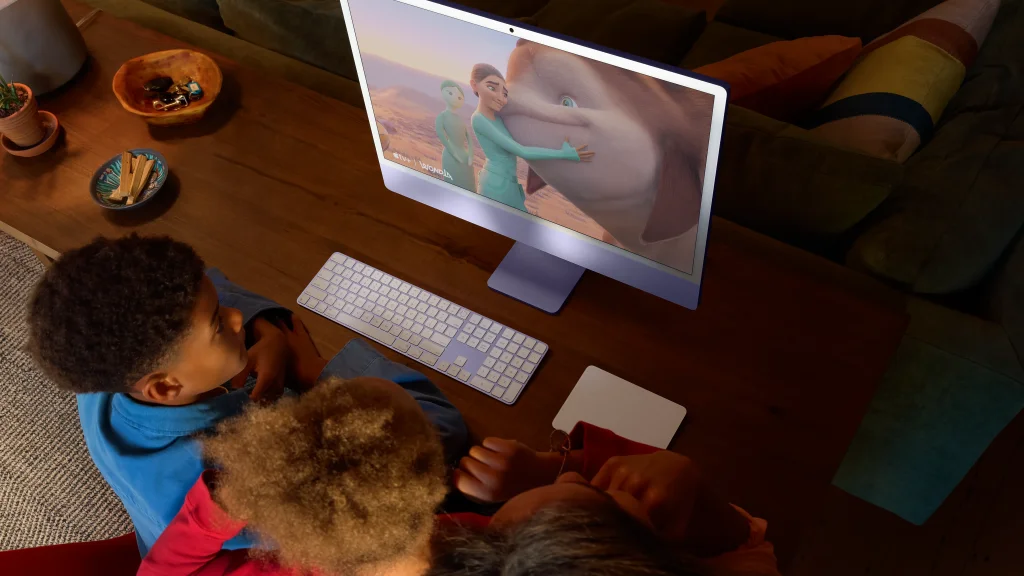
All Apple flat monitors – from the Cinema Display of the late 90s, through the Pro Display XDR, to the Studio Display from 2022 – capped out at 60 Hz. This is surprising, given that Apple has consistently promoted higher refresh rates in other categories of hardware. iPhones, iPads, MacBook Pros, and Vision Pros have all adopted 120 Hz and ProMotion, and the difference in daily use is evident. However, the Studio Display has remained an exception. That may soon change.
Studio Display 120 Hz – what the leaks are saying
According to information from Macworld, references to a new Apple monitor with the codename J527 have appeared in the system code. This designation has previously appeared in Bloomberg reports, indicating the development of a new generation of Studio Display planned for 2026.
The most important change? Support for 120 Hz, most likely with ProMotion and variable refresh rates. The code also suggests compatibility with HDR, though caution is warranted here. If Apple decides to go with a miniLED LCD panel, "HDR" may be more of a marketing term than a reference standard.
The new monitor is expected to be powered by the A19 chip, which marks a significant leap from the A13 used in the current Studio Display. This means greater image processing capabilities, improved scaling, and potentially more advanced system features. In the background, there is also a second code – J427 – which may represent a cheaper variant of the monitor, possibly with a simplified specification.
120 Hz as the new standard – but not straight away
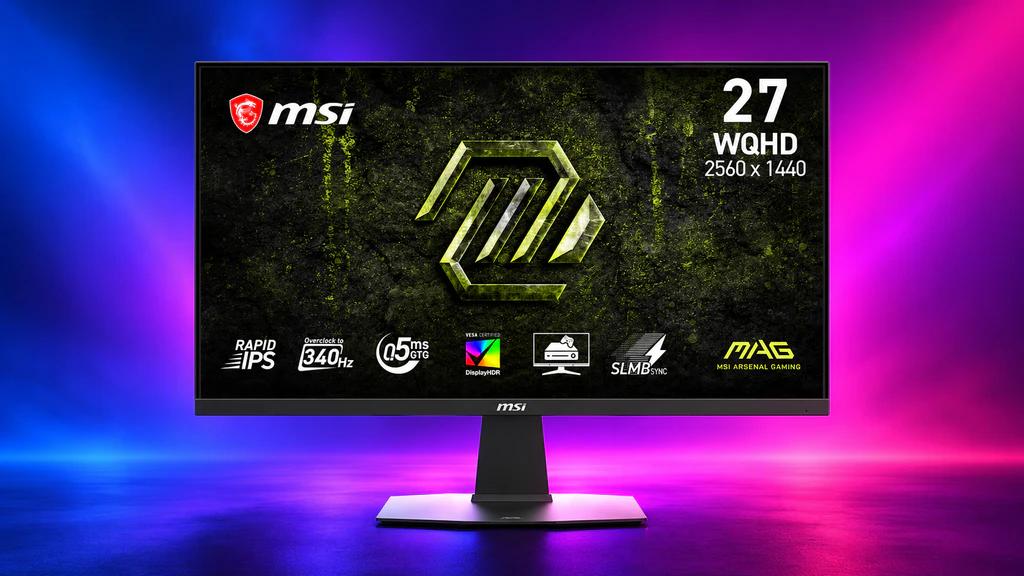
The display market is already changing. High-end TVs and more mid-range models are supporting 120 Hz. PS5 and Xbox Series consoles are doing the same. Gaming monitors have long pushed even further, achieving today even absurd values in the hundreds of hertz.
The issue remains the rest of the ecosystem. Devices such as Apple TV 4K or Google TV Streamer still max out at 60 Hz, which effectively blocks smooth interfaces and perfect frame matching in video content. For 120 Hz to truly become the new standard, the entire chain – from the signal source to the display – must undergo transformation. Apple has already taken the first step with mobile devices and computers. Studio Display could be the next, long-awaited piece of this puzzle.
A change that should've happened years ago
Raising the resolution and improving colour reproduction has dominated "professional" monitors for years. Meanwhile, it’s the fluidity of the interface and the naturalness of movement that have a huge impact on work comfort today. The jump from 60 Hz to 120 Hz is one of the most noticeable changes that can be seen with the naked eye – even without laboratory comparisons.
If the rumours are confirmed, the new Apple Studio Display with 120 Hz won’t be a revolution. It will rather be a late, but much-needed catching up. And perhaps a symbolic end to the 60 Hz era in Apple monitors.