 Redakcja Choose TV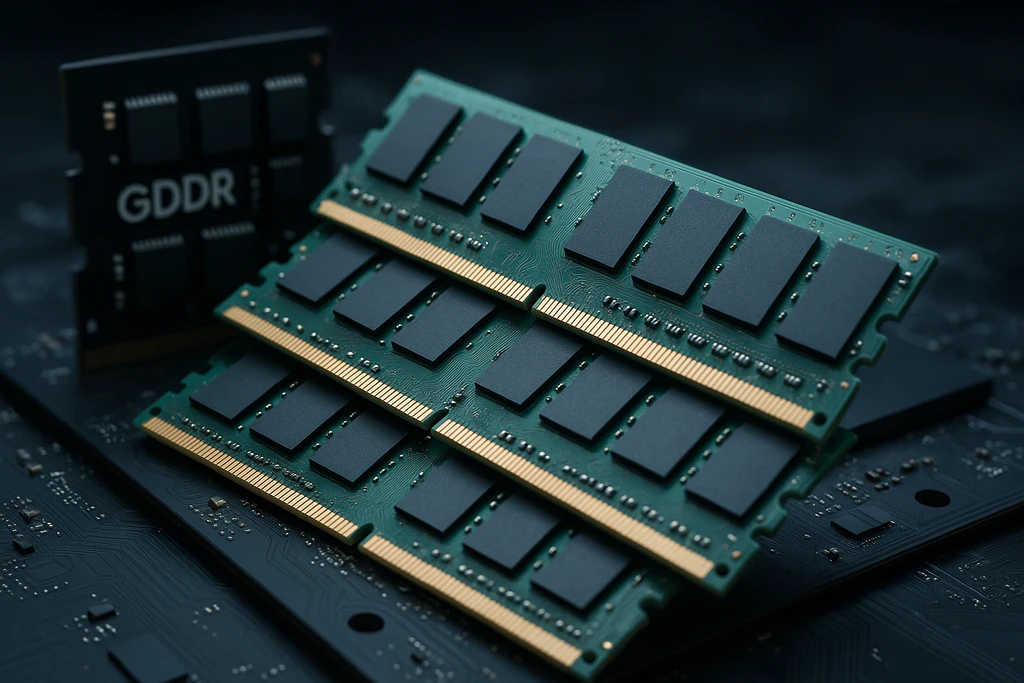
The RAM market is in increasingly poor condition. For many weeks now, the tech industry has been overwhelmed with a wave of troubling reports about a severe worsening of the situation in the RAM market. In just the last two months, prices for modules have increased several times, and everything points to 2026 not bringing any relief. On the contrary – manufacturers are already preparing today for prolonged issues with the availability of DRAM chips and further increases in their purchase costs.
Less RAM in New Devices
The effects of the crisis will be directly felt by consumers. More and more signals indicate that next year, laptops and smartphones will launch with noticeably less RAM than their counterparts from 2024 and 2025. A notebook with 8 GB of RAM and a smartphone equipped with just 4 GB of memory may once again become the market standard, especially in the lower and mid-price segments.
TrendForce Forecasts for 2026 and the Mid-Range Segment
The company TrendForce has published preliminary forecasts regarding changes in RAM configurations in laptops and smartphones for 2026. The report indicates that the only segments that will remain relatively resistant to cuts will be high-end devices. In the case of notebooks, we are still talking about configurations of 16–64 GB, although models with 16 GB RAM will clearly dominate. Variants with 32 and 64 GB will become niche and noticeably more expensive. In top-end smartphones, the standard is expected to remain in the range of 12–16 GB of memory.
The situation looks significantly worse in the mid-range segment. TrendForce predicts that in 2026, most mid-range notebooks will be sold by default with 8 GB RAM instead of 16 GB. Configurations with more memory will not disappear entirely, but they will be rarer and noticeably more expensive. A similar trend applies to mid-range smartphones, where the current 6–12 GB of RAM is expected to be limited to 6–8 GB.
Changes in RAM configurations – TrendForce table (2026)
Category | Market segment | New RAM configurations | Previous RAM configurations | Notes |
|---|---|---|---|---|
Smartphones | High-end | 12-16 GB | 12-16 GB | The shift to 16 GB is clearly slowing down |
Smartphones | Mid-range | 6-8 GB | 6-12 GB | 12 GB is gradually disappearing from the mid-range |
Smartphones | Entry-level | 4 GB | 4-8 GB | Cost pressure and supply limits |
Laptops | High-end | 16-64 GB | 16-64 GB | Mass configurations focused on 16 GB |
Laptops | Mid-range | 8-16 GB | 8-16 GB | More and more models are starting with 8 GB |
Laptops | Entry-level | 8 GB | 8 GB | No further price cuts possible |
Entry-level returns to 4 GB in smartphones
The biggest cuts will hit the entry-level segment, especially in the world of smartphones. While 8 GB of RAM will remain the minimum level in laptops – mainly due to the requirements of Windows 11 and modern applications – in the cheapest smartphones, TrendForce expects a return to configurations with 4 GB of RAM. The 8 GB variants are expected to gradually disappear, replaced by cheaper and more stripped-down versions.
2026 the year of hardware regression?
Considering the scale of the problems with the availability of DRAM memory and the pace of price increases, there is a very high likelihood that these forecasts will indeed materialise. The year 2026 may turn out to be a moment of clear regression in the market in terms of hardware standards – at least outside of the most expensive, flagship devices.