 Katarzyna Petru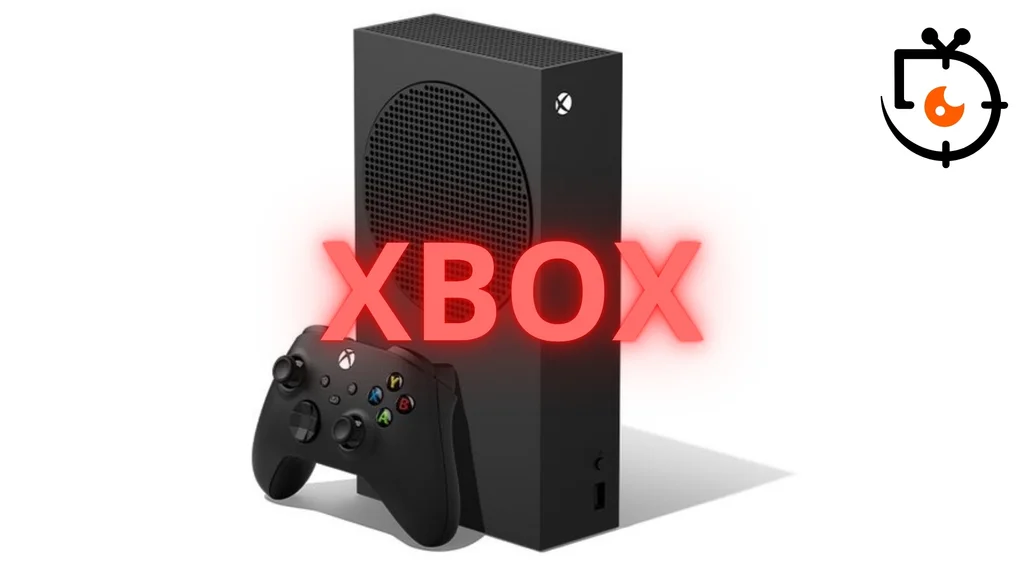
There are increasing claims in the online world that the Xbox brand may slowly be fading from the market. The spark for this discussion has been comments from former and current industry observers, who point to declines in hardware sales and changes in management. However, when we separate emotions from facts, the picture looks far less dramatic.
Where Did the Dark Scenarios Come From?
One of the louder comments came from Seamus Blackley, often referred to as the "father of the first Xbox." In an interview with GamesBeat, he suggested that the new leadership could take on a "palliative care" role for the brand. Additionally, analyst Michael Pachter from Wedbush Securities stated that the next Xbox console is "dead," and Microsoft made a mistake by heavily investing in Xbox Game Pass at the expense of hardware. These opinions coincided with Microsoft's Q2 2026 financial results, which showed a 32% year-on-year decline in Xbox hardware sales revenue and a 9% drop in total gaming segment revenue. On top of that came personnel changes, including the departure of Phil Spencer and the resignation of Sarah Bond, as well as the decision to release selected titles on competing platforms. This was enough to spark a narrative online about the "end of Xbox."
New direction, not liquidation
The new CEO of Microsoft Gaming is Asha Sharma, a manager with experience at Meta and Instacart, known for her work on AI projects. Some commentators took this as a sign of an even greater departure from traditional consoles. However, the initial messages suggest the opposite. Sharma emphasises a return to the brand's fundamentals: consoles and hardware are to become the central element of the strategy again. At the same time, she announced that the company does not intend to flood the market with "soulless" content generated by AI solely for short-term optimisation. It's also worth noting that Microsoft has a vast portfolio of studios, including Bethesda Softworks and Activision Blizzard, which means tens of billions of dollars in investments in first-party content. A complete withdrawal from hardware would undermine the rationale for these investments.
Is Xbox really under threat?
The current signs point more towards a course correction than the phasing out of the brand. The "every screen is an Xbox" strategy, heavily based on cloud and subscription, hasn’t delivered the expected results in hardware sales. Now the company seems to be slowing down and trying to rebuild its relationship with the traditional base of console gamers. The headline about the end of Xbox sounds catchy, but real data suggests more of an attempt at redefining the brand's identity rather than shutting it down.
Sales declines and management changes have sparked a wave of speculation, but Microsoft is not sending signals about withdrawing from the console market. On the contrary, the new management speaks of a return to hardware and rebuilding relationships with core gamers. Xbox is not disappearing. Rather, it is preparing for the next stage of the fight for its position.
source: digitaltrends